Re-upping this appreciation tweet from a few weeks back, when Twitter took the time to share 10 years of hard learned lessons with my new & growing team 💙
So many of us in the field share profound admiration and solidarity with the Twitter Trust & Safety teams.
cc @tspainfo
People were excited about this idea after five years of Trump madness, but in practice it amounts to ceding the information environment to right-wing propagandists and nihilist centrist commentators who work hand in glove to drive your approval into the mid 30s amid a jobs boom.
So excited to read this!
The co-option of the word "safety" in AI/ML spaces has been going on for way too long. Safety is an engineering design consideration that actually has a very specific *socio-technical* meaning, and definitely no direct connection to existential risk.
One thing worth keeping in my mind today: There’s a straight line from Russia’s attack on the US election in 2016 to 1/6 to today’s new invasion of Ukraine. The chaos that Russia unleashed with the election of Trump weakened us to the point Putin feels confident invading Europe.
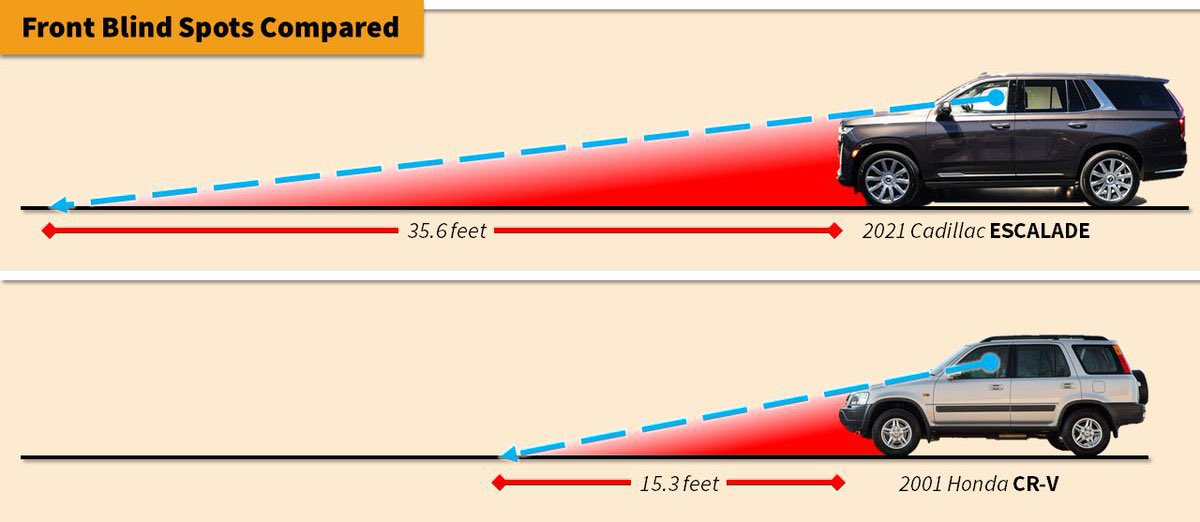
I’m not going to share the graphic video of the Brooklyn neighbor being hit by multiple reckless drivers. But i will share this photo as a reminder of the increasing blind spots of ever-growing vehicles and fact that we have failed to make the safe street design changes we need.
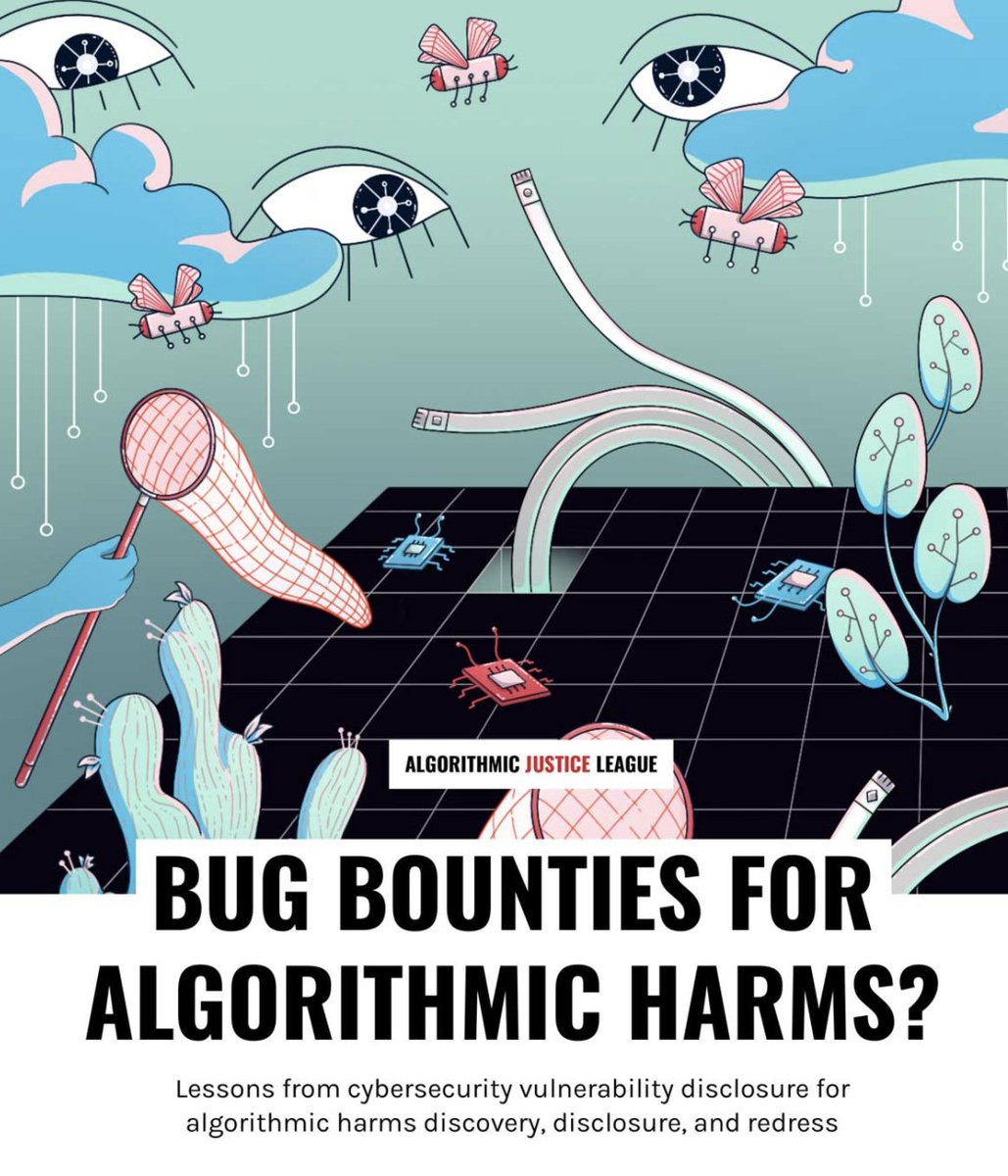
🆕 📖 Here is a short 🧵 about my latest publication, a research report published with @AJUnited looking at the applicability of bug bounties to the discovery and redress of algorithmic harms!
https://t.co/045x6DhASj
Bug bounties have a lot of potential - to incentivize investigations, build audit communities, formalize harm taxonomies & more! @AJLUnited interviewed folks from the bug bounty space and did a thorough lit review to break down what we could learn: https://t.co/lRw9Jt70rY
And join @camillefrancois and I next Friday (Feb 2) as we discuss with key findings about #BugBounties with fellow nerds @ystvns @_Ryan_Ellis 🤓 at @ColumbiaSIPA
Register here: https://t.co/MmgupnEMsZ
Our @AJLUnited team dug *deep* into the concept of #BugBounties for #AI harms
Take a gander for a combo of constructive and cautionary lessons – not only for this emerging domain but for current practices in infosec as well…
I'm so proud to be part of the team at @AJLUnited that produced this report on how we might use bug bounty programs (BBPs) to increase algorithmic accountability & decrease algorithmic harms: https://t.co/PVuko0izqJ
w/ @camillefrancois@CyberSemantics@rajiinio@jovialjoy
Crypto colonizers displacing Puerto Ricans, buying up the island with tax evasion money while launching ponzi recruitment schemes.
https://t.co/5nNXxX1HXI
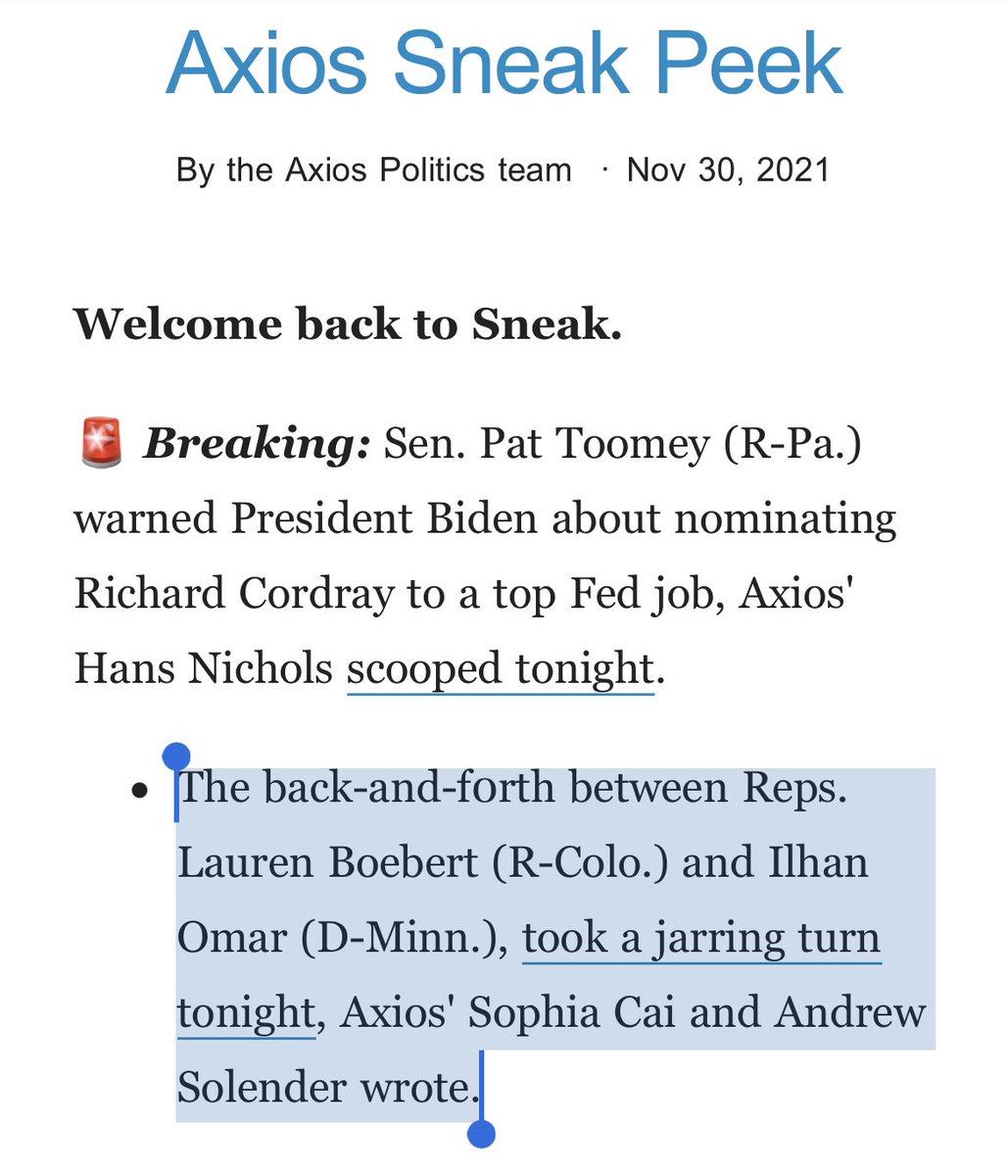
It’s a “back-and-forth” in that one member of Congress called another member of Congress a terrorist on account of her race and her faith. And the “jarring turn” is death threats against that member of Congress. Come on.
When Maya Guzdar, an intern at the Pentagon, was harassed, the response was "the best-case scenario," she writes: Higher-ups took immediate action. Still, "it’s scary to realize the fragility of my story’s positive outcome." https://t.co/WH5ZRXn2Ap
Apple said security researchers could verify its claims about the child safety feature. So they did. These two images generate the same hash.
https://t.co/lO8BEbWr89
There’s a much-needed and active line of work on mitigating ML dataset harms. The main implication of our findings for this work is the difficulty of anticipating ethical impacts at dataset creation time. We advocate that datasets should be “stewarded” throughout their lifecycle.