What if everyone actually sees a different color but we all call it the same name?
Just think about it.
For example: I grew up knowing this color is "red" because that's what I was taught.
But someone else might literally see something completely different when they look at the same thing yet they were also taught to call it "red", so they say it’s "red" when you ask them.
So we could all be experiencing totally different qualia, but we'd never know because we can't see through each other's eyes.
Anthropic just shipped its smartest model and then told you not to run everything on it:
Sonnet 5.5 builds → Haiku 5.5 scans → Opus 5.5 plans → Fable 5.2 sleeps until the 1 hard call
1 command + 1 line in settings = you pay Fable's price only for decisions
Here's how to set it up:
First, understand how it works:
• Everyone moves the whole stack to the new model the week it drops. That is the expensive mistake. Fable 5.2 is not even the default in Claude Code, you have to pick it yourself
• Advisor mode pairs a fast main model with a stronger one. Sonnet 5.5 does the work, Fable 5.2 only gets called at decision points: before it commits to an approach, when it is stuck, and before it says done
• Fable never has to write the boring code. Lookups and greps go to Haiku 5.5 subagents, planning goes to Opus 5.5, and the top model only sees the calls that are actually hard
• The setup survives the next launch. When a new name ships, you change one alias, not your whole week
Here's how to set it up:
1 → Run claude update. Fable as the advisor needs a recent Claude Code and Fable access on your plan
2 → Type /advisor fable inside a Sonnet session. That saves Fable as the advisor
3 → Give your read-only subagents model: haiku in their frontmatter, so search and checks stop burning the main model
4 → For plan-heavy work, launch with claude --model opusplan. Opus 5.5 plans, Sonnet 5.5 executes
5 → What nobody tells you: the advisor is still marked experimental and can use more tokens, and on some plans Fable bills to usage credits. Run /advisor after you set it and watch the first week
One mode for the team. One hard job for Fable. Nothing ships without your yes.
I'll leave the full prompt and Anthropic's official docs on advisor mode below
then read the article below ↓
Which Claude model should you build with?
Our new guide breaks down when to use Fable 5.2, Opus 5.5, Sonnet or Haiku. It also covers when to adjust effort instead of switching models, and how to save cost by putting subagents on smaller models.
https://t.co/1VmXqhkZB0
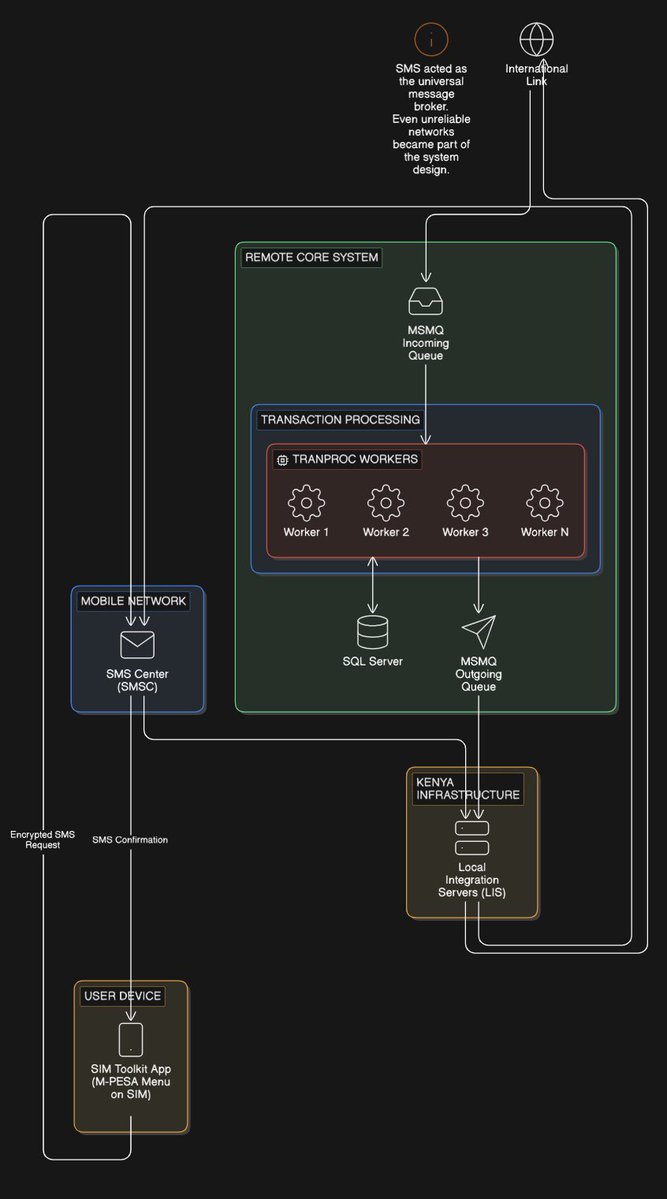
The MPESA backend and full flow chart.
In 2005, Vodafone through a DFID-funded initiative commissioned a small UK-based technology consultancy called Sagentia (based in Cambridge) to develop the prototype for what became M-Pesa. The core team consisted of roughly five engineers.
Airtel Money is planning to launch a virtual card in Kenya to rival Safaricom’s M-Pesa GlobalPay.
The new card, offered in partnership with Mastercard, will allow customers to make international online payments directly from their Airtel Money wallets.
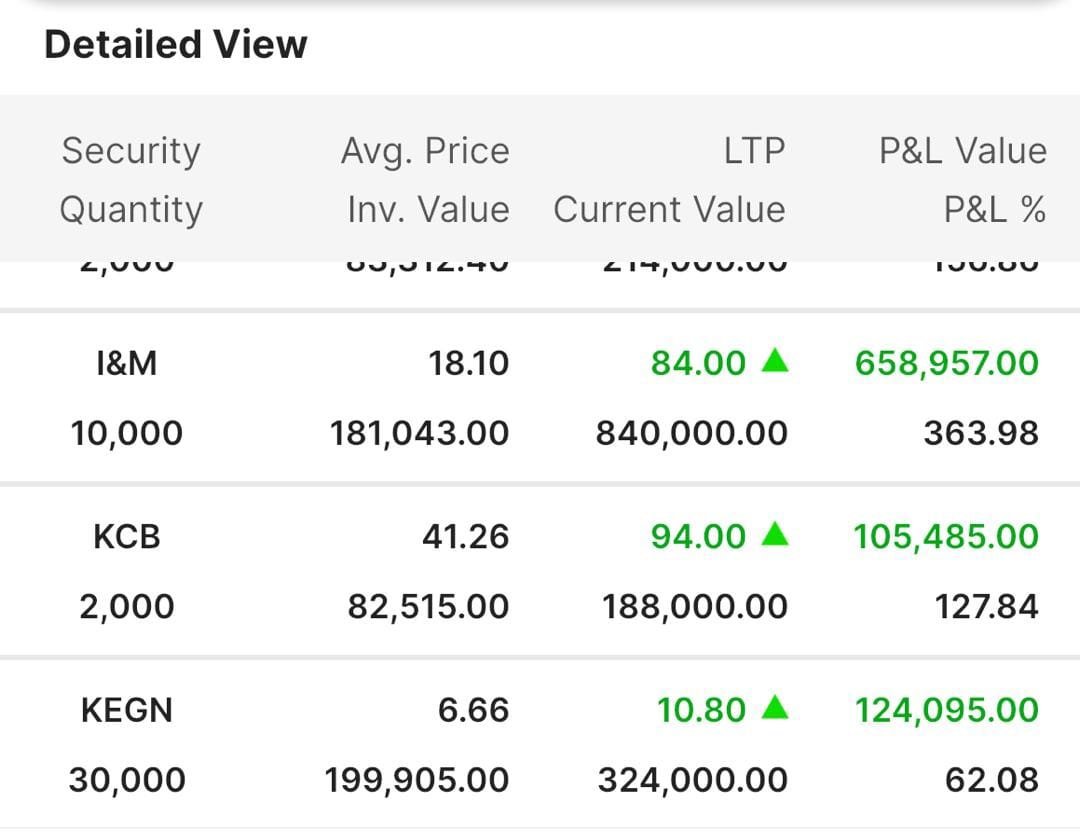
"Once you have ordinary intelligence, what you need is the temperament to control the urges that get other people into trouble in investing." ` Warren Buffett
Airtel Money Kenya’s parent company is planning a price war with Safaricom’s M-Pesa.
Airtel plans to use lower fees and other offers to attract more customers and grow its share of Kenya’s mobile money market.
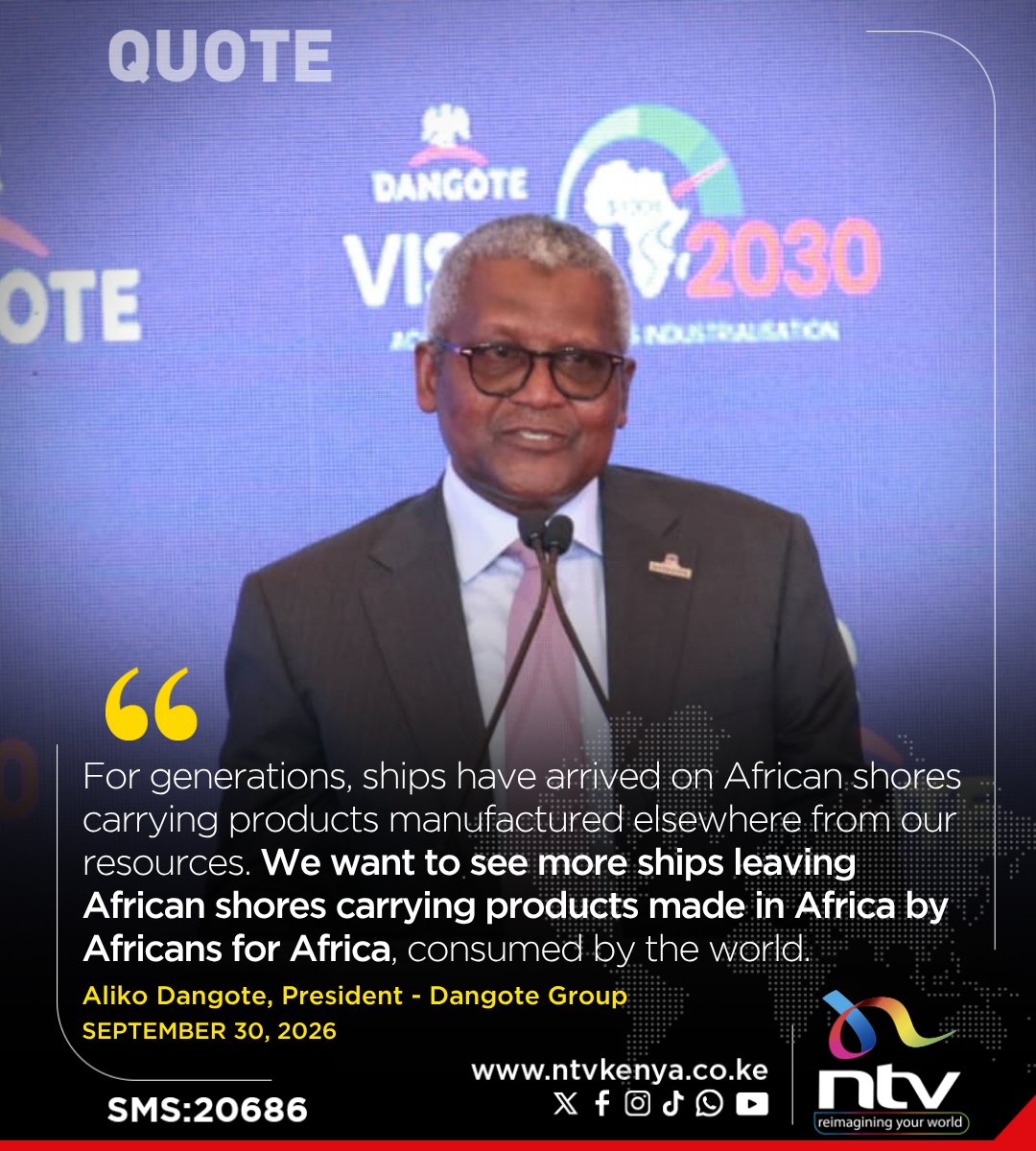
Aliko Dangote has responded to several questions about his investments in Kenya. Here is what he said:
Dangote Group plans to invest about Sh6.5 trillion ($50 billion) over the next four years across different industries, with power among the areas of investment.
He said the group will supply jet fuel, diesel and gasoline, as well as polypropylene for the plastics industry and base oil.
Dangote said the group is also opening a blending plant in Kenya.
He described East Africa as the group’s biggest investment region outside Nigeria, with the Lamu refinery alone expected to attract about Sh2.2 trillion ($16 billion).
On why Lamu was chosen, he said the refinery was initially considered for Tanga because of the Uganda pipeline. The group later chose Lamu because it had enough water, sufficient sea depth and suitable land.