A recent study found that inadequate choline intake is linked to profound changes in the brain associated with Alzheimer's disease. Read about how choline impacts health and who may be susceptible to choline deficiency: https://t.co/098JSLiDFC
Use Food to Optimize Your Health. Here are Powerful Choices to Add:
✨Green Leafy Veggies
✨Cranberries
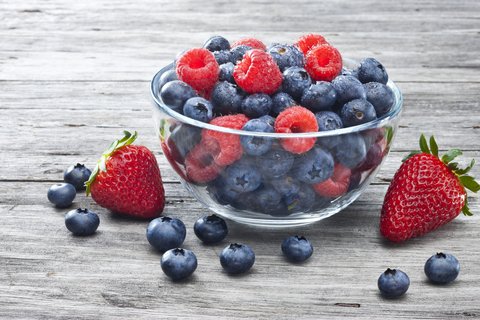
✨Blueberries
✨Pomegranate
✨Cruciferous Veggies (Broccoli and Sprouts, Cauliflower, Arugula, Brussel Sprouts)
✨Avocados
✨Whole Eggs
✨Olive Oil
✨Seafood
✨Meat (Grass fed & finished outdoors on pasture. Never fed grain. Never given antibiotics, or hormones)
✨Liver (Liver is one of the most nutritionally dense foods on the planet)
✨Turmeric
Did you know that #walnuts have around 3.5 nanograms/gram of #melatonin, the hormone that sets your biological clock & brings on sleep? Melatonin is also one of the body's most powerful antioxidants. https://t.co/WRQVP7OTkf
Adaptogens are herbs and natural products that help the body adapt to stress and increase resistance to stress. Find out how you can add adaptogens to your diet.
https://t.co/aS7zhkmMx6
Gastroesophageal reflux disease (GERD) is a chronic medical condition that occurs when stomach acid backs up into the esophagus. Learn more about common symptoms, mistaken conditions, and when to see a doctor. #HarvardHealth
https://t.co/HuFxpm24WU
#Magnesium - if you're not getting enough of this essential mineral in your diet, you could be more prone to #stress.
Where to get magnesium:
Pumpkin seeds, spinach, swiss chard, sesame seeds, quinoa, black beans, cashews.
#HealthyFood#nutrition
Stress reduces the body's magnesium levels.
Low magnesium is linked to high blood pressure, headaches, depression & anxiety.
If you experience any of these after being stressed, eat more magnesium rich foods -Spinach
- Avocado
- Pumpkin seeds
- Beans
- Broccoli
- Dark chocolate
CoQ10 or Coenzyme Q10 is a molecule essential in creating cellular energy, acts as an effective antioxidant, and promotes overall health and wellness. It diminishes as we age, statin use, nutrient deficiencies such as vitamin C, B9, Alpha lipoic acid.
It is crucial in the production of ATP - our cellular energy (without which we would not be alive).
It powerfully protects our cells from free radical damage and promotes heart health - promotes healthy blood pressure, circulation, increases energy, and overall heart functioning. It may also help protect brain cells from oxidative damage and promotes cognitive health.
Ensuring an adequate intake of CoQ10 through our diet, we provide our bodies with the necessary fuel to power our cells while reaping overall powerful health benefits.
Here are 6 Foods High in CoQ10:
✨Salmon
✨Olive Oil
✨Organ Meats
✨Spinach
✨Nuts and Seeds
✨Broccoli
✨Oranges
Supplementation with the ubiquinol form of CoQ10 is highly therapeutic. Also, exercise indirectly increases CoQ10.
Brain Fog? Forgetful? These Top Nutrients are Shown to Improve Brain Fog:
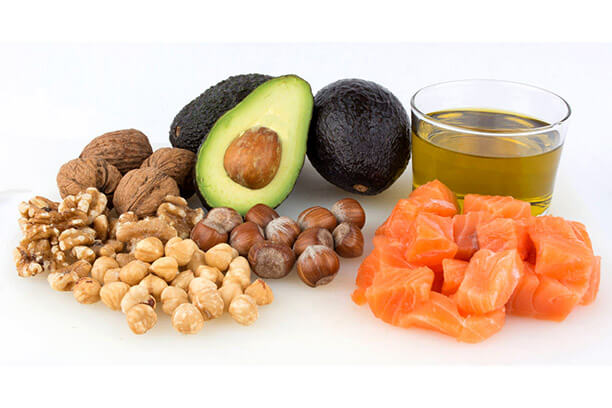
▪️Healthy Fats are necessary for brain health such as fatty fish like sardines, salmon or herring, or add in some plant based options like algae, chia, flax, hemp, walnuts and macadamia nuts.
▪️Antioxidants. Research shows antioxidants improve oxidative stress of brain cells, cognitive functions and motor skills by preventing free radical damage to brain cells.
▪️Choline. As I mentioned recently, this nutrient is necessary to produce acetylcholine, an important neurotransmitter for memory, mood, muscle control, and other brain and nervous system functions, it is essential for protection of the brain.
▪️Probiotics. Your gut and brain are connected - In fact, your gut is referred to as the 'second brain' To ensure your gut and brain are communicating effectively, be sure to add in some healthy probiotic rich food sources such as yogurt, kefir, fermented vegetables, refrigerated pickles and kimchi to optimize gut health.
▪️Magnesium. This essential mineral plays so many roles in the body and its pathways. One of the many benefits of magnesium is its neuroprotective effect and is also involved in memory and learning.
Vitamin D supplementation could decrease the risk of diseases linked to chronic inflammation.
Research just out: a large-scale study has found that adults with vitamin D deficiency have higher levels of inflammation markers than those with sufficient levels of vitamin D.
Vitamin D is a very common deficiency and yet it is so important to the body that we have receptor sites on nearly every cell in the body for vitamin D. Vitamin D activates many genes that confer important health benefits.
👉Inflammation increases as one gets older appropriately named "Inflammaging"
Drinking plenty of water is key to detoxing, absorbing nutrients, and keeping your digestion on point. It also fights inflammation, ramps up digestive enzymes, and shows your gut some serious love. #HydrateForYourGutHealth 🥤☀️💦
Beets are nutrient dense and high in nitrates. Gut bacteria convert the nitrates in beets to nitric oxide. This lowers #bloodpressure and may boost athletic performance, due to increased oxygen delivery to muscles. #fitness#health
🌟🏃♀️Keeping your #Gut game strong and healthy can be a challenge, but regular #Exercise can be a great help! Not only does it promote regularity, but it can also combat digestion problems triggered by #Stress.😱💥
Your circadian rhythm is responsible for guiding your body's hormones, metabolism, healing, growth, and memory consolidation. Discover how it impacts your daily life and three strategies for keeping it on track. #HarvardHealth#CircadianRhythm#SleepHealth https://t.co/hlVvX1Ty3J
Want to improve your #mood and brainpower? Incorporate #omega3 fatty acids from fish, nuts, and seeds into your daily meals. Your mind will thank you!
#health#HealthyFoods
Pumpkin seeds are associated with health benefits which include benefits for the heart, prostate and even protection against certain cancers. They are also rich in antioxidants like flavonoids and phenolic acids.
For more information please visit- https://t.co/z8fmjocIzI
Are You Flavonol Deficient?
Flavanol deficiency is a significant driver of age-related memory loss. Additionally, these antioxidants can help prevent the development of cardiovascular disease, diabetes, cancer, and cognitive diseases like Alzheimer’s and dementia.
Sources of Flavonoids:
Berries
Cherries
Dark Chocolate
Red Cabbage
Onions
Leafy Greens
Parsley
Tea
Coffee
Red Wine
Citrus Fruit
Liver
Want to get bone-building vitamin K? Asparagus has you covered! Half a cup has a third of what you need for the day. It's also full of folate, which helps prevent birth defects like spina bifida. https://t.co/MTah6MSzWf