if my child gets out of bed one. more. time. I’m gonna kiss his forehead and tuck him into his little pillow fort birds nest we made and sing the goodnight song and be patient and kind because he’s not even been around the sun five whole times yet and surely this is the greatest privilege of my insignificant life to hold his hand on the way back to bed
ladies, if youre trying to get pregnant, give yourself 60 days first and prepare like an athlete:
1. 100% cotton underwear only. polyester underwear tanks progesterone
2. cut the cosmetics. women take in 168 chemicals a day from
makeup, hair care and skin care, all linked to hormone issues
and infertility
3. throw out every fragrance in the house. 500+ synthetic
chemicals that wreck your hormones
4. eat carbs. 150-300g a day. under that and your thyroid is
probably tanked
5. steak, liver, oysters, egg yolks, raw milk. especially liver. non-negotiable
6. honey every day. the honeymoon is literally named after
eating honey for fertility
7. sunlight on your skin first thing in the morning
8. no seed oils
9. get the plastic off your body. polyester clothes, plastic
bottles, dental floss coated in BPA
10. daily pomegranate juice, shown to balance hormones and improve PCOS.
11. high k2 cheeses
12. raw carrot daily, excretes excess estrogen
13. lower stress. meditate daily. slow down. cycle sync your training. stop skipping breakfast. definitely dont cold plunge.
14. quit your job, disappear to the woods
15. make him do it too. your placenta is built from his genes
and sperm takes 90 days to mature
train for pregnancy like youre an athlete.
Saying a homeschooled child is missing out on the school experience is like saying a lion that lives in the Savanah is missing out on the zoo experience.
@Cookies27Cream@EthanJonesGolf yea noone is ever gonna 3 putt 18 times in a round though. In order for putting to be more important you have to take it to an extreme which isn't realistic. Guys that can't hit irons are almost always putting for par or worse. Im gonna break 80 even if i putt awful.
I'm a cardiologist. I prescribe cholesterol-lowering drugs every single day. They save lives. That science is settled and I will never tell you otherwise.
But I'm going to say something that will make a lot of my colleagues uncomfortable — because someone needs to say it, and your doctor probably won't.
Too many physicians make you feel crazy when you bring up statin side effects.
You walk into your appointment and say "my muscles ache constantly" — and you're told it's in your head. You say "I'm exhausted all the time" — and you're told it's your age. You say "my sex drive disappeared" — and you get an awkward silence followed by a subject change. You say "I don't feel like myself anymore" — and you're told the benefits outweigh the risks, take the pill, stop reading the internet.
I've watched it happen in my own field for twenty years. The conversation gets shut down. The patient gets dismissed. And then they do the one thing we should be most afraid of — they stop the medication entirely, without telling us, and lose the cardiovascular protection that's keeping them alive.
That is the real cost of not being honest. Not the side effects themselves — the silence that drives patients away from treatment.
In my practice, I see statin-related complications in at least 25% of my patients. Muscle pain. Fatigue that doesn't resolve with sleep. Reduced sexual drive. Brain fog. Cramping. Joint stiffness. Weakness that makes exercise — the very thing we tell them to do — feel impossible.
Some of these improve with CoQ10 supplementation and optimizing vitamin D. Many do not.
I wrote about the diabetes risk of statins in a New York Times op-ed in 2012. The backlash from the cardiology establishment was immediate. I was told I was undermining trust in a life-saving drug class. Fourteen years later, every major guideline acknowledges the risk I warned about. It's in the prescribing information. The physicians who attacked me for saying it now teach it to their residents.
The truth doesn't care about professional comfort. It never has.
Now a paper published this week in Science Advances has finally explained the mechanism behind statin myopathy — and the finding validates what millions of patients have been telling their doctors for years.
Researchers discovered that statins activate the NLRP3 inflammasome in muscle cells — triggering an inflammatory cascade that causes muscle cell death, activates atrophy pathways, and disrupts muscle metabolism. This is entirely independent of the drug's cholesterol-lowering effect.
The muscle damage isn't caused by lowering cholesterol. It's caused by a completely separate pharmacological action through a different pathway.
The critical implication: the side effect can potentially be separated from the benefit.
Blocking NLRP3 or restoring isoprenoids prevented muscle cell death without interfering with cholesterol reduction. Future therapies could preserve the cardiovascular protection while eliminating the muscle toxicity.
Even more striking — the researchers found that background systemic inflammation significantly lowered the statin dose needed to trigger muscle damage. Patients with chronic inflammation, gut dysbiosis, or metabolic syndrome may be experiencing myopathy at doses their doctors consider "too low to cause problems." They're not imagining it. Their inflammatory state is priming the pathway.
The muscle pain was never in their heads. It was in their NLRP3 inflammasome. And we finally have the molecular proof.
Here's what I actually do in my practice — because I refuse to choose between protecting the heart and respecting the patient.
Whenever possible, I avoid statins as my first-line approach for eligible patients by using alternatives that lower LDL through entirely different mechanisms with no muscle toxicity:
PCSK9 inhibitors — Repatha and Praluent. Injections every 2-4 weeks that dramatically lower LDL without touching muscle tissue. No myopathy. No fatigue. No brain fog. For patients who can access them, these are transformative.
Inclisiran — Leqvio. An siRNA injection I administer twice a year in my office. It silences the PCSK9 gene in the liver. Two shots a year. LDL drops roughly 50%. No muscle side effects. No daily pills. Now approved as first-line monotherapy. This is the future of lipid management and I use it aggressively.
When statins ARE clinically necessary — and sometimes they are, especially post-heart attack or in combination therapy — I choose hydrophilic statins like rosuvastatin or pravastatin. These do not easily cross the blood-brain barrier. The cognitive complaints — the fog, the memory issues, the feeling of "not being yourself" — are substantially less common with these formulations because the drug stays out of the central nervous system.
I never prescribe a statin without CoQ10. 100-300mg daily. Statins deplete the cellular energy molecule your muscles and heart depend on. Replenishing it reduces muscle symptoms in many patients. It should be standard practice. The fact that it isn't is a failure of our field.
I check vitamin D and optimize it aggressively. Low vitamin D — which is epidemic — worsens muscle symptoms independently and compounds whatever the statin is doing. Target 50-80 ng/mL, not the bare minimum of 30.
Bempedoic acid — Nexletol — for patients who can't tolerate any statin. Works upstream in the cholesterol pathway and is not active in muscle tissue. Specifically designed to avoid myopathy.
Ezetimibe added to a lower statin dose. Cut the statin intensity, add ezetimibe to maintain the LDL reduction, and halve the muscle exposure.
There is no excuse in 2026 for telling a patient "just deal with the muscle pain." The toolbox is deep. The alternatives exist. The only barrier is a physician's willingness to listen and adapt.
I want to speak directly to every patient who has been dismissed.
Your muscle pain is real. Your fatigue is real. Your cognitive changes are real. Your loss of drive — in every sense of the word — is real. A paper in Science Advances just proved the mechanism. You were never crazy. You were experiencing a documented inflammatory response in your muscle tissue that your doctor didn't have the science to explain — until this week.
And I want to speak directly to my colleagues.
We have to be honest. Not just about the benefits — which are enormous and undeniable — but about the side effects, the mechanism, and the alternatives. Patients who feel heard stay on treatment. Patients who feel dismissed stop their medications in silence — and die from the heart attacks we could have prevented if we'd simply been willing to have an honest conversation and switch the approach.
The cardiologist who tells you statins are flawless is not protecting you. The wellness influencer who tells you statins are poison is not protecting you either. The truth lives in the middle — where it always has.
Statins save lives. The side effects are real. The mechanism is now proven. The alternatives exist. And you deserve a doctor who holds all four of those truths at the same time.
Both things can be true. They always could.
Now we have the science to prove it.
The number of men I know who have to spend a week in the doghouse every time they go on a MANDATORY WORK TRIP is so baffling to me.
Bro already feels bad enough that he has to leave, and then his wife does the “ok” text thing the whole time and just casts a dark shadow on his entire day/week. Brutal.
Many of these wives love the lifestyle afforded by the salary that comes with the corporate title and role, the vacations and SUVs and girls trips and private schools, and then pout and mope around the house when Chad actually has to do his job.
These dudes look absolutely deflated on the last day of travel knowing they have to go home and basically tiptoe around moody woman doing the silent treatment routine for the next three days.
Conversely, the guys with grateful, supportive, joyful wives cannot wait to get home.
An excellent, godly wife is an infinite force multiplier, in every area of life.
Expecting kids to control their emotions is not good for their well-being.
When parents believe in suppressing feelings, they respond with more disapproval. Their kids are more likely to become anxious and depressed.
Emotion regulation improves with practice, not punishment.
1-Minute Eye Exercise to Improve Vision Naturally!👁️✨
This video shows an ancient, time-tasted technique that takes just 1 minute a day
Try this natural method today. Your eyes will thank you! 👍
7 things your child will remember about you forever…
And it’s not what you think.
Not the toys.
Not the money.
Not the big moments.
It’s the small, everyday things.
Read this carefully 🧵
I worked 20 years for a child sex trafficking rescue group. I want you to know this:
90% of Lost Children Are Found Within 30 Minutes.
That statistic should both comfort you and wake you up.
Most lost children are found quickly. But the ones who aren’t? They usually made one mistake.
And here’s the uncomfortable truth:
It’s often the exact thing most parents teach them.
We tell our kids:
“If you get lost, come find me.”
It sounds logical. It sounds empowering.
It’s WRONG!
The Mistake Most Lost Children Make:
When children realize they’re separated, they do three things almost automatically:
They panic.
They wander.
They try to find you.
Every step makes them harder to locate.
From a search standpoint, movement creates chaos.
Parents retrace their steps.
Security scans zones.
Staff lock down areas.
Search works best when movement stops.
When a child keeps walking, they move outside the original search radius. Helpers are looking where they were last seen — not where they’ve wandered.
Stillness increases probability.
Movement expands the problem.
The first lesson is not “go find me.”
It’s this:
Stop. Stay. Yell.
Why Stillness Wins:
Think like a search team.
If a child stays put:
Parents can retrace steps.
Security can scan systematically.
Helpers converge to one fixed location.
The search radius remains small.
If a child keeps moving:
The search area expands.
Adults pass each other.
Missed connections multiply.
Minutes stretch into hours.
Stillness keeps the math on your side.
Teach Them Who to Approach:
The second mistake we make as parents?
We say, “Find an adult.”
Not any adult. Not the nearest stranger. Children need a filter.
Teach them to look for, if at all possible:
A mother with children.
Caregivers who already have kids with them are statistically among the safest people to approach in public settings. They are visible, stationary, and more likely to engage quickly.
It’s a clear, concrete instruction.
Children don’t process vague categories like “safe adult.”
They process visuals.
“Find a mom with kids” is visual.
A Phone Only Helps If the Number Is Known:
We often assume phones solve everything.
They don’t — unless your child can use one. Even young children can memorize a 10-digit phone number with repetition.
But you must train it.
Practice it like a song.
Sing it in the car.
Chant it at bedtime.
Turn it into rhythm.
Repetition becomes recall.
In an emergency, recall matters more than theory.
The Code Word Rule:
One more layer of protection.
Choose a private family code word.
Something only your household knows.
If someone approaches and says:
“Your mom sent me.”
Your child asks:
“What’s the code word?”
No word.
No go.
This simple rule eliminates manipulation attempts instantly.
It gives your child agency without requiring them to evaluate character.
Real Safety Is Training — Not Luck!
We don’t get safer by hoping.
We get safer by practicing.
Teach:
• Phone number
• Code word
• Stop, stay, yell
• Find a mom with kids
Multiple skills.
Simple instructions.
Clear visuals.
Five minutes of training can replace hours of panic. This isn’t about fear. It’s about preparation.
Because when a child gets separated, the clock starts.
And what they do in the first minute determines what the next thirty look like.
That’s real protection.
The science of fetal microchimerism should have broken the internet by now.
It hasn’t.
When I read about a research I was so curious to know what’s actually happening.
Fetal cells — carrying the child’s own DNA — cross into the mother’s bloodstream during pregnancy and never fully leave. They embed into her organs. Her heart muscle. Her brain tissue.
Researchers have found a child’s living cells inside mothers in their 90s, from pregnancies six decades old. The child left the womb. The cells didn’t.
And they don’t just sit there. They migrate toward damage. Women with heart injuries show fetal cells concentrated at the wound site. Women with thyroid disease show their children’s cells inside the affected tissue.
The body that built the child gets tended to, in return, by the child’s own cells. Nobody designed this consciously. Evolution quietly built a repair system out of the mother-child bond itself.
The brain side of this is equally staggering. Pregnancy triggers gray matter reorganization — a structural rewiring that sharpens threat detection, deepens empathy, fundamentally alters how a mother processes the world. These changes persist for years after birth.
Possibly permanently. A mother’s nervous system doesn’t return to its factory settings. It was updated by the experience of carrying another person, and that update sticks.
The part worth sitting with longest — women who experienced pregnancy loss carry fetal cells too. The cellular merging doesn’t require a birth. It doesn’t require years of raising someone. Those cells remain regardless of what happened after. A mother grieving a child she never brought home is grieving someone biologically still present inside her. The world consistently underestimates that grief. The science says we have no business doing that.
Mothers always knew the connection didn’t end at birth.
Turns out it doesn’t end at the cellular level either.
Let me tell you about homeschooling preschoolers and early elementary aged kids, especially after you’ve calmed down after your first child and no longer try to replicate the public school system that you grew up in.
You are cuddled up in various places…the dining table with not an inch between you, the living room couch, blankets on your laps, the picnic table outside where you’ve gone to get some vitamin D.
Day by day, you stare into the eyes of your beloved child as they unlock the magic of reading. One letter at a time, one precious student on whom to focus.
Thirtyish minutes after you open your book for the day, they are finished with “school”, and your little love is allowed to play in the dirt, explore your home, hear books read aloud, and be in on what it takes to run a household. The sounds and smells of home are their schoolyard.
You would have to pry this lifestyle out of my cold, dead hands.
The Last Snowman
I’m at that stage of life where I’m starting to realize that some moments might be happening for the last time.
Yesterday, my middle son and I built a snowman :-). Yes, this 60-year-old doc's child comes out every now and then.
Fresh snow, quiet air, the kind of morning that feels suspended outside of time. He’s graduated from college. His life is already pulling him west…toward love, toward opportunity, toward whatever comes next. And as we packed snow between our hands, shaping it into something temporary and imperfect, I realized this might be the last time we do this together.
Not the last time we’ll talk. Not the last time we’ll laugh. Not the last time we’ll see each other.
But the last time we’ll build a snowman.
No one tells you how parenting changes. At first, it’s all beginnings. First steps. First words. First days of school. You’re trained to look forward, always forward. And then, without warning, life quietly starts handing you endings instead. Not loud ones. Soft ones, often unannounced.
You don’t get a notification that it’s the last time they’ll fall asleep on your shoulder. Or the last time you’ll hold their hand crossing a street. Or the last time you’ll all be living under the same roof.
You just live through them. And only later do you realize what they were.
I want my kids to move on. I want them to chase what calls them. I want them to build lives that are expansive, brave, and unmistakably theirs. I’m proud of their independence. Proud of their curiosity. Proud of who they’re becoming.
But pride doesn’t erase grief.
It just lives beside it.
I’m climbing what’s been referred to as my Second Mountain now. The first was about building, proving, and accumulating. This one feels different, quieter, and far more deliberate. It’s less about adding, more about distilling. Less about what I achieve per se, and more about what and who I carry forward.
And with that shift comes questions that don’t always have clean answers.
Was I present enough? Did I listen well? Did I prepare them for what I couldn’t protect them from? What did I miss while I was busy building everything else?
I don’t know. Maybe no one ever really does.
Yesterday, we built a snowman.
But, for me, it wasn’t really about the snowman. Well… maybe a little about the snowman.
But… It was about time. About becoming…. and about letting go without letting love leave. About standing in that strange, tender overlap where past, present, and future all exist at once.
If that really was our last snowman, I’m grateful I was there for it.
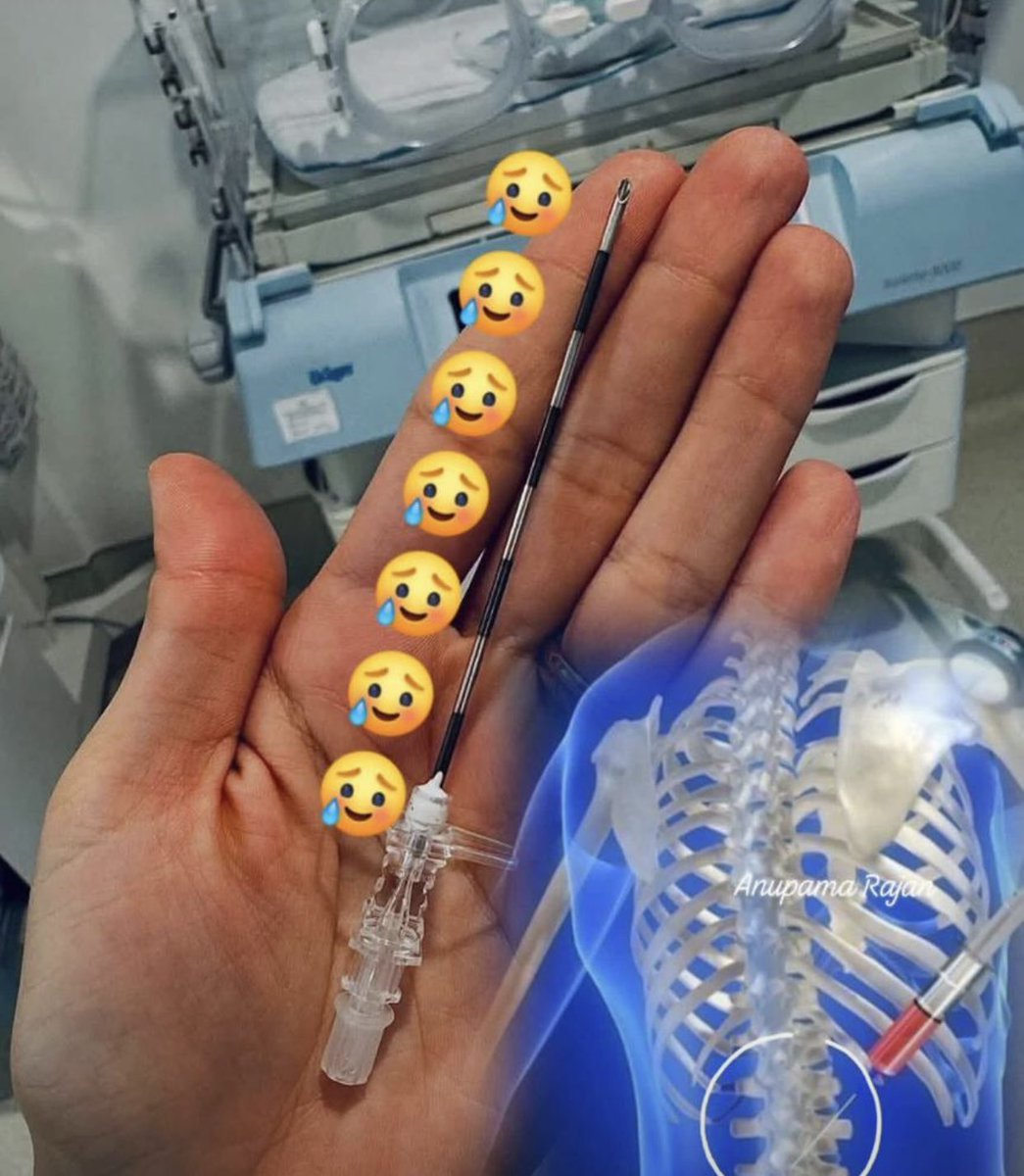
This is an epidural needle 🥺
Long, sharp and terrifying.
It goes deep into a mother’s spine,
While she’s already breaking with contractions.
Yet she bows her back, stays still and takes it.
Not because it’s easy but because her baby is worth every pain ❤️
C-section is not for cowards, it’s for warriors.
Because behind those bright lights of the operating room, a mother is lying still, surrendering her body to pain, to fear, to scars and choosing love.
They say: “Why did you choose a C-section?”
The truth is we didn’t, we never wished for seven layers of skin to be cut, for our spine to feel the sting of anesthesia, for the soreness that even makes breathing heavy 🥹
We didn’t choose the scar,
We chose life,
We chose the heartbeat of our baby over the comfort of our bodies.
Days later when we struggle to stand, when the stitches pull, when our bodies feels broken, we still carry our babies with a smile. Mothers are warriors 💯🥰
Kudos to all c-s mothers 😘🥹