On August 20 every year, Dr. Bill Gray would ring a bell denoting the start of the climatologically most active portion of the Atlantic #hurricane season. Historically, ~90% of Atlantic major (Category 3-4-5) hurricanes form after August 20th.
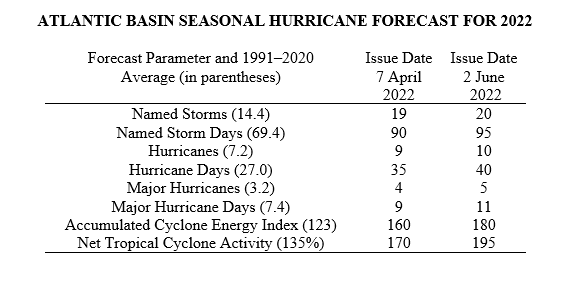
Atlantic seasonal #hurricane forecast update from @ColoradoStateU calls for very active season: 20 named storms, 10 hurricanes & 5 major hurricanes. Forecast increased from April due to low chance of #ElNino & warmer than normal tropical Atlantic:
https://t.co/YmgHukO7tj
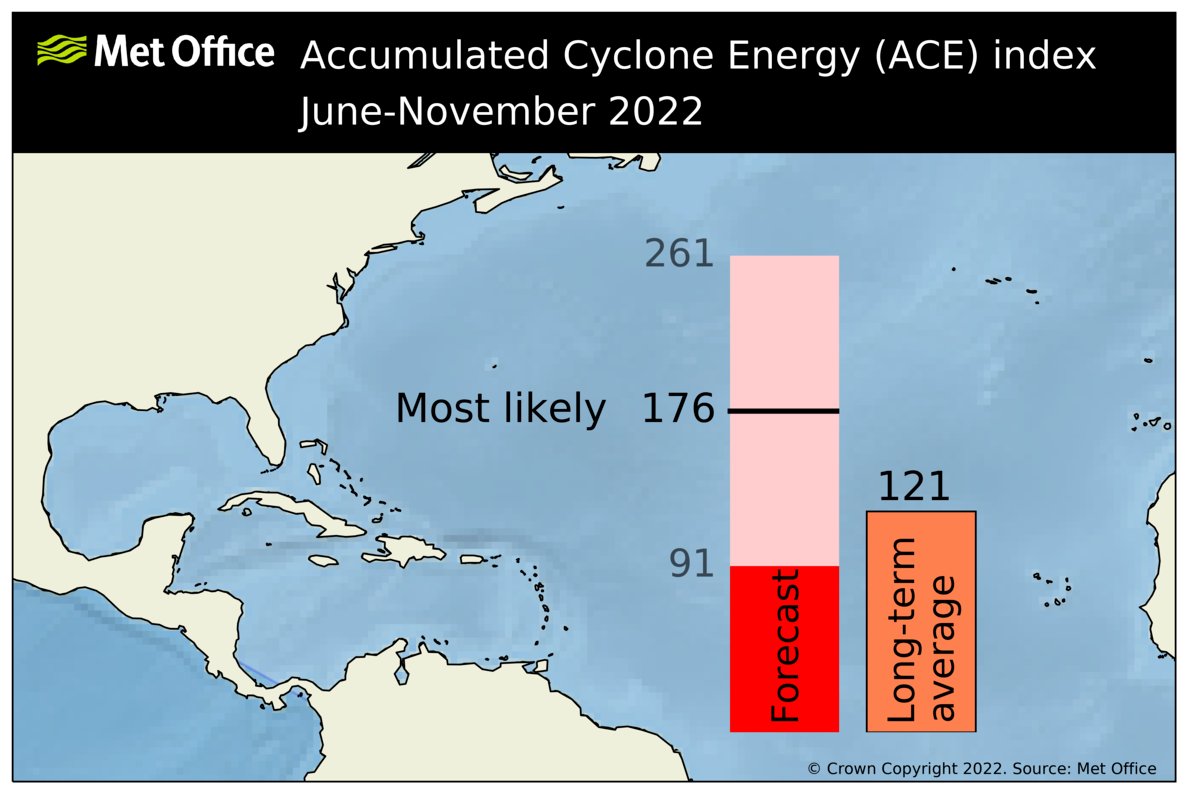
The UK Met Office has issued its seasonal Atlantic #hurricane forecast and calls for an above-normal season. Most likely numbers are:
18 named storms
9 hurricanes
4 major (Category 3-4-5) hurricanes
176 Accumulated Cyclone Energy
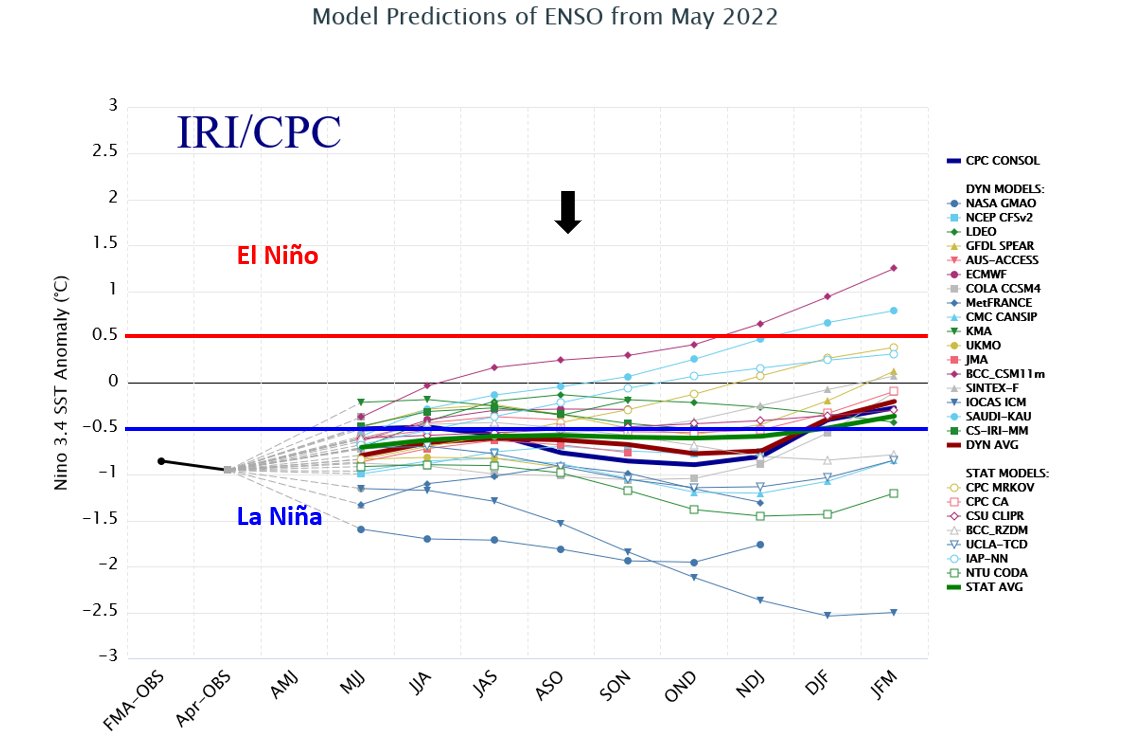
No models in the latest ENSO prediction plume call for #ElNino conditions for the peak of the Atlantic #hurricane season (August-October). El Nino typically reduces Atlantic hurricane activity via increases in vertical wind shear.
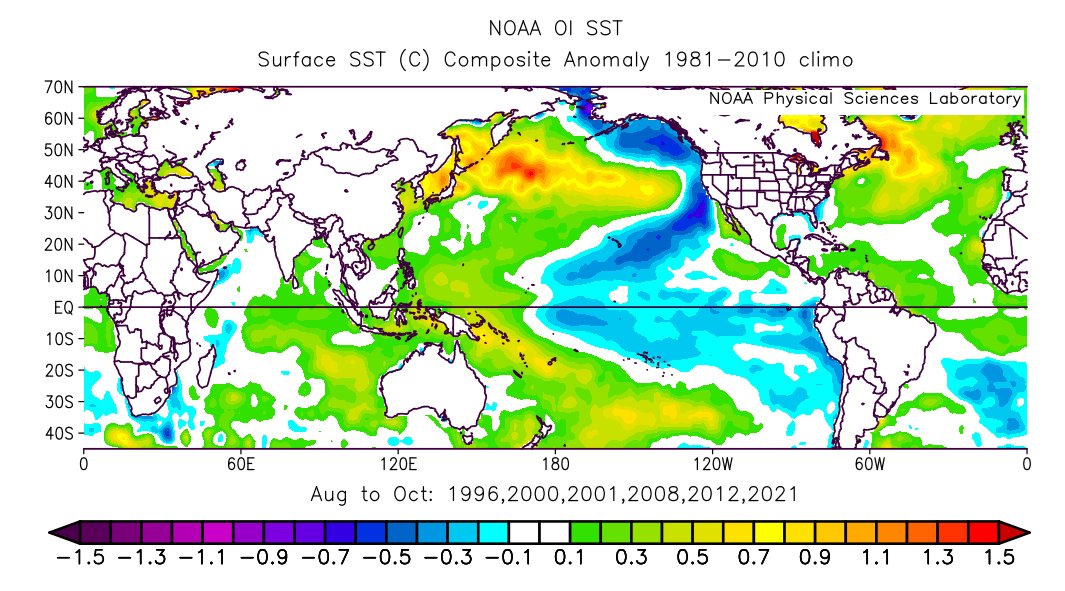
Average August-October sea surface temperature anomalies in CSU's six analog years for 2022 Atlantic hurricane season: 1996, 2000, 2001, 2008, 2012 and 2021. Analogs selected based on cool neutral ENSO/weak La Nina and near average to warm tropical Atlantic for August-October.
Atlantic seasonal #hurricane forecast from @ColoradoStateU calls for above-average season: 19 named storms, 9 hurricanes & 4 major hurricanes. Reasons for above-average forecast include predicted lack of #ElNino and warmer than normal subtropical Atlantic
https://t.co/uauRVHEjql
Starting July 28, Severe Thunderstorms deemed “destructive” will activate a Wireless Emergency Alert (WEA) on smartphones. Criteria for a destructive threat is at least 2.75 inch diameter hail and/or 80 mph thunderstorm winds.
Read more: https://t.co/Vu9HyjsoRw
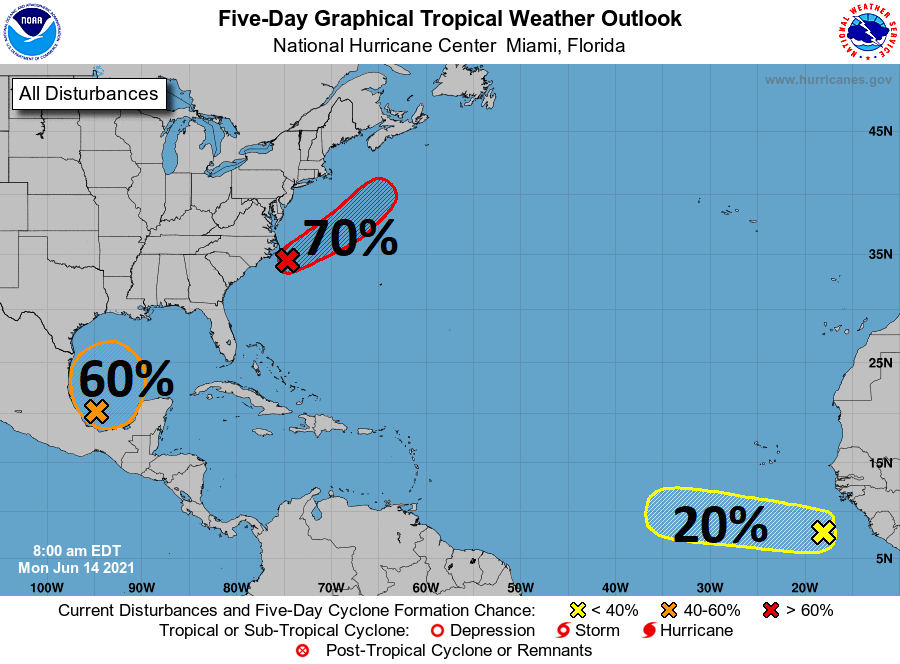
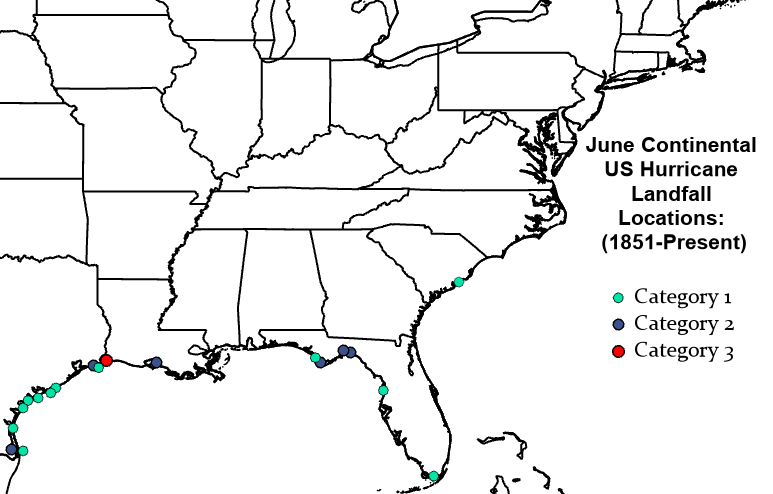
This morning's Atlantic Tropical Weather Outlook looks more like one I would expect to see in September than in June! National #Hurricane Center is currently monitoring 3 areas with a 70%, 60% and 20% chance of development in next 5 days.
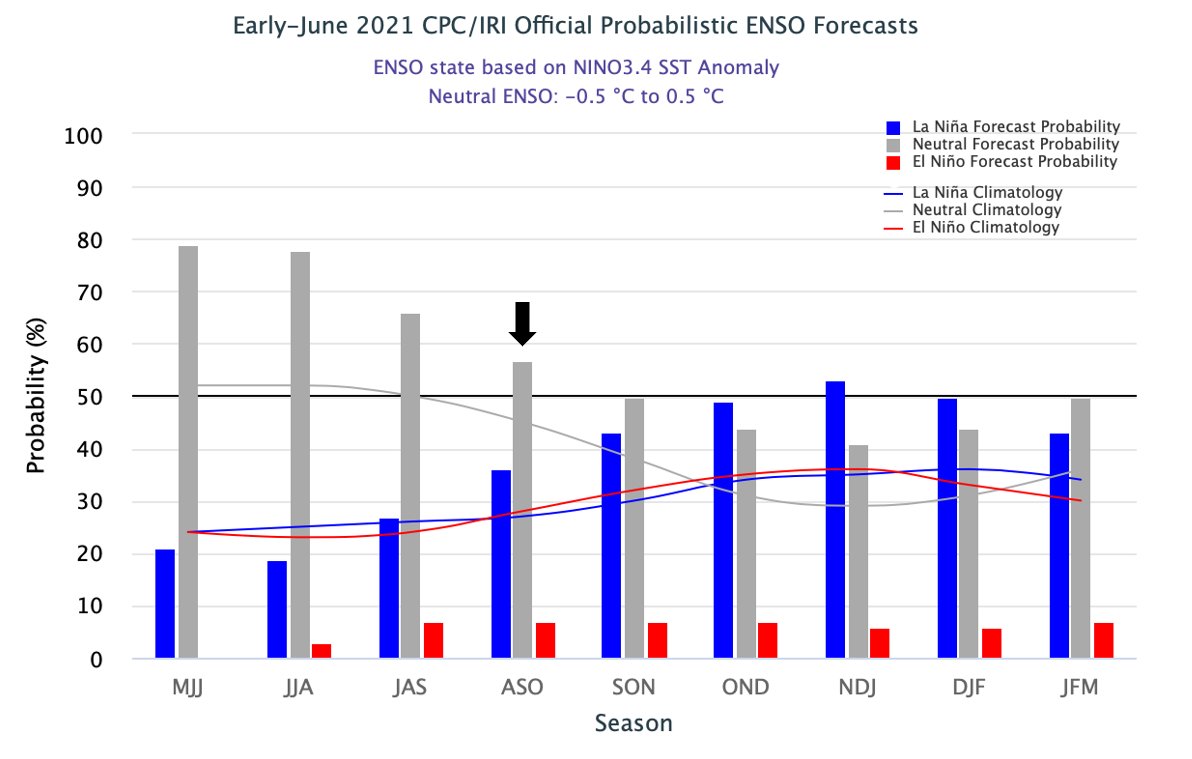
Latest probabilistic ENSO forecast from NOAA continues to call for a very low chance of #ElNino (just 7%) for the peak of the Atlantic #hurricane season (August-October). El Nino typically reduces Atlantic hurricane activity via increases in vertical wind shear.
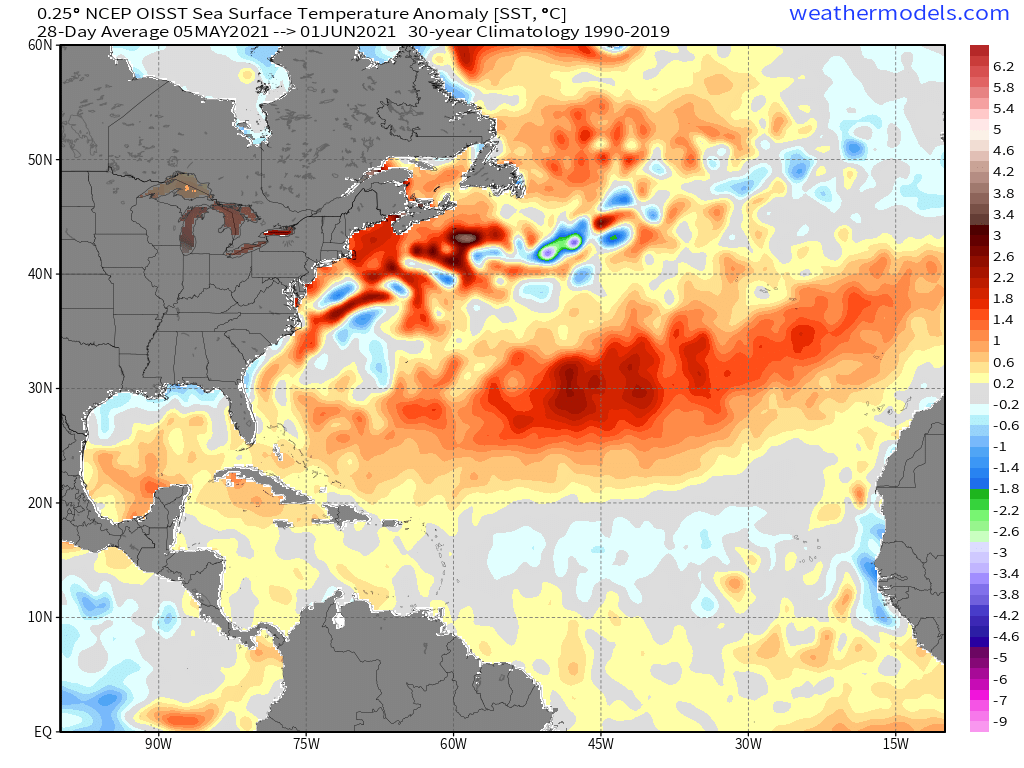
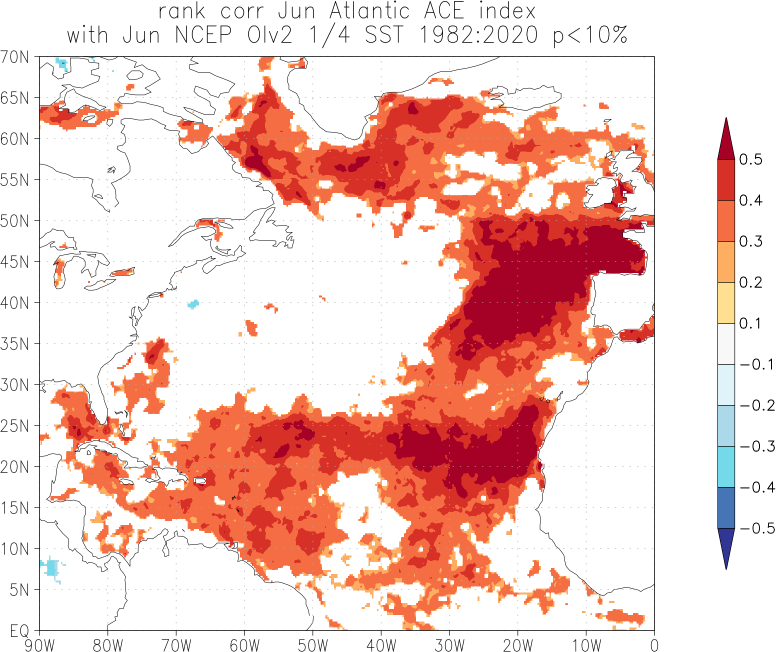
The subtropical Atlantic is much warmer than normal and tropical Atlantic is near average. The region with above-normal SSTs in Atlantic correlates fairly well with typical June SST pattern associated with above-normal #hurricane seasons.
Thank you @AdamGlobalPhone. @EarlyAlertInc appreciates you organizing and we hope everyone who attended found much value and are more prepared for the upcoming Hurricane Season #Hurricane
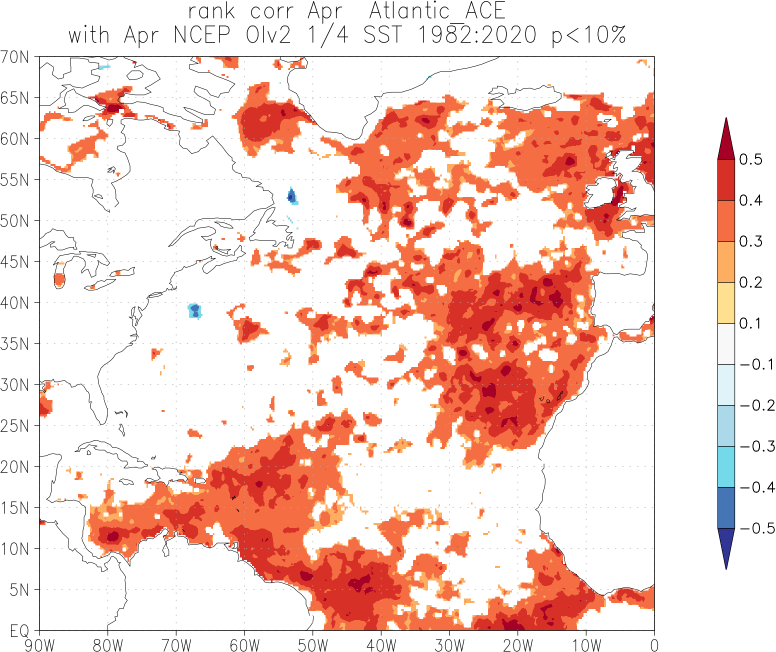
Much of eastern subtropical Atlantic is currently in moderate/strong marine heatwave. Warmer than normal April subtropical Atlantic typically correlates w/ more active Atlantic #hurricane season. Warmer subtropics->weaker subtropical high->weaker trades->warmer tropical Atlantic