What goes into collecting high-quality data? @allenrfrancis takes us through a project with the #WorldBank, where they were evaluating the pink ticket scheme in Delhi.
What protocols were set in place to ensure that the data was high-quality? Watch the video to find out.
Read the blog to explore why India’s rural markets may be one of the most overlooked frontlines of climate change.
https://t.co/mff5JXDG13
#DIA#ClimateChange#Research
From Nepal to Europe, the #climatecrisis is no longer a distant warning, it is reshaping everyday life.
What happens to the places where people buy, sell, eat, and earn their livelihoods?
https://t.co/mff5JXDG13
On #InternationalLiteracyDay, we’re asking: What do you think education institutions should prioritise alongside literacy?
Share your thoughts in the comments below and read this thread to know more about DIA's projects on education 👇
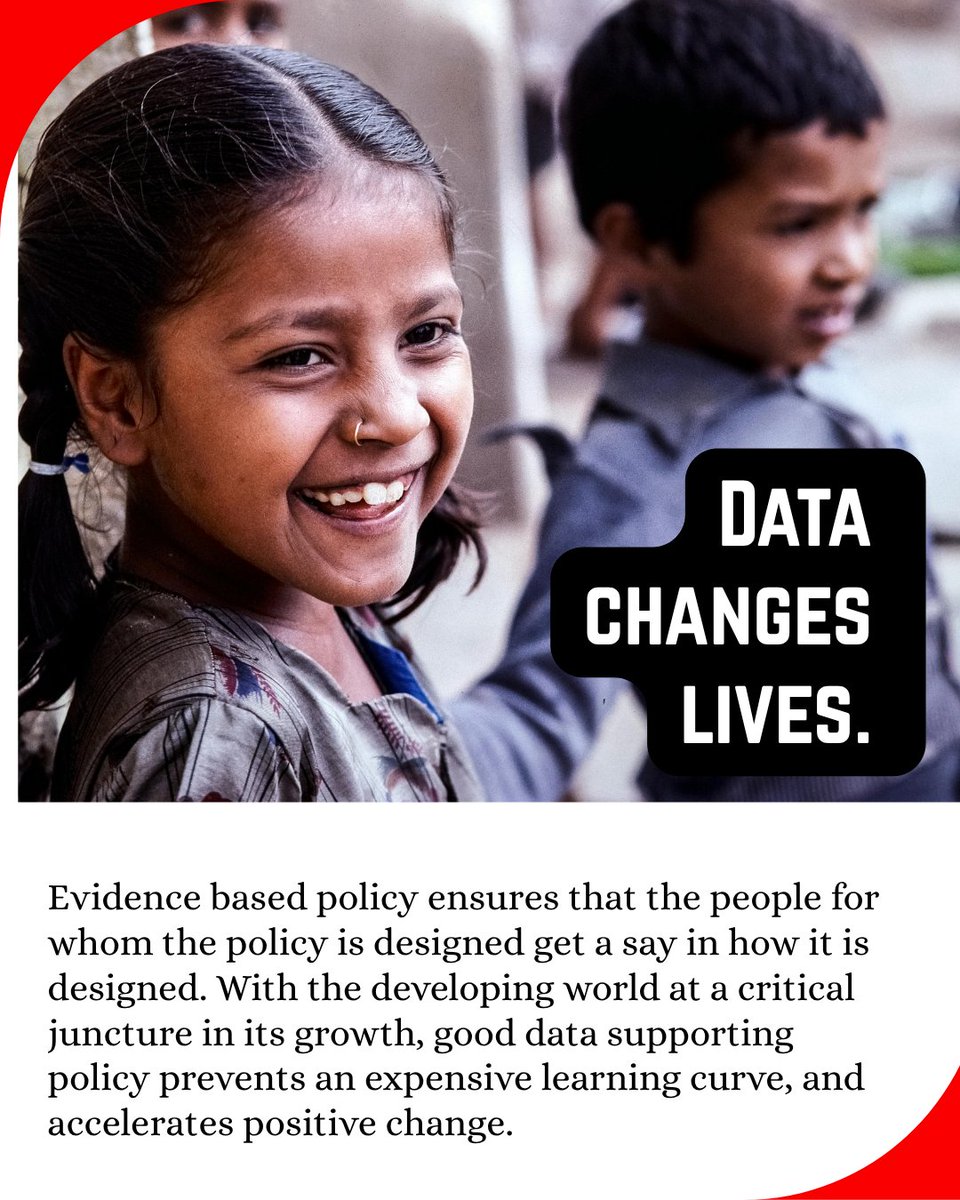
Data changes lives. With the developing world at a critical juncture in its growth, good data supporting policy prevents an expensive learning curve, and accelerates positive change.
Why does high-quality research matter to DIA?
Read this thread, to see how rigorous systems, fieldwork and quality checks help turn data into decisions that change lives.
👇
#DIA#DataInsightsAnalytics#Research
Great data starts before the data. To get good data, you need to have rigorous systems and continuous monitoring that ensures clarity and accuracy. From survey design, coding, logical constraints and pilot testing, making a great sample requires quality at every step.