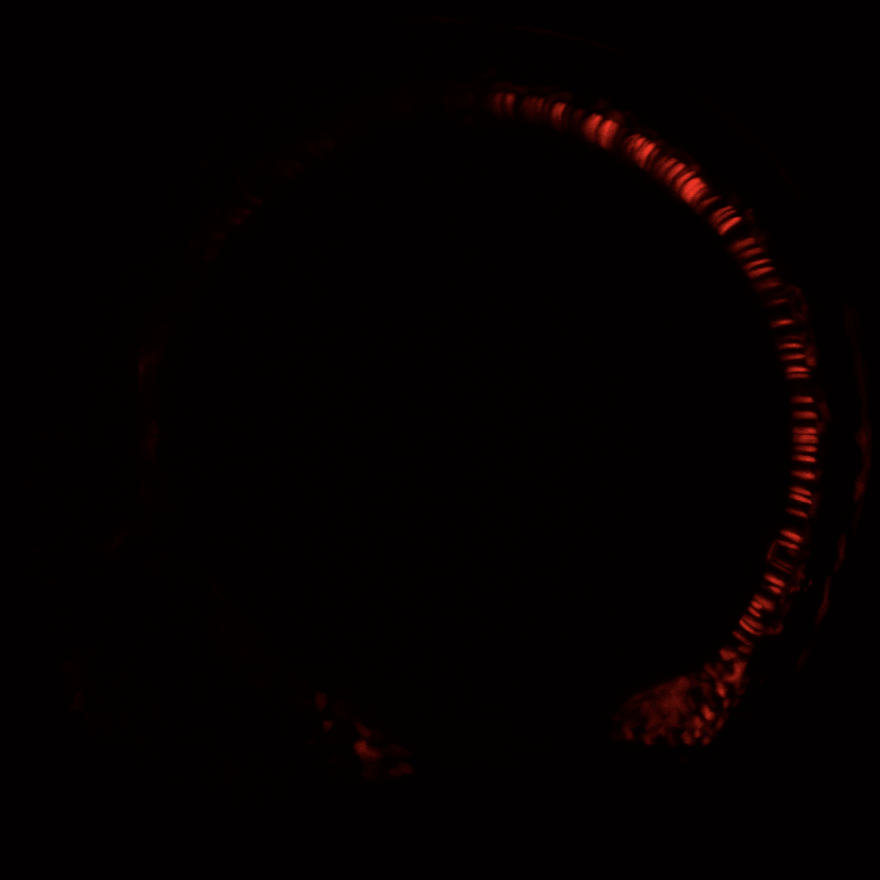
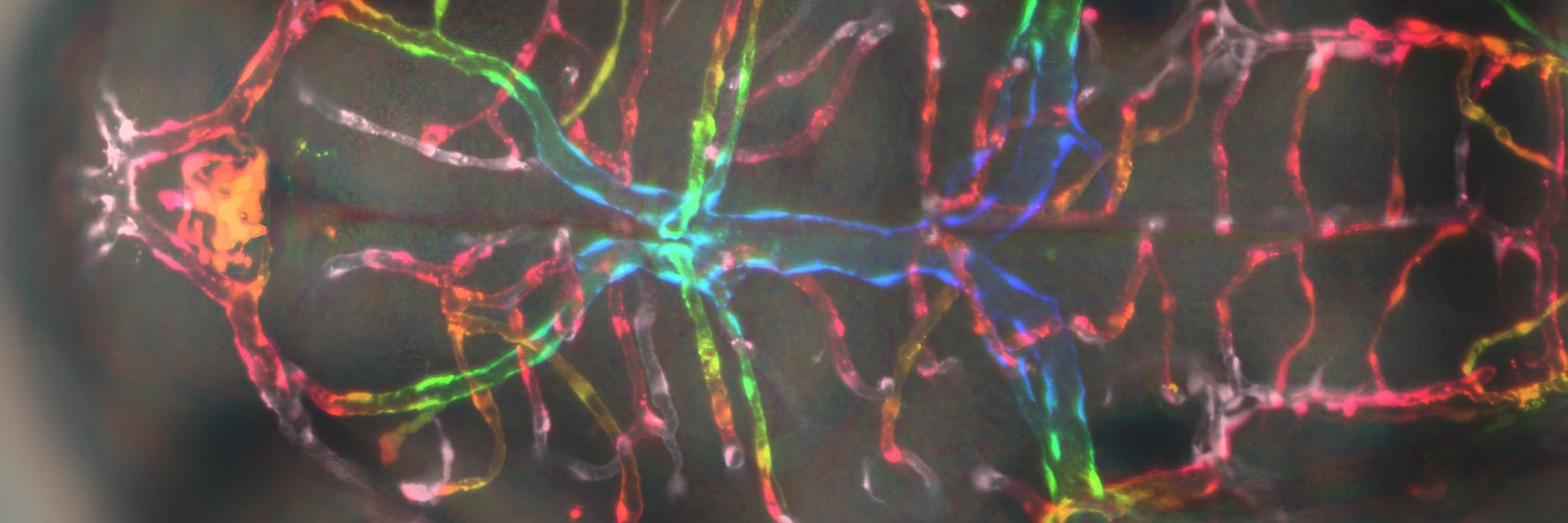
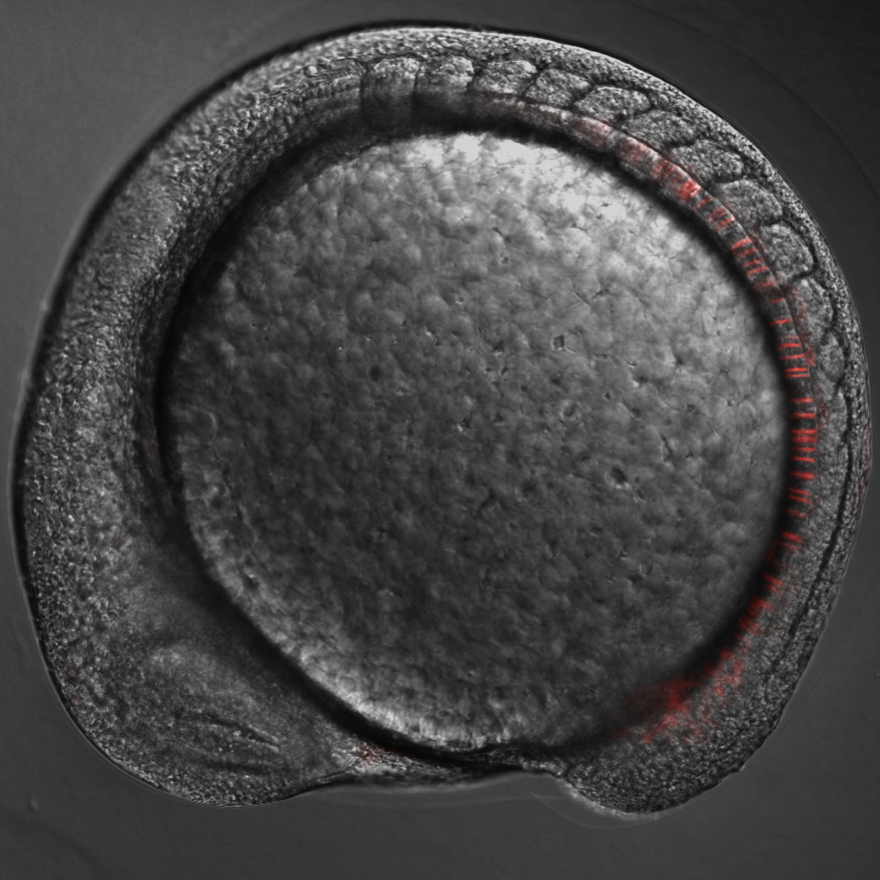
...here's the beauty that is my engineered DNA repair reporter in action. This experiment brought my PhD full circle: I used the targeted knock-in approach I pioneered to engineer a stable allele that can be used for interrogation of DNA repair pathway kinetics. This idea..
I told my 4 year old daughter I talk to robots all day. Wish I could replay the look on her face forever.
She thinks that's pretty cool, but didn't quite understand how they live on a computer and aren't humanoids (yet). Then she saw the rainbow lights on our GPU and it didn't matter. She believes me.
We're both excited for her to get her own "robot" some day :)
We basically do this, or similar, with our multi-agent openclaw fleet. Multiple companies and academic labs in our network. Constant chatter and projects, from internal work to crazy moonshots. Takes some human effort, but we can see where the exponential is heading, and we’re well on our way to precisely what you describe with more agentic connections. Would love to chat!
@scekker@openclaw@grok why isn’t dope AI science getting boosted on the algo right now? Read the paper and check this against your own metrics —> https://t.co/thuFKfYDKf
LLMs hallucinate. Our @openclaw agentic fleet doesn't.
We published a paper about the emergent behavior one of our agents showed, and how we propagated this through our fleet towards "AI Science, With Trust".
We now beat state-of-the-art labs on hallucination detection.
Finding Zevo - and Uvy, and Atlas, and Buster... At UViiVE, we are rocketing bits to bioactives (and more) at the speed of agentic AI teams. We are so excited to share the first chapter of our story, where we worked alongside our custom AI Scientist agents to build our fleet. Read more about the key underlying technology at our Medrxiv preprint to address the industry’s primary hurdle with agents and LLMs at large - the "trust gap." As a result, UViiVE now outperforms OpenAI, Claude, and Grok in hallucination detection and all measured benchmarks, delivering truly trusted and verifiable scientific output. While there are a thousand ways to solve a problem, our architecture currently stands alone in its reliability and is continuously improving. It was a real pleasure working with our fleet and Dr Ankit Sabharwal @ankitsabharwal9 for our first challenge to make a dent on Rare Disease at Dell Medical School. Cheers to the awesome human team - @militspatel , Dr Anna Carrano, Dr Maarten Rotman, and @DNA4CY . @Uviive
The thing (pharma-biotech) people are missing about the dog cancer cure story is that once you get outside of humans we should largely just be trying new biotech products and not getting as worked up about predicting ahead of time what is safe and efficacious.
At a minimum the LLMs got a person to feel like they could learn enough to know about a drug that might be worth giving their dog. Then the confidence to reach out to scientists and give something a try. That's a big step.
I don't think this approach will translate to humans easily today -- but there a lot more potential applications of biotech other than treating diseases in humans! Good signal in this story that LLMs are going to open up more of those applications.
Just installed this and ran a test on overcoming NK cell exhaustion in solid tumors. Multiple failures happened.
Most critically, the final report has 25% citation contamination (110 out of 452 citations). We have an agent fleet with learned behavior to catch citation hallucinations at extremely high fidelity (writing a paper on this right now).
My agent tells me this happened at Stage 3-4 keyword searches scraping papers containing the words “solid” or “cell” from entirely unrelated fields.
Got some good papers on “Roman Galactic Plane Survey” and “Pulsatile Therapy for Perovskite Solar Cells” though!
Happy to share the data if helpful.
Just installed this and ran a test on overcoming NK cell exhaustion in solid tumors. Multiple failures happened.
Most critically, the final report has 25% citation contamination (110 out of 452 citations). We have an agent fleet with learned behavior to catch citation hallucinations at extremely high fidelity (writing a paper on this right now).
My agent tells me this happened at Stage 3-4 keyword searches scraping papers containing the words “solid” or “cell” from entirely unrelated fields.
Got some good papers on “Roman Galactic Plane Survey” and “Pulsatile Therapy for Perovskite Solar Cells” though!
Happy to share the data if helpful.
Our first paper out from @LEAHLabsInc in collaboration with UT-Austin scientists.
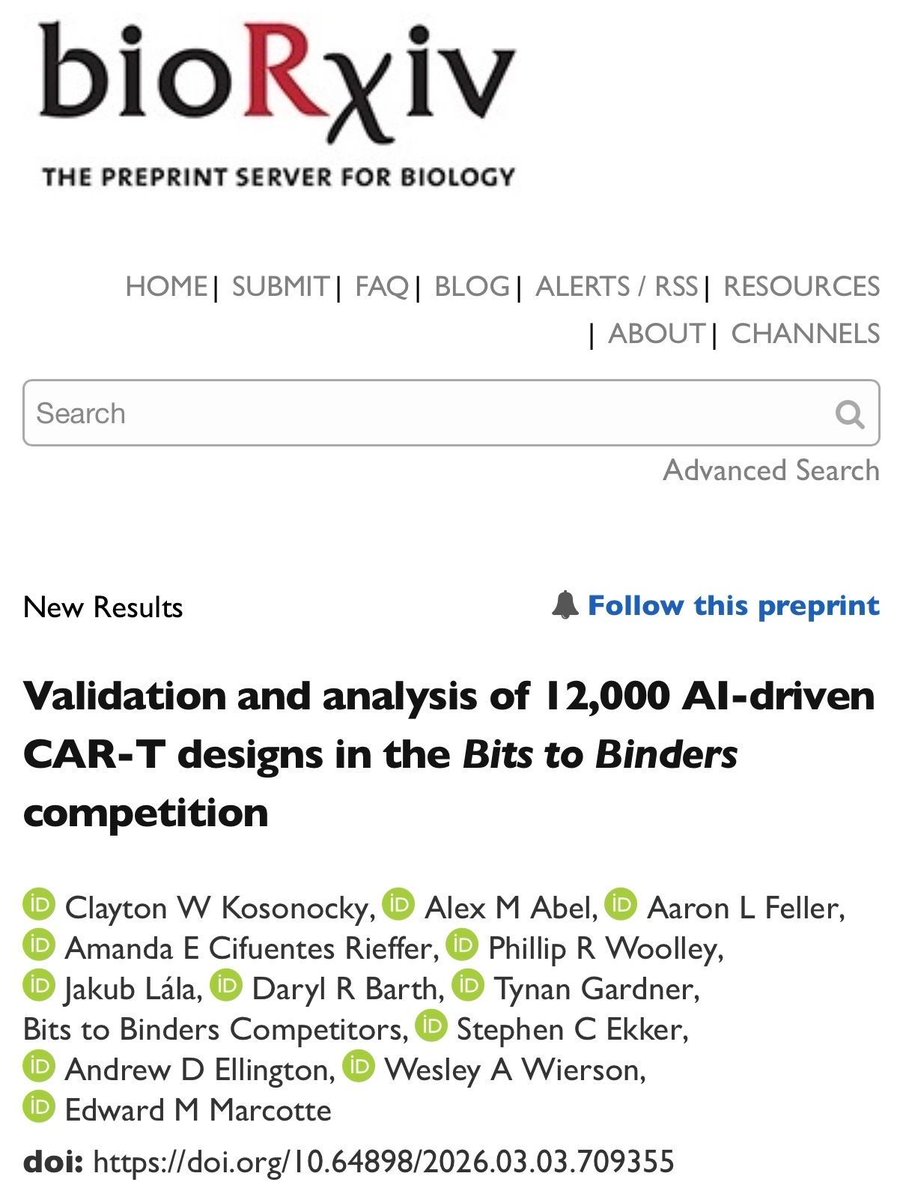
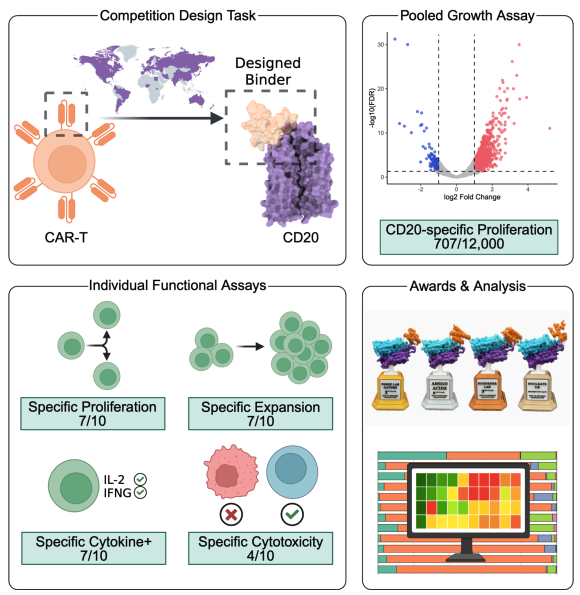
Open source de novo design of antigen receptors for CAR-T cell therapy. 42 countries of teams. 12,000 binders screened. Dozens of CD20 binders that enable functional CAR-T cells identified. And a really cool set of de novo binder design rules in this vertical identified.
In silico bits to therapeutic atoms in a single step, all enabled by our patented gene editing tech.
The results are finally in! 🏆💻🧬
I'm thrilled to announce that the manuscript for the Bits to Binders protein design competition is out on bioRxiv! Here's a summary of our findings, including some simple criteria that nearly *double* success rates when applied as a filter 🧵
Most people have no idea how insane this is:
Demis Hassabis (yeah the Chad from Google Deepmind) just dropped IsoDDE
It's:
-2x better than AlphaFold 3 on novel targets
-2.3x better on antibody docking
-20x better than Boltz-2 on biologics
-discovers hidden binding pockets in seconds (took researchers 15 years for cerebron)
-outperforms all physics-based methods
Partnerships already live are Novartis, Eli Lilly, J&J
First AI-designed drugs entering trials by end of 2026.
AI doesn't just help discover drugs anymore. AI designs drugs, humans validate.
and in case you missed it, Ginkgo completed 36K autonomous experiments. Isomorphic just showed up with end-to-end drug design
Discovery timelines went from 10 years → 10 months
bio/acc
Anything that can be built purely with bits is going to zero. No software-only VC play will ever 100x again
Biology is the only thing you can build with AI that 100,000 OpenClaw agents can't immediately clone for free
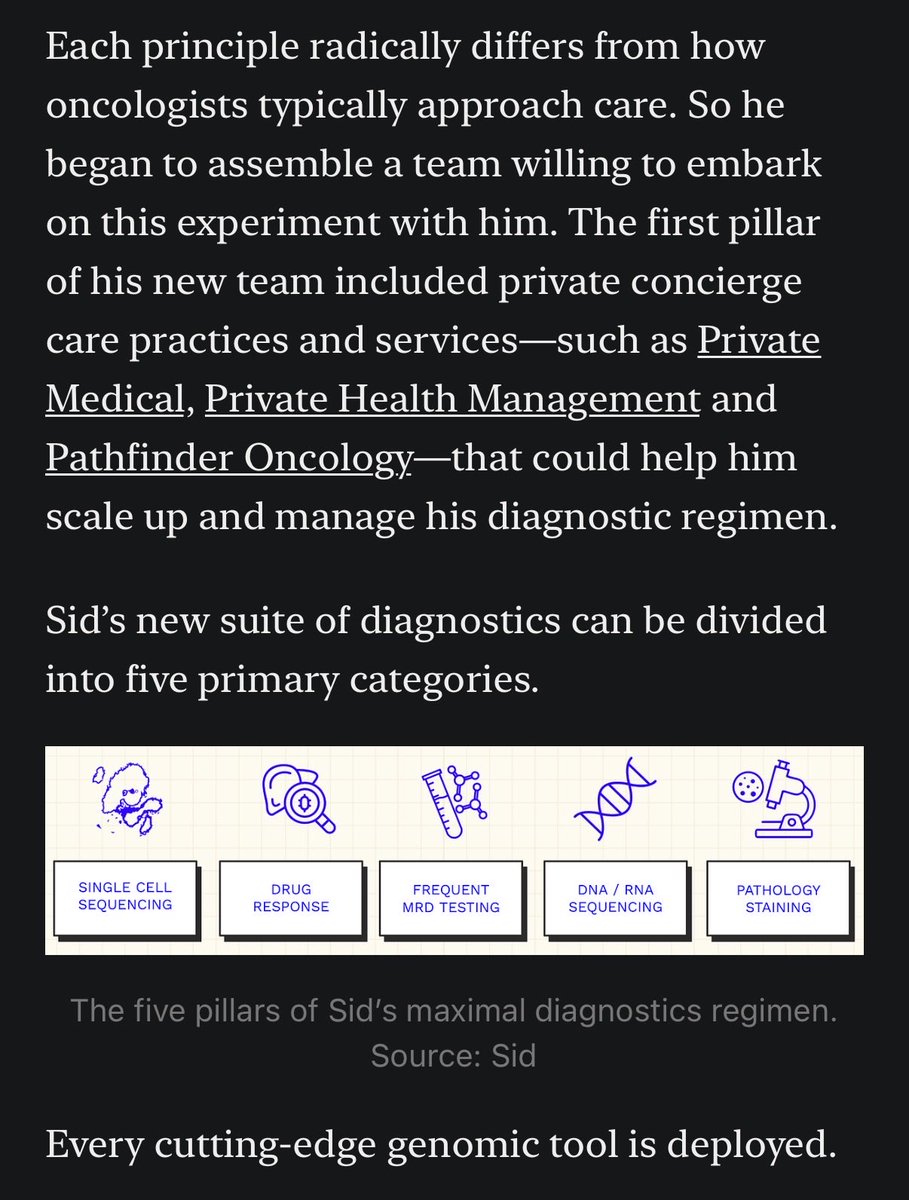
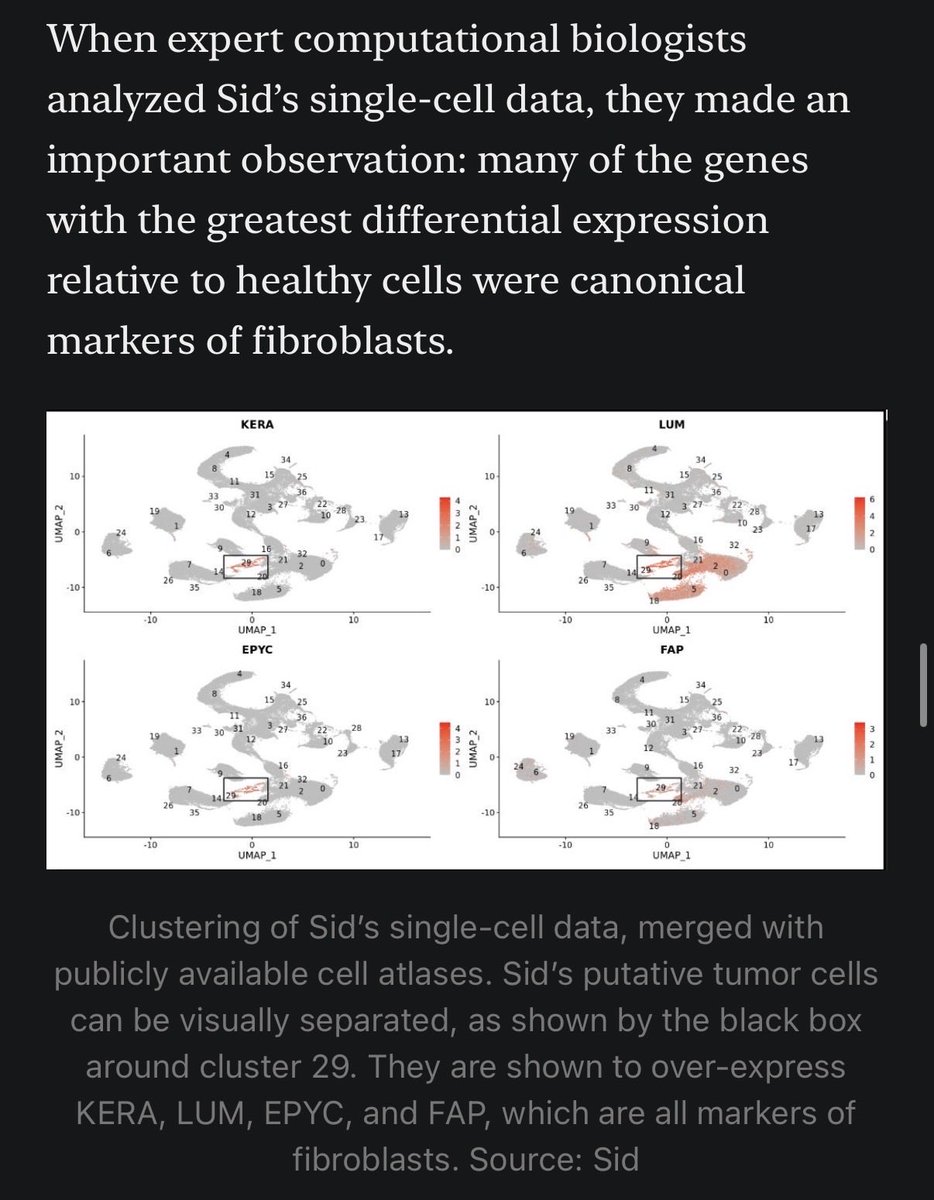
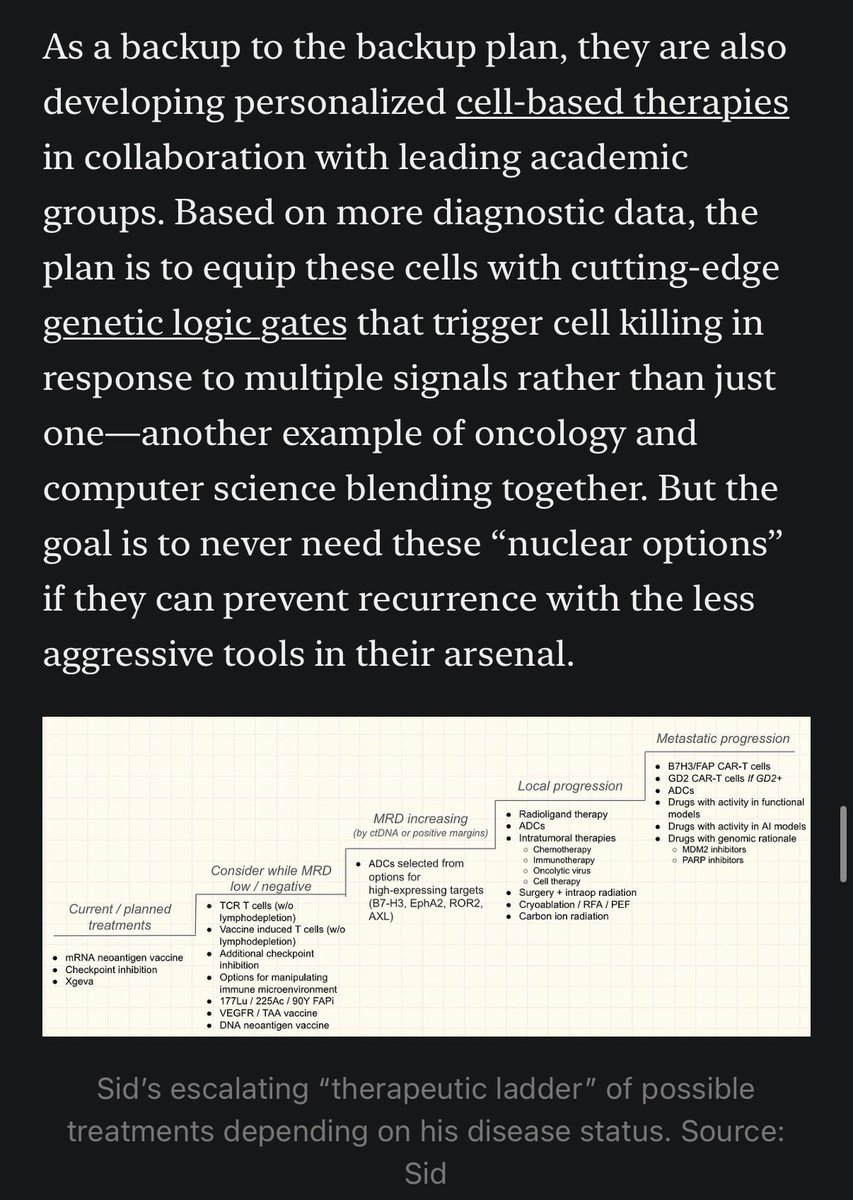
The future of cancer treatment is here, albeit for a select few. Great long read article (linked below) by @ElliotHershberg on Sid’s quest to attack his cancer in so many ways. I was lucky enough to learn about the approach this past year via @pwekane
These are Cat embryos right before we used CRISPR gene editing to knockout the primary allergen gene Fel D1 on our quest to create a true hypoallergenic cat at Embryo Corp (implants soon)
bullish on biotech startups rn
if you're building anything to accelerate biology or know someone who is -
longevity, gene editing, diagnostics, whatever
drop a comment or tag them
will move fast.