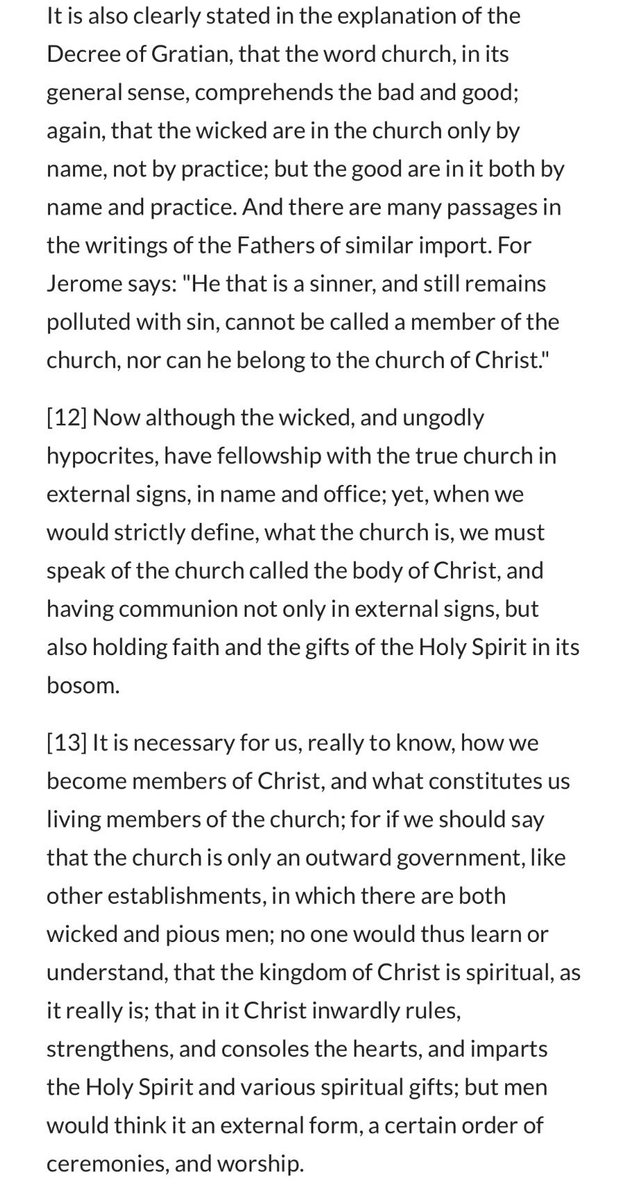
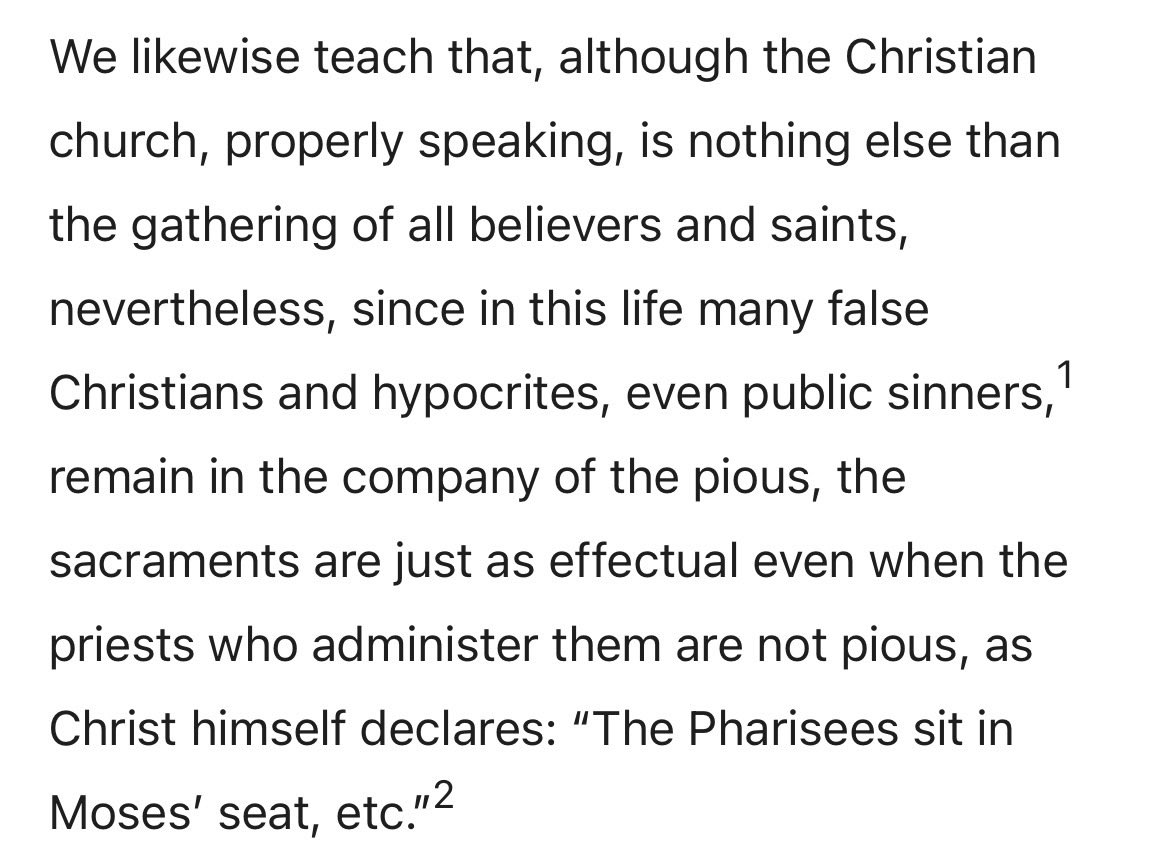
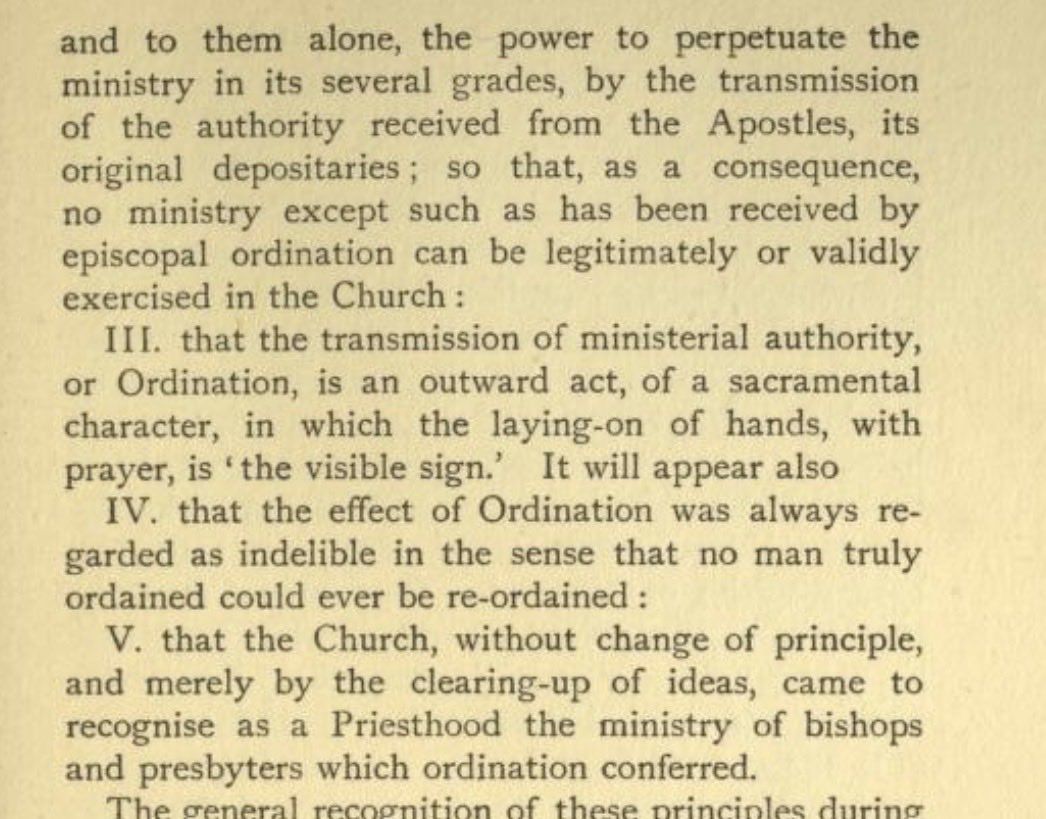
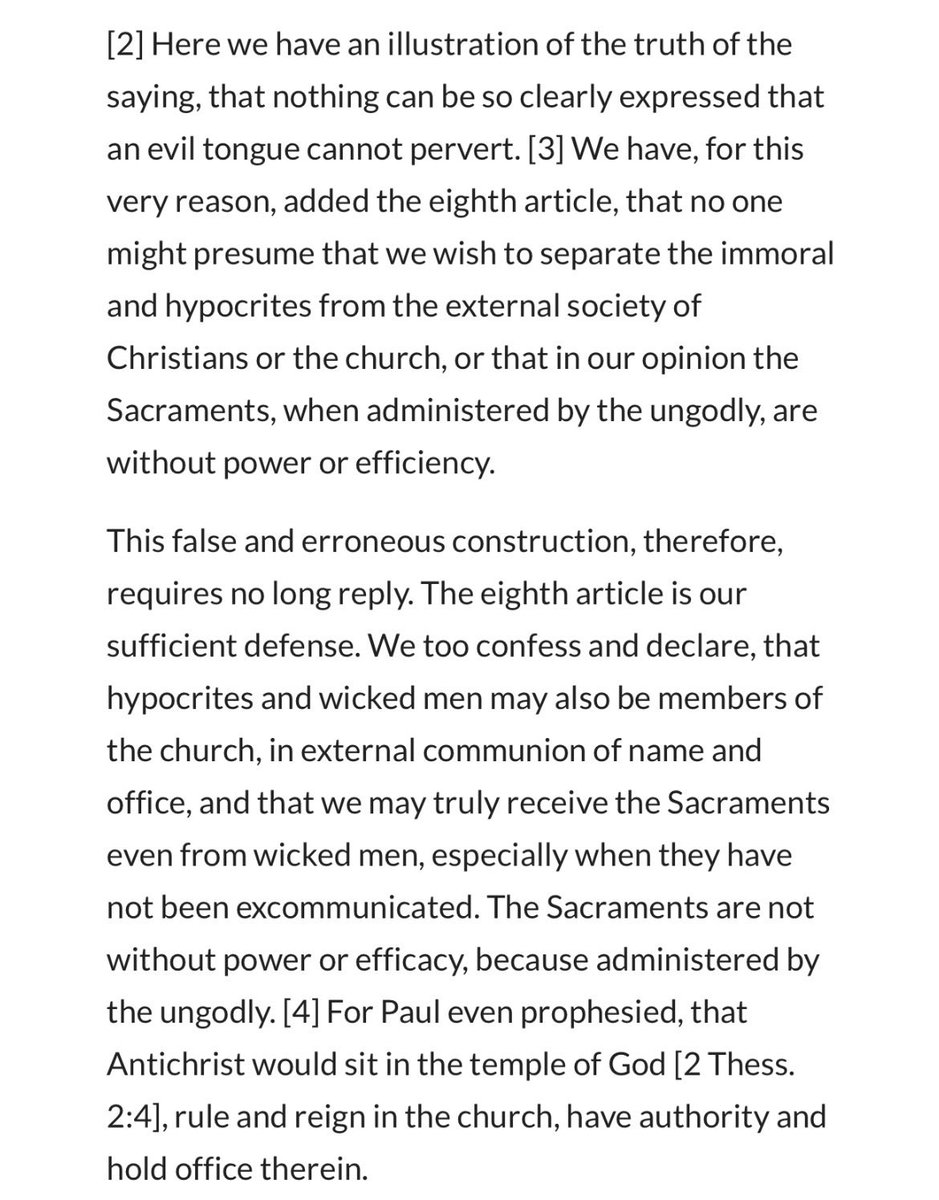
I have several thoughts. I think much of the desire for bishops today depends on an idealistic view of the episcopacy, which does not correspond to the reality on the ground. Episcopacy inherently leads to a lot of political maneuvering for people who want those positions. Power corrupts, including ecclesiastical power. If you've ever spent time with ecclesiastical leaders in any large church body, this is obvious.
Also, what Protestant body with an episcopal structure has retained orthodoxy? It is consistently the case that, after the rise of Protestant liberalism, orthodoxy is more prominent among the laity than the clergy, with bishops often being the cause of the spread and enforcement of heterodoxy. I am not compelled by the argument that bishops are essential to the maintenance of orthodoxy. When the episcopacy is orthodox, it works fine, but when it is not, it can destroy the church.
As Lutherans understand the episcopal office to differ from the presbyterial office only by human rite, rather than functioning as an absolutely distinct office, there is flexibility in terms of exactly what and how much authority is granted to bishops. What the LCMS calls "DPs," or what we call our "Presiding Pastor," could certainly be renamed as bishops; this would be consistent with historic terminology, and thus preferable. However, if this means lifelong appointments and the loss of congregational authority, I think the negative impacts of such decisions would significantly outweigh the benefits.
Pope Leo criticized blanket “remigration” as a solution to the migrant crisis in Europe, saying it doesn’t respect the personhood of foreigners.
“Many times we don't recognize the reasons why these people had to leave their countries. Many reasons: violence, war, conflict. So simply saying, 'We'll send them away, so we can wash our hands of the problem,' doesn't seem like the most Christian response to me. We really need to look at the cases, and above all, treat people with respect as individuals.”
Follow: @AFpost
Christians have always engaged with texts representing the beliefs of their enemies. They were never wont to hide them away. Irenaeus' Against Heretics is a superb example.
Let the reader understand.
And then one day, for absolutely no reason at all, about a third of German voters elected the NSDAP, which then abolished democracy and enforced a one party state.
@Larplandser That alone a nation does not make. Until the 1800s, with European “nationalism” and then colonial boundary-drawing the world was chock full of small nations or large empires (which were made up of many small nations)
I'll always maintain that allowing the continued existence of a German state post-WW2 was a mistake. It's in their nature to try and destroy Europe every century or so. 'Germany' should be a historical aberration confined to history textbooks.