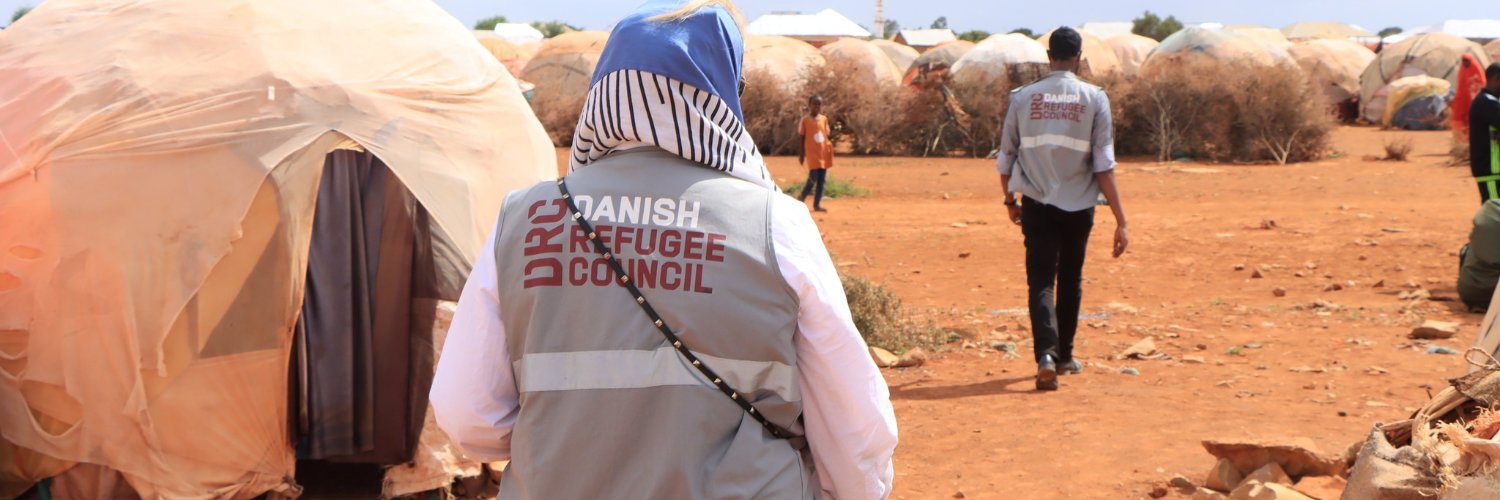
The Danish Refugee Council (DRC) is a humanitarian NGO, non-profit organisation founded in 1956 that works in more than 30 countries throughout the world.
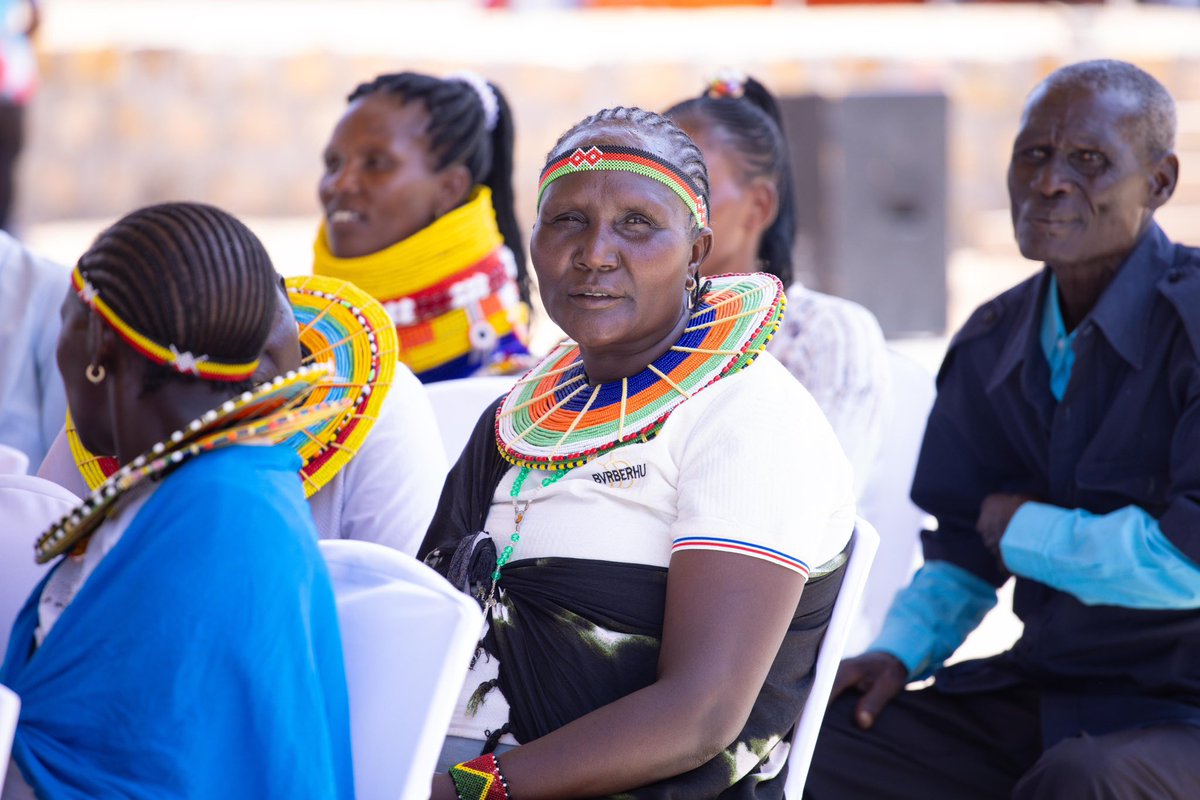
Lokiriama elders conducted intestine reading and predicted heavy rainfall in the coming months. Attended by the national Meteorology Department, the activity was supported by @drckenya through Karamoja Strong Program.
https://t.co/SIlZ6va5tf
Opportunity to action.
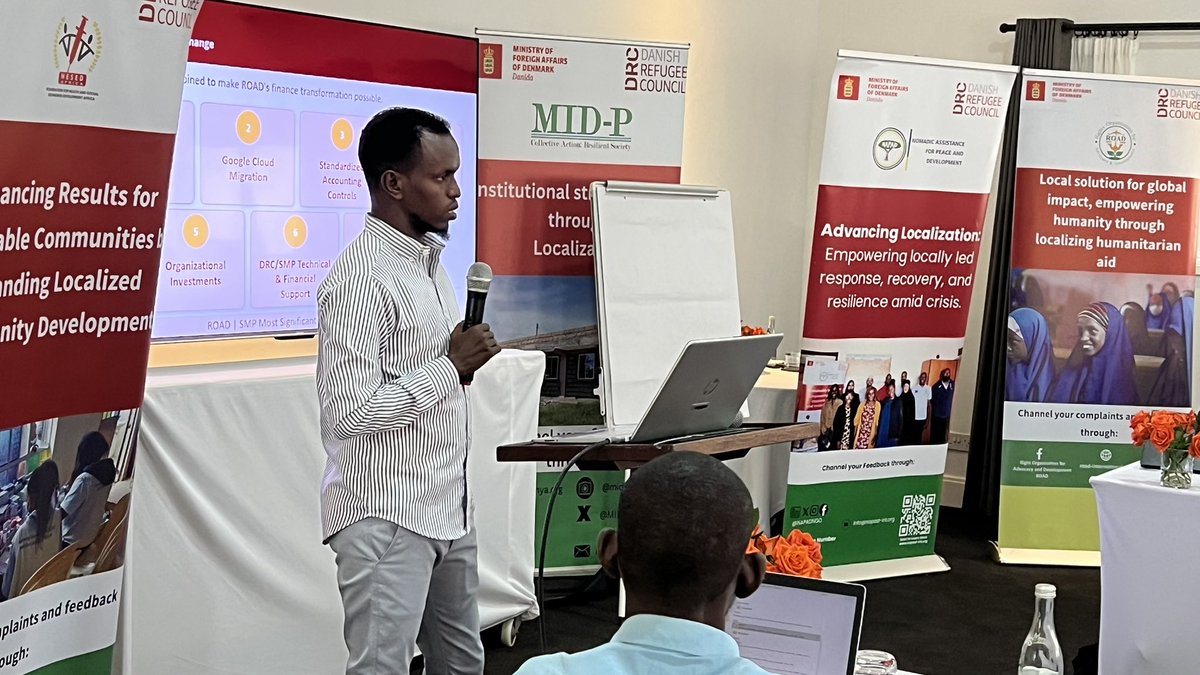
As part of the localization agenda of the SMP programme, HESED Africa with funding from @drckenya brought together CBOs & RLOs for a coordination & learning session focused on strengthening local capacity & advancing community-led solutions
@farmamundi
⛑️ A week after the World Humanitarian Day, France in Kenya reaffirms its commitment to the principles of humanitarian aid : humanity, neutrality, impartiality and independance.
During a working roundtable hosted yesterday with several major humanitarian partners, the French Ambassador to Kenya and Somalia @arnaud_suquet recalled that France has committed €5️⃣8️⃣ million in humanitarian aid to Kenya and Somalia to tackle food insecurity; to support school feeding programmes; to assist women who are victims of gender-based violence; and to protect vulnerable populations in refugee camps.
▶️ In 2026, 🇫🇷 will fund two new projects:
1️⃣ In 🇰🇪 , we are renewing our long-lasting partnership with @Food4Education, which will make it possible to feed 10,600 children daily in Nairobi and Kakamega counties.
2️⃣ In 🇸🇴, we will support the crisis affected communities in Jubaland by integrated nutrition, food assistance and resilient livelihood support, in partnership with Somali Lifeline Organisation and Secours Islamique Français.
✨🙌The smiles, conversations, and queues at the One Stop Shop told a story of access, opportunity, and inclusion. Last week, residents of Ifo, Dagahaley, and Dadaab gathered to access services that are often difficult to reach, demonstrating how improved access can transform lives and livelihoods.
Through the ABLI-G Project's quarterly One Stop Shop (OSS) initiative, government agencies, financial institutions, civil society organizations, and community members came together in a single space to deliver a wide range of essential services. By bringing these services closer to communities, the initiative continues to promote inclusion, convenience, and greater access to opportunities.
The recent OSS was graced by representatives from the @EUinKenya , underscoring the importance of collaborative efforts in advancing community development and self-reliance. During the event, certificates were awarded to Community-Based Organizations (CBOs) and Refugee-Led Organizations (RLOs) that had successfully completed the formalization and registration process, supported by the project in collaboration with the Sub-County Social Development Office (SDO).
This initiative has attracted a growing number of financial service providers, creating opportunities for increased financial inclusion and financial literacy among community members. By connecting people with financial institutions and other key service providers, the One Stop Shop continues to empower refugees and host communities with the knowledge, resources, and opportunities needed to improve their livelihoods and participate more actively in local economic development.
@UN@IOMKenya@DRSKenya@NLinKenya@drckenya@StandardKenya@NationAfrica@GarissaGov@Refugees@HakiKNCHR@KCBInKenya@EUCouncil@KeEquityBank@AbsaKenya@SafaricomPLC@inkomokoKenya@ReDSS_HoA@PPGKenya@PastoralistGirl
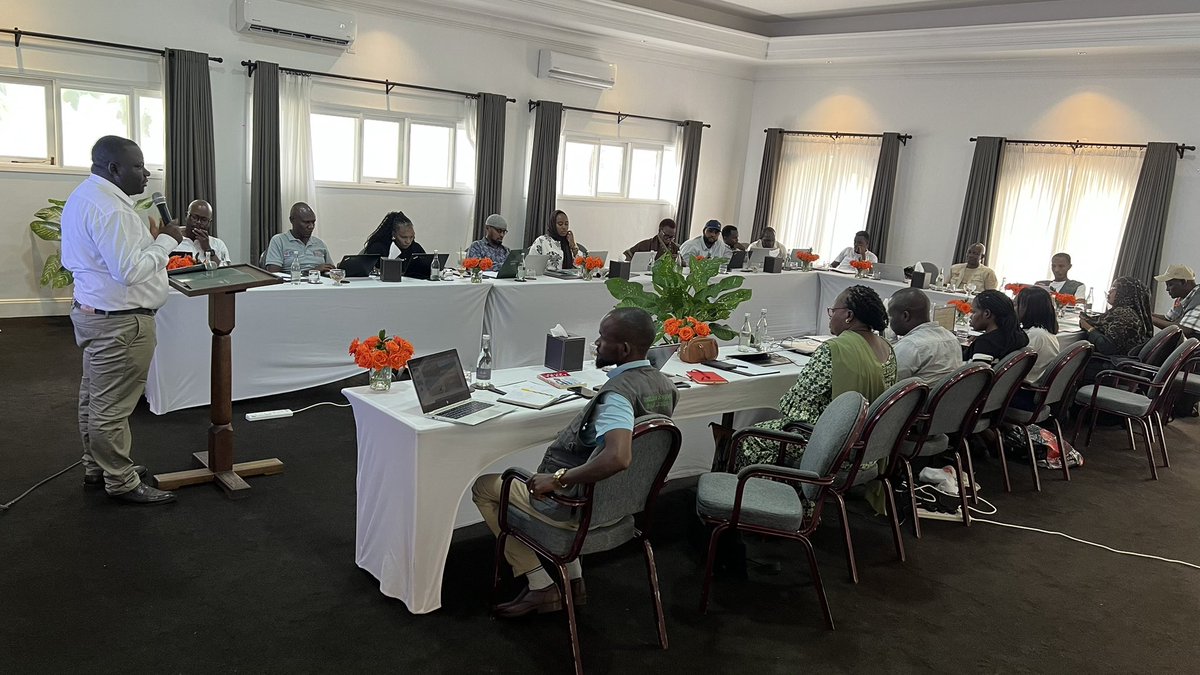
Last week, we took part in a Review and Reflection meeting under the Sustainability Model Programme (SMP), to assess progress, share experiences, and identify lessons learned. The sessions helped to strengthened collaboration and improve implementation through lessons learnt.
𝐋𝐞𝐚𝐫𝐧𝐢𝐧𝐠, 𝐑𝐞𝐟𝐥𝐞𝐜𝐭𝐢𝐨𝐧 𝐚𝐧𝐝 𝐂𝐨𝐥𝐥𝐚𝐛𝐨𝐫𝐚𝐭𝐢𝐨𝐧 𝐟𝐨𝐫 𝐒𝐭𝐫𝐨𝐧𝐠𝐞𝐫 𝐑𝐞𝐬𝐢𝐥𝐢𝐞𝐧𝐜𝐞 𝐏𝐫𝐨𝐠𝐫𝐚𝐦𝐦𝐢𝐧𝐠
Last week, BORESHA-NABAD, through @drckenya, convened a two-day Learning and Reflection Meeting in Mandera town as part of the consortium’s commitment to programme quality, adaptive implementation, and systems-based learning.
The meeting brought together consortium partners statfs, government line ministries, community representatives, private sector stakeholders, fodder cooperatives, LCIG groups, and women leaders.
It provided a platform for reflecting on implementation progress, assessing performance against key indicators, drawing out field-level learning, and sharpening collective approaches to resilience in fragile borderland contexts.
Key areas of focus included:
✅ Reviewing implementation progress and performance against key programme indicators ✅ Sharing community and partner learning to inform adaptive decisions ✅ Strengthening coordination with government, communities, and local market actors ✅ Capturing learning and outcomes across peacebuilding, livestock, fodder, irrigation, and livelihoods systems
Discussions also highlighted knowledge management, outcome harvesting documentation, accountability, implementation challenges, and the need to remain responsive to evolving climate, operational, and security dynamics.
Through continuous learning and collaboration, the #BORESHANABAD consortium leverages public, private, and community partnerships to improve programme delivery and advance responsive resilience programming across the borderlands.
A high-level delegation from the Government of Sweden 🇸🇪 and the @SwedeninKE visited Nkomezi Espoir, a D.R. Congolese refugee entrepreneur in Kamukunji, Nairobi witnessing first-hand the impact of financial inclusion through @drckenya project.
#preventionofmigration
2/2: Across 🇰🇪, 🇸🇴 and 🇪🇹, the EU-funded BORESHA-NABAD programme has facilitated 350 learners through @RACIDA, linking graduates to BDS, apprenticeships and private sector actors to strengthen job readiness, enterprise pathways and income generation in borderlands. #Resilience #BORESHANABAD
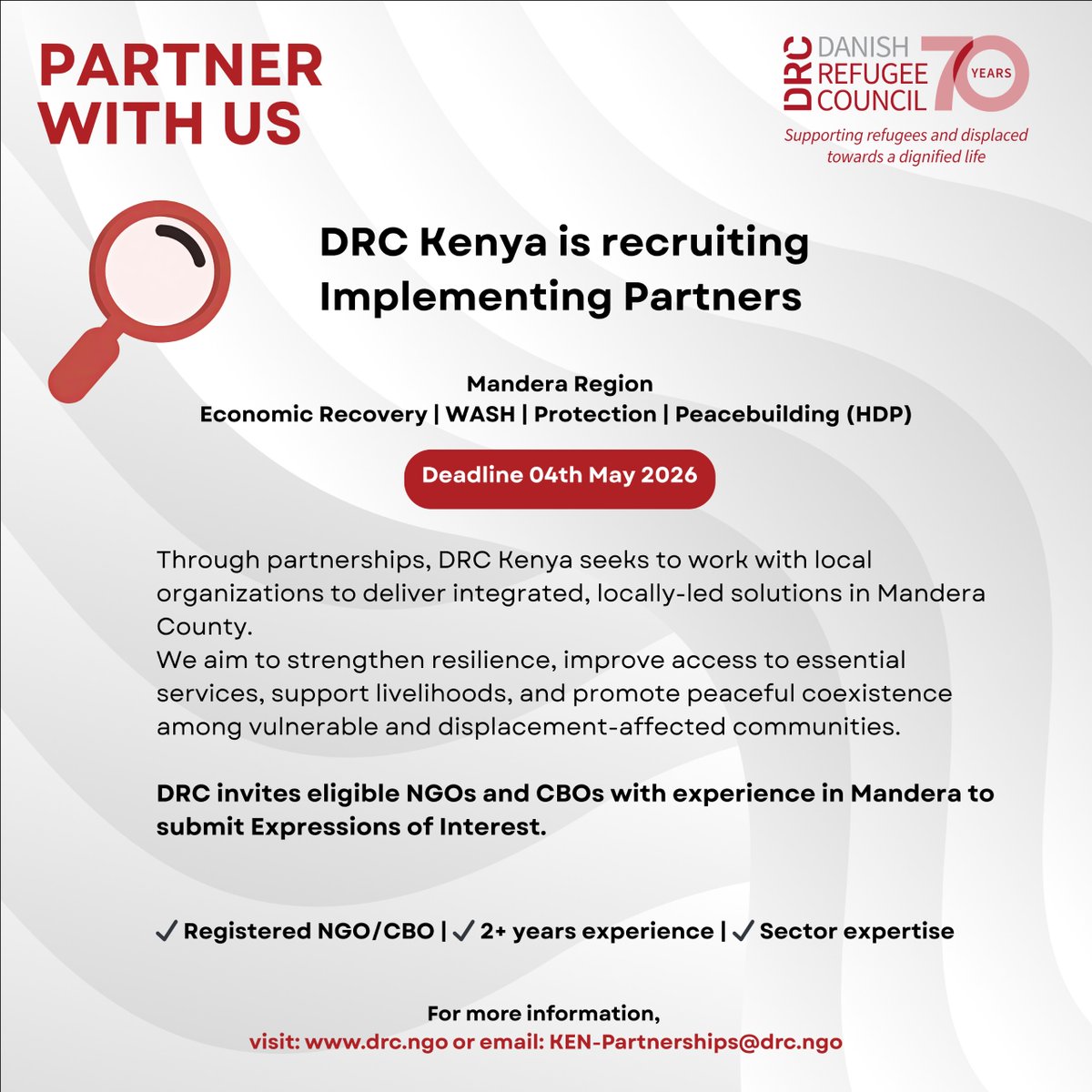
DRC Kenya is inviting NGOs & CBOs to partner in Mandera on Economic Recovery, WASH, Protection & Peacebuilding (HDP).
📍 Mandera
🗓 Deadline: 4 May 2026
Apply 👇
https://t.co/Ugy838nhR1
#DRCKenya#Partnerships#Localization
The Danish Refugee Council (@drckenya ), working with the Coca-Cola Foundation, has brought together dozens of waste reclaimers for a three-day training under the Fair Recycling Project 2.0—an initiative aimed at formalizing waste reclaiming and restoring dignity to those who have long operated outside formal systems. Read👇🏿
https://t.co/T9JCqeagKm
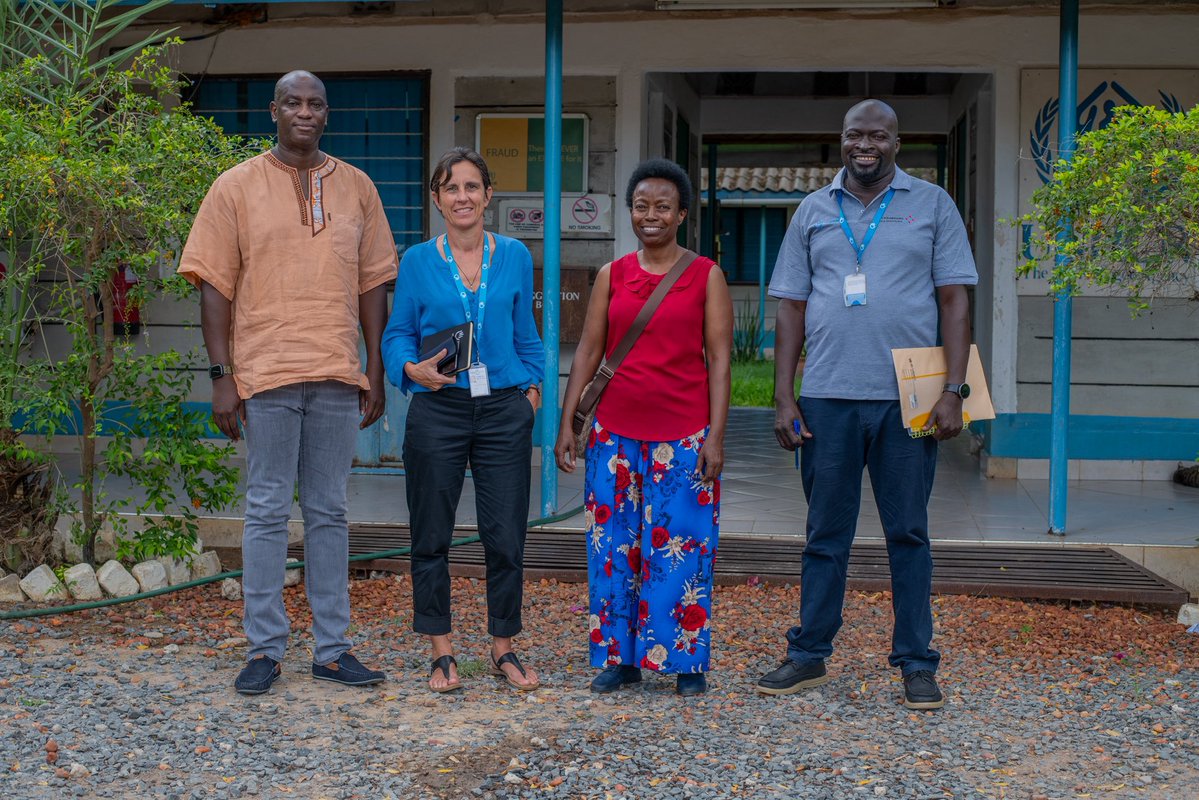
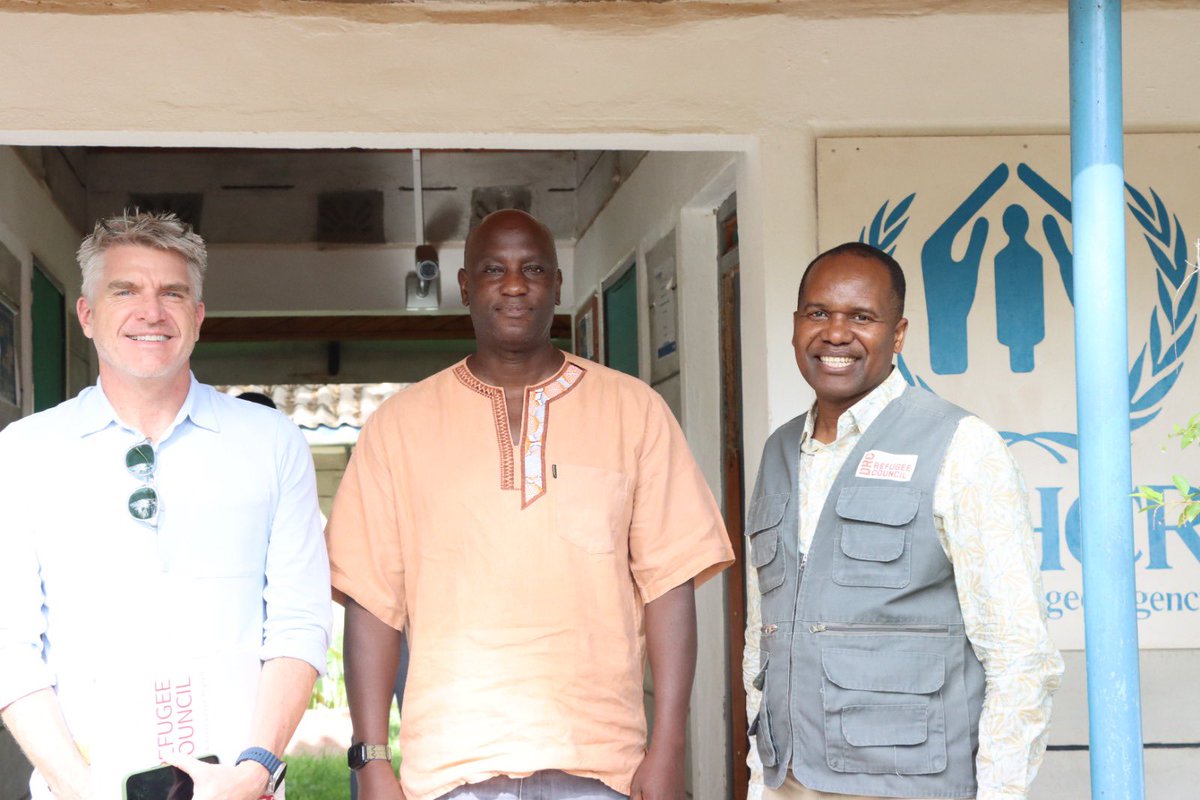
Earlier this week in Dadaab, I had the honour of receiving delegations from Humanity & Inclusion (HI) and the Danish Refugee Council (DRC), two partners whose sustained presence and principled engagement continue to shape protection and inclusion outcomes for refugees and host communities in one of the world’s most protracted displacement contexts.
Dadaab today faces complex, overlapping challenges: chronic underfunding, camp congestion, climate‑induced shocks, deteriorating infrastructure, rising protection risks, and growing psychosocial distress driven by prolonged uncertainty. These pressures are compounded by a large population of women and children, youth, older persons, persons with disabilities, survivors of violence, and individuals living with less visible vulnerabilities, whose needs too often remain under resourced.
In discussions with Margaret Nguhi, HI Country Director, and Marie‑Cécile Turner, Regional Director for Central, Eastern and Southern Africa, we reflected on HI’s critical work, from physical rehabilitation, provision of assistive devices, and functional therapy, to disability inclusion mainstreaming and community‑based psychosocial support. We agreed on the urgent need to scale up Mental Health and Psychosocial Support (MHPSS), particularly for refugees experiencing trauma, social isolation, and long‑term dependency. Equally important is strengthening support for older persons and people with unseen or multiple vulnerabilities, whose dignity, autonomy, and care are increasingly strained by service gaps and resource constraints.
My engagement with Simon Nzioka, DRC Country Director, and James Curtis, Executive Director for East Africa and the Great Lakes, underscored the centrality of high quality protection services at a time when humanitarian financing continues to shrink. DRC’s work in Dadaab, including protection monitoring, legal assistance, child protection, GBV prevention and response, and community‑based protection remains vital as risks related to documentation, movement restrictions, negative coping mechanisms, and violence persist. We reaffirmed the need to protect quality, accountability, and access, even as we adapt to fiscal realities.
Looking ahead, we must collectively improve inter‑agency coordination, invest in data and evidence to better target limited resources, and strengthen community engagement, ensuring affected populations are agents of change rather than passive recipients. As we advance the implementation of the SHIRIKA Plan and the continued rollout of the GISEDP, deeper collaboration, inclusion, and innovation will be essential to navigating today’s constraints while laying the foundations for more sustainable outcomes.
I commend both HI and DRC for their impactful and principled work in Dadaab, and I look forward to strengthening our partnership as we collectively respond to evolving needs with clarity, solidarity, and resolve.
#Dadaab #HumanitarianAction #Protection #DisabilityInclusion #MHPSS #Refugees #Partnership #AgingWithDignity #SHIRIKA #GISEDP #LeaveNoOneBehind
Accountability in action!
PARTOCA shared the ADAPT report back with communities & authorities because research should belong to the people it represents.
https://t.co/gqblJYr4tr
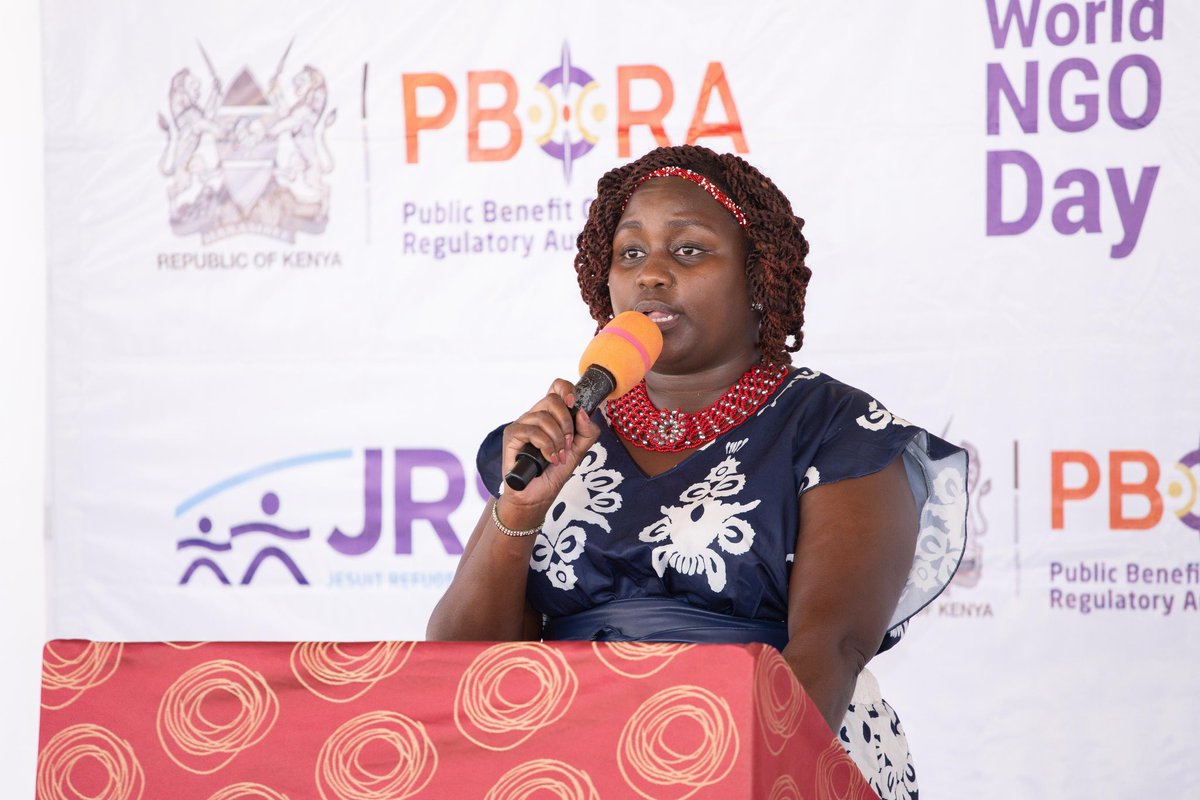
“We appreciate the PBORA for its commitment to establishing an enabling environment for the PBOs to operate. We call upon PBOs to focus more on sustainability and localisation of programs and to uphold the highest standards of transparency and accountability” - Dr. Jacob Khaoya - Deputy Chief of Party, Amref.
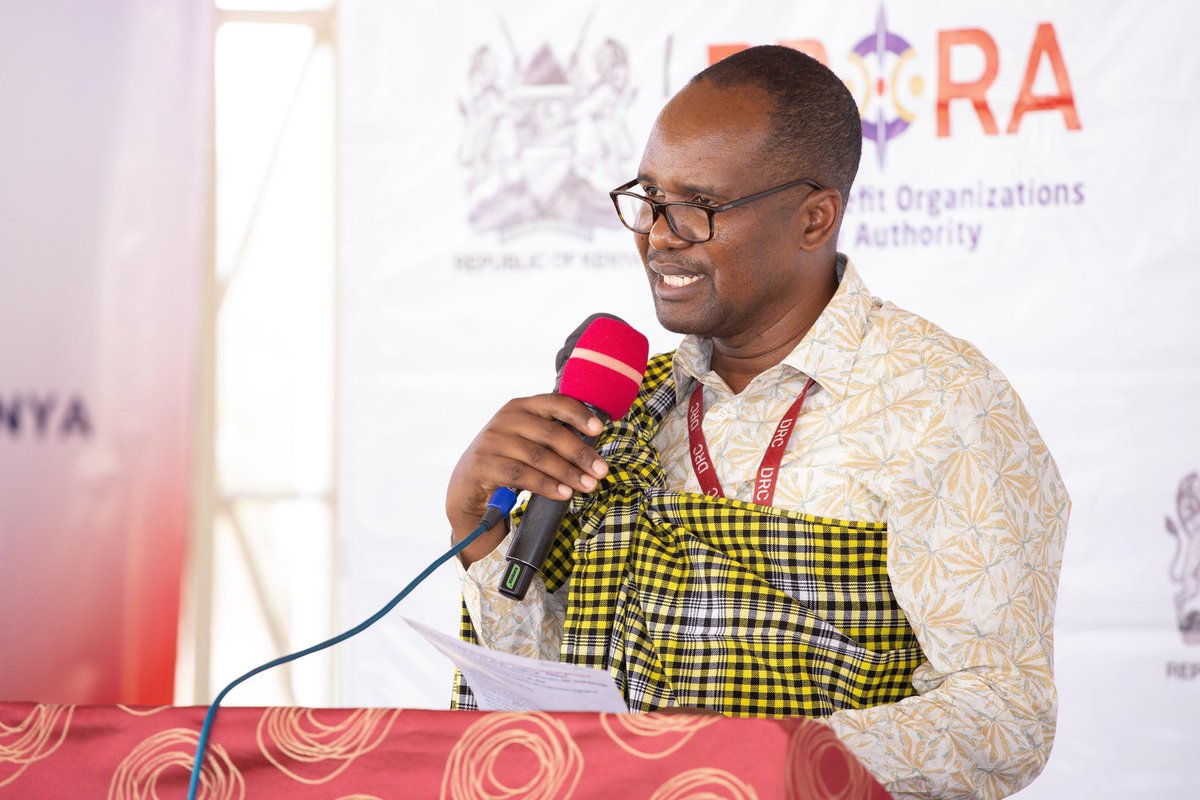
“The government of Kenya has been on the forefront in providing a conducive environment for PBOs to operate and we are grateful for that. The Shirika Plan is a transformative journey and its timing is good. We will complement government efforts and ensure that community voices inform programming to achieve the objectives of the Shirika Plan. With the PBO Act, we believe that the PBOs are now in a safe place - “Simon Nzioka, DRC Country Director.
#WorldNGODay2026 #Turkanacounty #Shirikaplan
“The Public Benefit Organizations Regulatory Authority plays a pivotal role in strengthening the partnership between Government & civil society.
Beyond regulation, PBORA serves as a bridge — ensuring PBO operations align with national development priorities while respecting sector independence & expertise.
We commend the Authority for convening this #WorldNGODay and for its commitment to strengthening Kenya’s enabling environment for PBOs.
Success is a refugee child in Kakuma attending a government school, learning alongside Kenyan children, and dreaming of becoming a doctor, engineer, or teacher.
Success is a Somali refugee woman in Dadaab running a business, employing both refugees & Kenyans, and contributing to the local economy.
Success is a Turkana pastoralist accessing water & healthcare alongside refugee neighbours — children playing together, communities living in peace.
It is showing the world that refugees are not a burden, but an opportunity.
This is the promise of the #ShirikaPlan. This is the future we are building together.
Since independence, Kenya has stood as a beacon of hope for those fleeing conflict & persecution.
Today, Kenya hosts over 836,000 refugees & asylum seekers in Dadaab, Kakuma & urban areas including Nairobi.
The Shirika Plan marks a bold shift — from a humanitarian aid model to a development-centred approach.
It seeks to transform camps into integrated settlements where refugees & host communities access education, healthcare, economic opportunities & social protection together.”- Mr. Jacob Nareng’o PAS
“We acknowledge the critical role played by PBOs — especially here in Turkana.
We have seen the impact of DRC, IRC, SNV, AMREF, AAR Japan, World Vision, TUPADO, Plan International & many others.
The transition to the PBO framework will not disrupt genuine operations.
However, verification will be conducted to safeguard integrity and accountability within the sector.
PBOs must also exercise due diligence with donors. Do not allow yourselves to be used as conduits for money laundering or terrorism financing.”
- Dr. Laxmana Kiptoo, Director General, PBORA
#WorldNGODay #PBOAct #ShirikaPlan #PartnershipForImpact
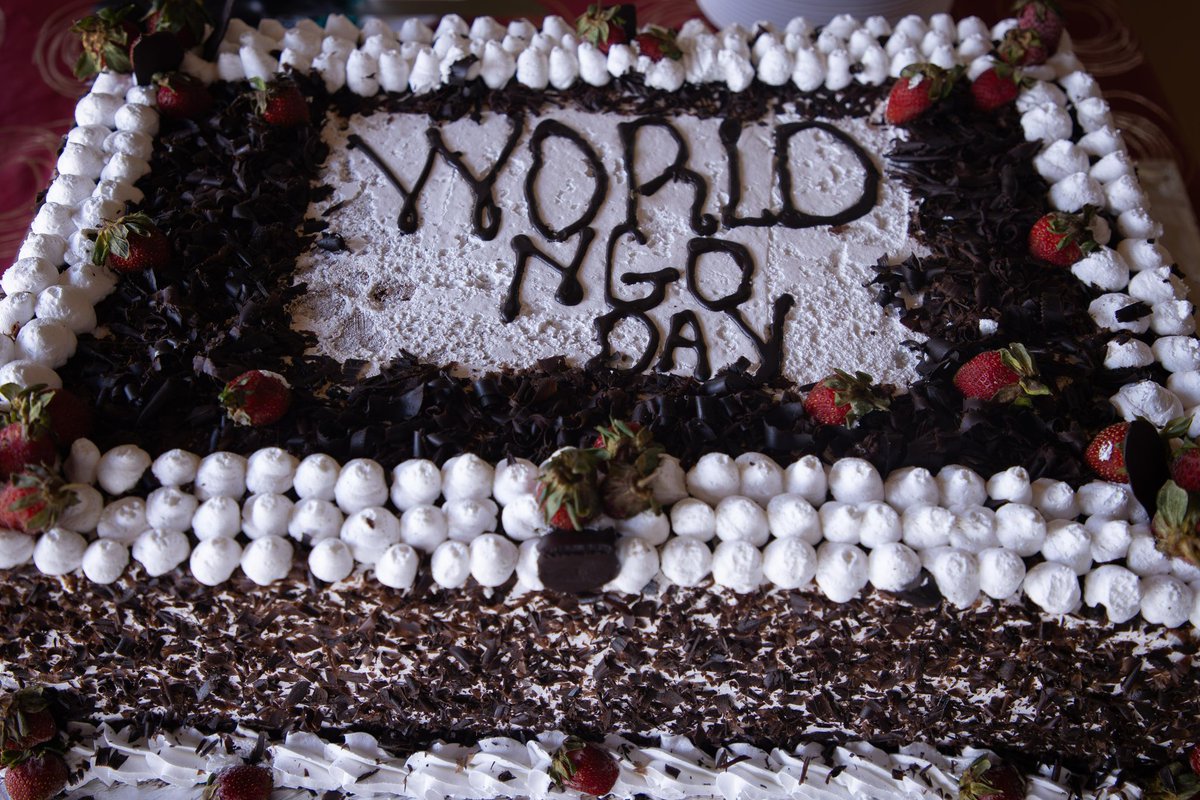
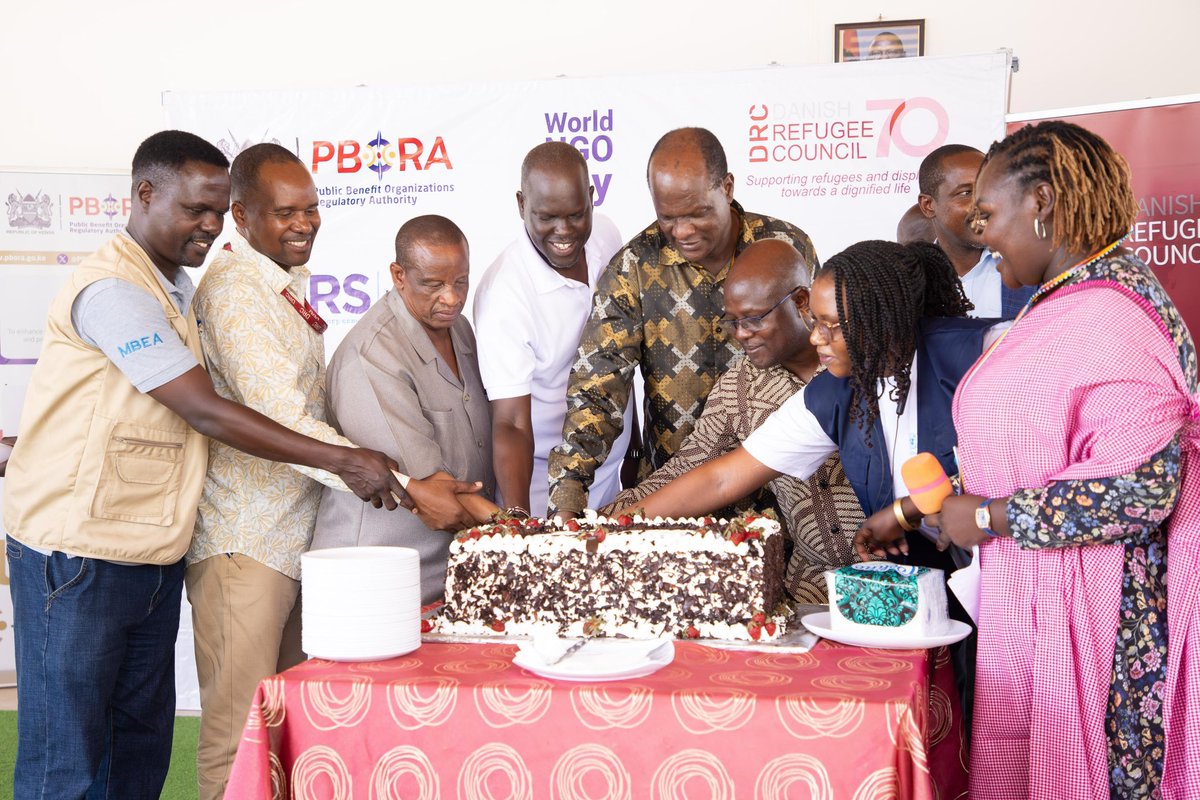
As we cut the cake, we celebrate more than a day, we celebrate impact, partnership, and lives transformed.
#WorldNGODay reminds us that when Government, PBOs, and communities work together, change is not just possible — it is inevitable.
Here’s to stronger collaboration, greater accountability, and a future built on shared purpose. 🌍✨
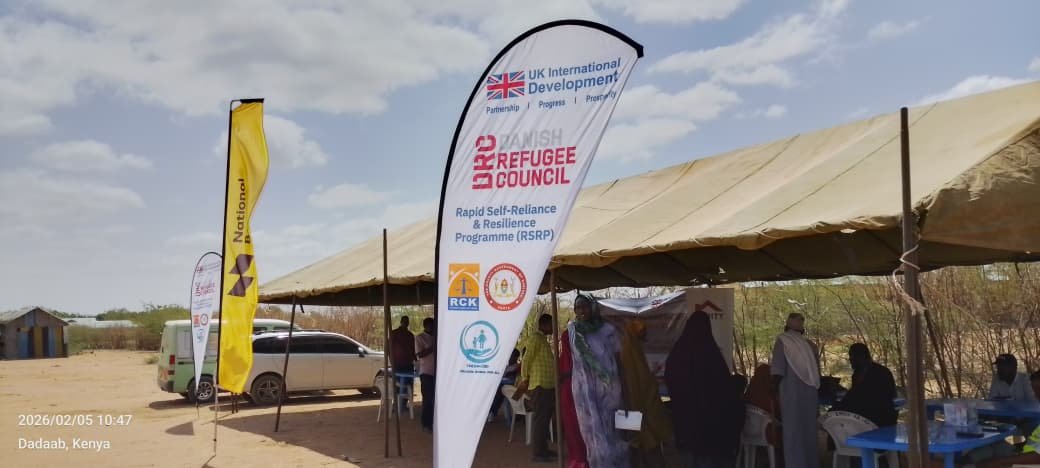
Through the FCDO-funded #RSRP, DRC and partners are bringing business support closer to refugees & host communities in Dadaab through the Dadaab One Stop Shop. From business formalization to financial access, MSMEs can grow, build resilience and achieve self-reliance @UKinKenya