Over the summer, Digital Security Lab Ukraine investigated a series of phishing campaigns targeting Ukrainian civil society organizations. Attackers sent fake event invitations and collaboration offers – including invitations to the Ukraine Recovery Conference 2026 – followed by malicious files disguised as legitimate documents.
After execution, the malicious files created Windows scheduled tasks used to download and execute malware and establish persistence on the system.
@Microsoft recently published a broader investigation, which also incorporated data from our research.
Microsoft named this technique RedFlick and linked the attacks to Star Blizzard (aka Coldriver/UNC4057), which is linked to Russia’s FSB.
Also, our colleagues at @RESIDENT_NGO documented similar campaigns targeting Moldovan media and civil society in September, with threat actors impersonating European donor organizations.
Researches:
🔗 https://t.co/QdOLVTWUtn
🔗 https://t.co/qgoeVS5Wp8
🔗 https://t.co/F07PK3650Y
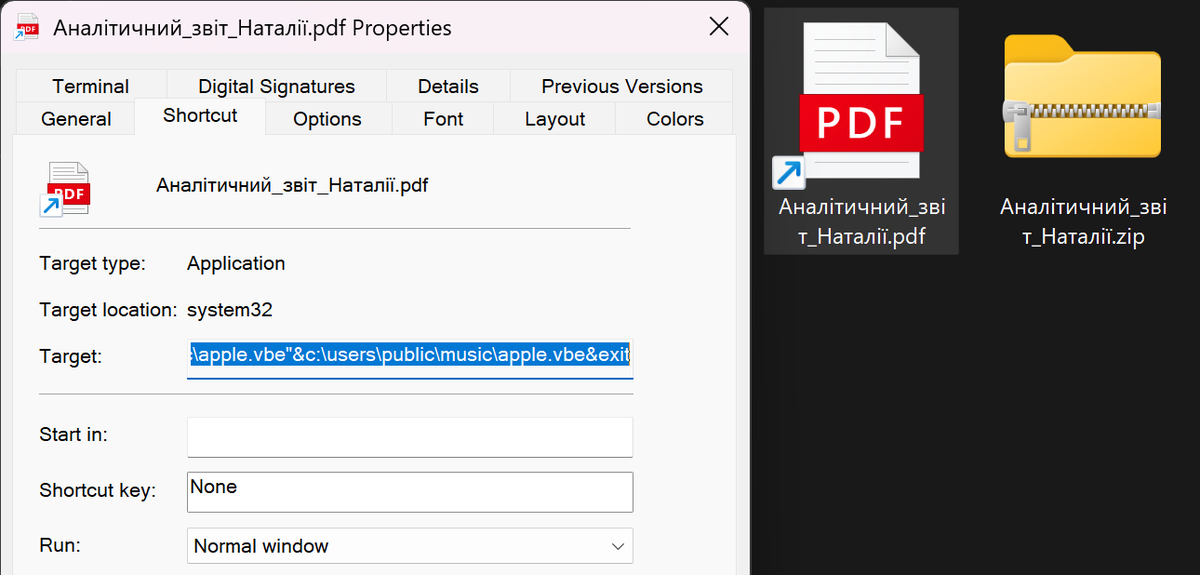
DSLU investigated a multi-stage phishing campaign targeting Ukrainian civil society that combines reply-baiting, malicious LNK files, GitHub+GitLab abuse, and fileless execution.
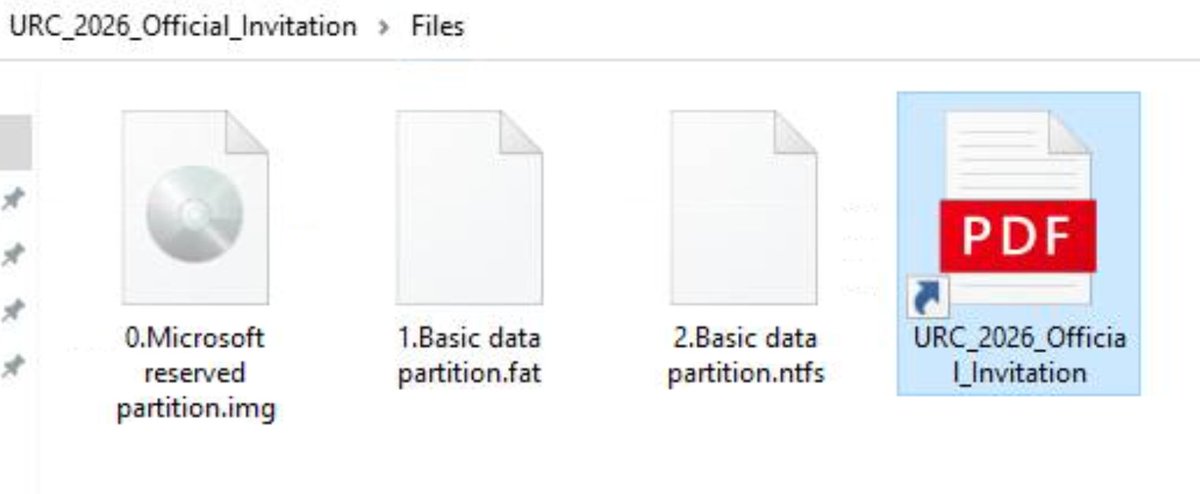
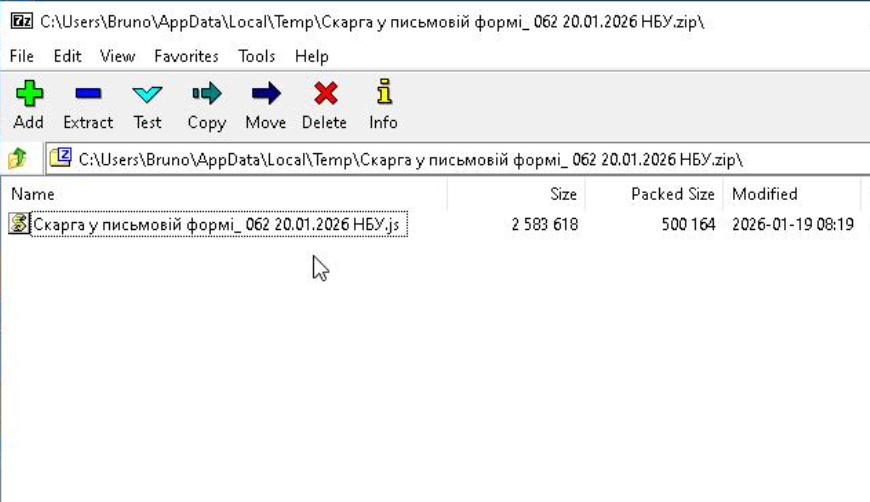
The attack starts with a harmless-looking collaboration email with no links or attachments. Only after the victim replies do the attackers send a link to an archive containing an LNK file disguised as a PDF.
Once opened, it displays a decoy document while executing malicious code in the background. The attackers use GitHub to deliver additional code, establish persistence through a scheduled task, and collect and exfiltrate data from the compromised system.
Full technical analysis and IOCs:
https://t.co/UHn0ixvYJZ
Interesting – DSLU recently investigated a campaign targeting Ukrainian civil society with a remarkably similar attack chain: archive-delivered LNK files masquerading as documents, PowerShell execution, scheduled-task persistence, and remotely retrieved payloads.
In our case, the attackers also abused GitHub and GitLab infrastructure for payload delivery: https://t.co/UHn0ixvqUr
3/3
The attackers obtained long-lived OAuth tokens that remain valid after a password change. Because users authenticate through Google's legitimate sign-in flow, MFA alone does not stop this technique. Access persists until the malicious app is revoked.
1/3 🚨 DSLU investigated a targeted phishing campaign against the Ukrainian civic network OPORA.
Instead of stealing passwords, the attackers abused OAuth consent phishing to compromise Google accounts.
Technical analysis:
https://t.co/hX1VH739AK
2/3 The infrastructure included:
• lookalike domain with SPF/DKIM/DMARC
• hCaptcha-based anti-analysis
• fake Google Drive (React)
• OAuth token interception infrastructure
• 4 domains registered the same day
3/3 Indicators (defanged):
🔗 103[.]160[.]59[.]97
🔗 89[.]125[.]66[.]183
🌐 secure-dns-hub[.]com
📧 [email protected]
📦 Files.vhdx inside a password-protected ZIP
Full IoCs + analysis in the report
1/3DSLU uncovered a targeted phishing campaign against Ukrainian civil society - advocacy groups, journalists, and economists.
The lure: fake #URC2026 Ukraine Recovery Conference invitations that quietly install Windows malware.
Full report: https://t.co/3v0WNAD2ek
2/3 What makes it sneaky 👇
The first email has NO attachment. The malicious file arrives ONLY after you reply asking for it - so it slips past bulk scanning and reaches only engaged targets.
The payload hides inside a virtual disk (VHDX) to dodge Windows' download warning.
🚨 DSLU analyzed a spearphishing campaign targeting Ukrainian organizations, attributed with moderate confidence to UAC-0050.
The attackers impersonate Ukraine’s State Tax Service and deliver LiteManager Pro RAT via password-protected archives hosted on Backblaze.
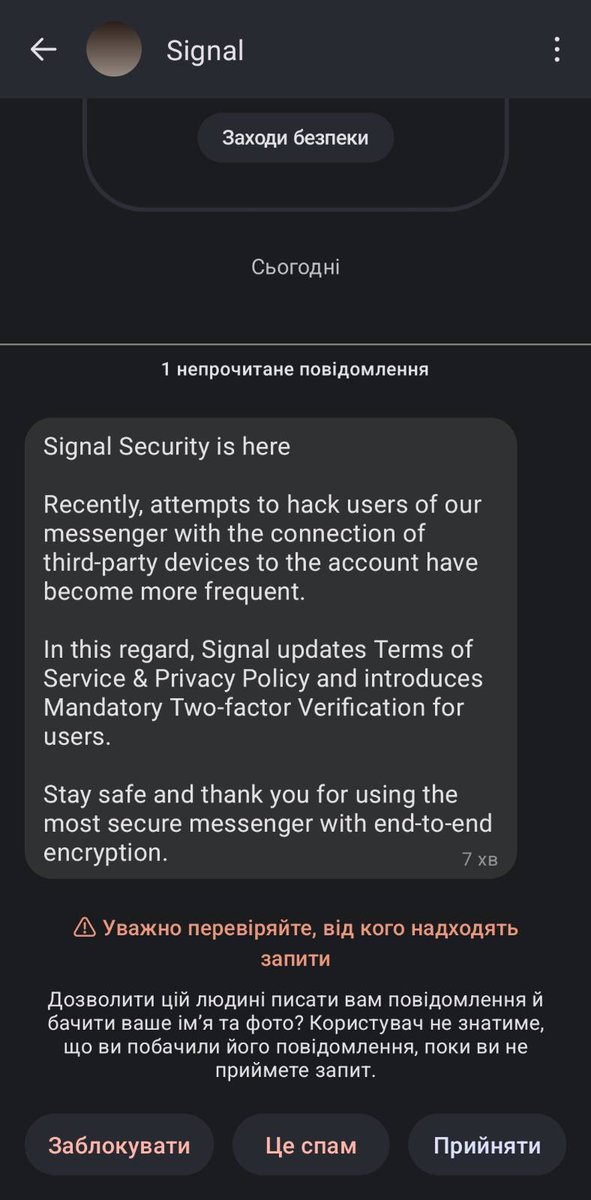
Threat actors are adapting @signalapp phishing campaigns: Ukrainian users now receive messages allegedly from Signal about “mandatory 2FA” due to ongoing attacks.
No codes are requested yet – this is a trust-building step before attempts to steal login codes and hijack accounts.
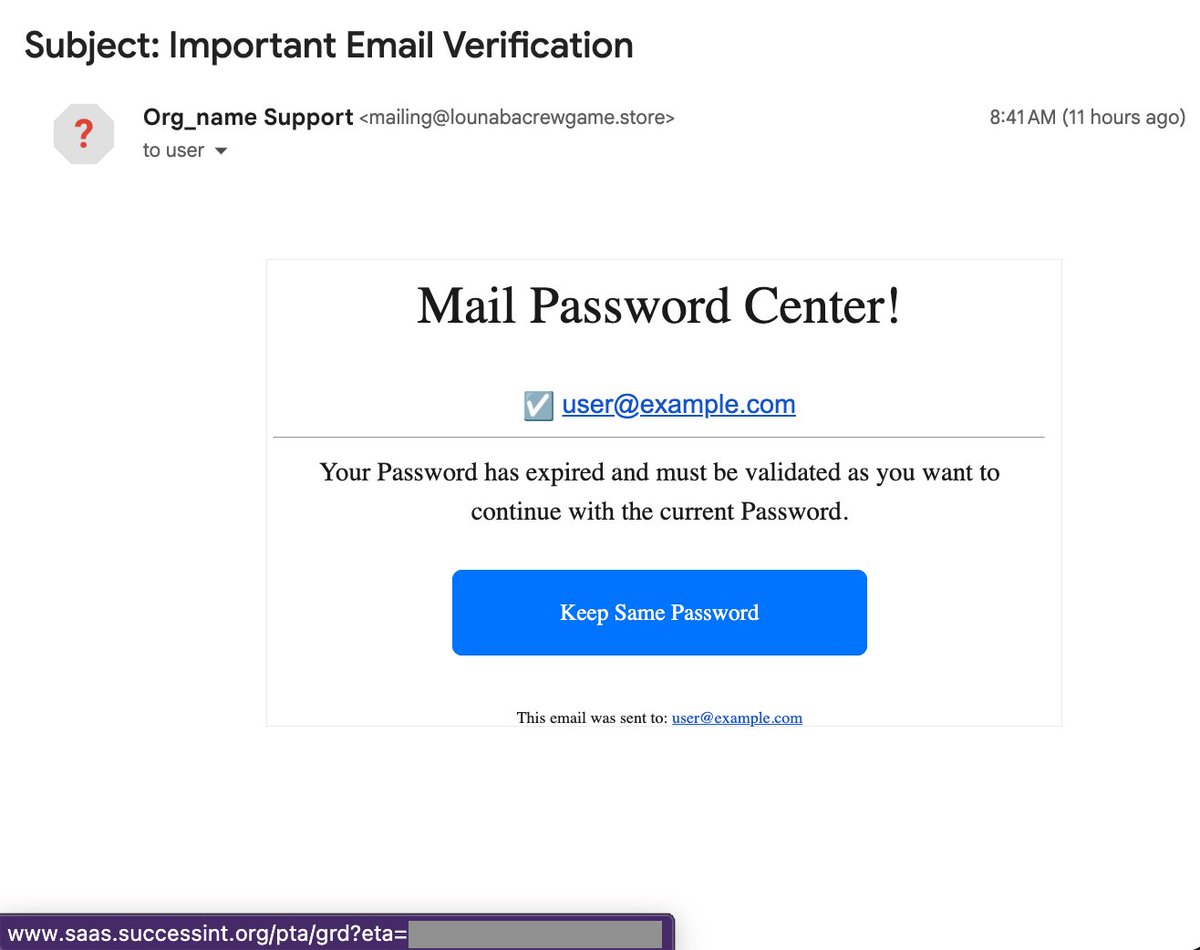
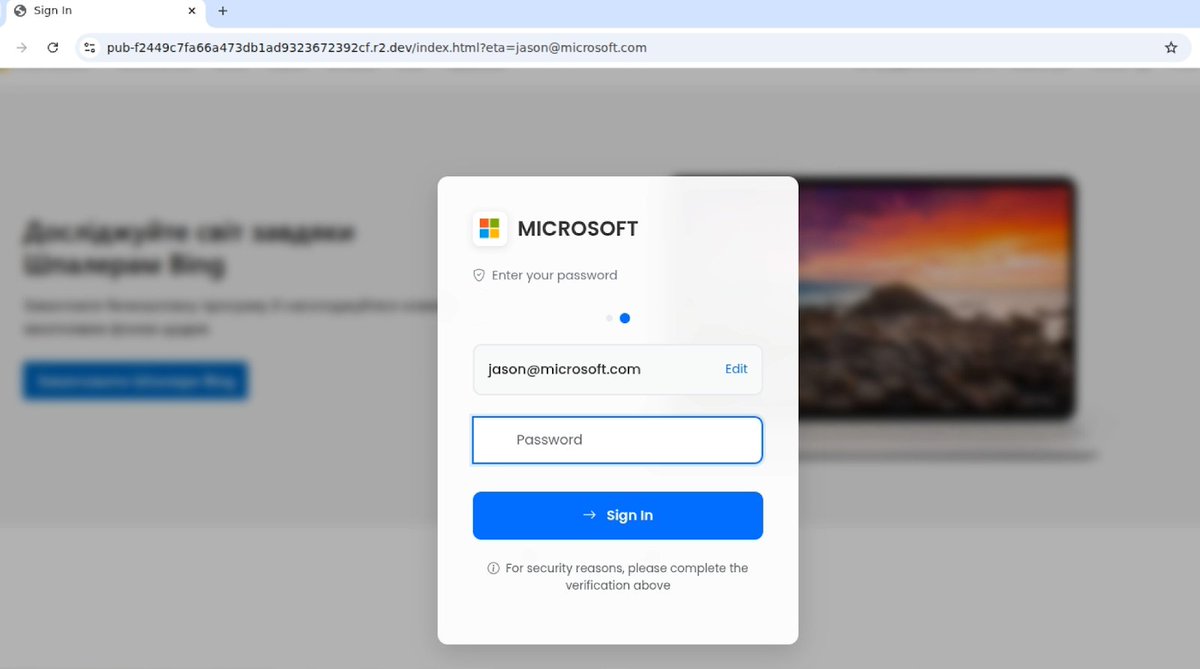
🔎 New analysis of a credential phishing campaign
It leverages domain-adaptive infrastructure to evade detection and increase the success rate of account compromise.
Details: https://t.co/VifSEAnGwl
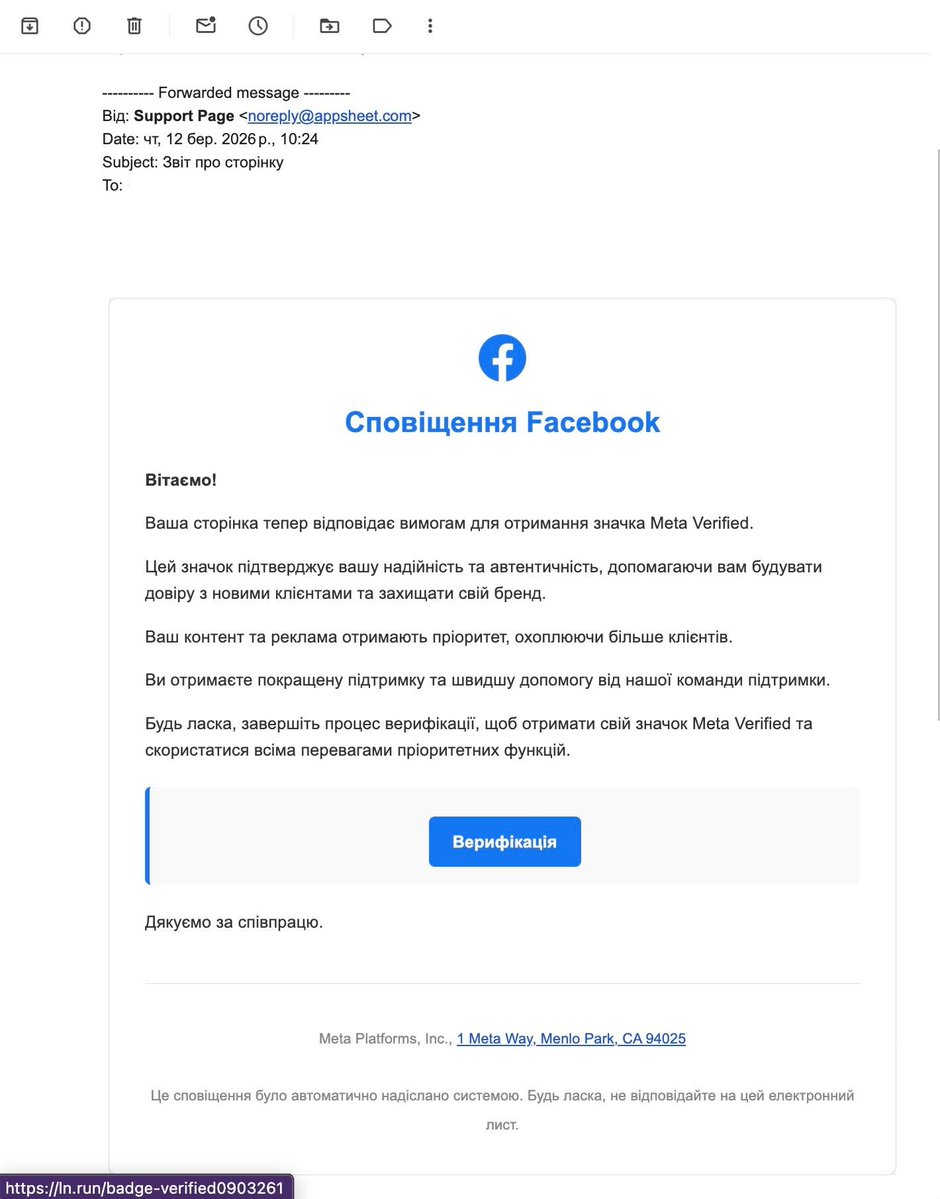
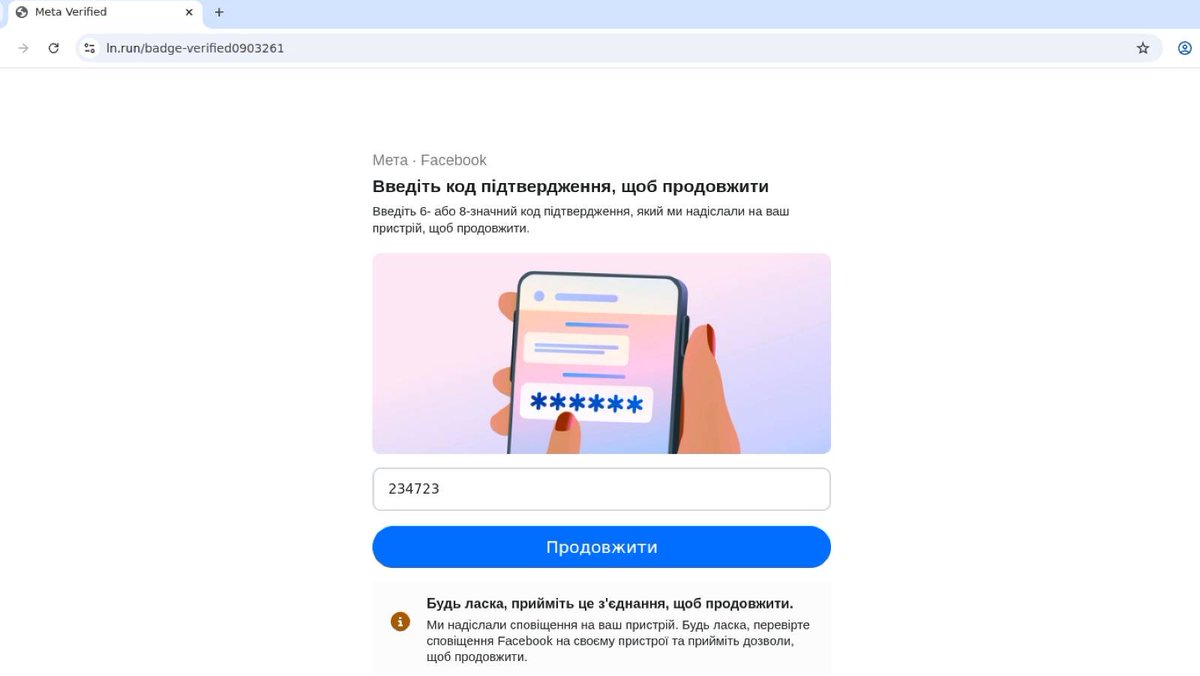
Large-scale phishing attacks keep evolving, abusing trusted platforms like Google, Cloudflare, Vercel, and Telegram. Pre-built kits enable massive scaling. A new “Meta Verified” tactic steals credentials and bypasses 2FA in real time via Telegram exfiltration.
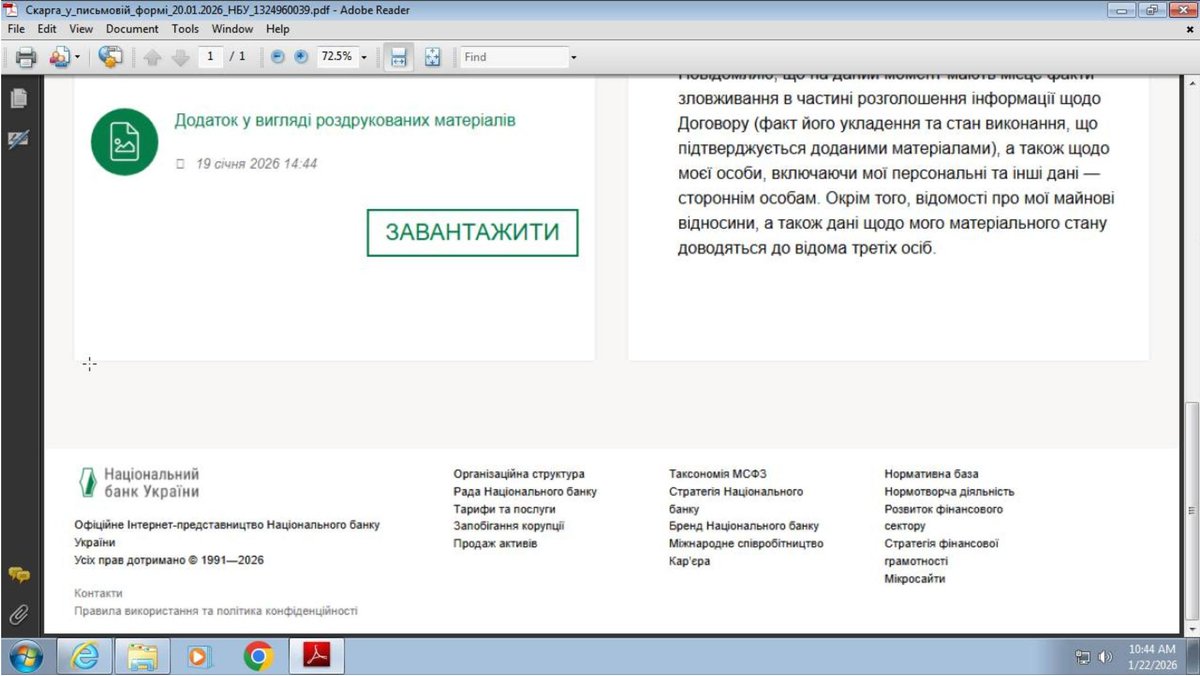
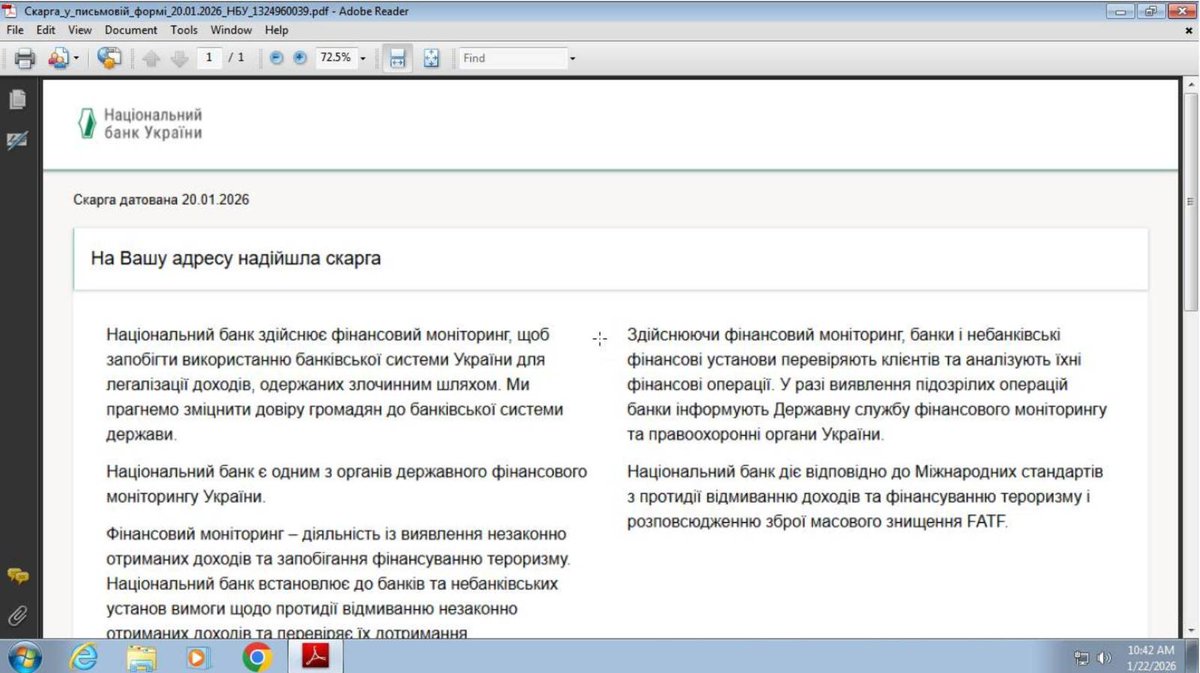
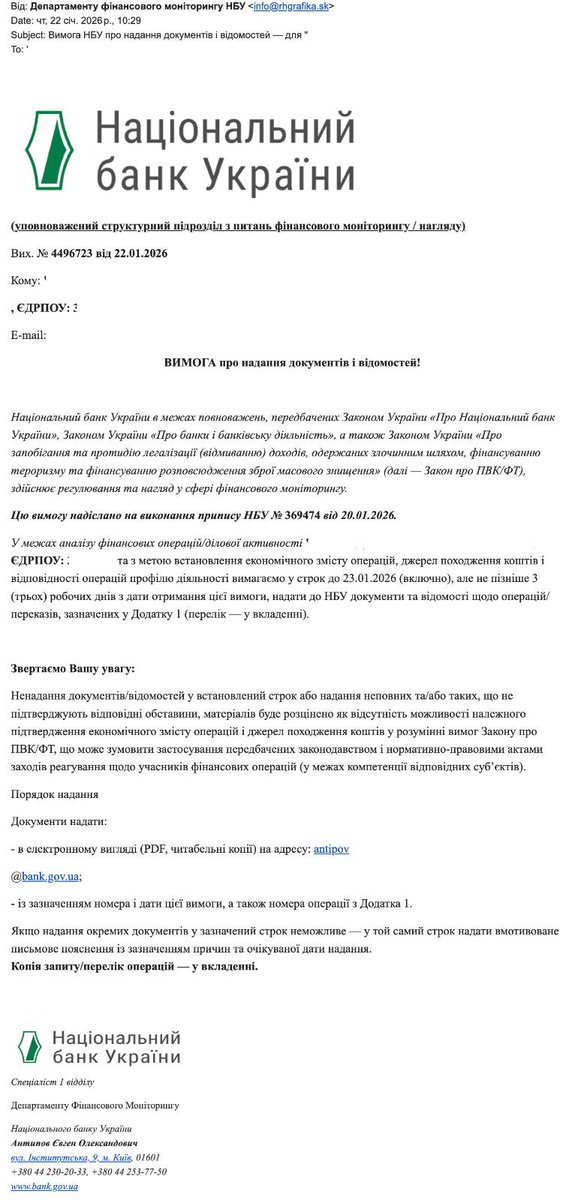
Today we observed an active phishing campaign linked to Russia-aligned threat actors.
Emails impersonated Ukrainian government institutions and delivered malicious attachments. The campaign is aimed at infecting Windows endpoints and establishing persistent remote access.