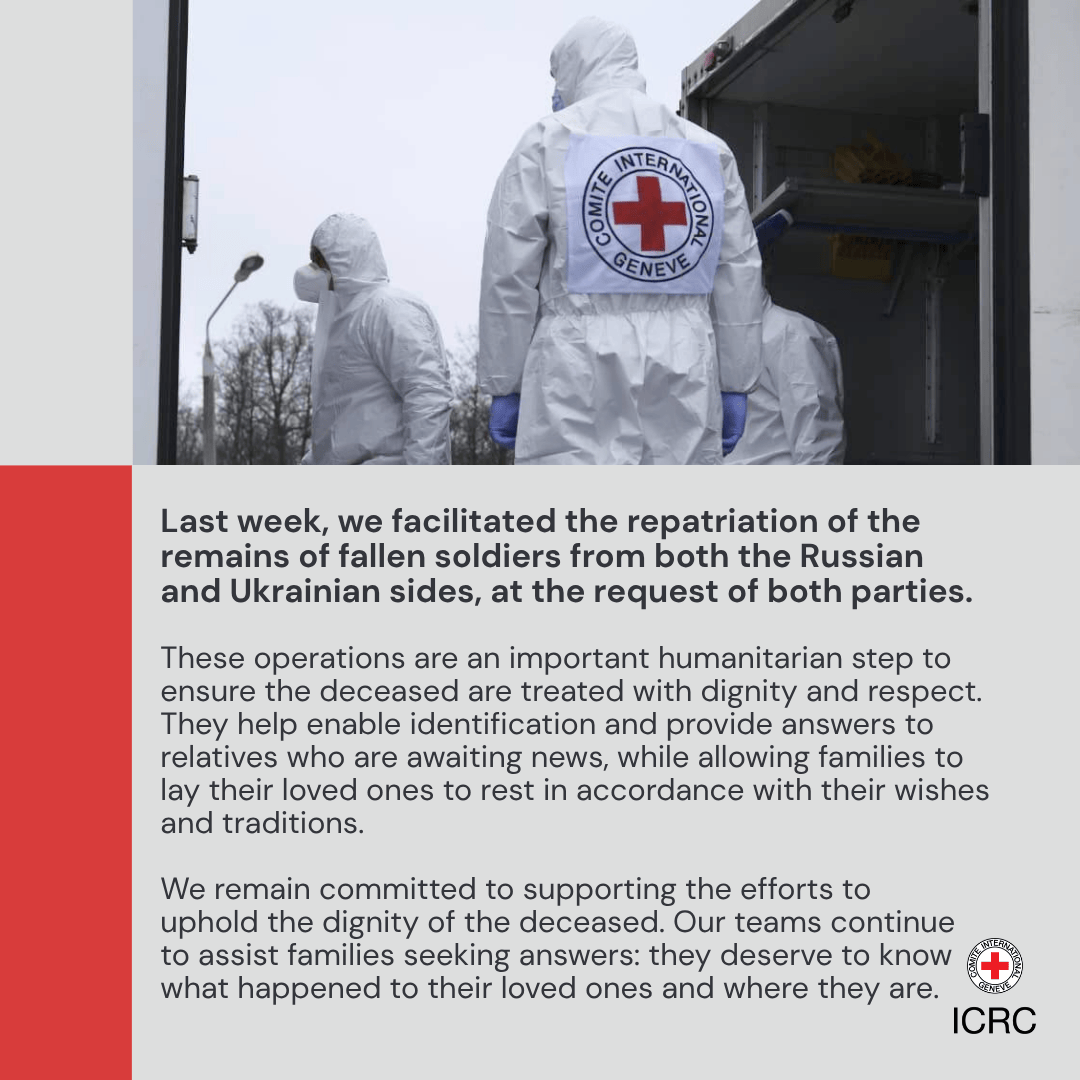
Last week, we facilitated the repatriation of the remains of fallen soldiers from both the Russian and Ukrainian sides, at the request of both parties.
We remain committed to supporting the efforts to uphold the dignity of the deceased.
We use forensic science for humanitarian purposes.
It helps families to find answers, dignified burials for their loved ones, and ensures that no one is forgotten, even in the hardest moments.
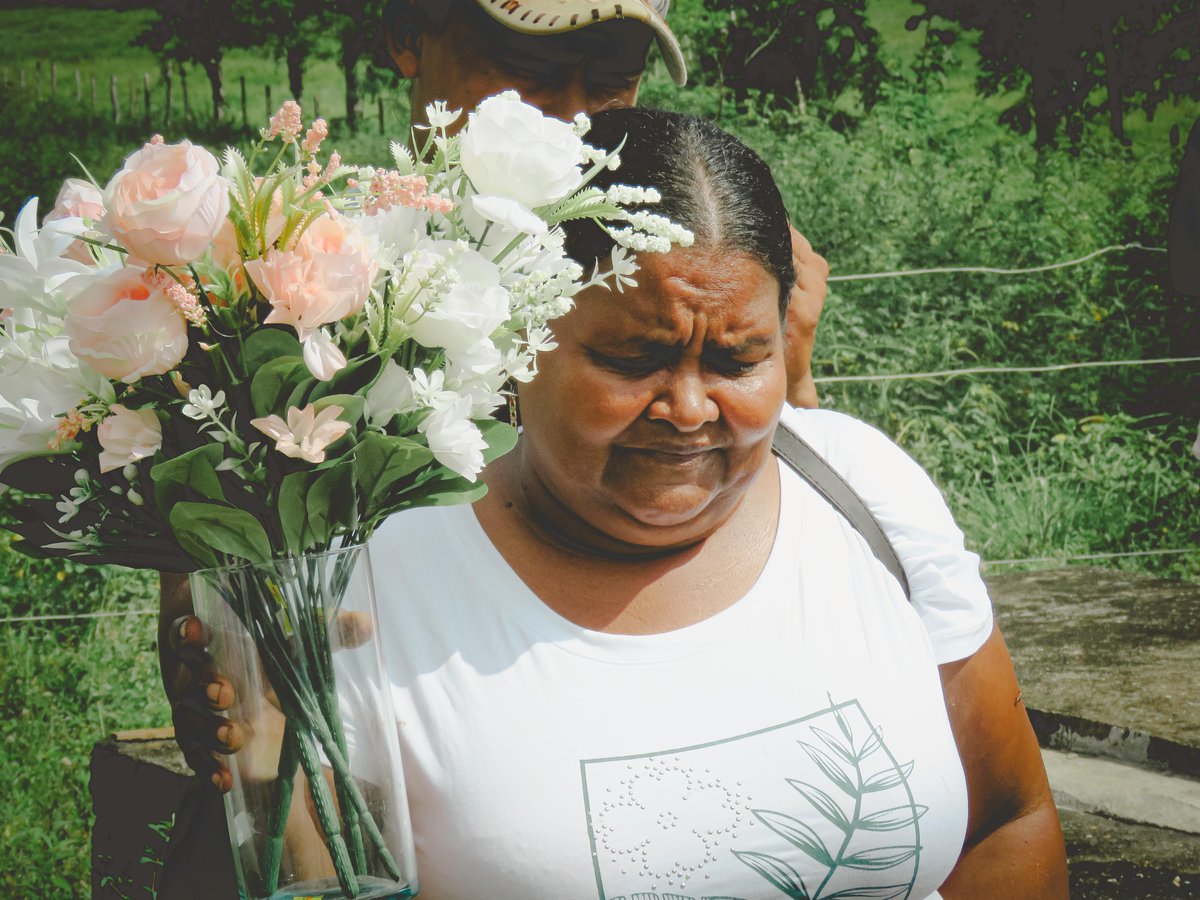
📍 Philippines | In Marawi, more than 300 families are still searching for loved ones who went missing during the conflict, while thousands of people are still displaced from their homes.
Mirjana Spoljaric, ICRC President, travelled to the epicentre of the 2017 Marawi conflict, to meet with those still grappling with the lasting consequences of the fighting.
Read more in our news release 👉 https://t.co/8fcU0HJ5cM
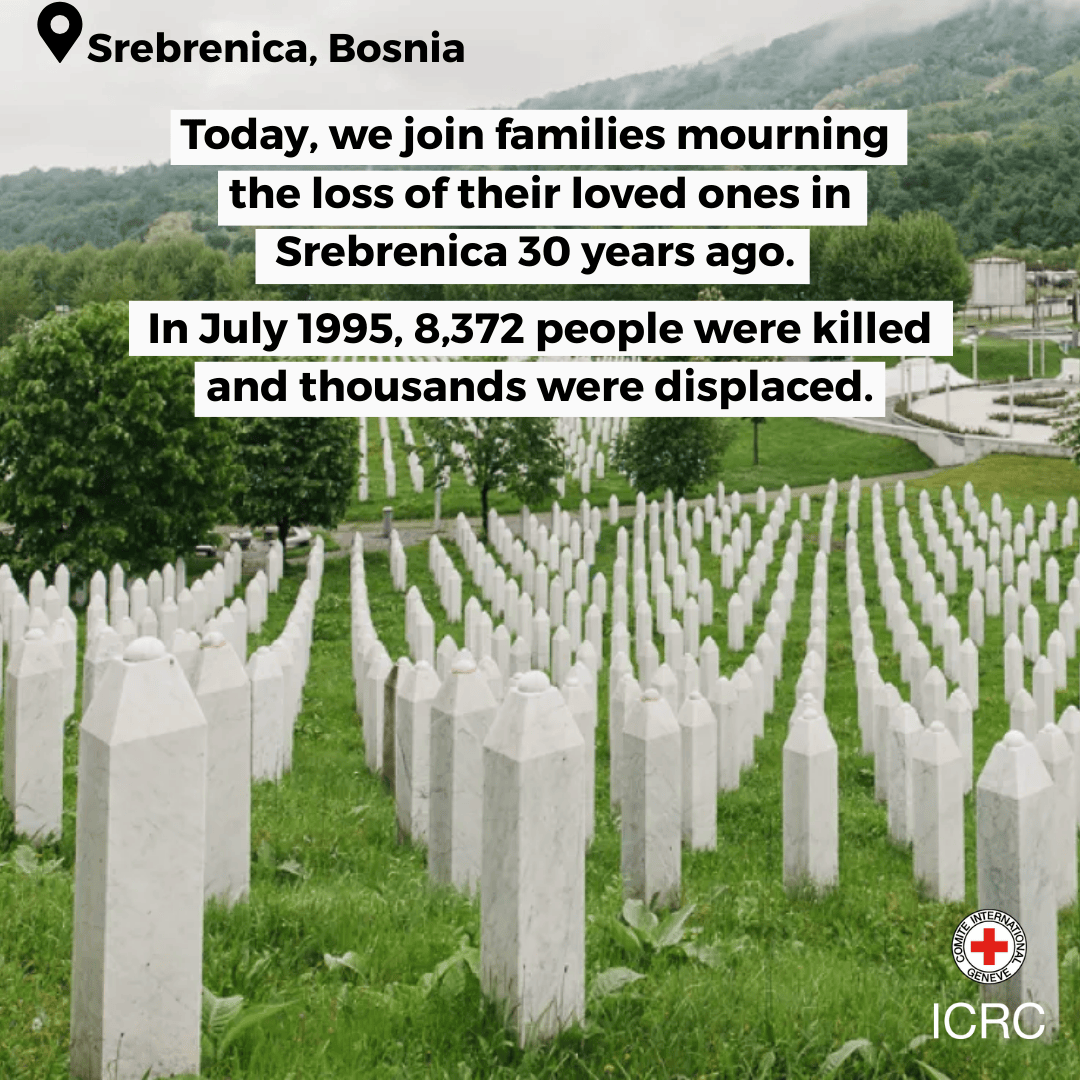
📍 Srebrenica, Bosnia | Today, we stand with families mourning loved ones lost during the tragic events of July 1995, when 8,372 lives were taken, including nine of our ICRC colleagues who never came home.
Read more: https://t.co/ZCu5LznE5F
@11kmrn I'm a forensic anthropologist working on large scale human identification in post-conflict contexts, both practically (exhumations, morgue) and systemically (policy, protocols). The secret, I suppose, is to work with/for the dead...
En las montañas del norte de Antioquia recuperamos el cuerpo de una persona que llevaba 22 años desaparecida. Su familia no paró de buscar y ahora hay una esperanza de darle una digna despedida. Entregamos los restos a @MedLegalColombi para una correcta identificación.
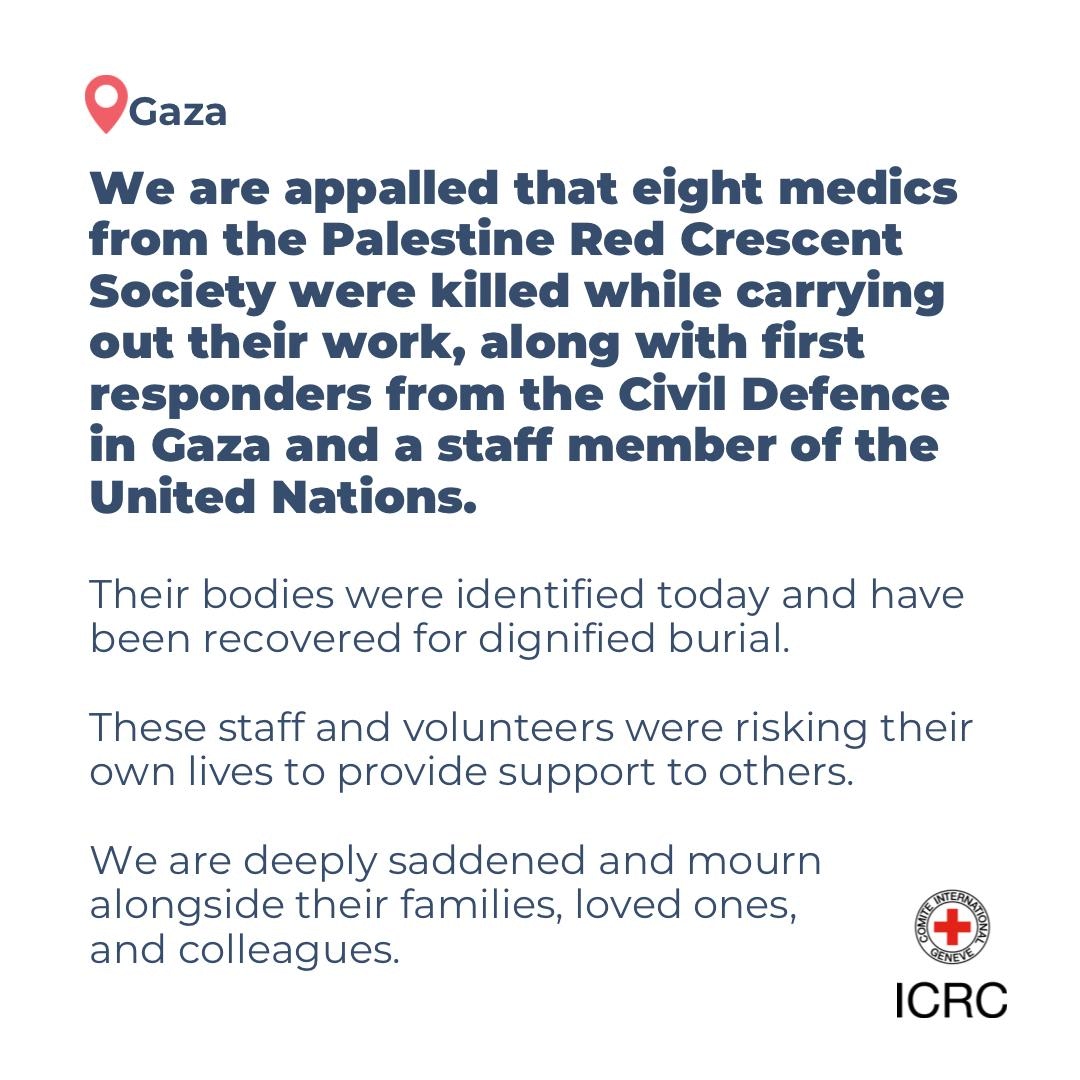
📍Gaza| We are appalled that eight medics from the @PalestineRCS were killed, along with first responders from the Civil Defence in Gaza & a @UN staff member.
We are deeply saddened & mourn alongside their families, loved ones, and colleagues
Read more: https://t.co/dyT0gg7mMg
The bodies of the dead must be handled with respect, and their dignity protected.
Not following these legal obligations and standards in armed conflicts can increase the number of missing people and prolong the suffering of the families. #IHL
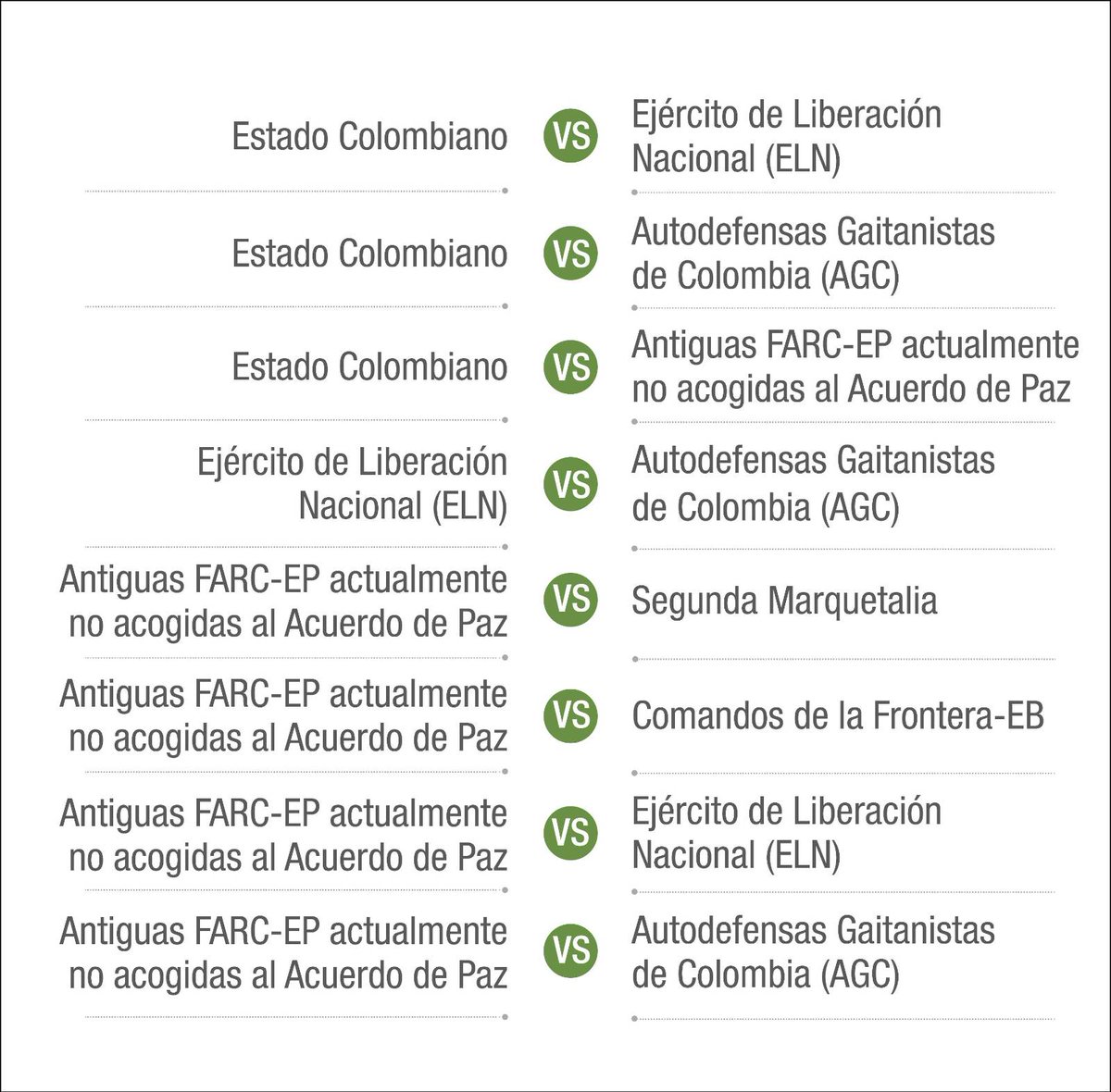
Las morgues en Norte de Santander están desbordadas y el número de muertos sigue creciendo día a día por el conflicto armado en la región del Catatumbo.
Lamentable el drama humanitario que se ha intensificado en las últimas semanas.
Con profundo respeto, lamento el fallecimiento del Dr. Manuel Paredes, un pionero de la genética forense en Colombia y un profesor ejemplar. Su trabajo y dedicación han dejado una marca indeleble en la genética forense en Colombia y en toda América Latina.
ICRC teams were recently in the north of Gaza and saw firsthand the devastating humanitarian situation civilians are experiencing.
Deputy head of Gaza sub-delegation Stephanie Eller shares more 👇🏽
1⃣ La @IC_org habló con Paula de Gamboa, asesora jurídica del @CICR_co, sobre el Derecho Internacional Humanitario (DIH), los fundamentos que lo rigen y el rol del CICR, entre otros temas. (@ColombiaFinland) Les invitamos a ver la entrevista en: https://t.co/AEWEJJHg1D
⭕ 🇨🇴 Cuando Dean Sarzinski se aproxima en su búsqueda todo se detiene.
Menos la intención de ubicar los cuerpos de personas que han fallecido en medio del conflicto armado para evitar que entren al universo de los desaparecidos.
✍️ @GreaceVanegas
https://t.co/HOQZ18sRva
Los días se convierten en semanas.
Las semanas, en meses.
Los meses, en años.
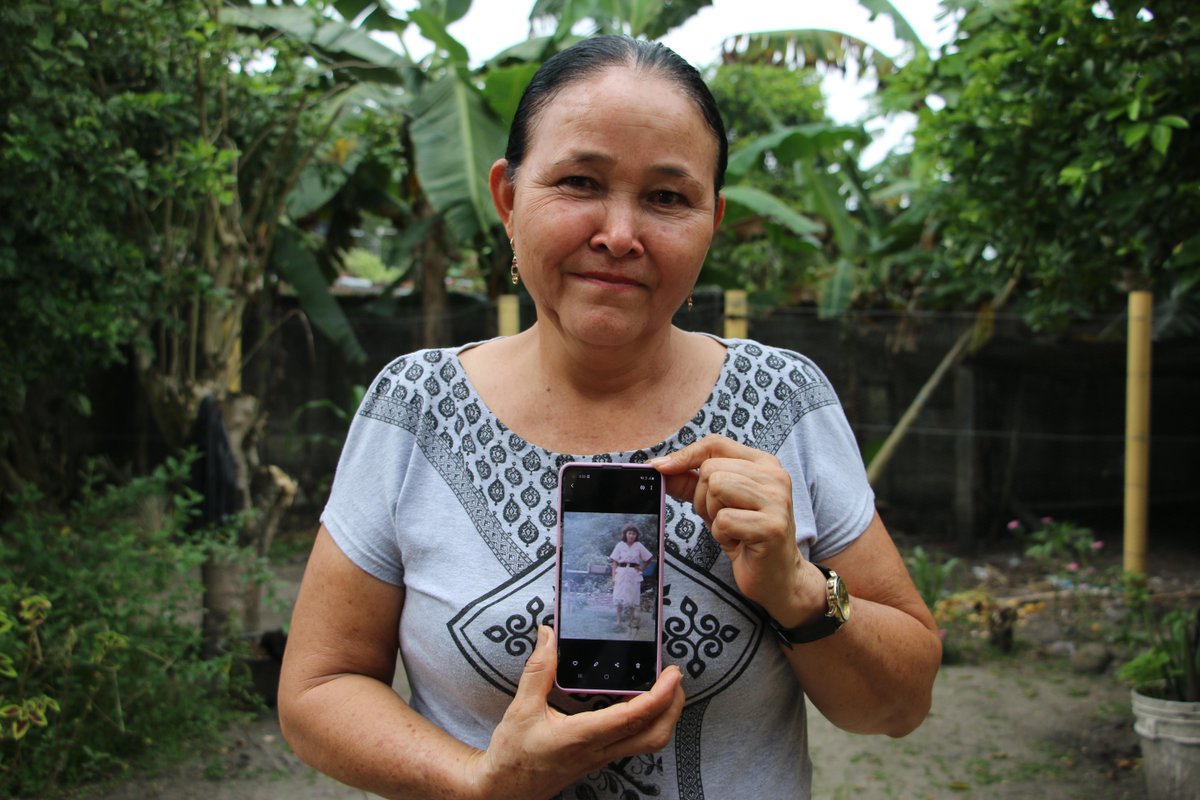
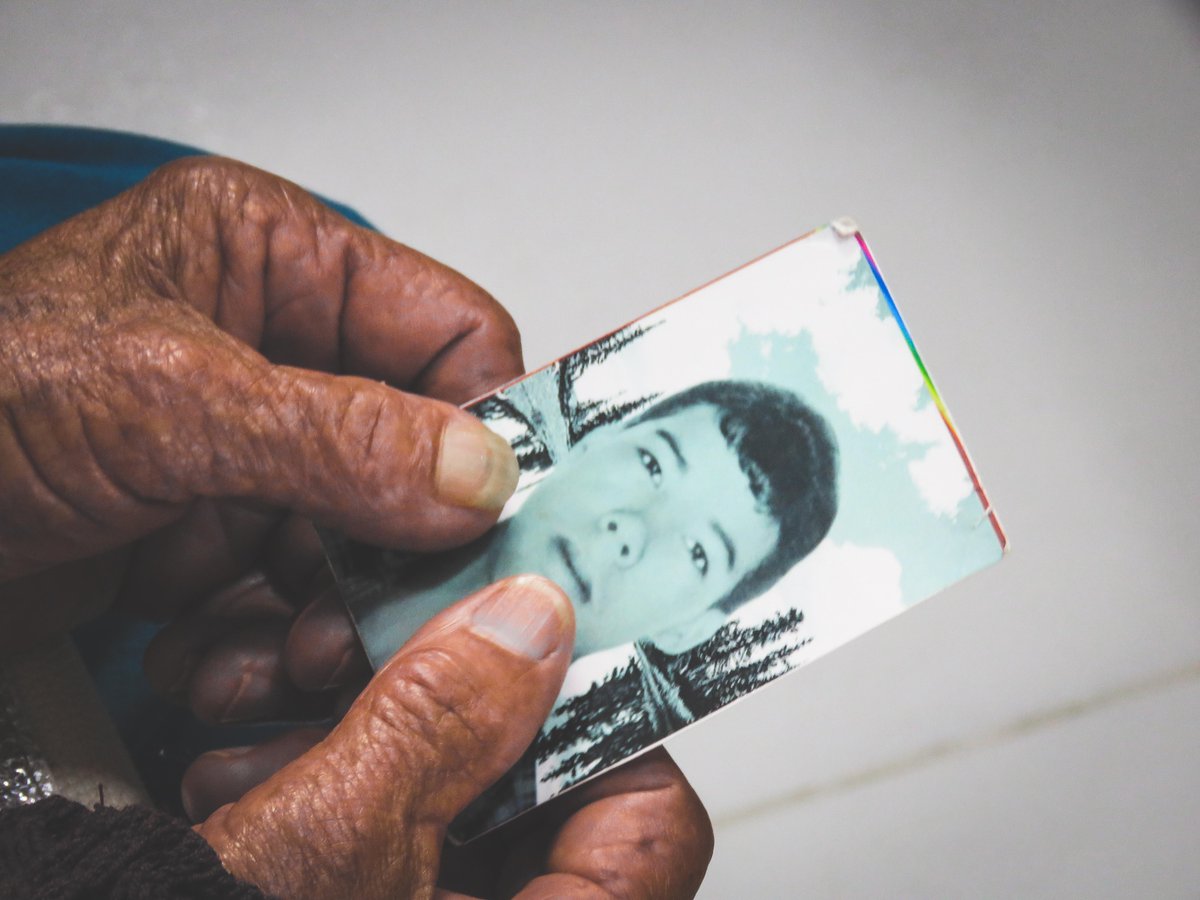
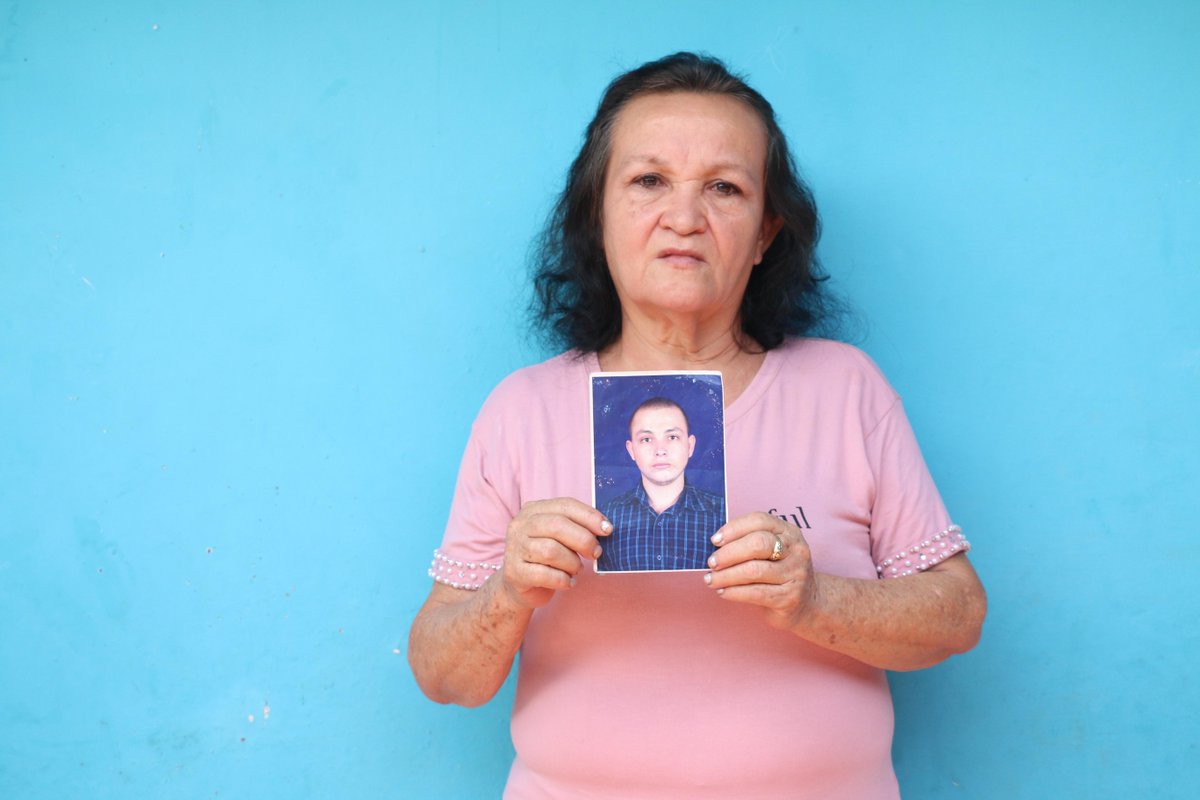
💔 Por cada persona desaparecida, hay tantas más que la extrañan.
Sus seres queridos merecen saber qué ocurrió con ellas.
#AquíFaltaAlguien
Queremos expresar nuestra profunda gratitud y despedir con cariño a @LorenzoCaraffi por su liderazgo y dedicación como jefe del CICR en Colombia.
Su trabajo incansable ha dejado huella en nuestra misión humanitaria.
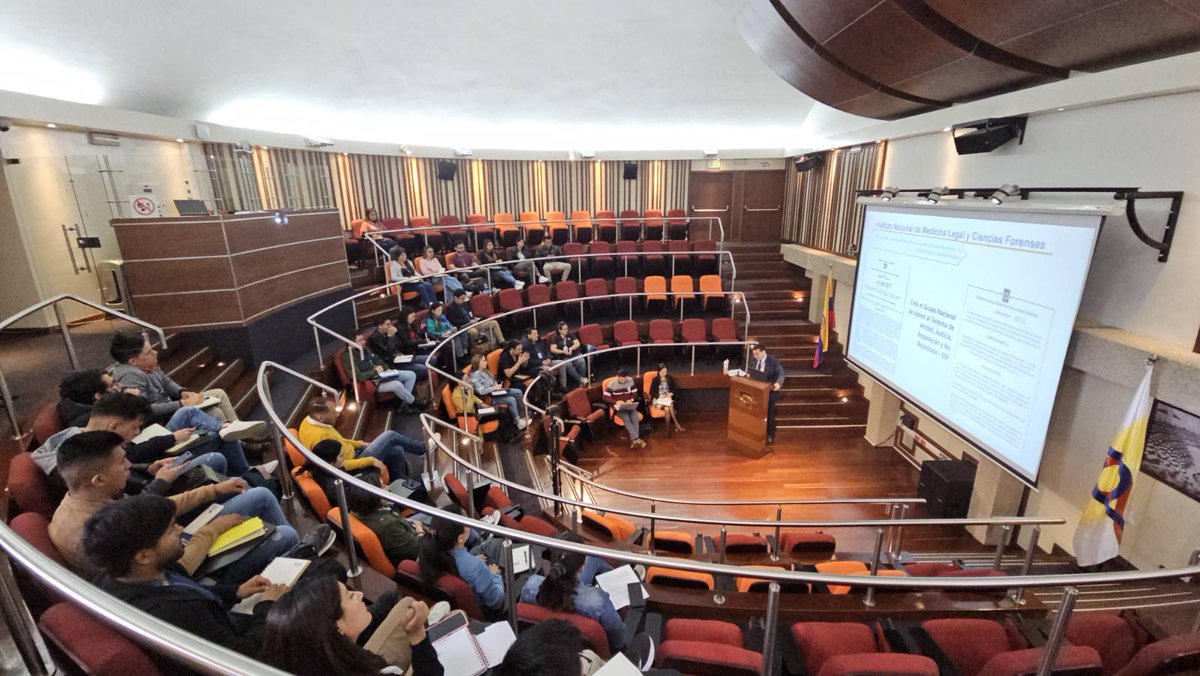
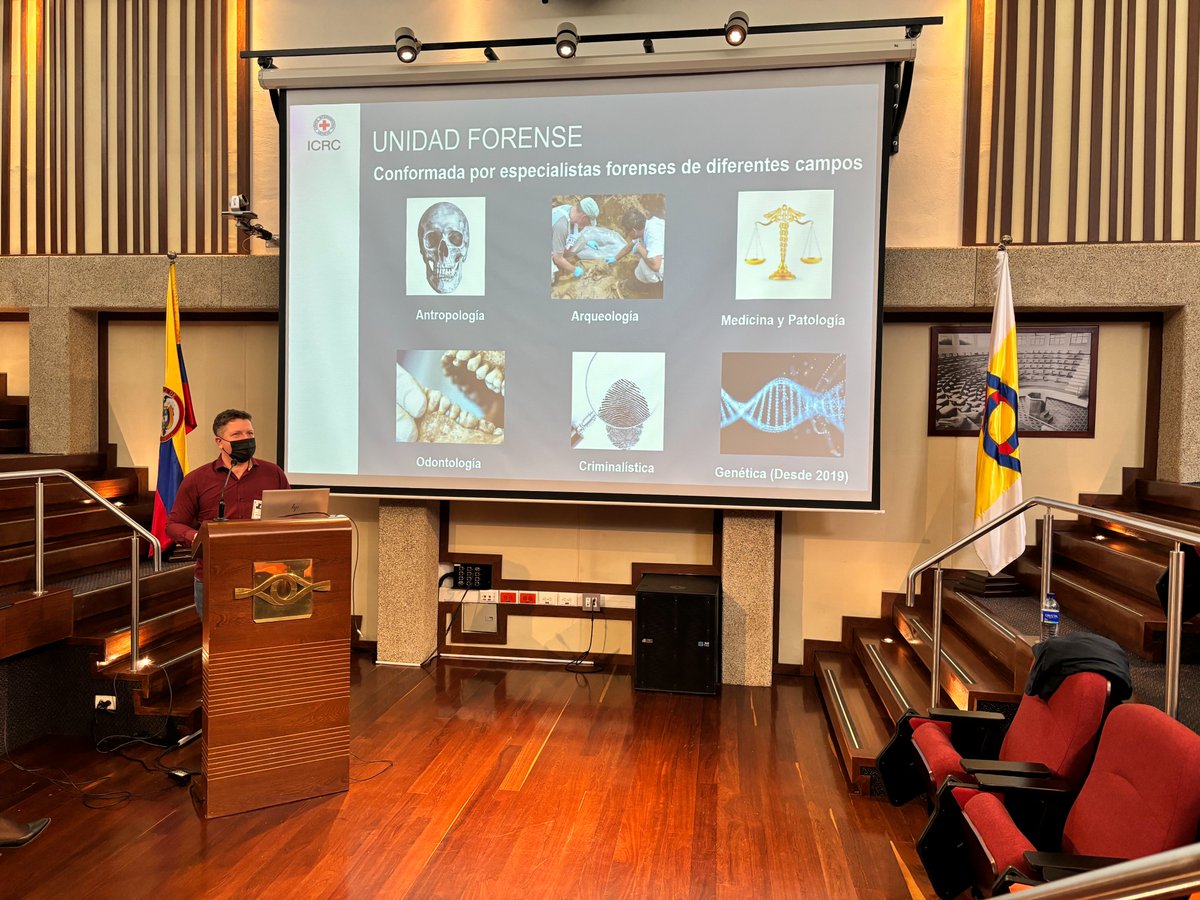
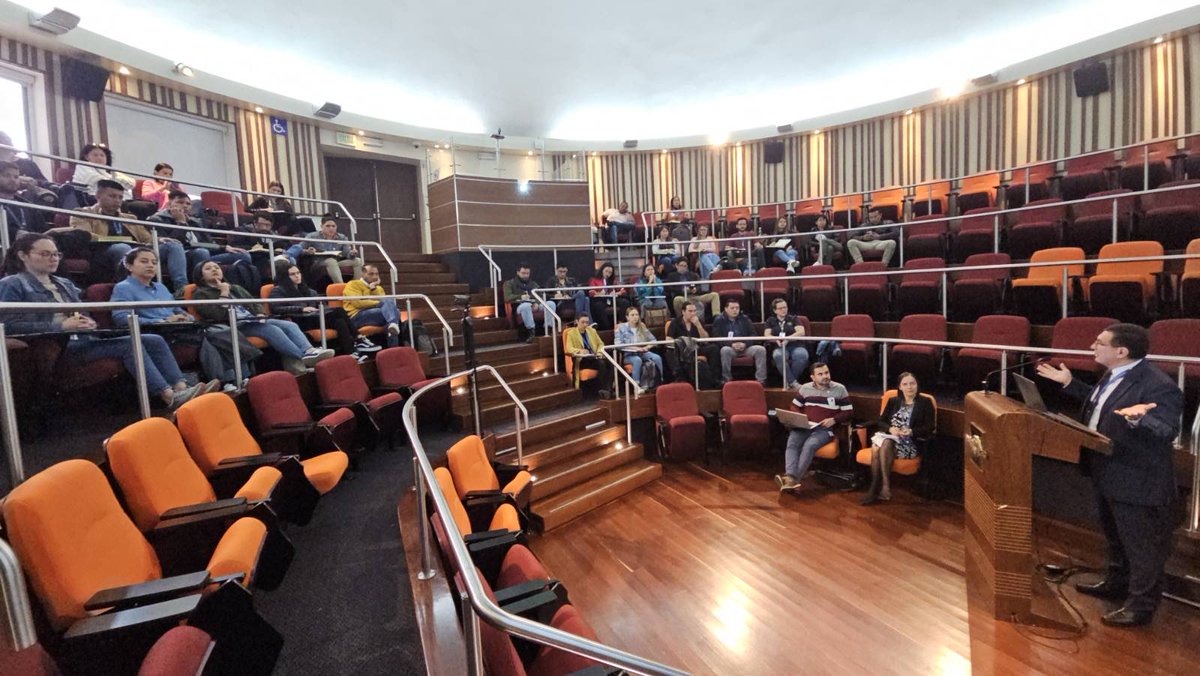
#AEstaHora De la mano del @MedLegalColombi, lideramos la Jornada de Actualización en Antropología Forense, que se lleva a cabo en las instalaciones del Instituto.
El curso cuenta con la participación de 25 antropólogos forenses de Medicina Legal y de la @UBPDcolombia.