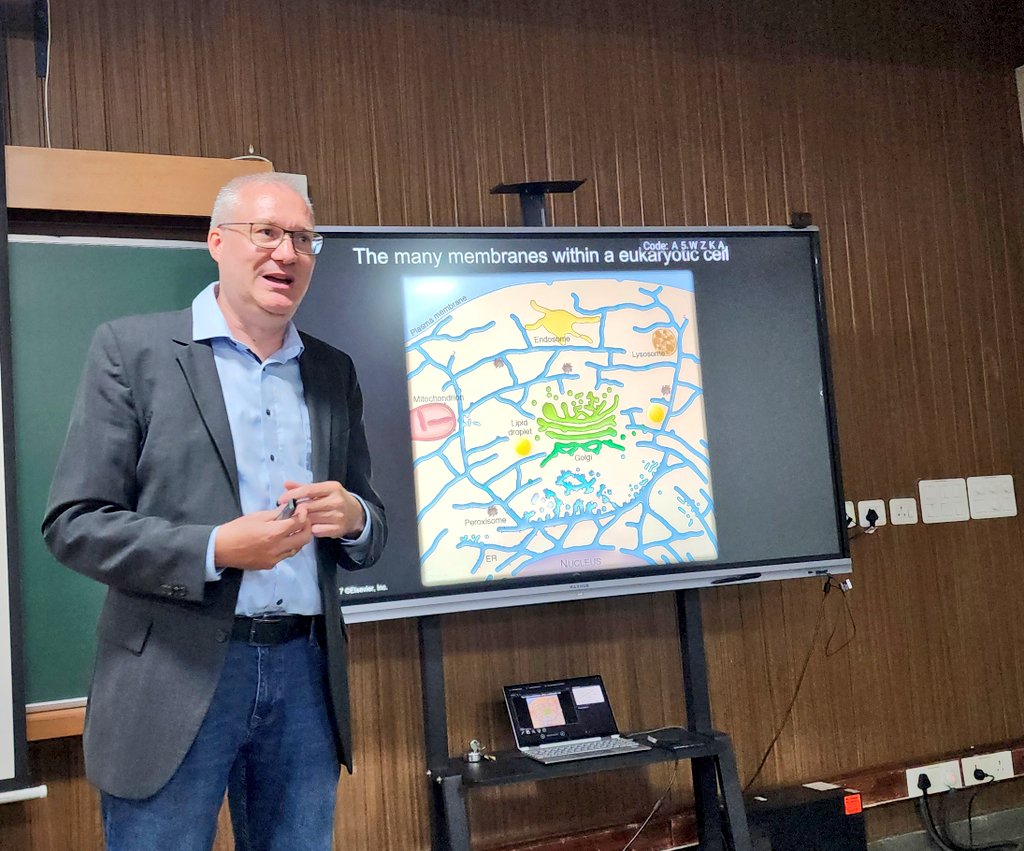
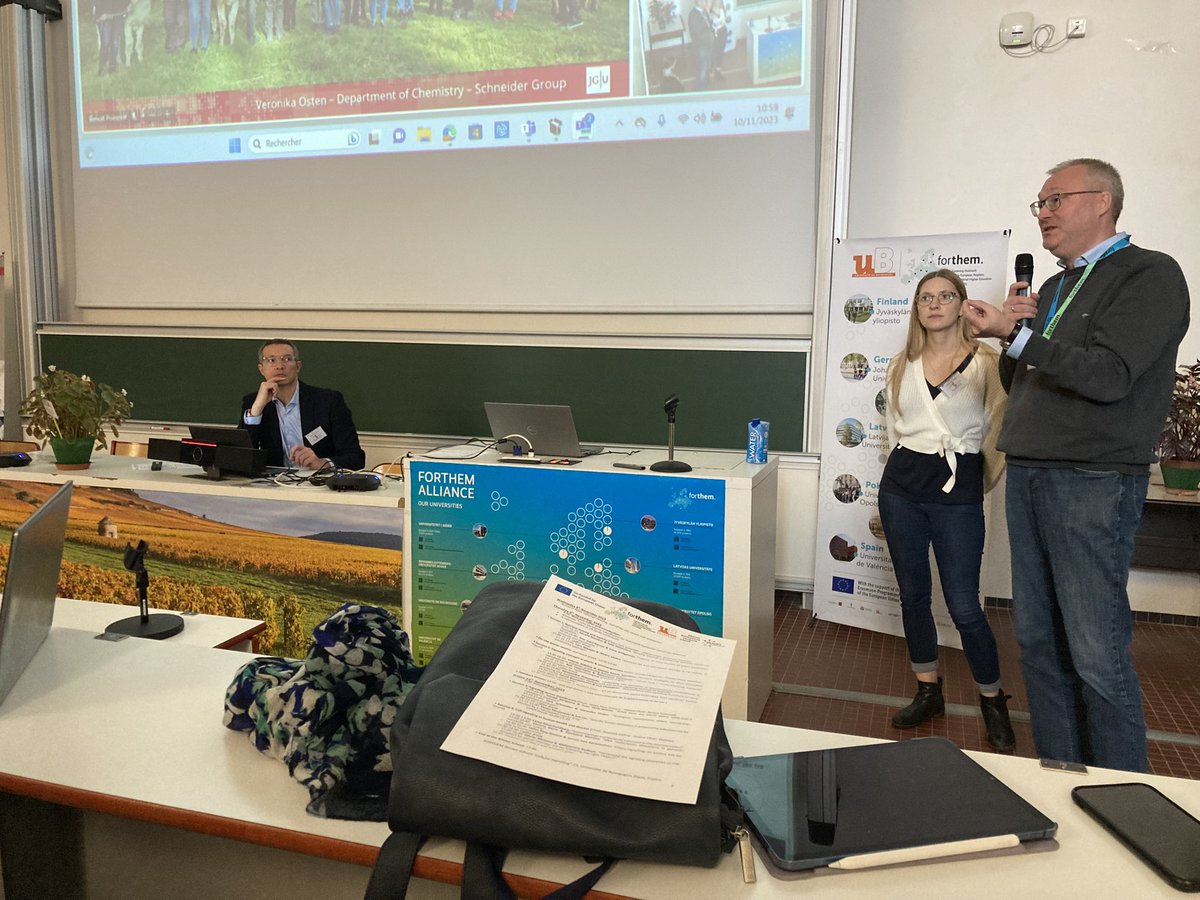
The Biophysical Society @BiophysicalSoc meeting on peripheral membrane proteins has started with the first talk given by Kalina Hristova @HristovaLabJHU. Nice talk on receptor tyrosine kinase signaling.
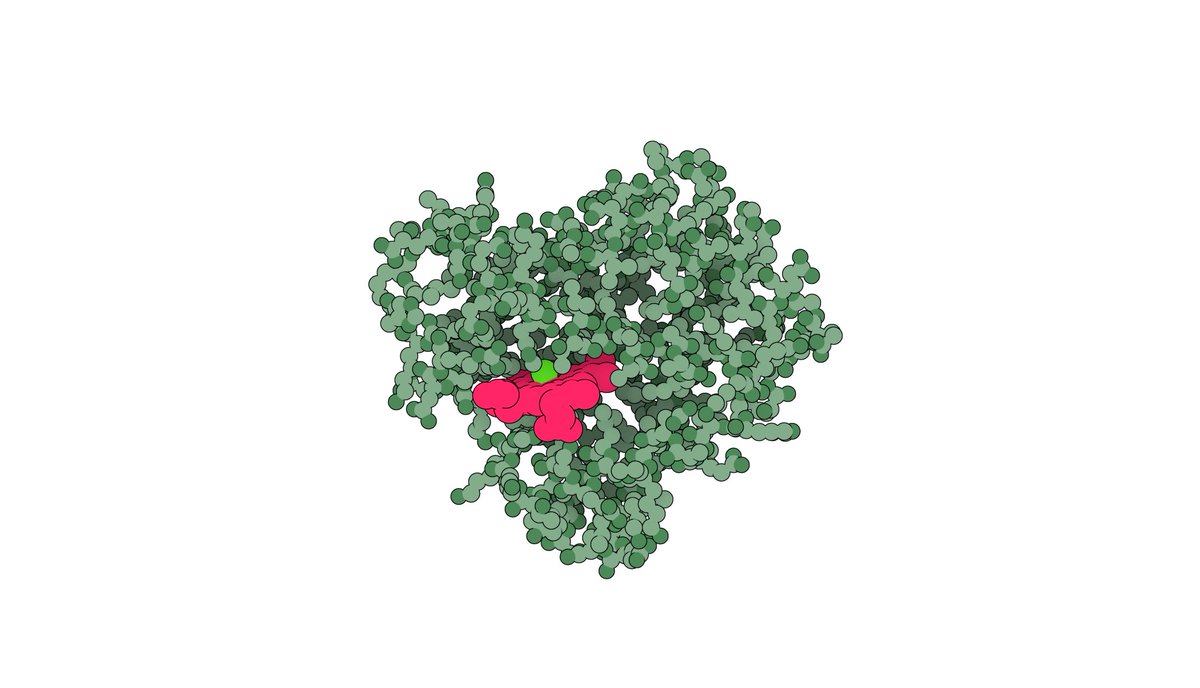
A structure for myoglobin was uploaded to the PDB when it launched in 1971.
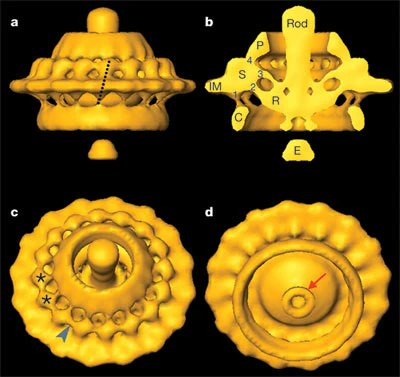
A low-resolution structure of the flagellar motor came in 2006.
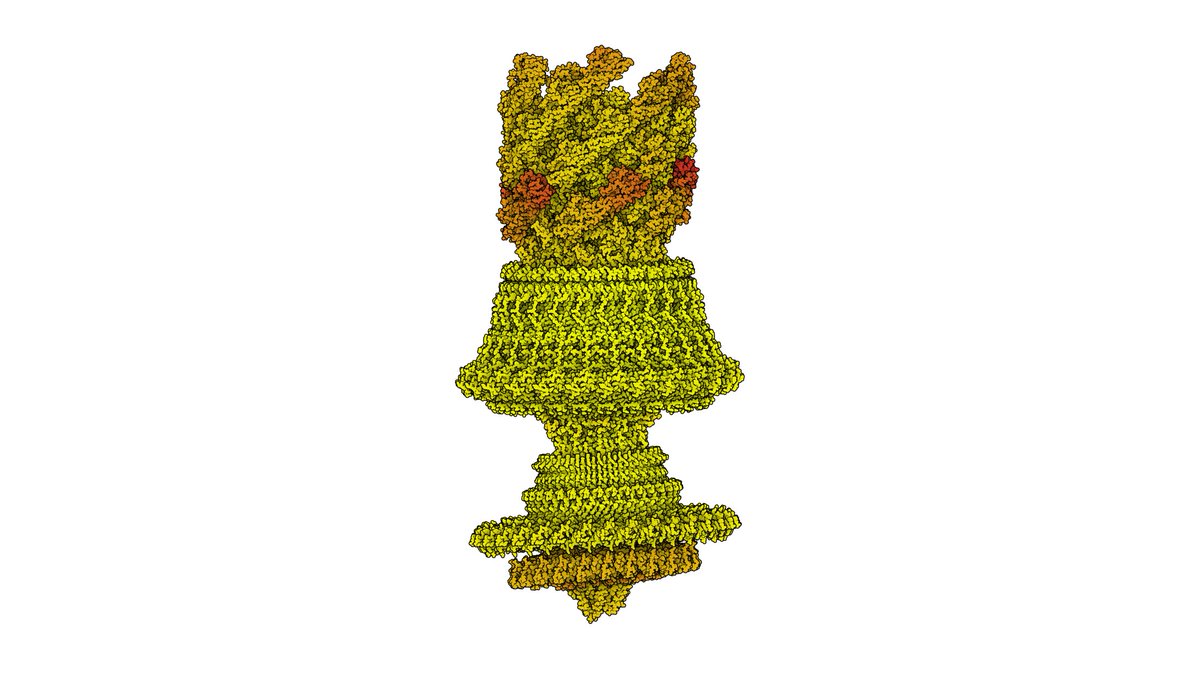
By 2020, we got the entire flagellar motor, with its hundreds of proteins, at high resolution.
So much progress in only 50 years.
(Not to mention that the first electron microscopes, made in the 1930s, barely outperformed a magnifying glass in terms of resolution. We went from faint, barely legible images of viruses in 1938 to solved structures for huge protein complexes with ~3 Angstrom resolution in the span of like 80 years. Astounding.)
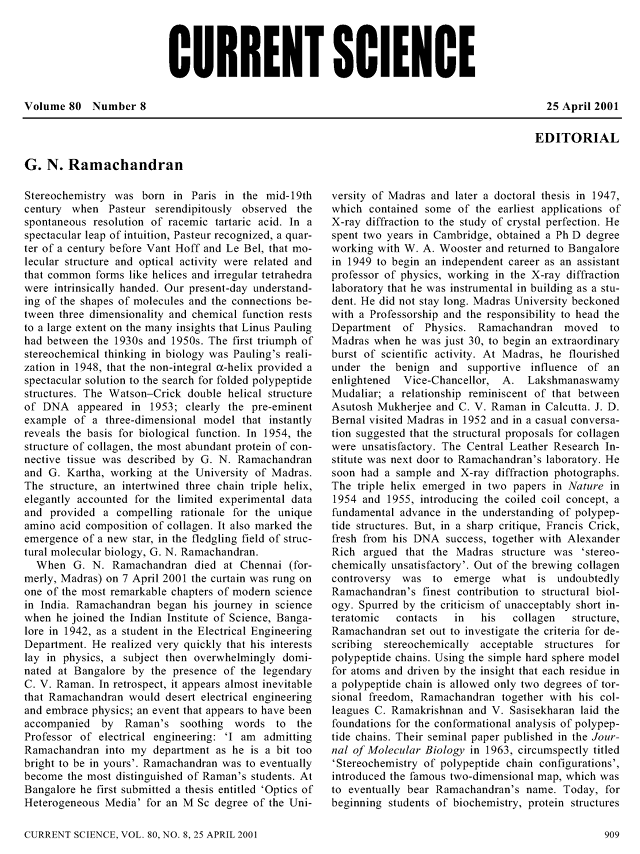
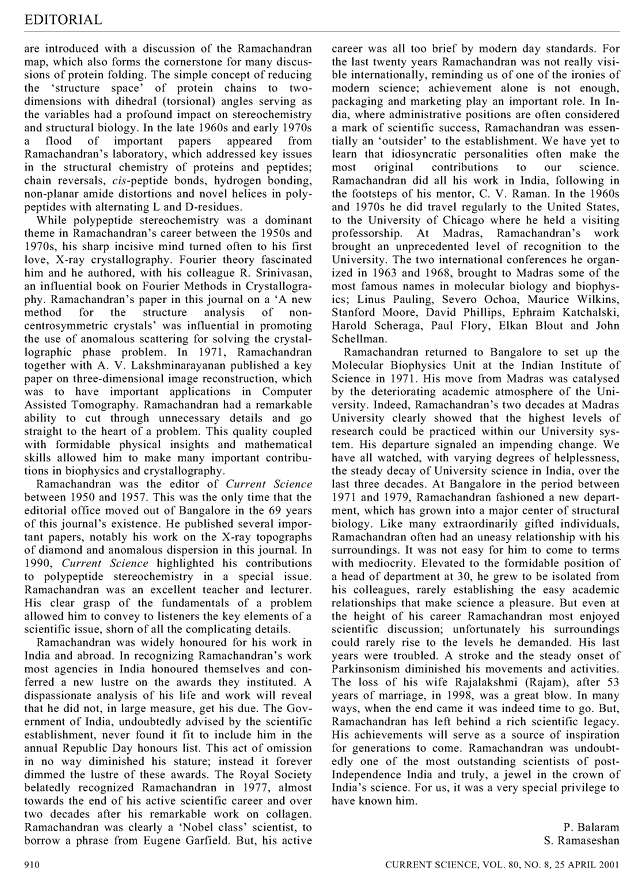
On the occasion of GN Ramachandran's (1922-2001) birthday, I share a 24-year-old Current Science editorial piece written by P. Balaram & S. Ramaseshan after Ramachandran's passing. I distinctly recall attending the obituary meeting at IISc Faculty Hall.
https://t.co/Dkj0bBTfLk
It was wonderful to host Prof. Dirk Schneider (from Johannes Gutenberg University of Mainz, Germany) at IISER Mohali. Today, he gave an amazing lecture on his fascinating work on membrane proteins involved in the thylakoid biogenesis in cyanobacteria.
Day 2 of our annual retreat has ended, and we are grateful for the fruitful scientific discussions. It’s inspiring to see the complementary perspectives of polymer and life scientists coming together! @uni_mainz@imbmainz@mpi_polymer@MPIbp@UnimedizinMainz@Uni_Stuttgart
BREAKING NEWS
The Royal Swedish Academy of Sciences has decided to award the 2024 #NobelPrize in Chemistry with one half to David Baker “for computational protein design” and the other half jointly to Demis Hassabis and John M. Jumper “for protein structure prediction.”
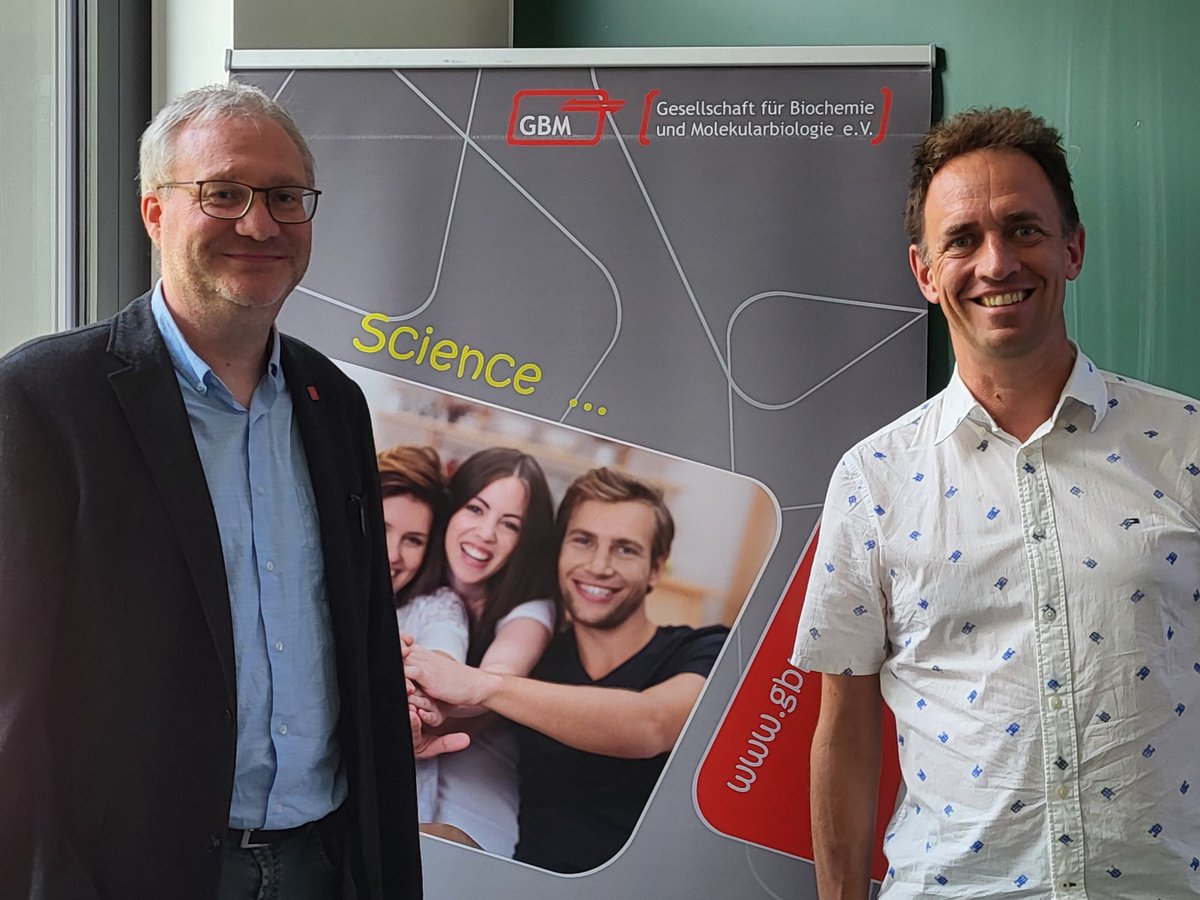
Great @GBM_eV talk given by Oliver Daumke from @MDC_Berlin about Structural Insights into Mitochondrial Crista Junction Architecture.
Thank you Oli for the visit! You brought perfect weather with you, and we had a nice evening on the terrace of the restaurant.
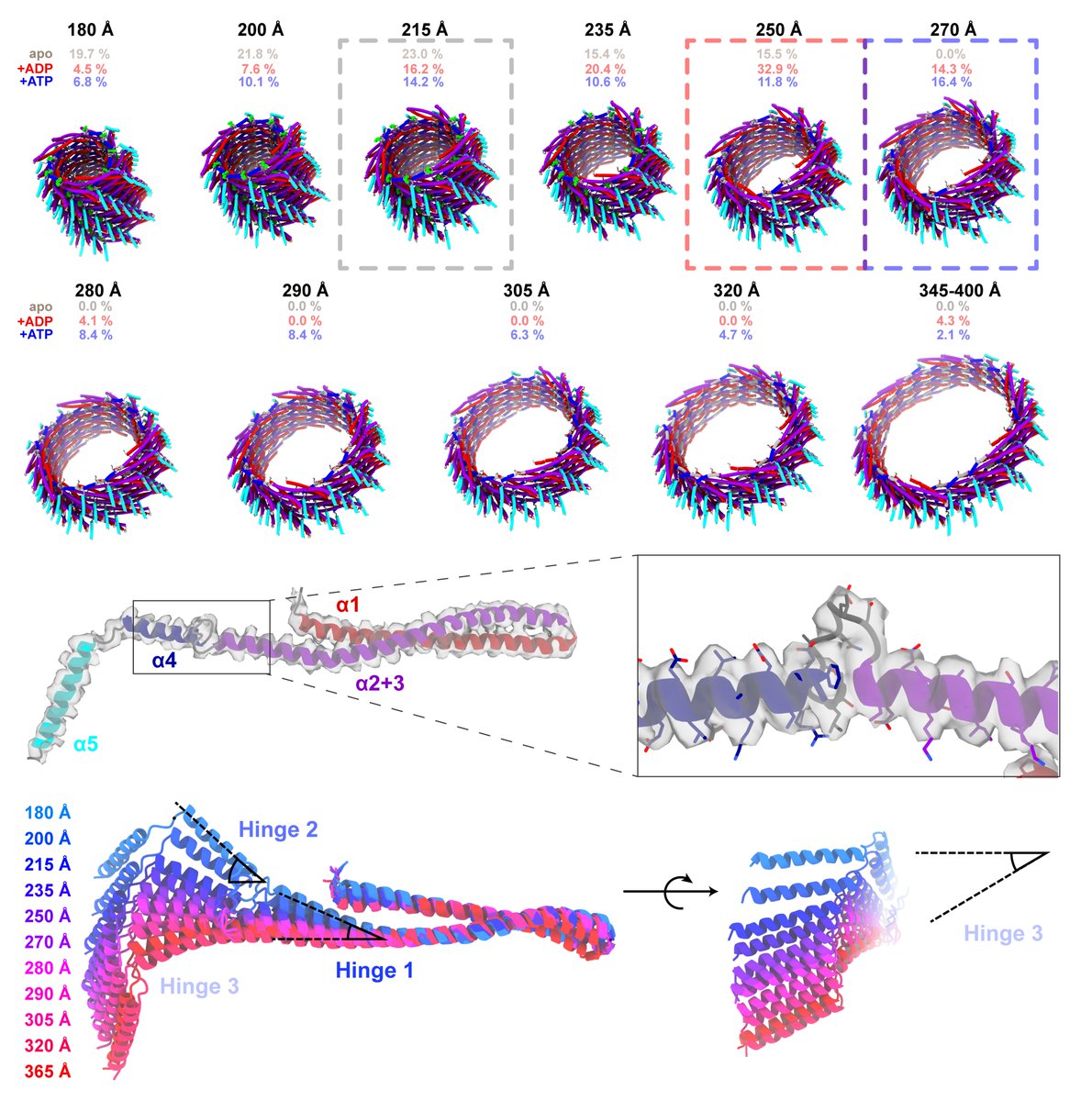
More bacterial ESCRT-III structures: A total of 61 cryo-EM structures of PspA reveal the molecular basis of plasticity of ESCRT-III assemblies under different conditions. Great collaboration with @DSchneiderLab.
https://t.co/8BbkeAsBCv
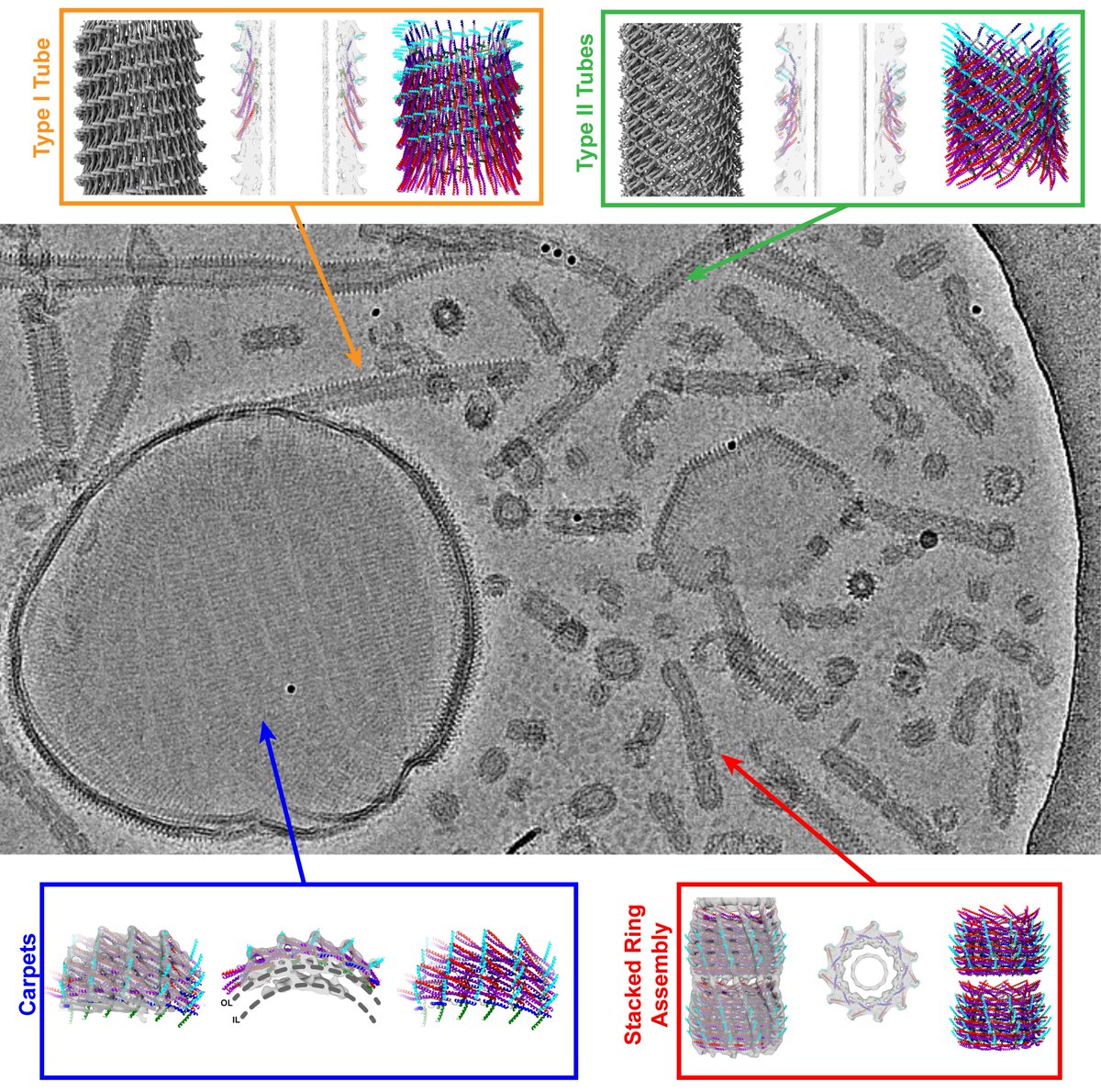
More on bacterial ESCRT-III: a total 30 cryo-EM structures of Vipp1 organized in membrane-bound coats, carpets, ring complexes, stacked-ring assemblies, and helical tubes inducing high membrane curvature. Great collaboration with @DSchneiderLab!
https://t.co/kYPqBKq3f0
The missing piece in the bacterial #ESCRT-III story.. #Vipp1 forms dynamic spiral filaments on membrane! Spirals are springs that drive 3D ring formation in the spiral centre! 😎😵💫 Wonderful collaboration with @Colom_D@RouxLab… 1/2
https://t.co/BRJhMGRE8u