Marine ecologist @FaunaFloraInt & @UCLCBER working on blue carbon / reef biodiversity / MPAs / kelp / conservation technology. Ocean optimist. Views my own
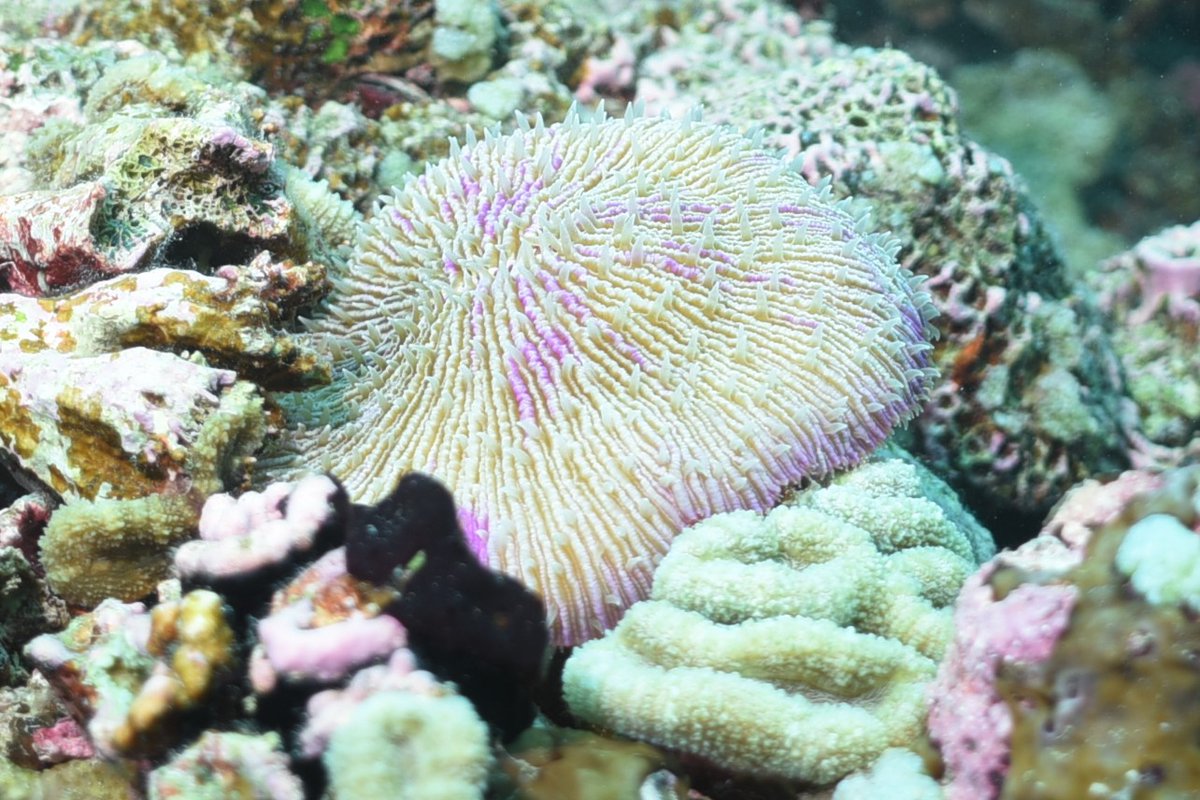
New paper out from our work in the Indian Ocean!🎉 We look at the movement ecology of mushroom #corals using #photogrammetry.
This technique can be used to track the location and survival of slow-moving species over large areas, just like a time-lapse!
https://t.co/vspG6Z7Kp5
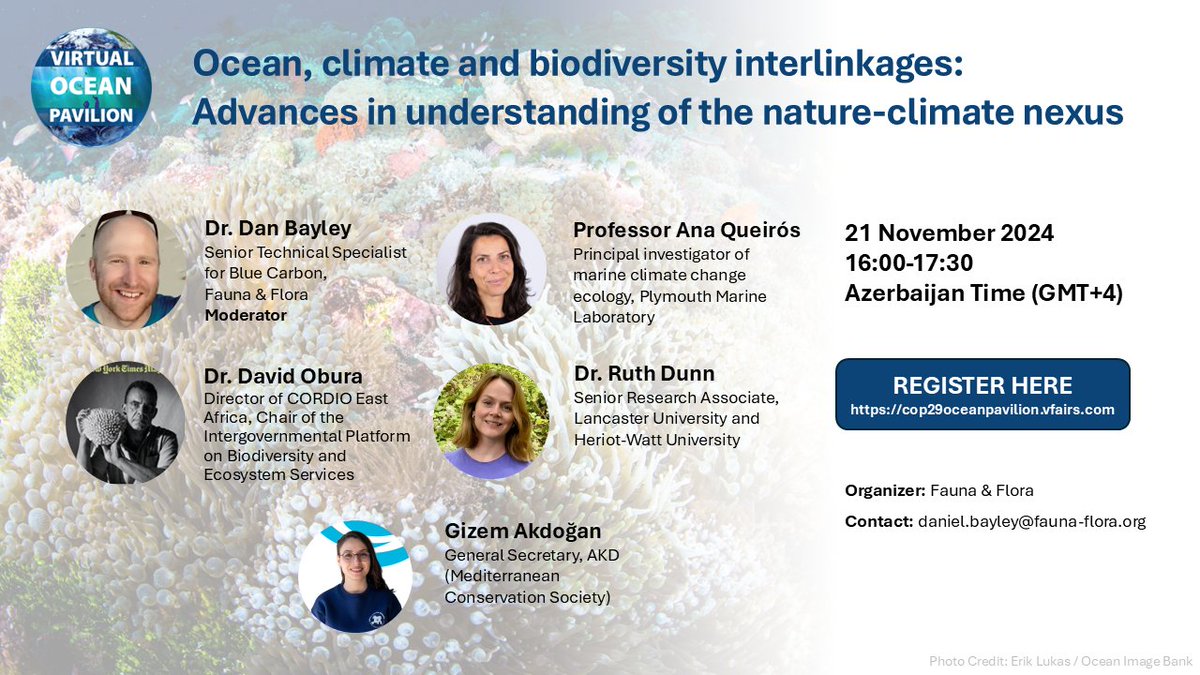
Upcoming @FaunaFloraInt -hosted webinar and discussion for #COP29 Virtual Ocean Pavilion, exploring links between ocean, climate, & biodiversity 🌊🌦️🐠
The event tomorrow is free & open to all! Just register at https://t.co/GVGZ0Lasuq & join us on the 21st Nov (12:00-13:30 GMT)
Decades ago, Strawberry Hill farm in Beds was left to go wild, resulting in one of the highest concentrations of nightingales, turtle doves, warblers & other threatened species anywhere in the country.
Can you help us save it?
Find out more & donate at https://t.co/hJa1sFkgXJ
“But none of these metrics, it seems, could truly prepare him for the act of bearing witness to the unfolding calamity he has dedicated his life to preventing” 💔 https://t.co/J1UgX8n0La
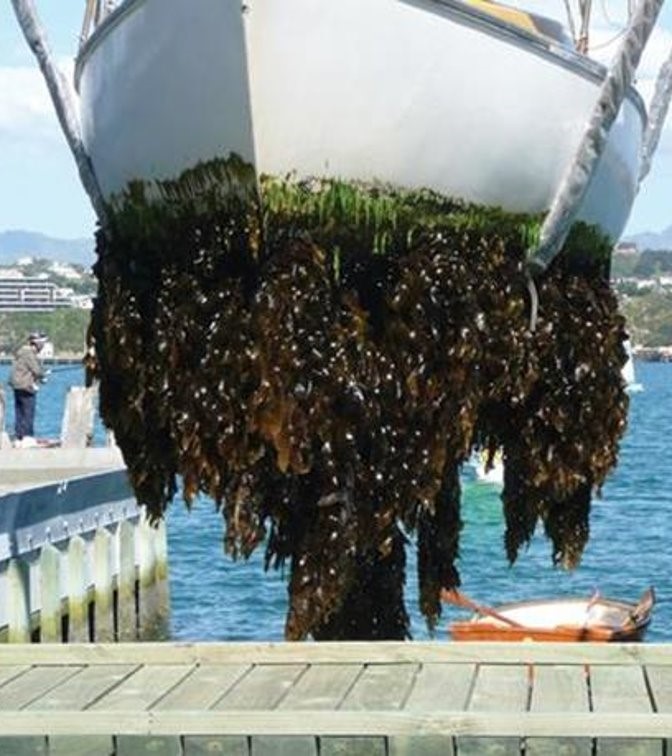
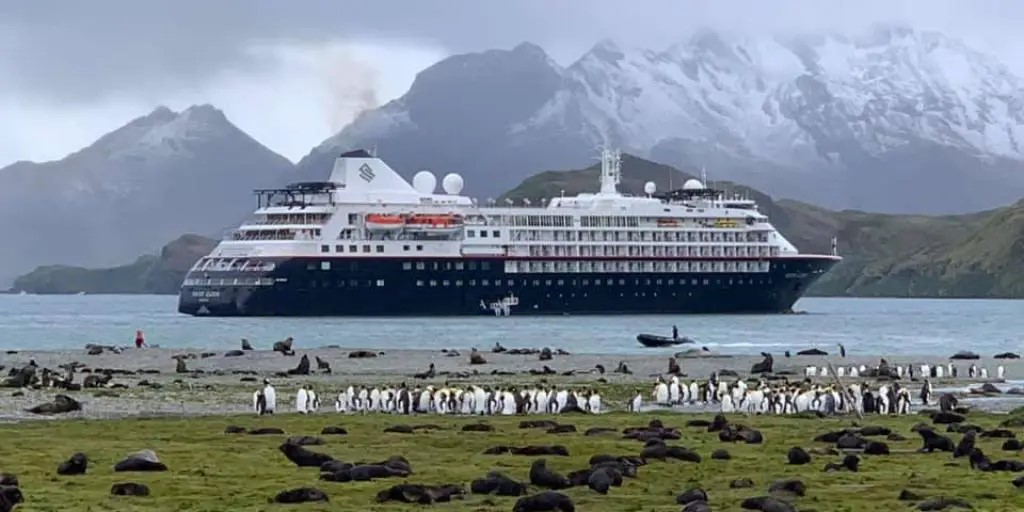
We used a combination of #networkanalysis and movement analysis of vessel behaviour and characteristics to assess ‘invasion pathways’ from hull biofouling, and identify threats across three South Atlantic ecoregions.
@SAERI_FI, @SMSG and @GovSGSSI are now using this knowledge on priority locations and vessel types to start monitoring and assessment work to help manage and safeguard the unique biodiversity from marine invasive species.
South Georgia currently has only one documented established non-native species (found last year by @NHM_London)! But the combination of rapidly changing climate conditions ☀️⛈️ and an increase in tourism⛴️activities are now making these previously isolated islands at risk!
NEW PAPER! From work with @GovSGSSI & @SAERI, on 'Identifying #marine invasion threats and management priorities through introduction pathway analysis in a remote sub-Antarctic ecosystem'. https://t.co/FSJ5q6fOxc 🧵
Mass coral bleaching unfolding at Lizard Island, northern Great Barrier Reef (March 2024). These events have become “normalised” to the point where it’s easy to forget that 20 yrs ago this would have been an unprecedented and isolated event.
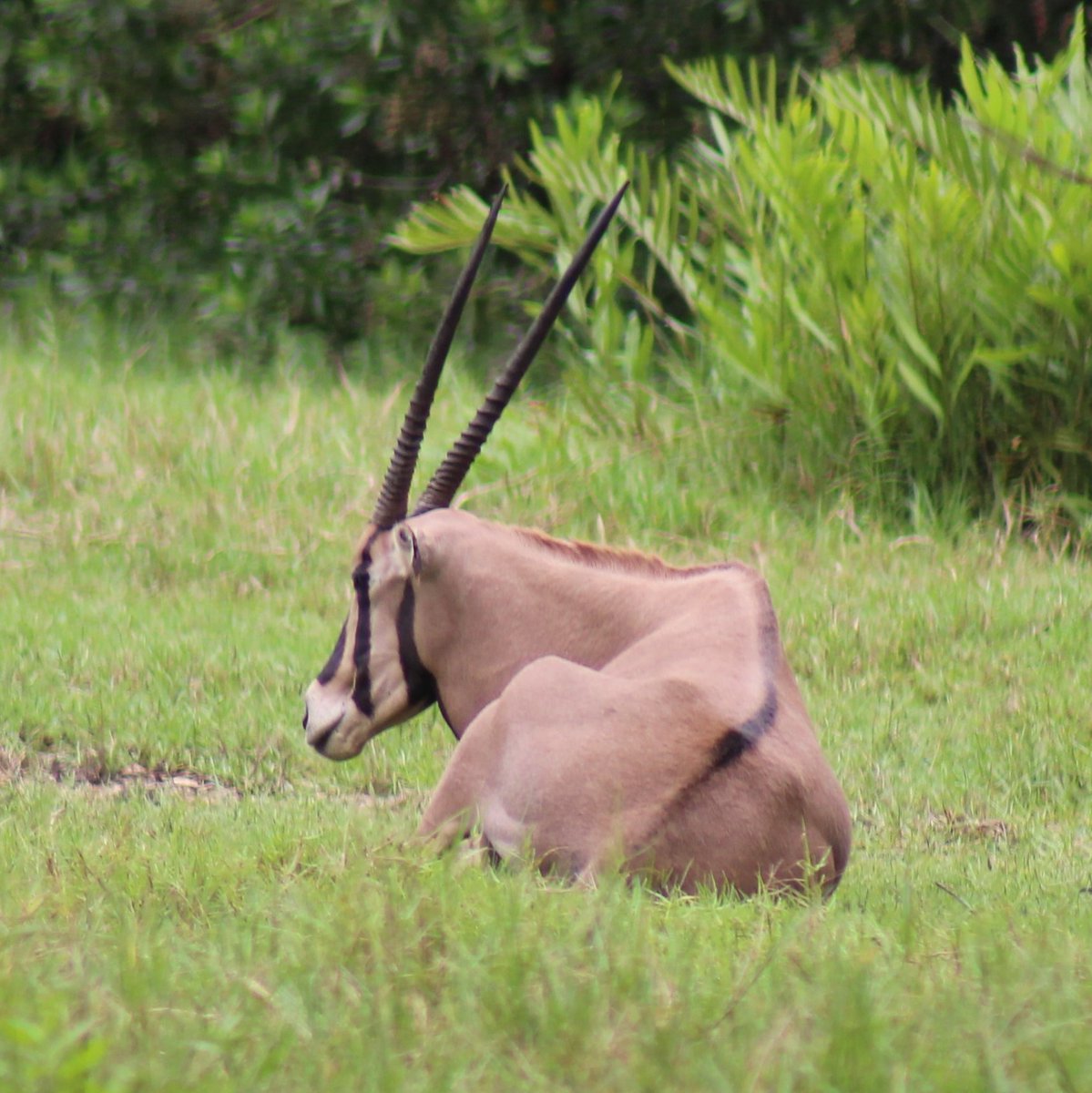
Quite an appropriate way to start a trip with @FaunaFloraInt in East Africa! Looking forward to seeing more beautiful wildlife like this oryx as I head down the coast discussing our work on mangrove forest.
@mcleamj We wrote this (hopefully helpful) guide fairly recently : https://t.co/yqjQqlAUJH Happy to give some pointers. Or @jtlrocketman has just been out surveying in Indonesia.
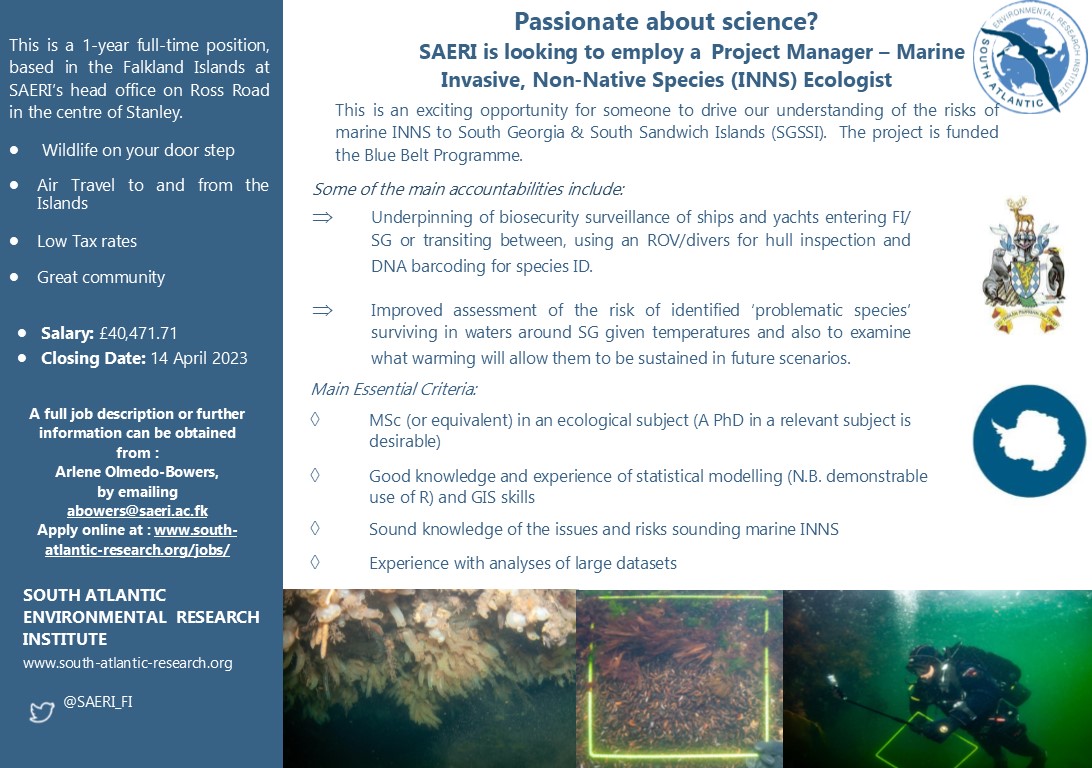
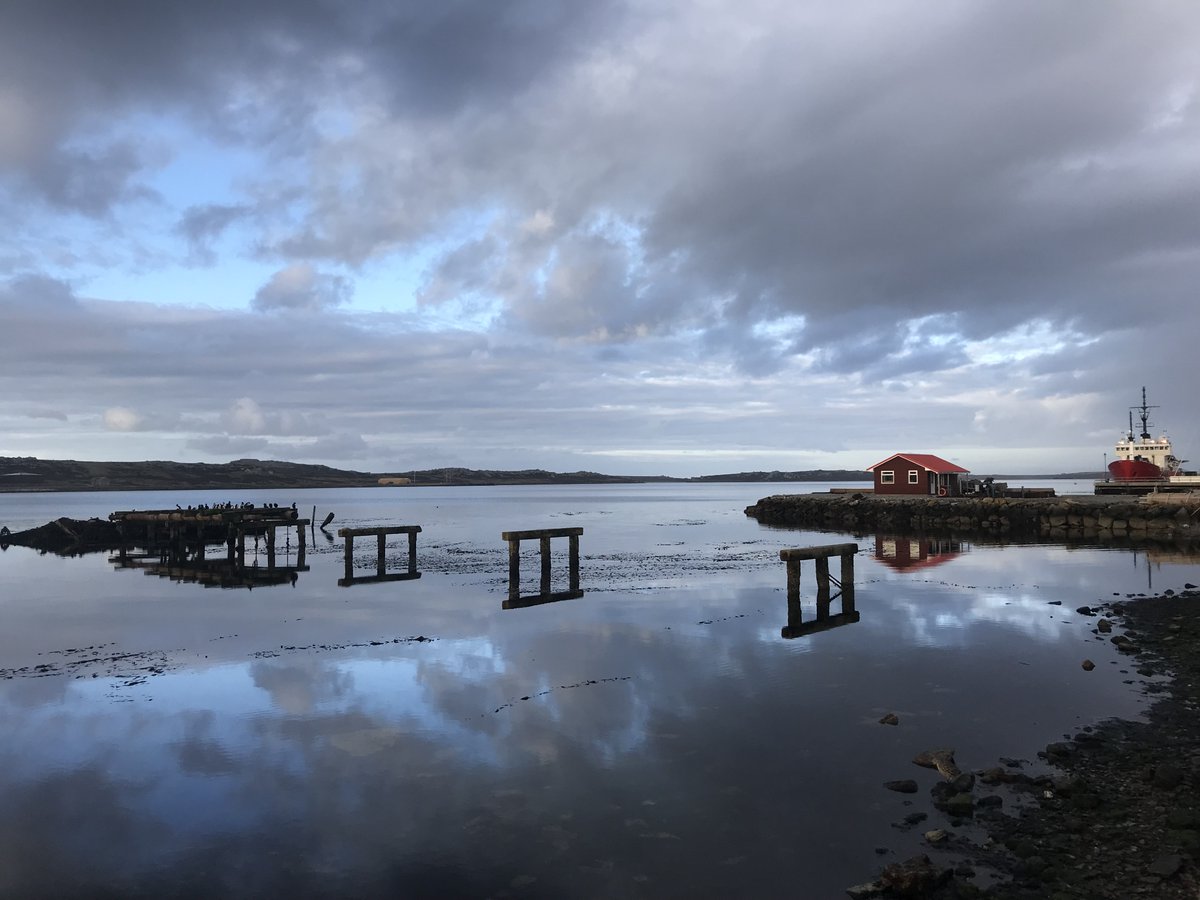
Great job being advertised at the moment with @SAERI_FI to look at marine invasive species around the Falklands and South Georgia.
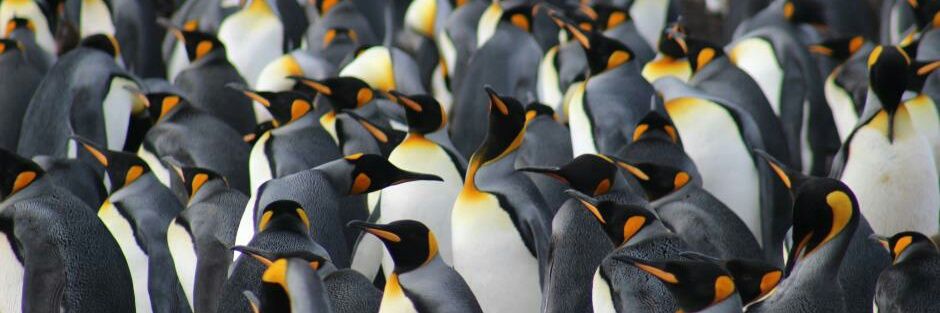
This builds on work I was doing last year, so I'm happy to answer questions. Awesome place to live & work, especially if you're a fan of penguins!