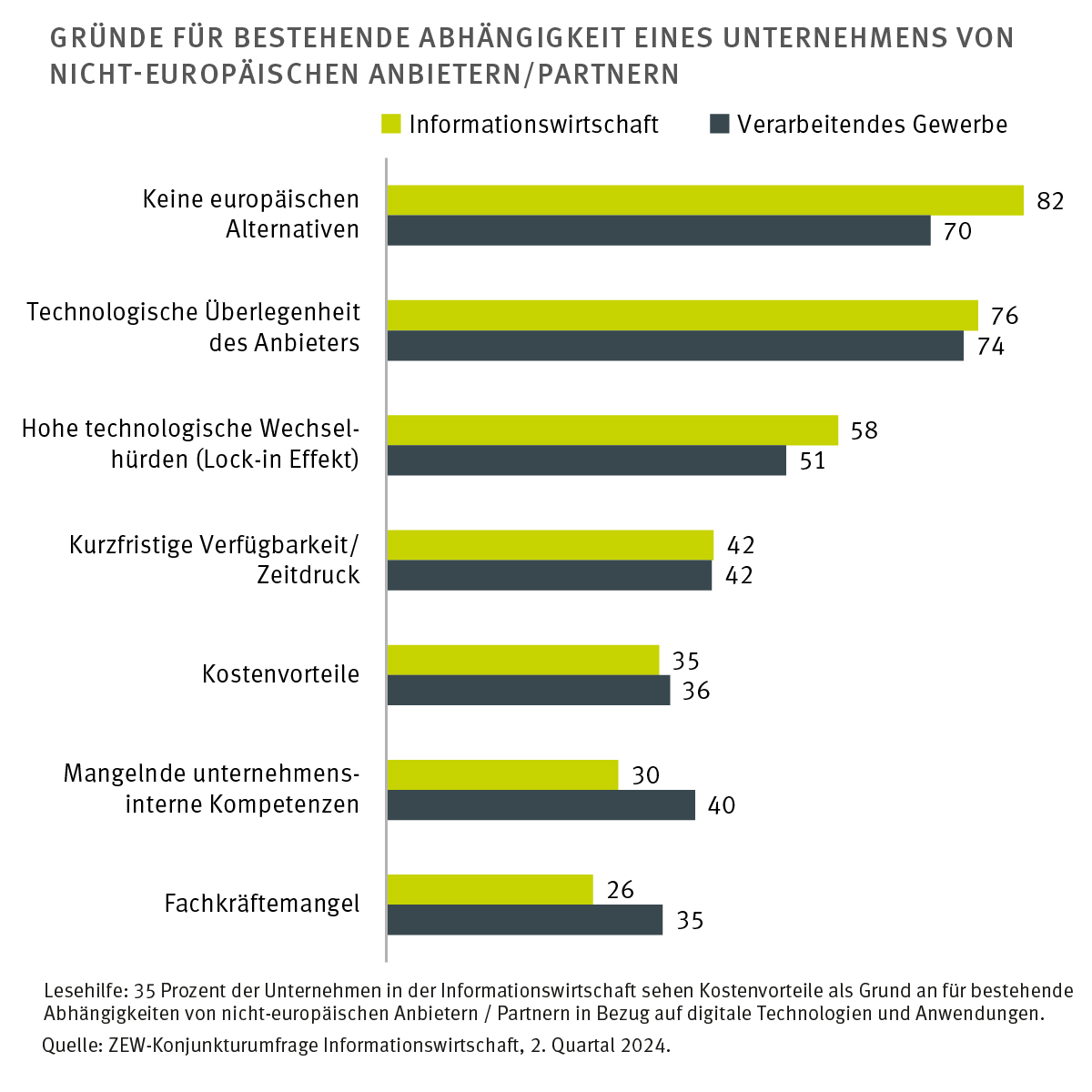
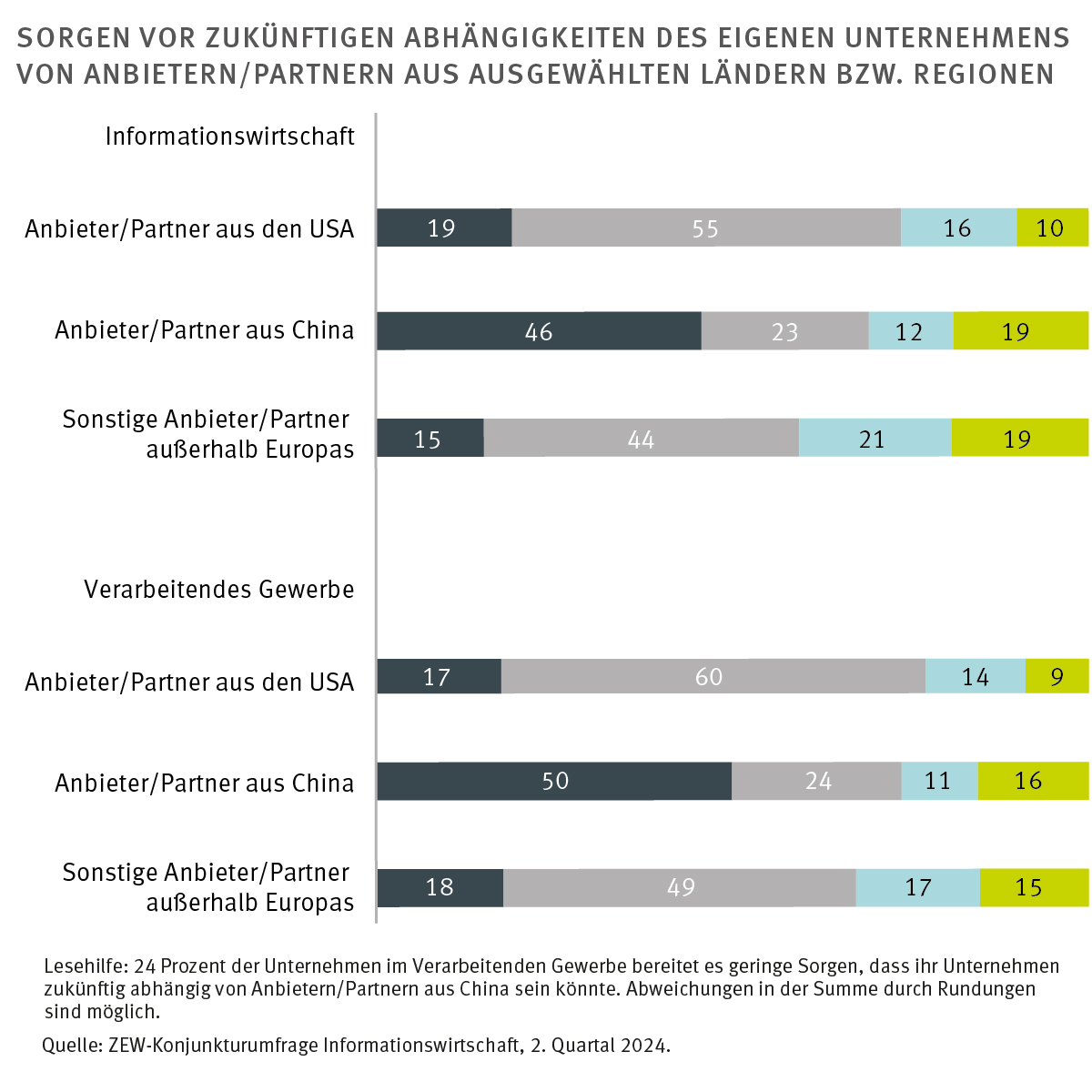
Deutsche Unternehmen sehen sich bei zentralen #Technologien abhängig, insbesondere von #US-Partnern. Ihnen fehlen europäische Alternativen. Das zeigt eine #ZEW-Studie von @D_Erdsiek & @bertschek_irene für @BMWK. #DigitaleSouveränität
Weitere Infos 👉 https://t.co/B79ehRv2Mt
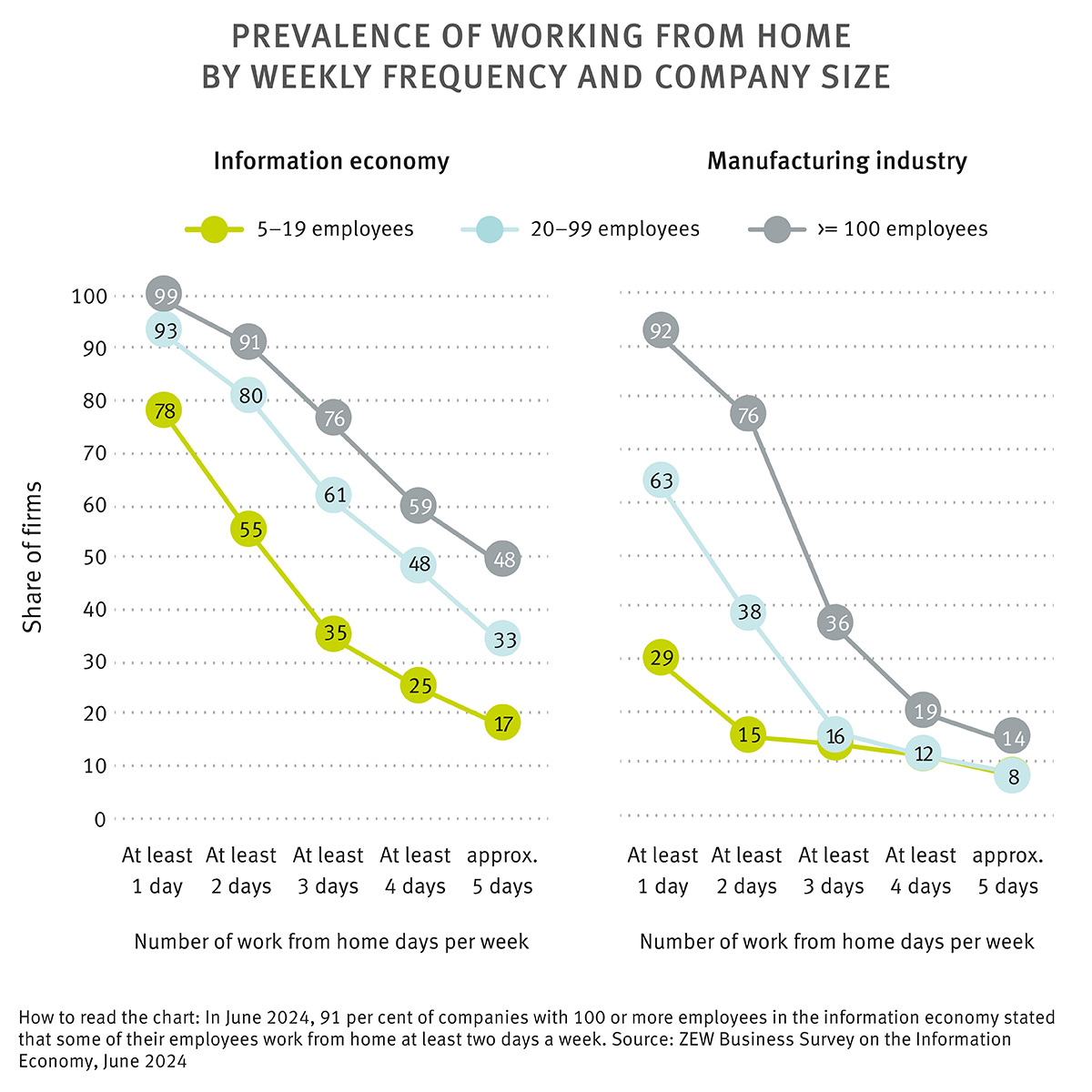
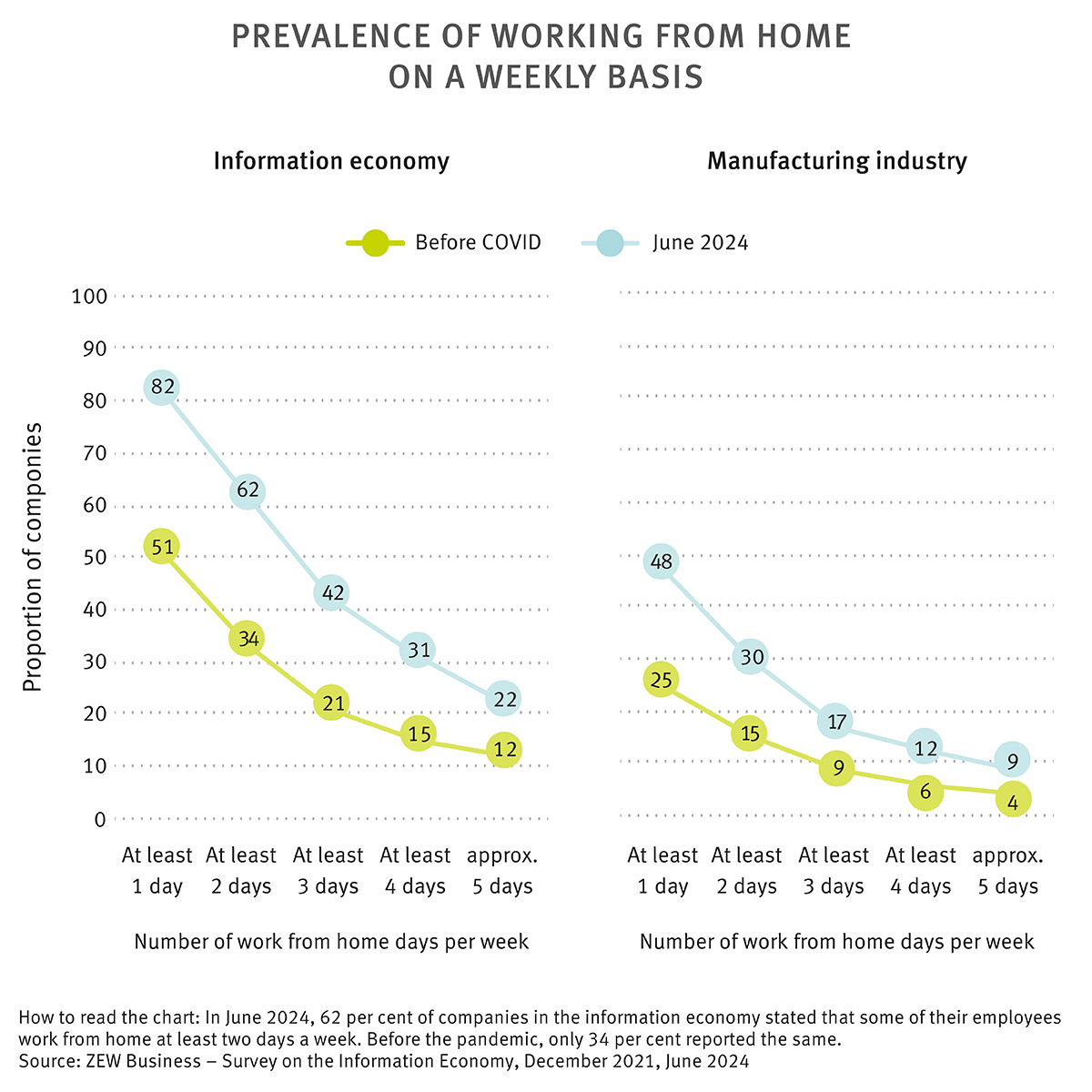
Manche Unternehmen drängen wieder auf mehr Präsenz im Büro. Das Ende der #Homeoffice-Kultur ist dennoch nicht in Sicht. Eine #ZEW-Studie zeigt: Viele Mitarbeitende machen auch weiterhin #RemoteWork 💻🏠. @D_Erdsiek im Interview @DLF 🎧⬇️
https://t.co/wSsrZdK3Pa
💻 Despite the media attention for a possible move away from working from home, a ZEW survey shows that hybrid working models are still widespread in Germany. #ZEW study📊 by @D_Erdsiek: Companies expect remote work to become even more prevalent. https://t.co/gqeePmtISz
💻 Auch wenn einige namhafte Unternehmen ihre #Homeoffice-Regelungen reduzieren: im Schnitt halten Deutsche Unternehmen am Homeoffice fest, zeigt eine repräsentative #ZEW-Umfrage von @D_Erdsiek! In Zukunft gehen sie sogar von mehr Remote-Arbeit aus! Mehr: https://t.co/lf2j6iVpnH
It's well known that lower income people tend to suffer much worse health. Is poverty at the heart of this disparity, and, if so, could a large cash transfer help close this gap? We examine an RCT that provided 1000 low income participants $1000/month for 3 years. We find…
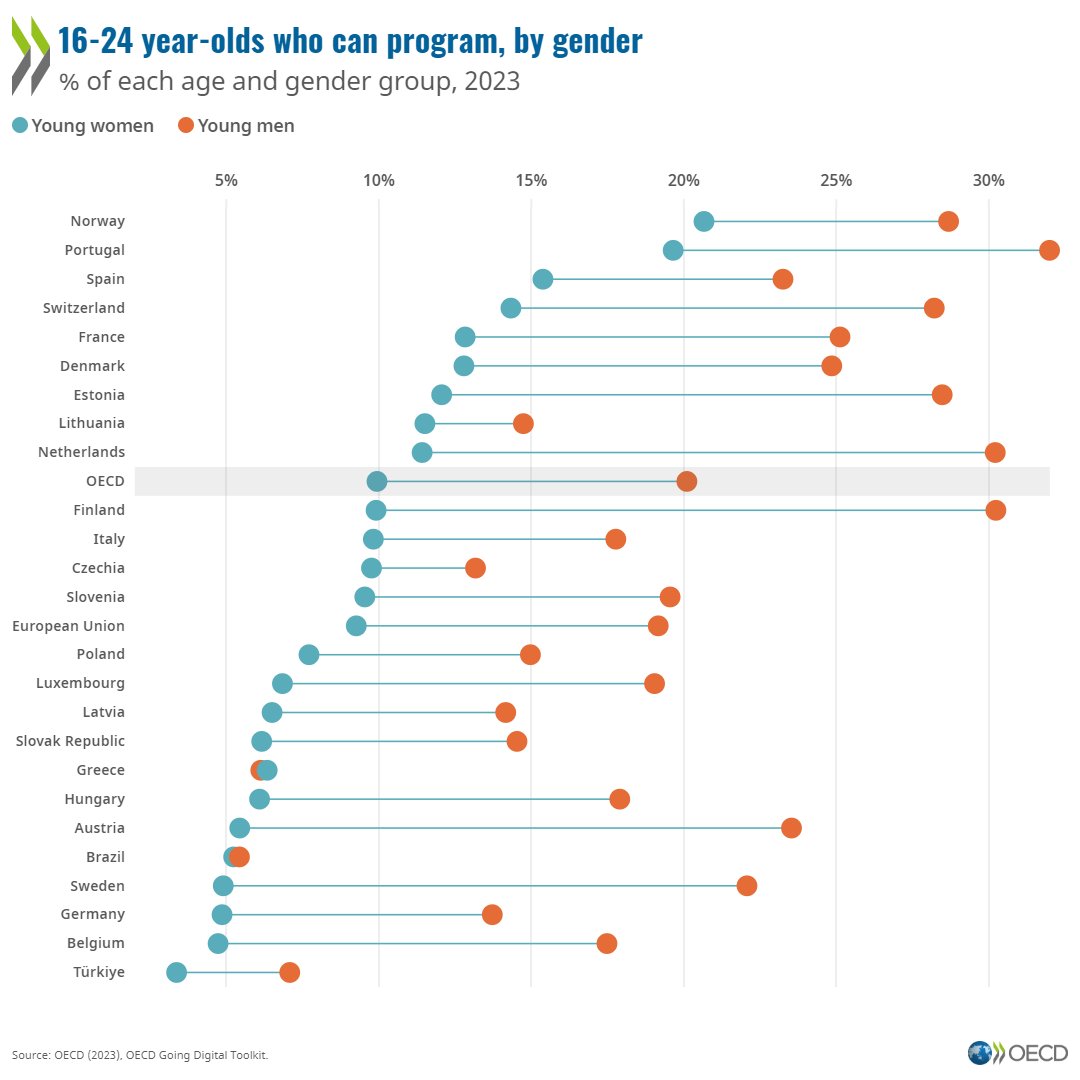
Across OECD countries, 20% of young men are able to write computer programs or code, compared to only 10% of young women.
Closing the gender skills gap in STEM requires focused education efforts and tackling biases & gender stereotypes.
🔗 https://t.co/a6NPwsF5R3 | #OECDgender
People’s beliefs about the economy strongly overreact to household-level income changes, and even adverse health events, in part due to emotion-driven selective recall, from @dtaubinsky, Luigi Butera, Matteo Saccarola, and Chen Lian https://t.co/IX4pTWaBpX
Excited to share our work on using generative AI tutors in the classroom - we ran a RCT on 1000+ students at a large high school in collaboration with math teachers. We find that students use GenAI as a "crutch," harming their learning: https://t.co/toKa5BVDLQ
Super excited to give the third plenary talk at the #SED2024 on "Using Surveys for Research in Macroeconomics." You can follow along here live (starting in 30 mins!) @bse_barcelona#EconTwitter@SEDmeeting@UABBarcelona
https://t.co/HSWNliU45e
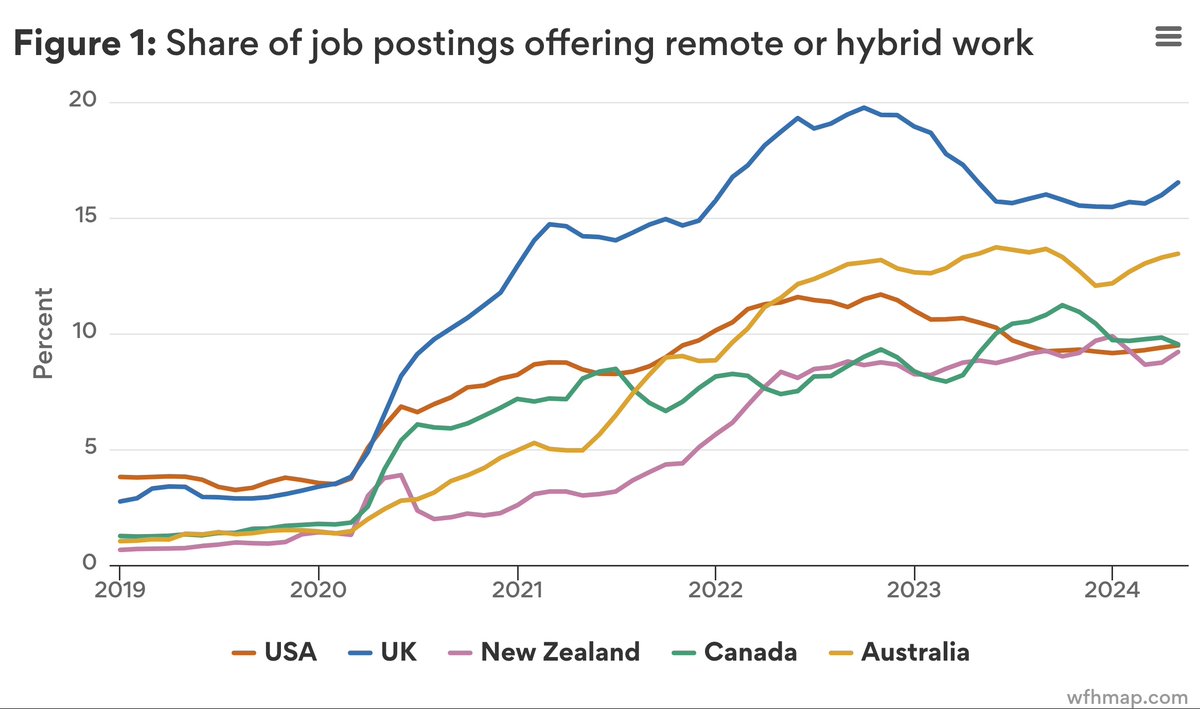
Despite the "return to office" rhetoric, share of new job ads explicitly offering remote/hybrid have been very stable since 2023Q2 across English-speaking countries. USA now equal-lowest as Australia surges! Download detailed city/county/occupation/industry monthly time-series at https://t.co/DWr6b0Egkk #RemoteWork #HybridWork #WorkFromHome #JobMarket #RemoteJobs #HybridJobs
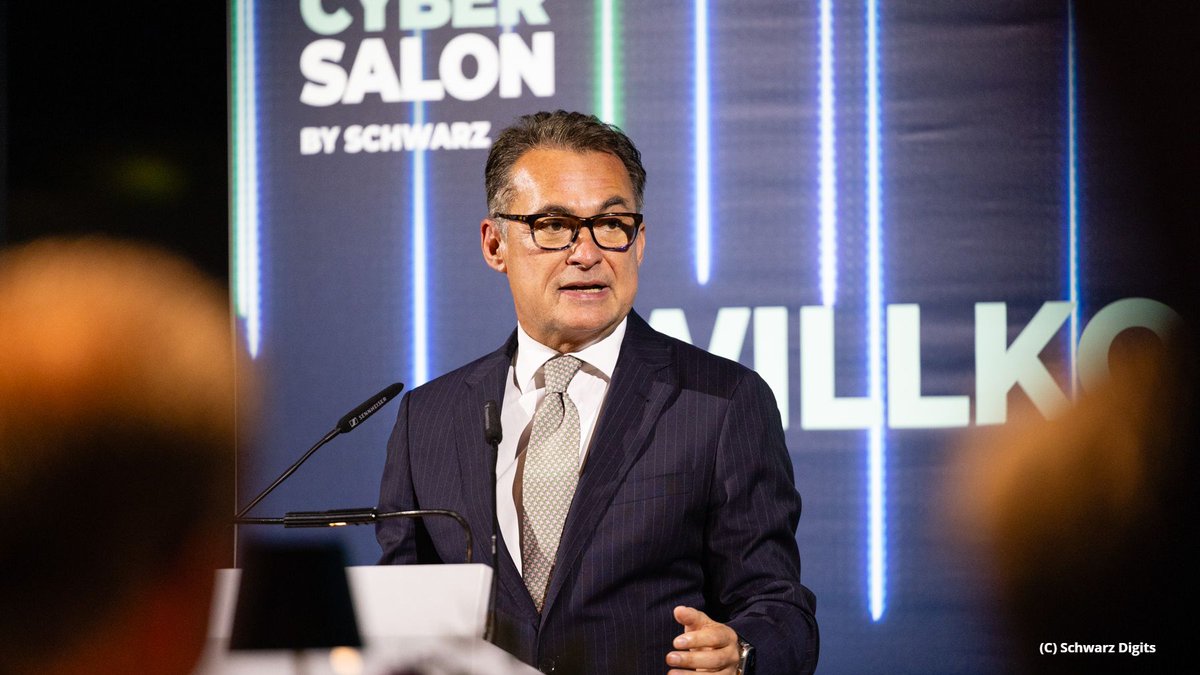
Beim Cyber Salon der #SchwarzDigits sprach #JoachimNagel über die wirtschaftlichen Chancen und Risiken der #Digitalisierung. Technologische und organisatorische Sicherheitsmaßnahmen sind laut Nagel wichtige Abwehrlinien gegen #Cyberangriffe.
👉Zur Rede: https://t.co/eyOChiphHL
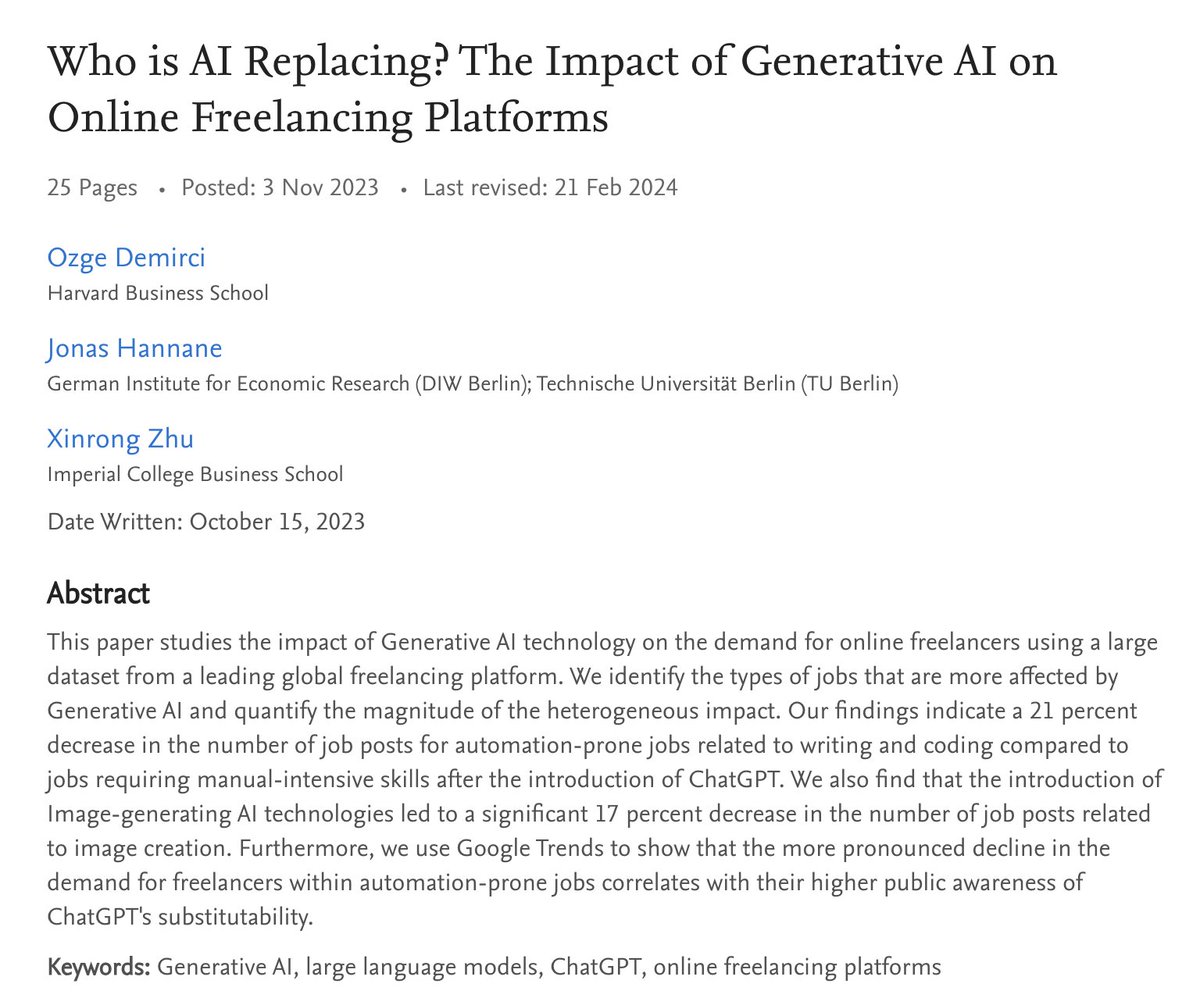
🚨AI paper alert: "Who is AI Replacing? The Impact of Generative AI on Online Freelancing Platforms" by @ozgedmirci, @hannanejonas & @zhu_xinrong is a must-read for everyone interested in AI & the job market. Quotes & comments:
"(...) Using data from a global freelancer platform, we quantify a 21% greater decline in demand for automation-prone jobs compared to manual-intensive jobs post-ChatGPT introduction, along with a 17% more pronounced decrease in demand for graphic design jobs following the release of Image AI technologies. Writing is the most affected job category by ChatGPT, followed by software, app and web development, and engineering."
-
"Our findings suggest that freelancers with specific skills may face more competition after the introduction of GenAI tools. Given the already intense competition for opportunities on online labor markets (Beerepoot and Lambregts 2015), the increased substitutability between freelancer jobs and GenAI could further drive down earnings in the short term. However, the long-term impact of GenAI on labor markets and businesses remains unclear. Although widespread adoption of GenAI as human labor replacement may worsen the welfare of workers, it could also improve productivity and potentially improve earnings (Brynjolfsson et al. 2023, Peng et al. 2023, Noy and Zhang 2023). (...)"
➡️ As I mentioned in my latest video, regardless of AI's current weaknesses (and how far we are from "AGI"), it's already impacting the job market and affecting people's livelihoods, and everyone should be aware of it.
➡️ As the pace of AI development continues to accelerate and capabilities/use cases expand to new fields, we can expect a growing impact on the job market in the months and years to come.
➡️ Read the full paper in the link below.
➡️ To stay up to date with the latest developments in AI policy & regulation, subscribe to my newsletter (link below).
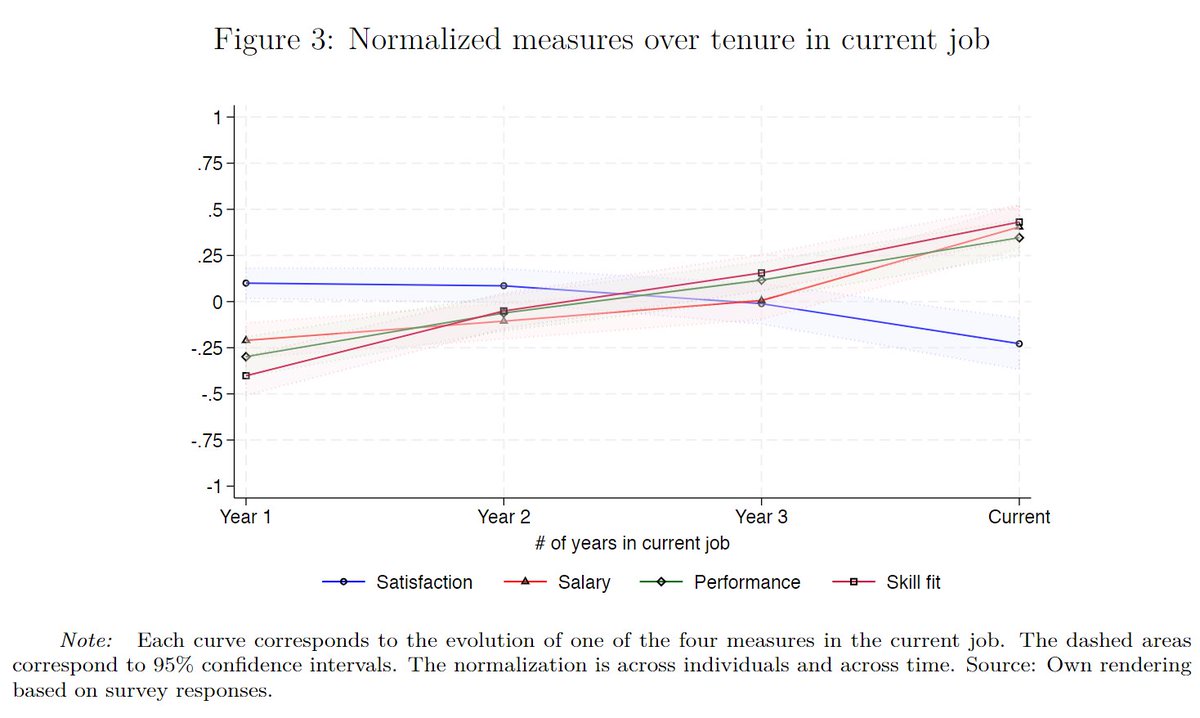
Are you interested in measures of the 'quality of a match'? Check our new paper! Not all measures tell the same story. For example, wages, performance evaluations and self-reported fit all increase with tenure, but job satisfaction decreases with tenure. https://t.co/GinZKmHHPh
#ZEW Discussion Paper 24-012 by @ganglmair, @Julia_Kraemer, and @JGambato_econ investigates how the #GDPR of 2018 influences the disclosure of #data and presents empirical results from German companies.
https://t.co/QlA5rwGci3
Our paper (with @wajeeha__ahmad , @erikbryn, and Chuck Eeseley) on the role of advertisers and platforms in monetizing misinformation is now published in @Nature! See @erikbryn's thread below and link to the paper here: https://t.co/G4HZlZxAIY
Fast 60% der Unternehmen in der #Informationswirtschaft sagen, dass sich Geschäftsprozesse durch die #DSGVO verkompliziert haben. Hoher Aufwand und zusätzliche Kosten sind Belastungen, schreibt @TspBackgroundDi über eine #ZEW-Studie von @D_Erdsiek.
[€] https://t.co/unmIhad756
„In der #Informationswirtschaft und im verarbeitenden Gewerbe fallen für etwa jedes zweite Unternehmen die negativen Aspekte der #DSGVO schwerer ins Gewicht als mögliche positive Aspekte“, sagt #ZEW-Ökonom @D_Erdsiek@fazdeconomy.
[€] https://t.co/gYckavO5Kw