The eagle plaque symbolized stability, pride, and opportunity. Housing reform can help more hardworking families qualify for that dream again. In Arkansas, 47% of homeowners already own free and clear. 🦅
https://t.co/WO9AGAHAGm
#A250#HousingReform
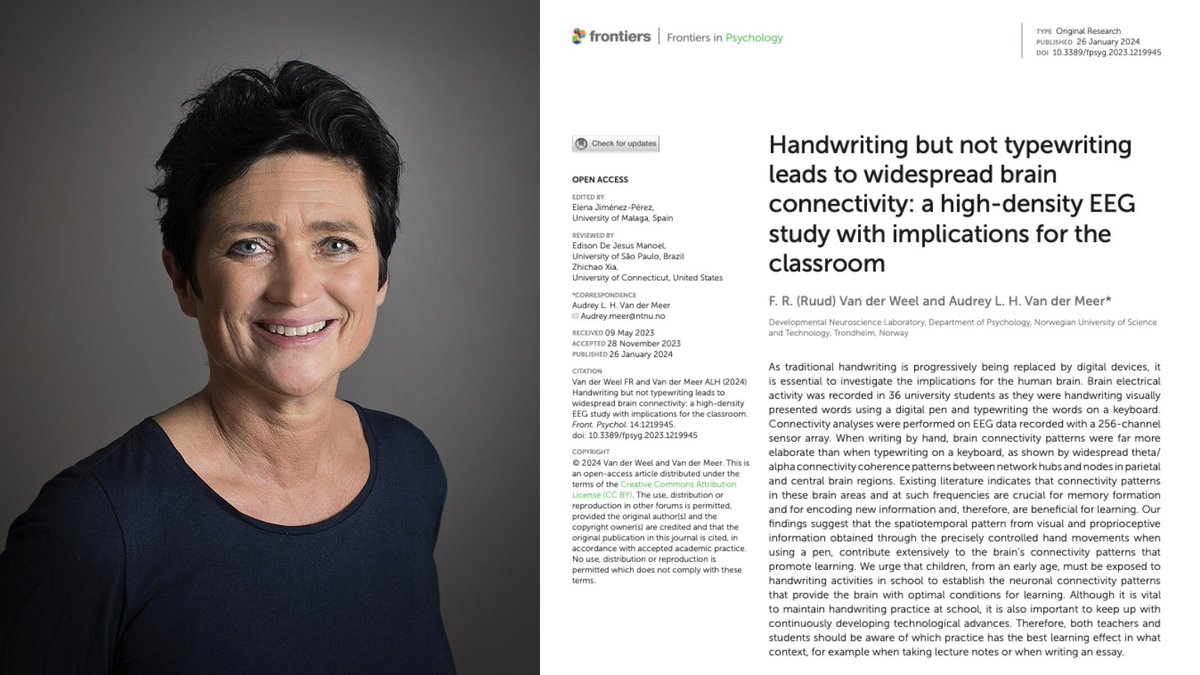
A Norwegian neuroscientist spent 20 years proving that the act of writing by hand changes the human brain in ways typing physically cannot, and almost nobody outside her field has read the paper.
Her name is Audrey van der Meer.
She runs a brain research lab in Trondheim, and the paper that closed the argument was published in 2024 in a journal called Frontiers in Psychology. The finding is brutal enough that it should have changed every classroom on Earth.
The experiment was simple. She recruited 36 university students and put each one in a cap with 256 sensors pressed against their scalp to record brain activity. Words flashed on a screen one at a time.
Sometimes the students wrote the word by hand on a touchscreen using a digital pen, and sometimes they typed the same word on a keyboard. Every neural response was recorded for the full five seconds the word stayed on screen.
Then her team looked at the part of the data most researchers had ignored for years, which is how different parts of the brain were communicating with each other during the task.
When the students wrote by hand, the brain lit up everywhere at once.
The regions responsible for memory, sensory integration, and the encoding of new information were all firing together in a coordinated pattern that spread across the entire cortex. The whole network was awake and connected.
When the same students typed the same word, that pattern collapsed almost completely.
Most of the brain went quiet, and the connections between regions that had been alive seconds earlier were nowhere to be found on the EEG.
Same word, same brain, same person, and two completely different neurological events.
The reason turned out to be something nobody had really paid attention to before her work. Writing by hand is not one motion but a sequence of thousands of tiny micro-movements coordinated with your eyes in real time, where each letter is a different shape that requires the brain to solve a slightly different spatial problem.
Your fingers, wrist, vision, and the parts of your brain that track position in space are all working together to produce one letter, then the next, then the next.
Typing throws all of that away. Every key on a keyboard requires the exact same finger motion regardless of which letter you are pressing, which means the brain has almost nothing to integrate and almost no problem to solve.
Van der Meer said it plainly in her interviews.
Pressing the same key with the same finger over and over does not stimulate the brain in any meaningful way, and she pointed out something that should scare every parent who handed their kid an iPad.
Children who learn to read and write on tablets often cannot tell letters like b and d apart, because they have never physically felt with their bodies what it takes to actually produce those letters on a page.
A decade before her, two researchers at Princeton ran the same fight using a completely different method and ended up at the same answer. Pam Mueller and Daniel Oppenheimer tested 327 students across three experiments, where half took notes on laptops with the internet disabled and half took notes by hand, before testing everyone on what they actually understood from the lectures they had watched.
The handwriting group won by a wide margin on every question that required real understanding rather than surface recall.
The reason was hiding in the transcripts of what the two groups had actually written down.
The laptop students typed almost word for word, capturing more total content but processing almost none of it as they went, while the handwriting students physically could not write fast enough to transcribe a lecture in real time, which forced them to listen carefully, decide what actually mattered, and put it in their own words on the page.
That single act of choosing what to keep was the learning itself, and the keyboard had quietly skipped the choosing and skipped the learning along with it.
Two studies. Two countries. Same answer.
Handwriting makes the brain work. Typing lets it coast.
Every note you have ever typed instead of written went into your brain through a thinner pipe. Every meeting, every book highlight, every idea you captured on your phone instead of on paper was processed at half depth.
You did not forget those things because your memory is bad. You forgot them because typing never woke the part of the brain that would have made them stick.
The fix is the thing your grandmother already knew.
Pick up a pen. Write the thing down. The slower road is the faster one.
Eliminated grocery tax ✅
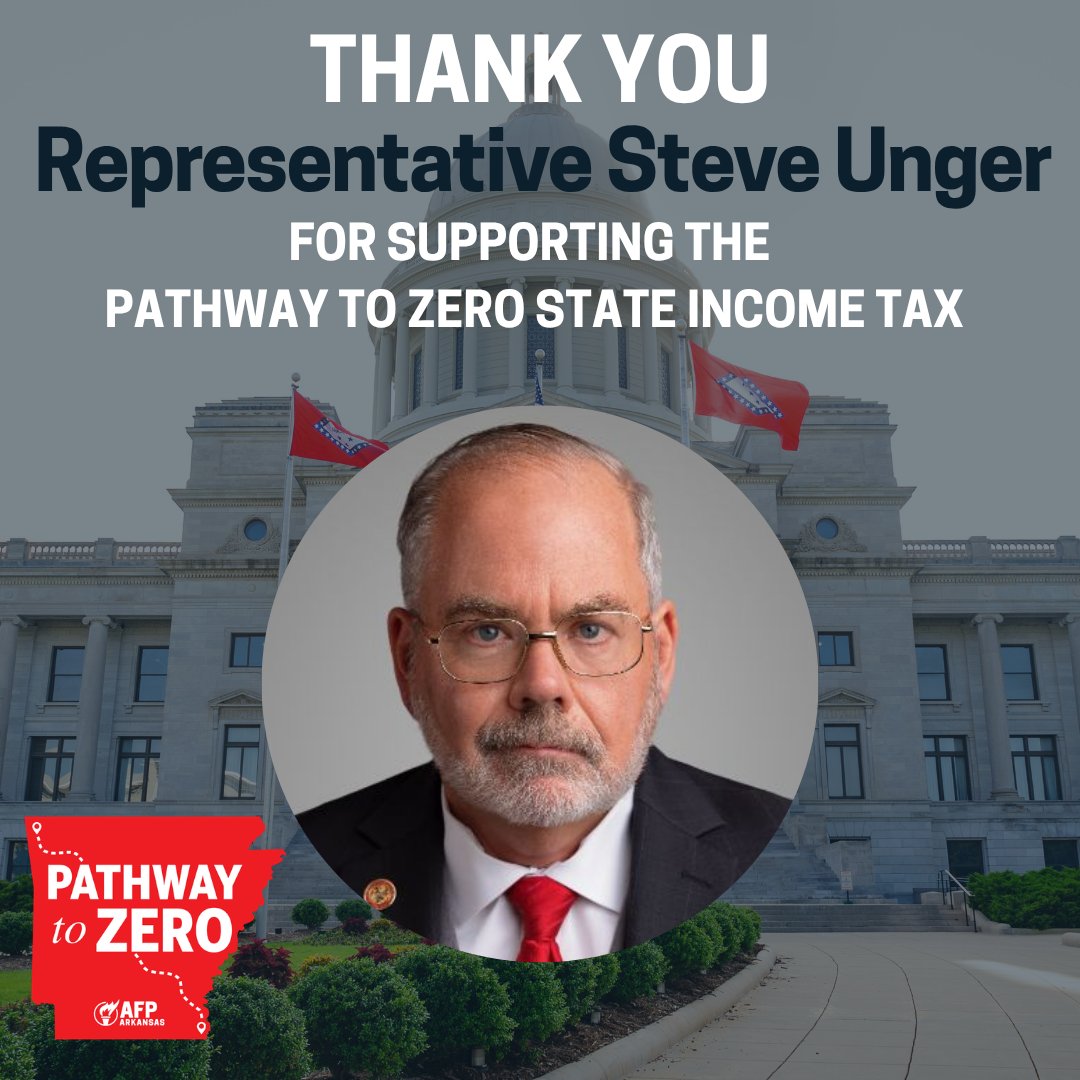
Cut income tax by 25% ✅
Delivered property tax relief ✅
Our boys Huck & George starring in first ad of my re-election campaign 🥰
Arkansas cut our income tax from 3.9% --> 3.7% this month. Another win for taxpayers. But this is a good reminder that #arleg has to already be thinking about the next step in tax relief for our citizens (2027?). Our neighbors are trying to catch up & even surpass us. #arpx
When parents are forced to pay property taxes into a public school system that does not meet their child’s learning needs, while being denied meaningful educational options or accountability, it begins to feel like taxation without representation.
Families of children with dyslexia, autism, ADHD, and other learning differences should not be trapped in systems that ignore their child’s needs while still demanding their tax dollars with no real voice or recourse.
Education funding should follow the student — because every child deserves the opportunity to learn in an environment where they can succeed, not simply where they are assigned by ZIP code.
A child’s future should matter more than protecting a system.
🧵@RepWesterman’s SPEED Act is exactly the kind of permitting reform America needs.
If we want abundant, affordable, and reliable energy, we have to stop treating infrastructure projects like they’re impossible to build in the United States. 🇺🇸
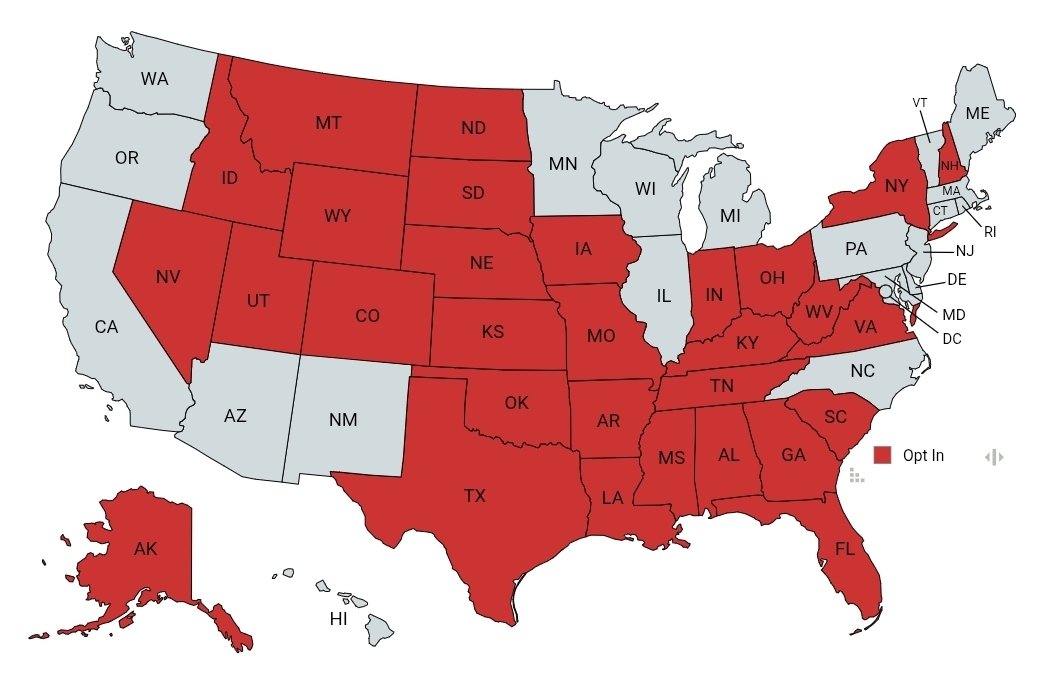
BREAKING: New York Governor Kathy Hochul has announced she will opt in to Trump's new school choice program.
She is the second Democrat Governor to announce they will opt in.
That makes 30 states so far.
Earlier this week, Chairman @RepWesterman spoke to @EximBankUS on the importance of permitting reform and securing America’s critical mineral supply chains. Their work has helped drive the next step towards American energy and mineral independence.
We look forward to further working with Chairman @JJovanovicUSA and @EximBankUS to continue unleashing American mineral dominance.
After touring Talen Energy’s Freedom Energy Center in Berwick, PA, I spoke with Dave McCormick about his Unleash American Energy & Jobs Act—cutting red tape so projects like this can power America’s future. 🇺🇸.