In the @FT today, I explain how President Trump, the Treasury Department, and @SenJoniErnst are working to save tens of billions by strengthening the Do Not Pay system, which President Obama created in 2010.
This reform should have bipartisan support. @SenatorDurbin@RonWyden@SenGaryPeters sponsored similar reforms last year.
Has any sports franchise or league ever bungled a generational opportunity like the @IndianaFever and the @WNBA have managed to do over the last two years? Revoking reporters’ credentials for doing their job is bush league.
Happy #529Day! 🎓
529 accounts started as college savings plans. Now they cover K-12 tuition, apprenticeships, job training, and more.
They could become America's engine for education choice and lifelong learning.
@mctoth@FREOPP@NationalAffairs
https://t.co/tc9h72TbZ1
This is great news.
One opportunity: use Treasury's Do Not Pay tool to screen benefit payments.
A 2021 NYC Comptroller Audit used the tool to uncover that the city paid $700k to 39 adoptive parents who were dead.
This morning we are introducing COGE — the Commission on Government Efficiency. This Commission will find ways for our city to work smarter, faster, and more effectively for working people. New Yorkers deserve a city government as careful with their money as they are.
Today’s announcement from @CommerceGov and @POTUS to invest in quantum computing companies and new quantum foundries is an important step toward securing American leadership in quantum technology development and deployment. @PrinehaN and I outlined our vision of how domestic manufacturing and supply chain security are critical to America’s quantum future. The deals announced today put those ideas in action. Welcome to the quantum moment.
Congress transformed 529 accounts into lifelong learning accounts. Now states can make them work for every child, especially those whose families struggle to save.
FREOPP's @DanLips on how ⤵️ https://t.co/xYiNFe8kfV
This tracks what our DC Civil Rights Advisory Committee investigation found in DC:
DCPS was rationing private placements and special education services based on who could hire lawyers to issue due process complaints.
"Suing the city for private school tuition has become a norm" for wealthy NYC parents of students with disabilities, according to @NYMag.
ALL students deserve to attend a school that meets their needs. NY should embrace education freedom - EFTC, a state program, the works.
TLDR: State policymakers can help promote equal opportunity for children living below median income and wealth. Establishing policies or programs to contribute funds into 529 accounts is an excellent first step.
Read the full report by @DanLips 👇
https://t.co/xYiNFe8kfV
@EduIndependence One way to do this would be to transfer unspent funds into 529s which are owned by the student. Approximately 16M Americans already have $500B in 529s. Unlikely these accounts will be tightly regulated or used as a compliance tool in the future.
K-12 ESA's should be designed to allow families to conserve $ and save funds for future use (including future tutoring, enrichment, college, job training costs etc) to prevent tuition inflation
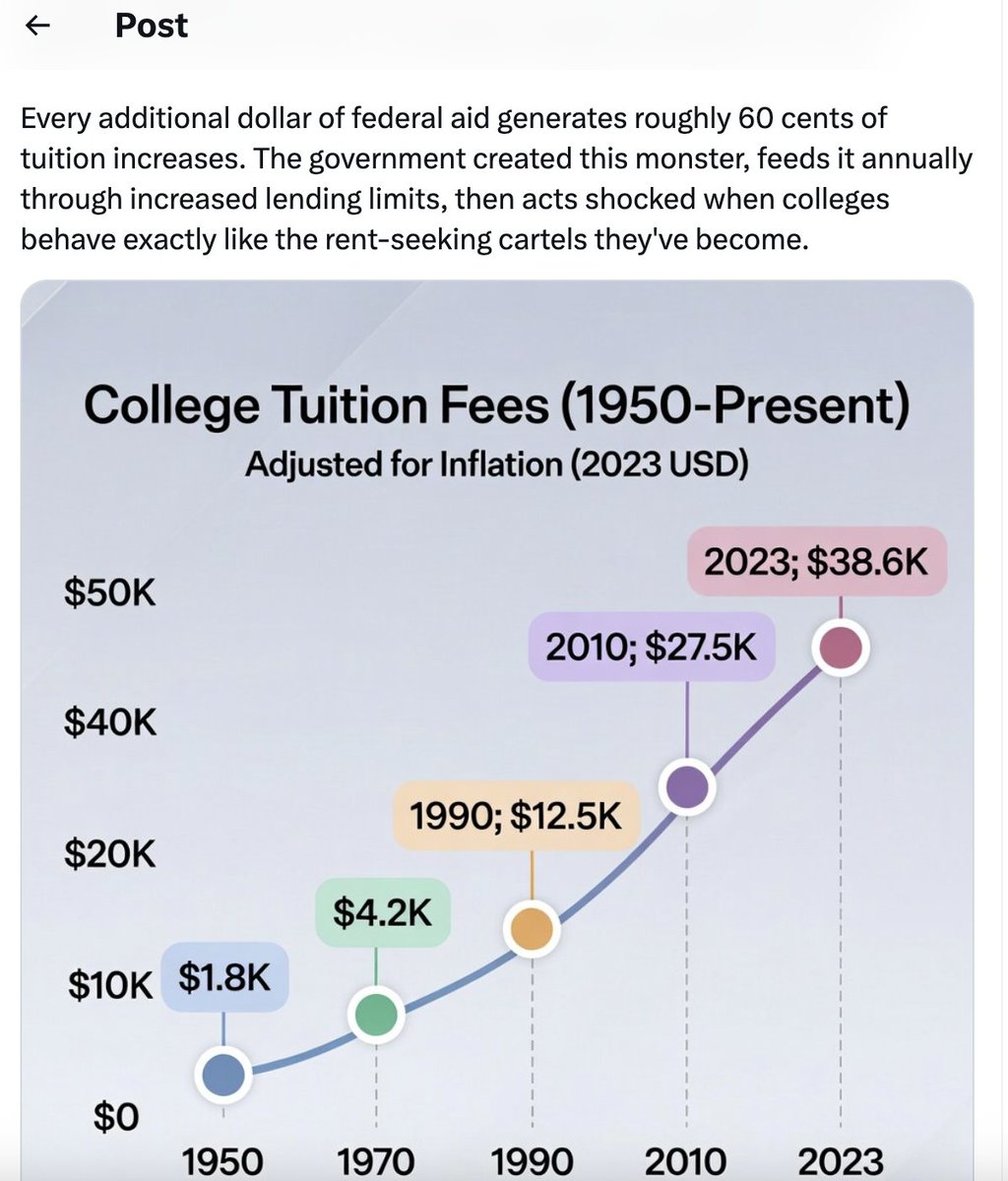
Government subsidies drove up college tuition. Most people agree on that.
So why would vouchers and ESAs work differently for K-12?
Same structure. Third-party dollars flowing to private providers. Prices adjust to capture the funding. Regulations follow the money.
The exit from government education should not require a government check. Join the conversation and learn more: https://t.co/CVGIicqAb1
Ramesh's final chemotherapy treatment is tomorrow. In your charity, please pray for @RameshPonnuru this week--that his health will be completely restored. He is deeply loved, as our friends and family have demonstrated so well over these last eight months. ❤️🙏
"Full-spectrum" education choice has the potential to close wealth gaps, expand access to tutoring and enrichment, and give every American a real stake in their own human capital.
@DanLips and @mctoth on what that looks like in practice 👉 https://t.co/Xv9n7avT95
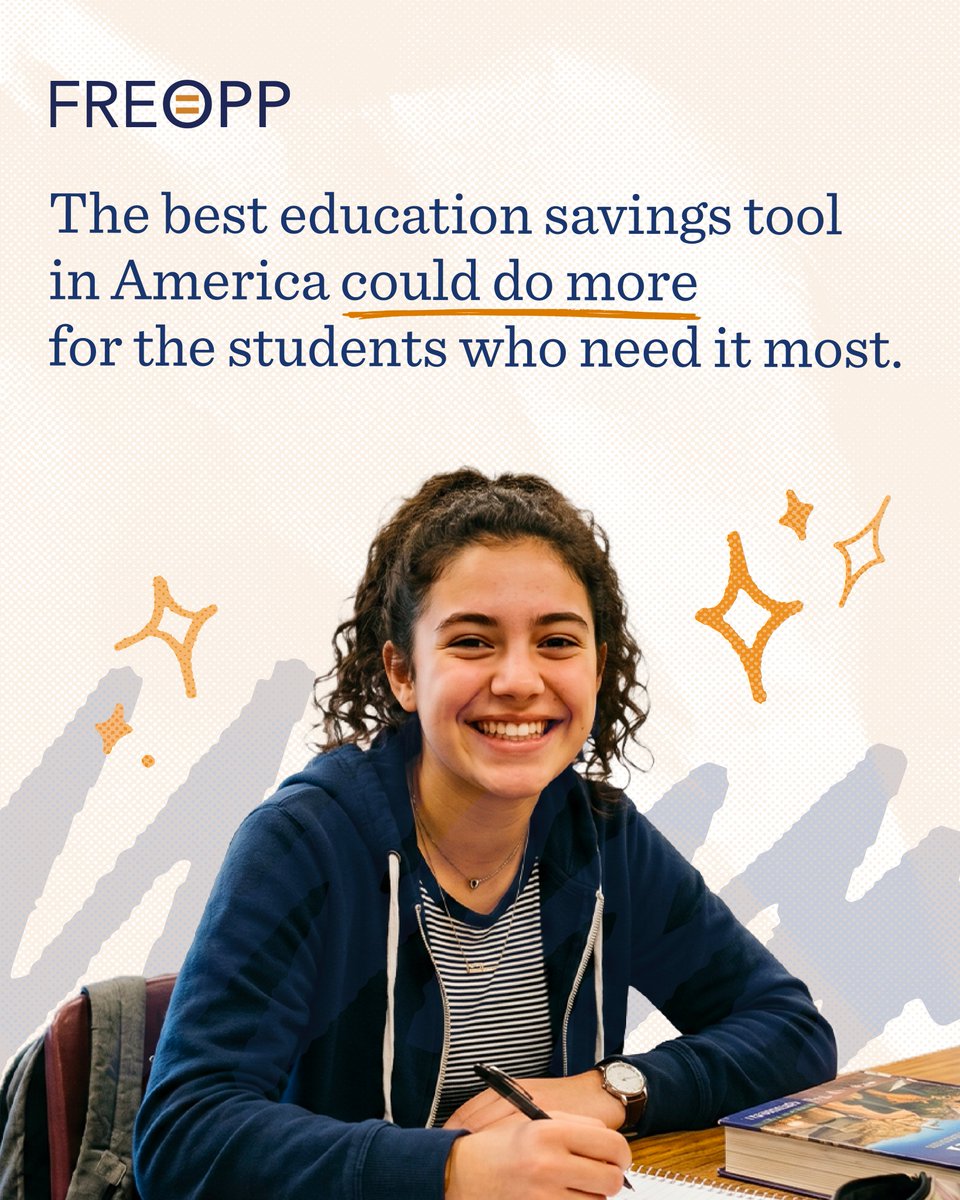
One of the most powerful education savings tools in America is almost entirely out of reach for families living below median income and wealth.
@DanLips writes: State policymakers have the tools to close that gap so all American children can thrive.
https://t.co/xYiNFe8kfV
Americans hold $500B+ in 529 accounts — but ownership among households below median income is just 0.3%. New @FREOPP whitepaper: here's how states can close the gap and make education savings work for everyone.