Research suggests that detecting misinformation is difficult. When we encounter new information—especially online—we tend to focus on understanding it and deciding what to do next, rather than evaluating it for accuracy. #facts#truth#psychology
ATTENTION 🧠 GRAD STUDENTS!
Interested in a postdoc in neuroscience? Apply now for the opportunity to visit @SinaiBrain, share your work, and receive $1000. We particularly encourage individuals from backgrounds underrepresented in STEM to apply!
https://t.co/B63ij9C2sP
Presenting my #CellBio2023 poster today at 12:15 on how our video game #Microscopya combines molecular mechanisms with visual metaphors to create puzzles that communicate science in intuitive ways! Currently looking for collaborators, so please stop by! #SciArt#SciCom#IndieDev
My laboratory is recruiting a postdoc to work on neural population dynamics for the adaptive control of locomotion. Our approach integrates large-scale recording in freely-moving mice, EMG, behavioral and optogenetic manipulations, and computation. Feel free to get in touch!
Pavlovian Fear Conditioning Is More than You Think It Is
We could understand the complete neural basis of freezing, yet know little about the neural basis of fear
https://t.co/9Ax3scfjQs
Pope John Paul and Muhammad Ali had Parkinson's, @billieeilish has Tourette, Katherine Hepburn had essential tremor, Robin Williams and Dudley Moore had PSP, Leon Fleisher and the guy who draws Dilbert had/have dystonia. Guess what: most of the millions of people worldwide who have movement disorders are not celebrities. Everyone should join Victor Fung @movedisorder president on World Movement Disorders day to recognize everyone on the planet living with a disorder of motion. @ParkinsonDotOrg@PdAvengers
Yale has a unique program in which students can get a Combined PhD in Psychology and Philosophy
The admissions process for this program is pretty counterintuitive in certain respects, so I wrote up an informal explainer about how to apply
https://t.co/BQroc7B6xE
Check this out! @EricJNestler and I co-edited this PNAS special issue:
The Neurobiology of Stress: Vulnerability, Resilience, and Major Depression | Proceedings of the National Academy of Sciences | Proceedings of the National Academy of Sciences https://t.co/4k90tKtP0Q
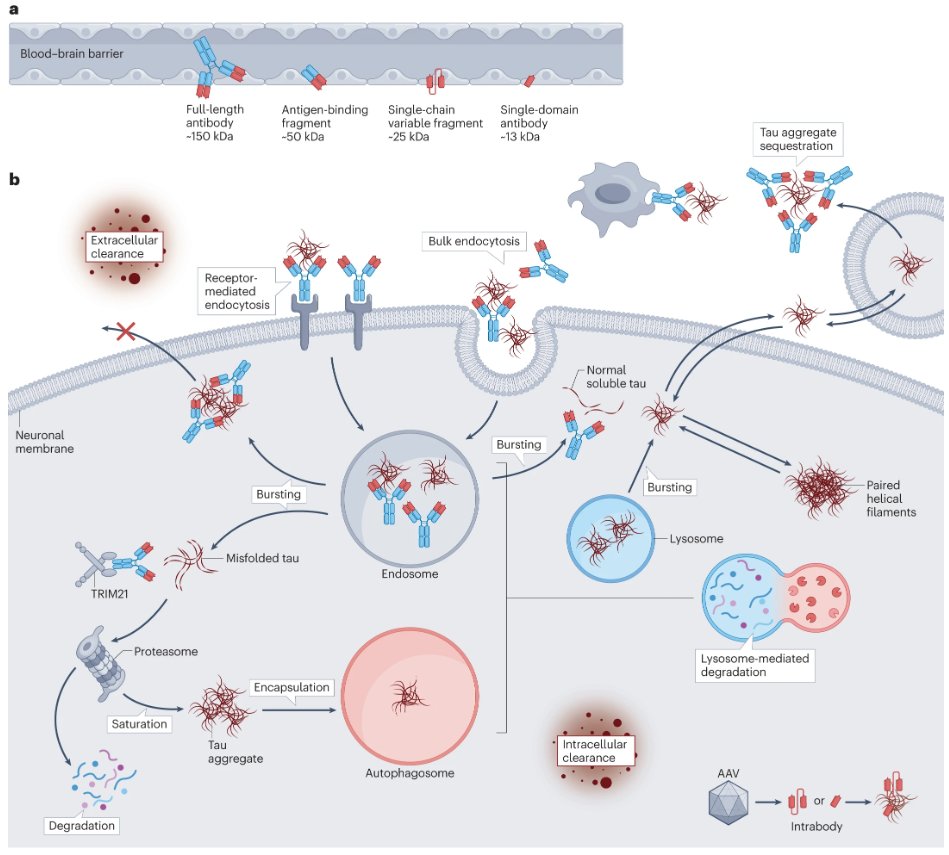
Our featured article this month is this review on tau-targeting therapies in Alzheimer disease - the authors provide an update on initial immunotherapy trials, new therapeutic candidates in clinical development, & consider future directions. Full PDF here: https://t.co/6PRs1fv8DK
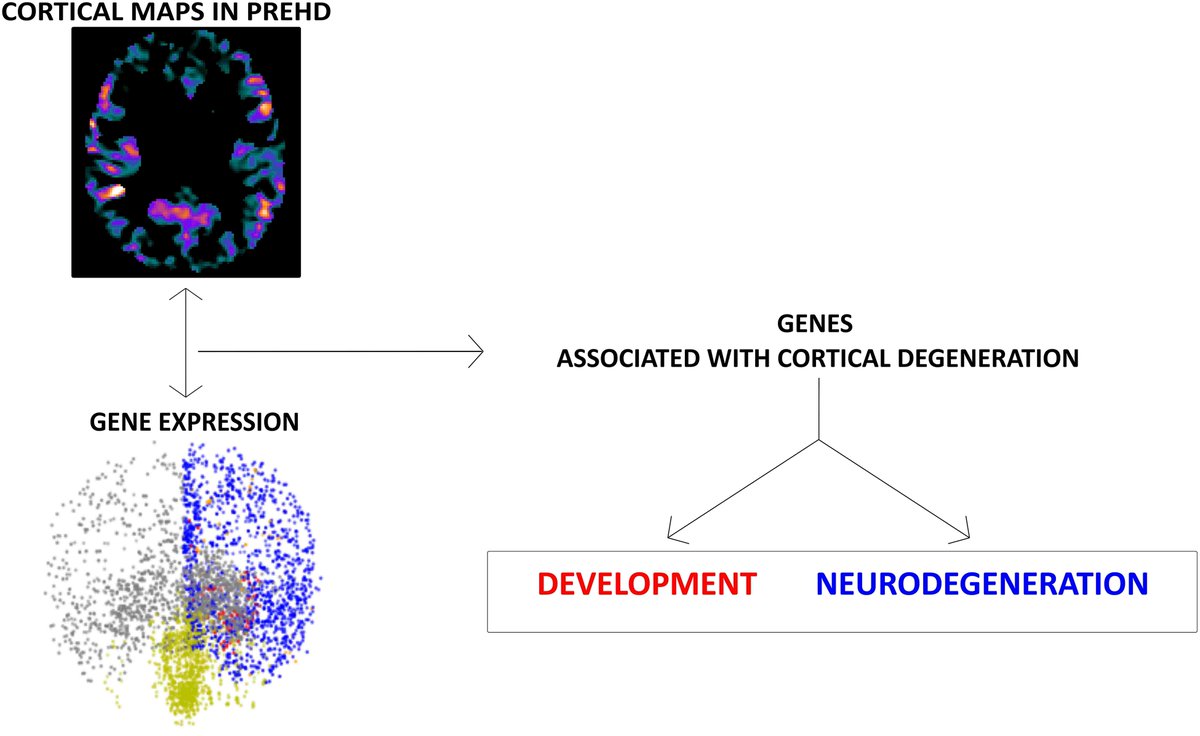
Using multimodal MRI, Estevez-Fraga et al. reveal associations between cortical cell loss in premanifest Huntington's disease and the expression of developmental genes and genes implicated in neurodegeneration. https://t.co/kSdfNAIYgJ; https://t.co/aBA6zVkytR
Stress in young people doesn’t always look like stress in adults. But like adults, children and teens can find healthy ways to cope. Here's how to help. #MentalHealthAwarenessMonth https://t.co/AdC4ZRCh5n
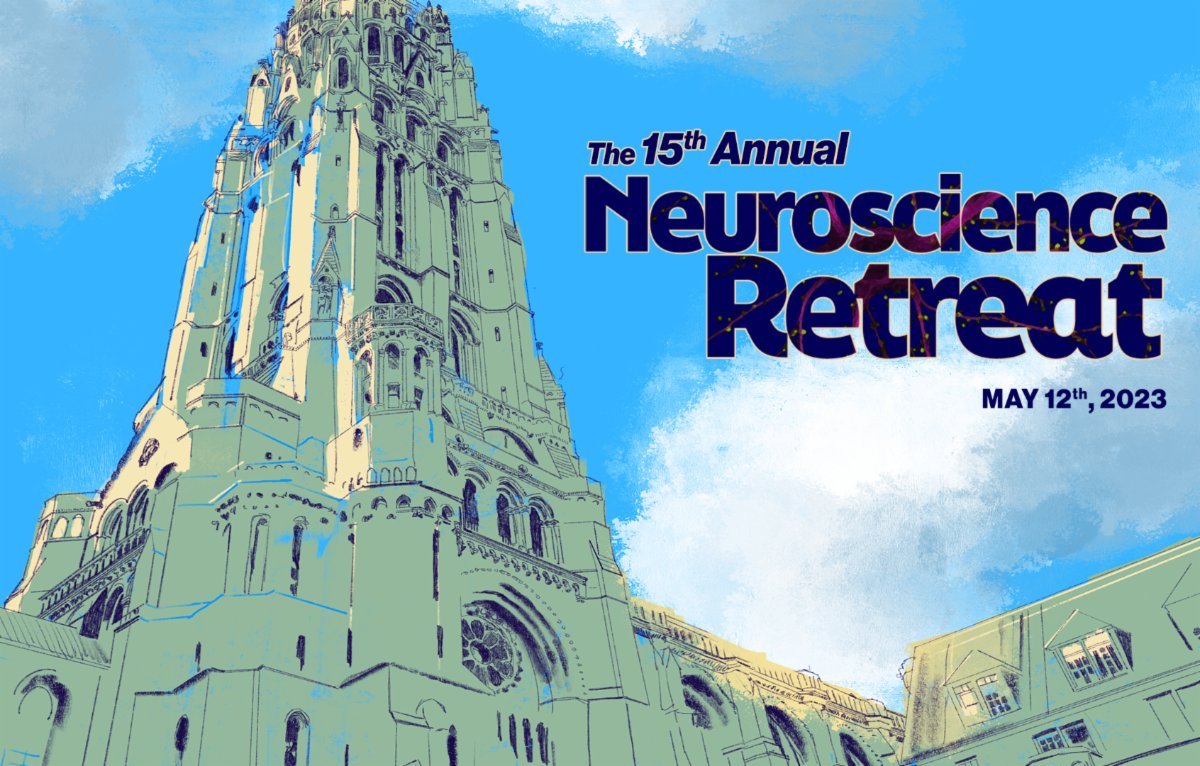
Heading to the Fifteenth Annual Friedman Brain Institute Retreat today. At our first retreat in 2009, we had ~100 attendees. Today we're expecting more than 500! @SinaiBrain@IcahnMountSinai
📢📍The Martínez-Rivera Lab focused on (Mal)adaptive & Neurobehavioral Plasticity is opening this summer/fall at @UFNeuroscience@UFMBI. We'll be hiring at all levels, please share! Academia might not be perfect, but it gave me purpose in life. 🙌🏽 💫💎☀️🎉🐊
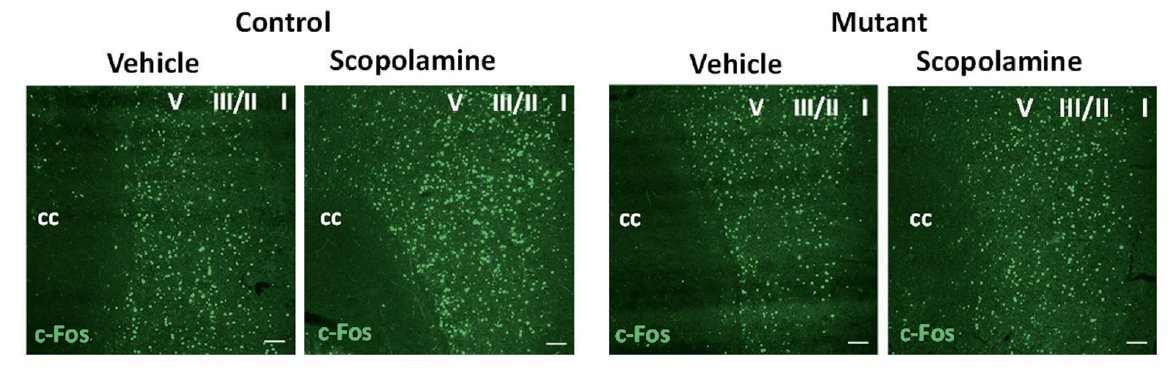
New and online in @npp_journal "M1 acetylcholine receptors in somatostatin interneurons contribute to GABAergic and glutamatergic plasticity in the mPFC and antidepressant-like responses" led by Manoela Fogaca @MarinaP63
https://t.co/3mSMj17w5S