I’m excited to part of this incredible program for this fall’s NYU Issues in Modern Philosophy Conference. If either early modern philosophy or political philosophy is your scene, I hope you’ll join us!
Issues in Modern Philosophy Conference https://t.co/6GiuoR6TqA
MPWG: Daniel Layman (Davidson College) | Department of Philosophy
Very excited for this talk at Yale 3/6/25. If you’re at Yale, come join us! https://t.co/vfPAx3HxOS
Thrilling news! John Locke's journals have been digitised by the The Bodleian & The Clarendon Board. You can now read Locke's hand on yellowing paper on everything, from buying kid gloves to Alice George, who was 108 & only suffered rarely from the vapours
https://t.co/t3QvTkKDqj
Exciting new work from Katharine Gillespie and Bas van der Vossen is now live at Locke Studies! https://t.co/4SdeBzA17K
A major new piece from Holly Brewer on Locke and Carolina is coming soon. Stay tuned!
@ViliLahteenmaki But this just raises the question again: why should speaking slowly reduce the noise level?? Couldn’t he be bellowing at a sluggish tempo?
Why does TS’s boyfriend in “Our Song” talk real slow? She says it’s so his momma don’t know, but how is speaking slowly going to help with that? This has bothered me since 2006.
One-day symposium on Nozick's classic, featuring @DanielLayman11, @HelgaVarden, @FabianWendt8, and Eric Mack (@TU_Philosophy).
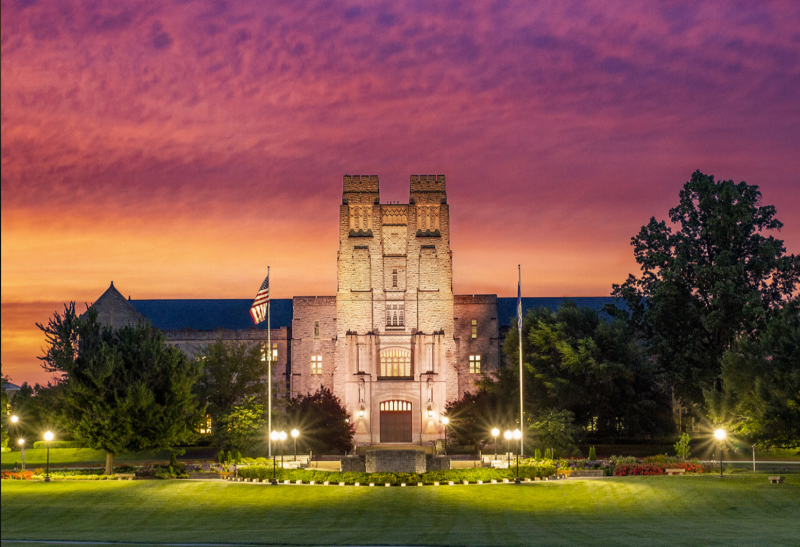
August 8th in Blacksburg at Virginia Tech.
Excited to be a part of this volume along with @alexgourevitch and so many other awesome contributors. I wrote the chapter on republican criminal justice ⚖️
@kvallier Hear hear! I couldn’t agree more. Misrepresentations of Locke, often egregious, have been pivotal within the current wave of postliberal thought.
@nescio13 That definitely is a concern. I’d love to email and/or chat about this. Your point about the realistic power of the trustees is obviously important, and those of us taking my line need to address it.
@nescio13 Yeah, fair enough. I’m inclined to think, though, that its being fiduciary means that the trustor (the politically constituted people) rather than the trustees (the magistrates) holds the sovereignty even if the trustees hold active control.