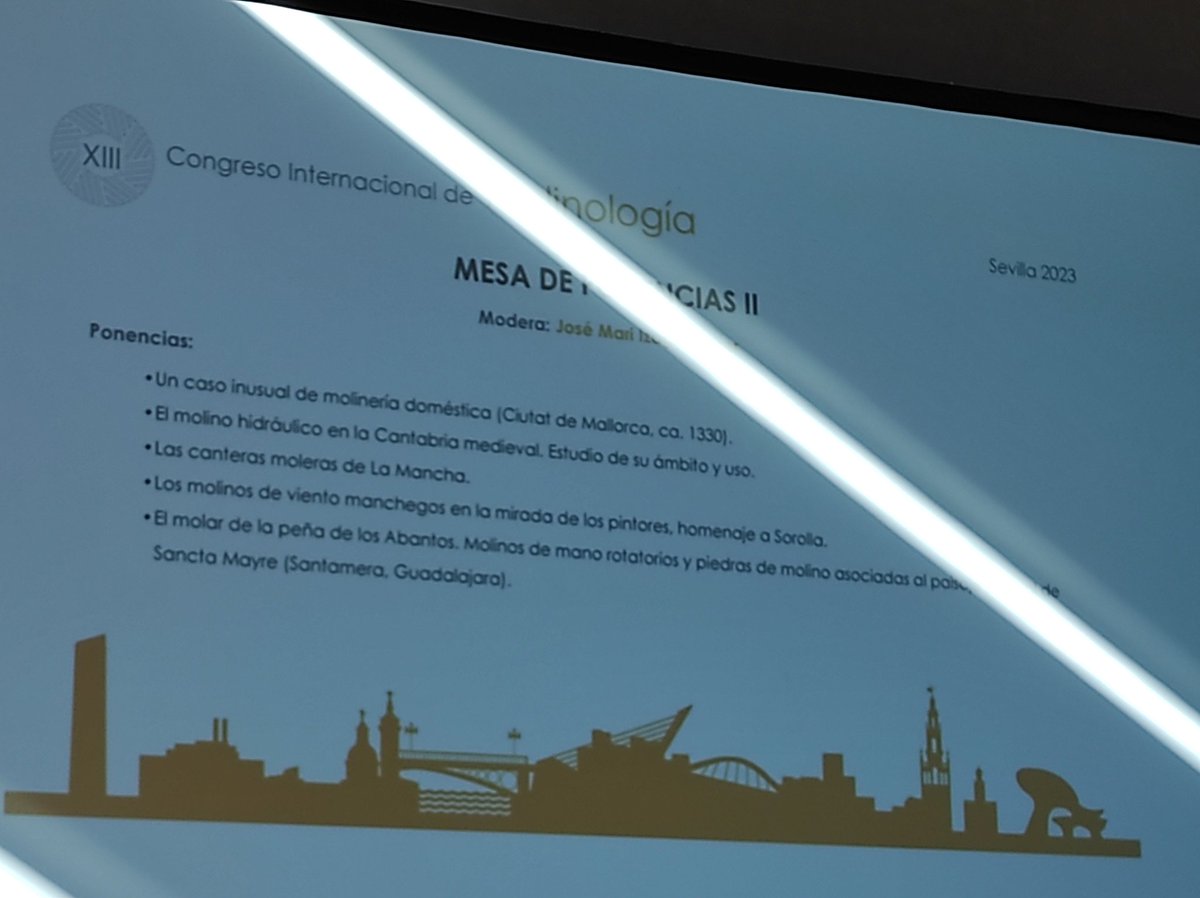
@peciosmontanesa Cómo especialista en estos artificios es una lastima el estado en que se encuentra. Lo estudié hace un tiempo junto al de San Juan de la Canal para un congreso internacional de molinologia de manos de ACEM y pude por lo menos poner de manifiesto su grado de conservación.
Hayravank Monastery, located on the banks of Lake Sevan in Gegharkunik Province, Armenia. The monastic complex consists of a church, chapel, and gavit.
Hayravank Monastery was built between the 9th-12th Centuries CE. Its oldest structure is St. Stepanos Church, which is distinguished for its square-based central dome. Built from black limestone, cross-shaped church is inscribed with its date of construction in late 9th Century CE.
Church at Hayravank was built during late 9th Century CE. It is a quatrefoil cruciform central-plan structure with four semi-circular apses that intersect to create squinches for octagonal drum and conical dome to stand above.
A small chapel was added to complex in 10th Century CE, accessed from southeastern corner of the church. A single portal leads into the church from the gavit, it is believed that this entry was added between 12th-13th Centuries CE. There is a second entrance through the church's exterior on its south side. Exterior walls of the structure differ from the construction of the rest of the complex in that rubble masonry has been incorporated into the façade. Historical sources referencing Hayravank mention two monks, Hovhannes and Nerses, who added a two-columned, octagonal domed hall to the chapel in 1211 CE. The original drum and dome had collapsed completely: their current rebuilt form dates from a restoration undertaken between 1977-1989.
The gavit is located west of and adjacent to church and was added in 12th Century CE. A main portal leads into the structure from the western wall, and has an arched tympanum with a worn inscription located above the lintel. Another portal leads into the gavit from the southern wall. Two thick columns situated at the western half of the building and two semi-columns at the eastern wall support large arches and a cupola above. The cupola consists of a short octagonal drum (only seen from the interior) as well as a short octagonal conical dome above decorated with "Harlequin Patterned" stonemasonry. The pattern alternates with reddish and a lighter grayish colored tufa. This example is considered to be one of the earliest examples of polychrome decorative masonry that was to become widespread in the following centuries in sacred buildings throughout Armenia. An oculus at the peak of the dome lets light into the room below.
Monastic life at Hayravank ceased in the 19th Century CE, and it was not until the 1980s that the monastery was renovated and opened to the public. In the fenced yard of Hayravank are old tombstones and scattered cross-stone khachkars, while the ruins of monks’ cells may be seen just outside the fence.
According to legend, in 1380s CE, a monk by the name of Hovhan was living at Hayravank when the troops of Tamerlane (Amir Timur) invaded the land. When Amir Timur reached Hayravank, Hovhan decided to jump into the lake rather than watch the obliteration of his beloved monastery. Yet God miraculously saved him by granting him the ability to walk across the lake.
Tamerlane, shocked by the sight of a man walking on water, promised Hovhan that if he would meet with him, the conqueror would grant whatever the monk wished. Hovhan agreed and met with Tamerlane, pleading with him not to kill anyone who could fit inside the monastery. Tamerlane agreed, and people began to seek refuge inside the compound. Surprisingly, everyone was able to fit inside, for Hovhan was turning people into doves so as to allow more space in the churches for people to escape death.
From that point on, the monastery was called Hovhannavank or Hayr Hovhan Monastery, meaning “Father Hovhan’s Monastery”. The compound has also been called Ayrivank, meaning Cave Monastery, for according to another legend Hayravank was once connected to Spitak Berd Castle (also known as Berdkunk Fortress) by a series of underground tunnels.
- Subscribe for Weekly Newsletter -
https://t.co/QSjn4yGpeh
#archaeohistories
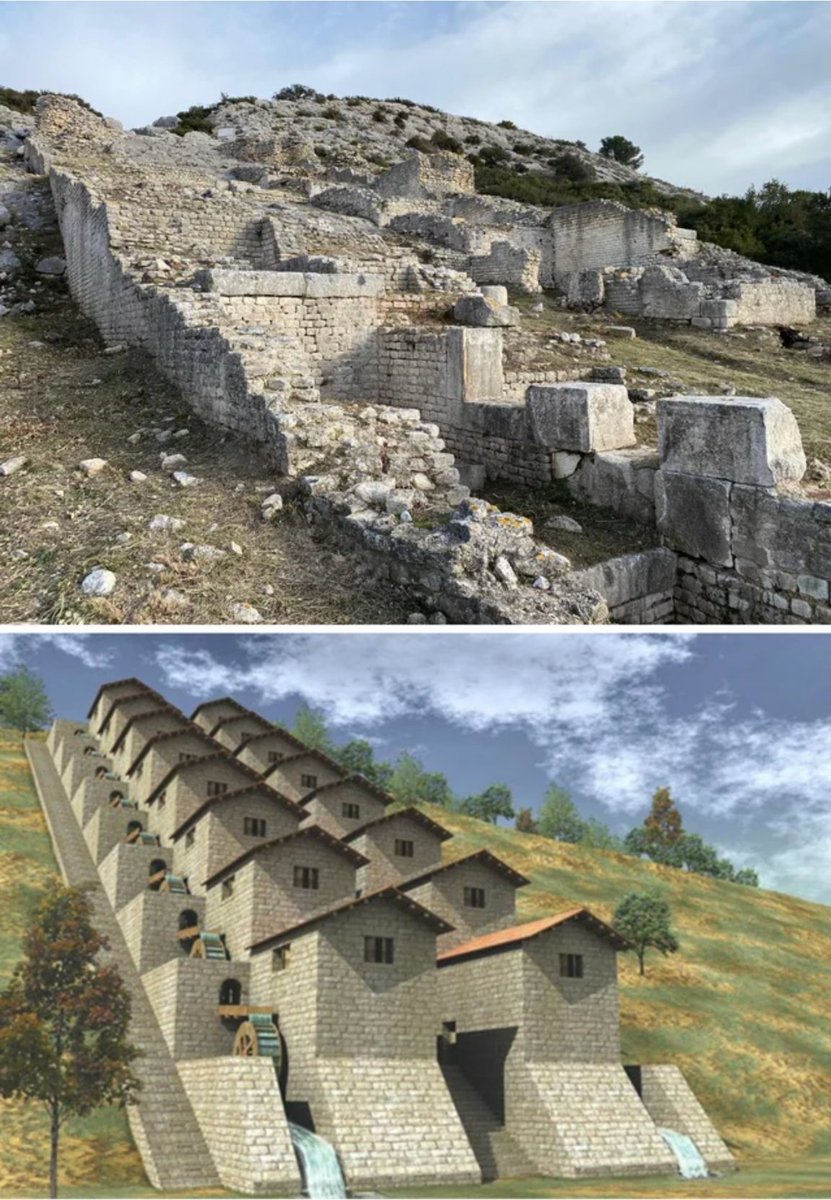
The Roman Barbegal watermill complex - perhaps the first attempt in Europe to set up industrial-scale "machines".
Built c. 1,900 years ago, it consisted of 16 waterwheels that continuously milled grain, making 25 tonnes of flour a day!
📷 J. Dufresne
#Roman#History#France
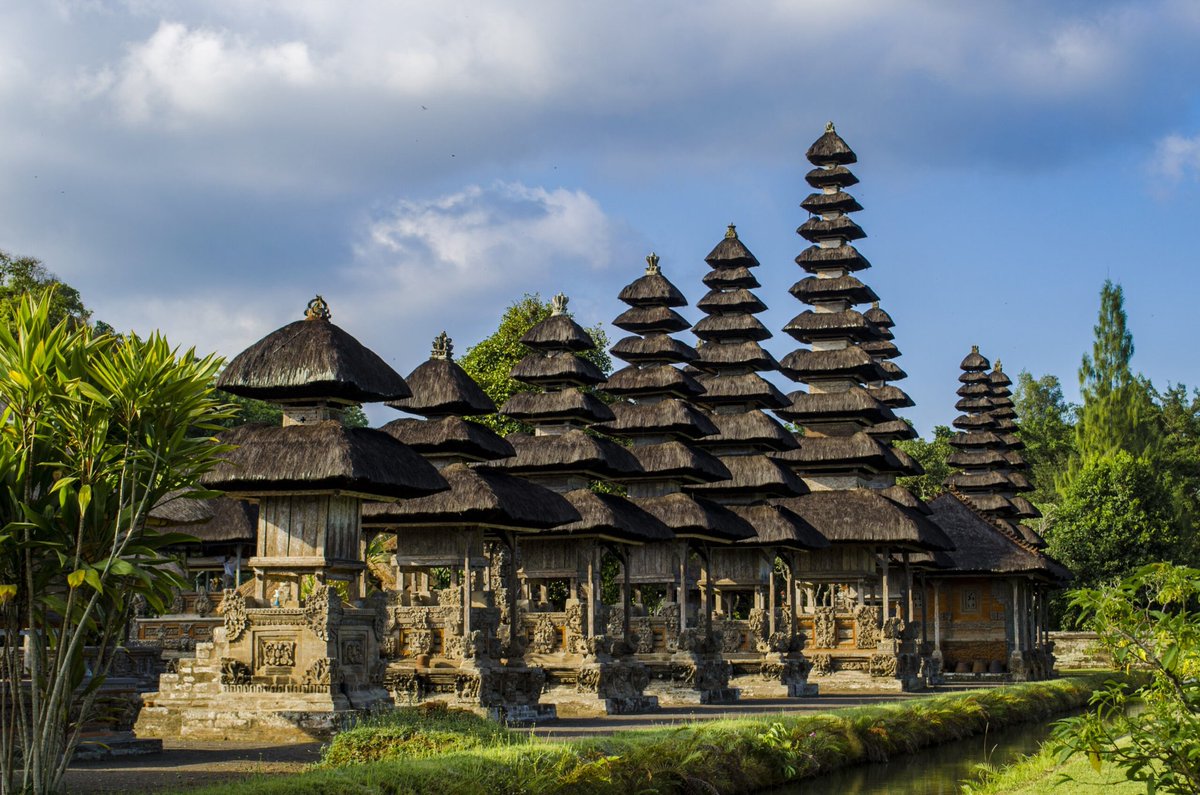
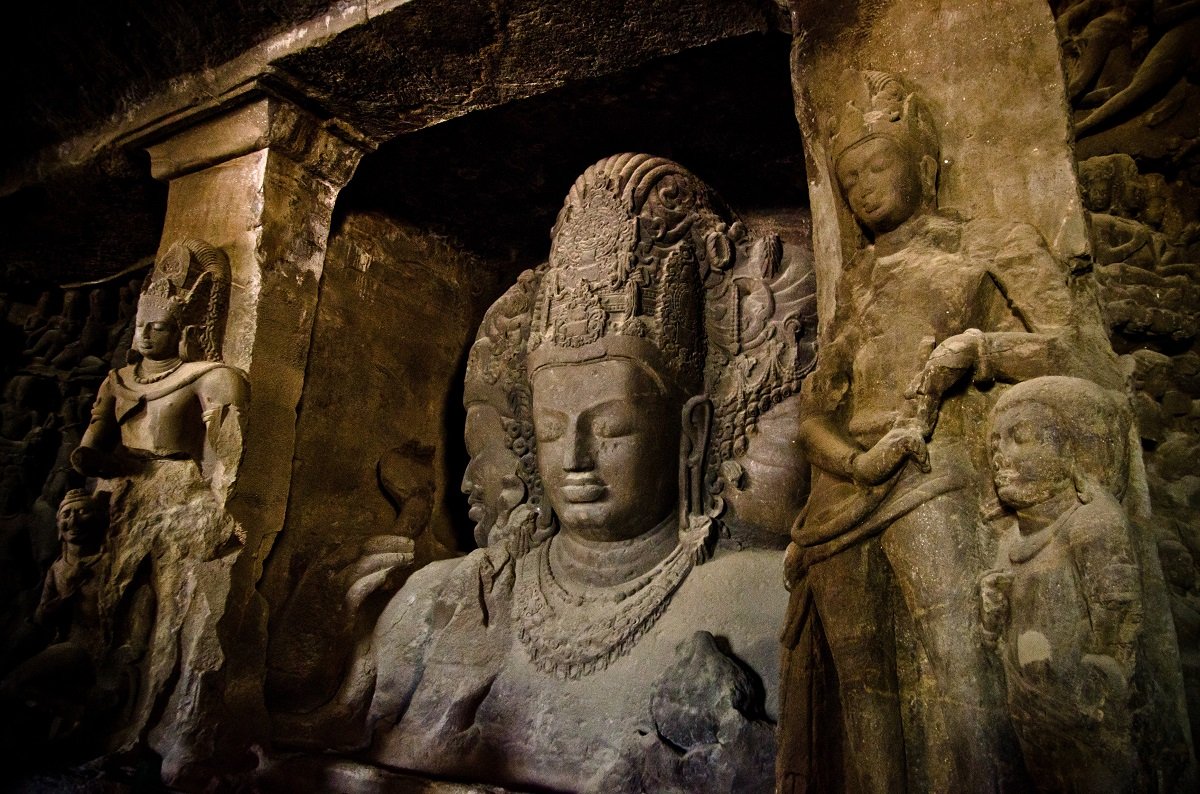
Pasa por ser la religión más antigua del mundo y es la tercera con más fieles pese a ser mayoría solo en dos países.
Hoy en #PatrimonioEnlazado conoceremos 10 SITIOS HINDUISTAS viajando por India, Nepal, Camboya, Indonesia…
¿Qué edad tenías cuando te enteraste de que los caballos de San Marco no son de bronce? ¿Es cierto que estaban en Constantinopla? ¿Sabías que estuvieron en París y en Roma? Va hilo sobre TODO lo que no sabías que necesitabas saber de la cuadriga más famosa de la antigüedad ⬇️
Gur-e Amir Mausoleum in Samarkand, Uzbekistan. (1403-1404 CE)
Gur-e Amir is Persian for 'Tomb of King'. This architectural complex with its azure dome contains tombs of Tamerlane, his sons Shah Rukh and Miran Shah and grandsons Ulugh Beg and Muhammad Sultan.
#archaeohistories