Tomorrow is National Cleaning Day!🚨
A cleaner city starts with all of us. From how households sort waste to how communities organize collection and disposal, every action counts.
But action must go further. Data on where waste is generated, how it is collected, and where it accumulates can guide better collection routes, smarter resource allocation, and more responsive city services.
#DataCities #NationalCleaningDay #UrbanData
🚨 Final Call: Today is the Deadline!
𝐓𝐡𝐢𝐬 𝐢𝐬 𝐭𝐡𝐞 𝐥𝐚𝐬𝐭 𝐝𝐚𝐲 𝐭𝐨 𝐬𝐮𝐛𝐦𝐢𝐭 𝐲𝐨𝐮𝐫 𝐅𝐘 2025/2026 𝐀𝐧𝐧𝐮𝐚𝐥 𝐃𝐚𝐭𝐚 𝐏𝐫𝐨𝐭𝐞𝐜𝐭𝐢𝐨𝐧 & 𝐏𝐫𝐢𝐯𝐚𝐜𝐲 𝐂𝐨𝐦𝐩𝐥𝐢𝐚𝐧𝐜𝐞 𝐑𝐞𝐩𝐨𝐫𝐭.
If your organisation was registered with the @pdpoUG by 31 May 2026 and has not yet submitted, take action TODAY.
Before submitting, make sure you have:
✅Resolved your portal login or access issues.
✅Completed your organisation's data update and obtained approval.
✅Completed and submitted your Annual Compliance Report.
Still facing challenges? Contact us at [email protected].
🔗 Submit today: https://t.co/Lx5YX2HHUb
#MakeComplianceCount #DataProtection #PDPOUganda
💡 #InfoPoint: What is GIS?
Geographic Information Systems (GIS) bring location-based data to life through digital maps.
In Kampala, GIS is helping @KCCAUG map public toilets, identify accident hotspots, and improve property identification for revenue collection, resulting in better-informed urban planning and more responsive city services.
Through @DataCitiesUg, @jinjacity and @fortportal_city are building on these lessons to strengthen how they collect and use urban data.
Read more: https://t.co/4fGTUgXXn0
Grateful to Esri for documenting the Kampala story.
Over the past decade, Kampala Capital City Authority (KCCA) has been working to change how a fast growing city is managed, by mapping our properties and putting that map to practical use. The clearer picture this gave us of the city has helped unlock revenue that is being reinvested in better roads, street lighting, and other public works that residents experience every day.
What we’ve learned is now being shared with other Ugandan cities. A growing network of secondary cities is building similar GIS capacity, with support from partners like DataCities Initiative Uganda supporting the cities of Jinja, Fortportal, Kasese and Mbale, so more places can benefit from the same approach.
I’m proud of what the GIS team at KCCA has been able to contribute, and encouraged by how the work continues to grow beyond Kampala.
Looking ahead, we are working toward a digital twin of the whole city, a living, connected model that will allow us to test ideas on drainage, traffic, and growth before they reach the street, and give every service a shared view of Kampala.
Thank you to Richard Budden, Esri’s international cities and local government lead, and Matt Ball, Esri's geospatial story teller for capturing this journey so well. You can read the full piece here:
https://t.co/Mwf7kRw8l3
#GIS #SmartCities #DigitalTwin #Kampala #UrbanDevelopment #Esri #KCCA
#PictureMonday
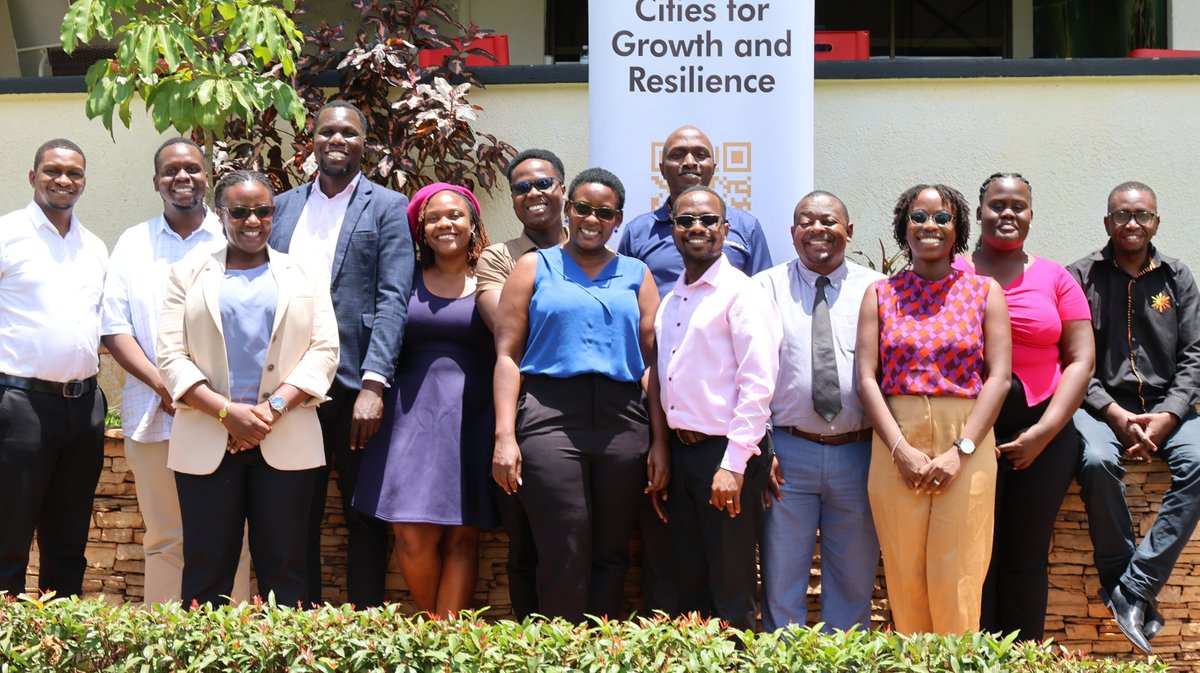
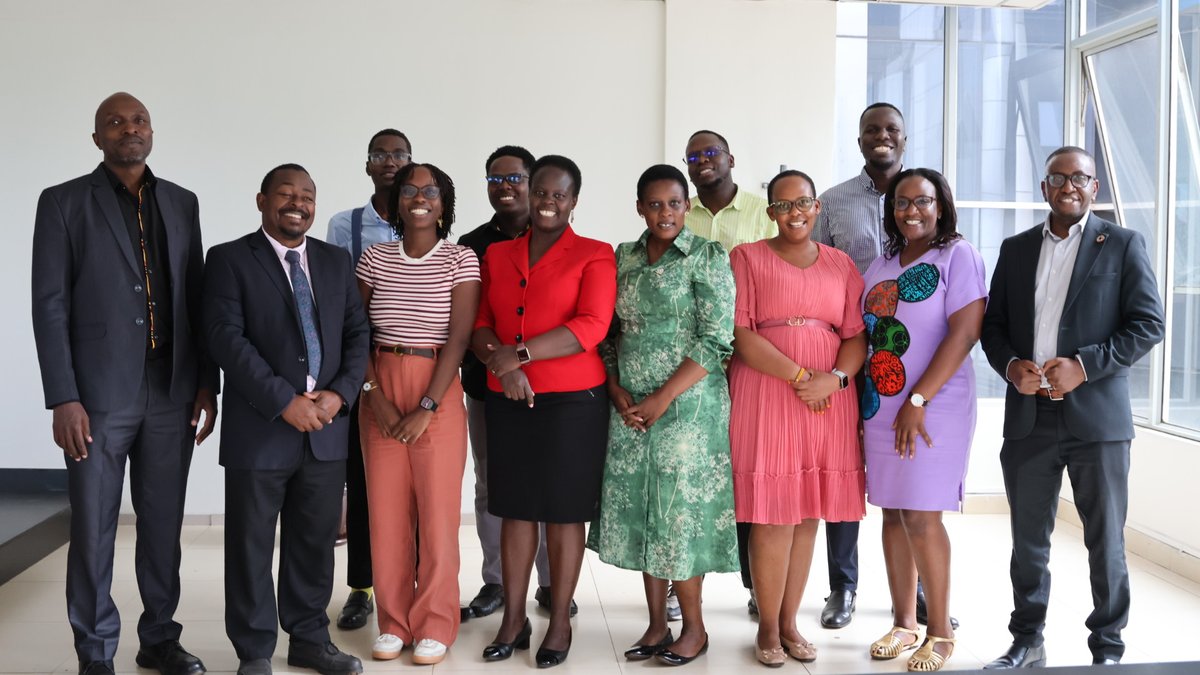
Have you met the @DataCitiesUg team in action?
Meet some of the team members behind the work! 🤩
The team gains a deeper understanding of our urban spaces by involving communities, collaborating with city stakeholders, collecting data, and translating insights for better decision-making.
Different faces, different roles, one shared ambition
📊 Data is most powerful when it drives action.
Through the Lusophone Cities Exchange Network, part of the SDG Cities Global Community, cities from 🇧🇷🇵🇹🇨🇻 exchanged experiences on using data to guide planning, investments, and SDG implementation.
@ONUHABITATBR
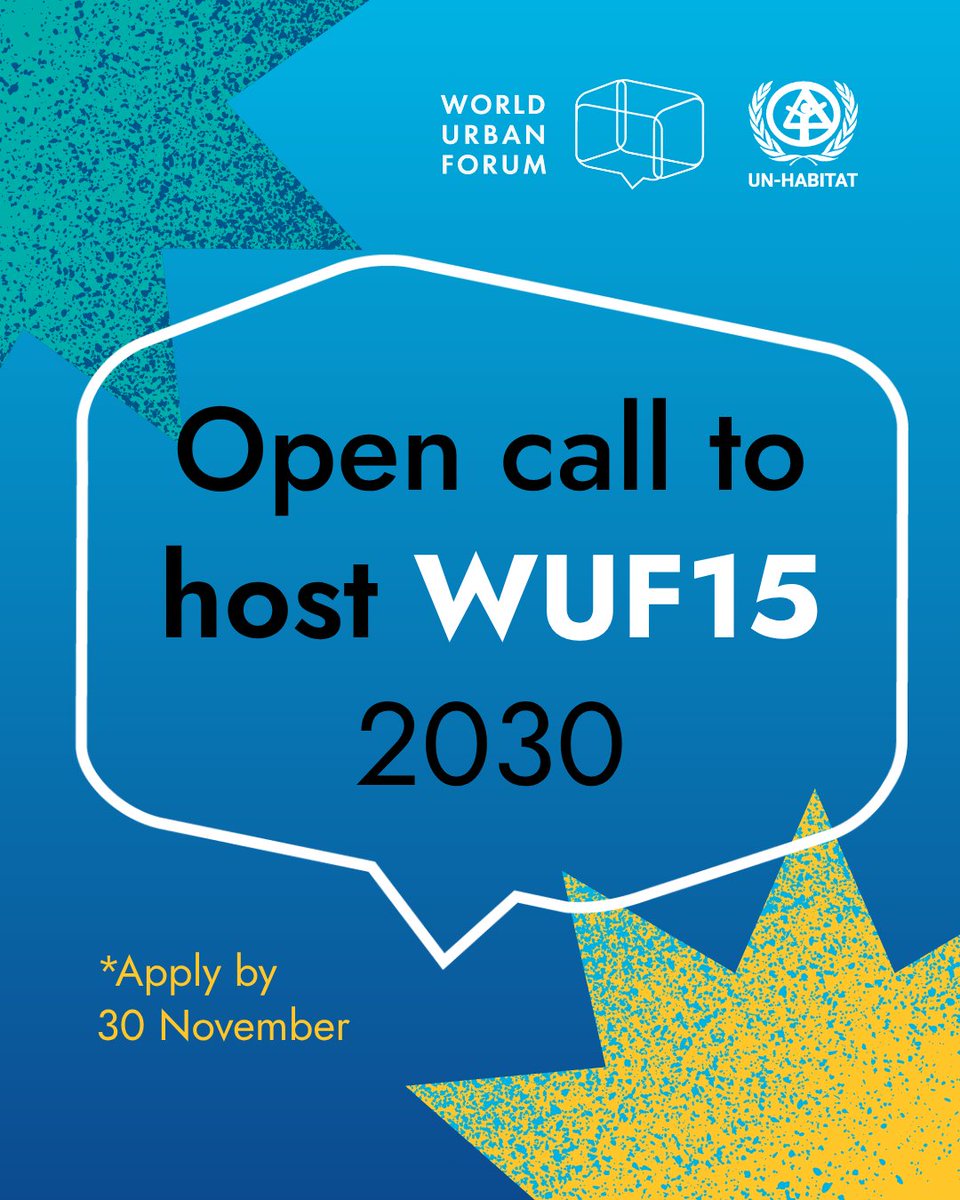
🌍An Opportunity to Shape the Global Urban Agenda.
@WUF_UNHabitat has opened the call for countries interested in hosting WUF15, offering an opportunity to put their cities and urban development priorities on the global stage.
As cities continue to grow and evolve, global platforms like @WUF_UNHabitat create space to exchange ideas, share experiences and shape the future of sustainable urban development.
📅 Applications close: 30 November 2026
Find out more and explore the call to host: https://t.co/fkO06qxdiy
#DataCitiesUg #UrbanDevelopment #WUF15
🌍Did you know?
110 countries now have disaster risk reduction plans to strengthen city resilience, more than double the number in 2015.
As cities face growing climate and disaster risks, planning ahead is essential. Reliable urban data can help city leaders identify vulnerabilities, make informed decisions and build more resilient communities.
How is your cities using data to prepare for the risks ahead?
#DataCitiesUg #UrbanResilience #UrbanData
📖#WhatWeAreReading
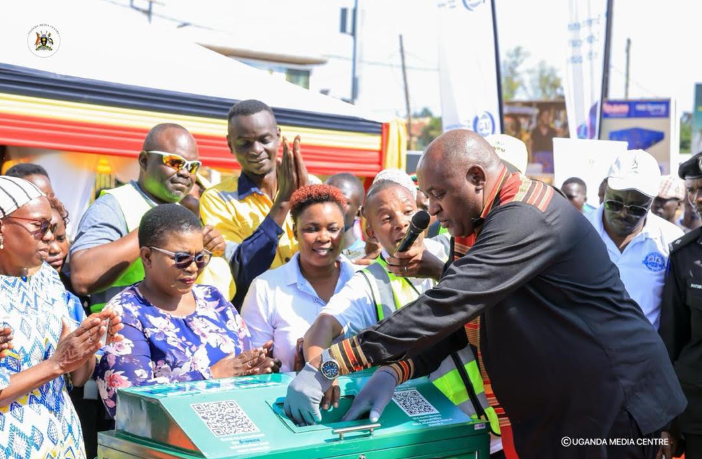
Uganda is taking steps to address the growing challenge of electronic waste.
A nationwide e-waste campaign was launched in Lira City during Uganda’s 4th National Cleaning Day, promoting responsible collection, sorting, refurbishment and disposal of electronic waste.
As cities become increasingly digital, how can they ensure e-waste is managed responsibly?
Read more: https://t.co/JGWkaIgBxw
#DataCitiesUg #UrbanData #EWaste
Thank you to everyone who joined Episode 7 of the #UrbanDataDialogues!
Under the theme Urban Data Governance in Africa: Local Evidence, Global Lessons, we discussed how cities can build trusted, responsible data systems that respond to local needs.
Missed the conversation or want to watch it again? Catch the full webinar on YouTube: https://t.co/GImDxPxCqX
#DataCitiesUg #UrbanData
Tomorrow, the @DataCitiesUg Urban Data Dialogue Series returns with Episode 7:
Urban Data Governance in Africa: Local Evidence, Global Lessons.Urban Data Governance in Africa: Local Evidence, Global Lessons
Collecting data is one step. Using it to plan, budget and deliver services is another. This session brings together people working on that problem from city government, GIS and local revenue systems.
Meet the panel:
Prof. Engineer Bainomugisha @iBaino (Host), Principal, College of Computing and Information Sciences, Makerere University
Xaver Schker , Senior Implementation and Advisory Lead, Urban Finance Program, @AfricaUrbanLab
Pauline Okeyo, Senior Solution Engineer, @Esri , Middle East, Africa and Central Asia
Flavia Zabali, GIS Supervisor, Kampala Capital City Authority @KCCAUG
📅 Thursday, 29 October 2026
🕔 5:00 to 6:00 PM EAT
Register: https://t.co/QH1Wen2kjg
@SunbirdAI@UNGlobalPulse@ToroDev
#DataCities #UrbanData #DataGovernance
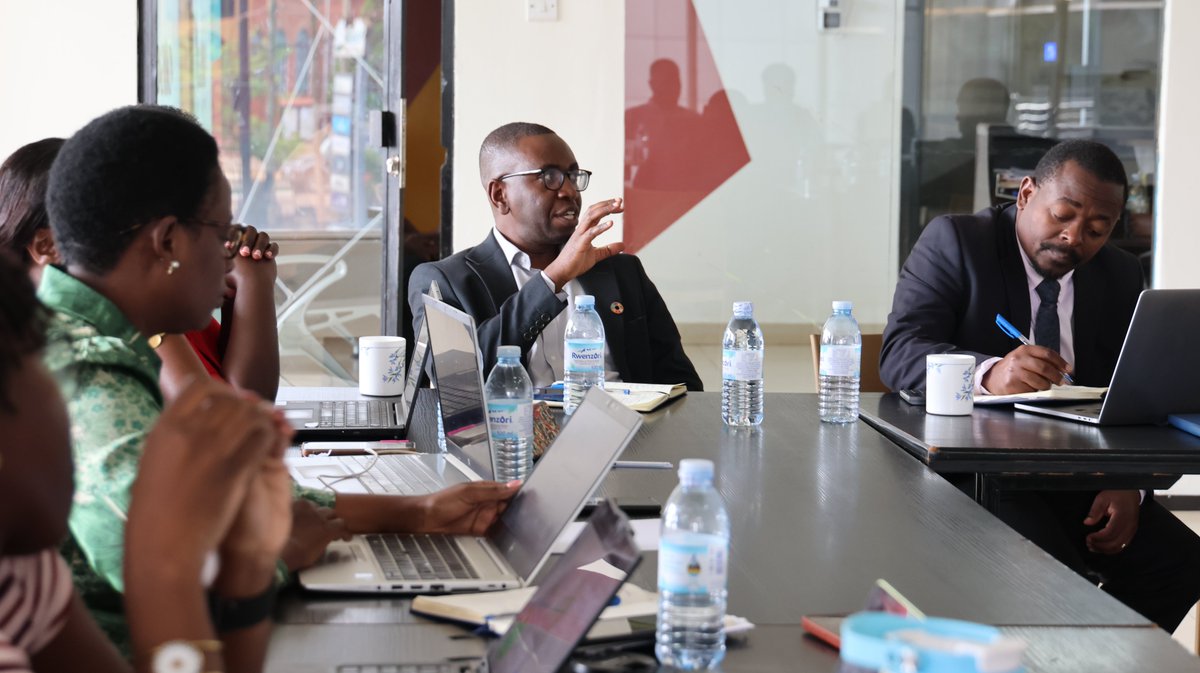
Building stronger city data systems takes more than implementation. It takes regular conversations about what comes next.
Yesterday, we came together as the @DataCitiesUg Consortium for our quarterly review, reflecting on the work underway in @jinjacity and @fortportal_city and aligning on priorities for the months ahead.
#DataCitiesUg #UrbanData
Meet the panel for Episode 7 of the #UrbanDataDialogues!
Join Xaver Schenker, Pauline Okeyo and @FlaviaZabali, with Prof. @iBaino as the moderator, for a discussion on Urban Data Governance in Africa: Local Evidence, Global Lessons.
Explore how cities can build trusted, responsible data systems that respond to local needs.
📅 29 October 2026
⏰ 5:00–6:00 PM EAT
📺 Live on X & YouTube
Register here to join the conversation:
https://t.co/EV14SevEoj
#DataCities #UrbanDataGovernance
How can cities move from collecting data to using it to govern better and strengthen local revenue?
Episode 7 of the #UrbanDataDialogues explores the role of data governance, GIS, institutional capacity, and sustainable data systems in improving city decision-making.
📅 29 Oct | 5 PM EAT
📺 Live on X & YouTube
Register here to join the conversation: https://t.co/EV14SevEoj
#DataCitiesug #urbandialogueseries
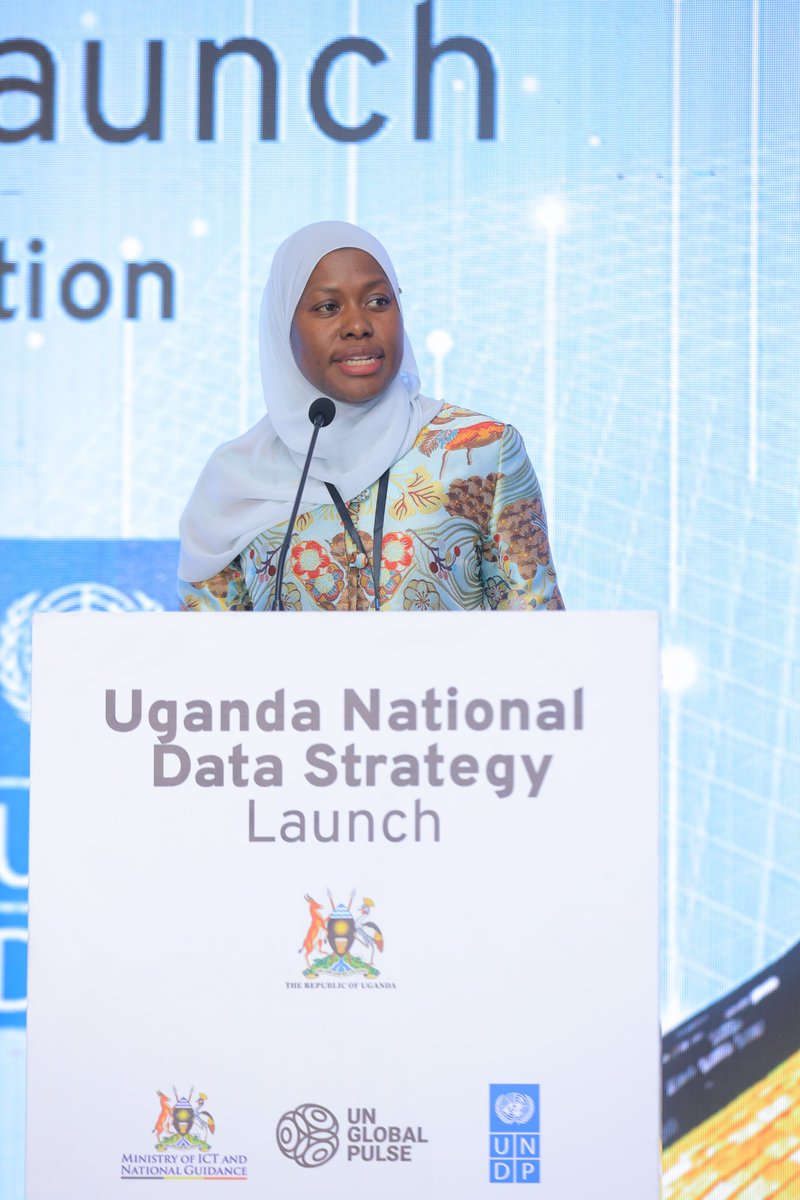
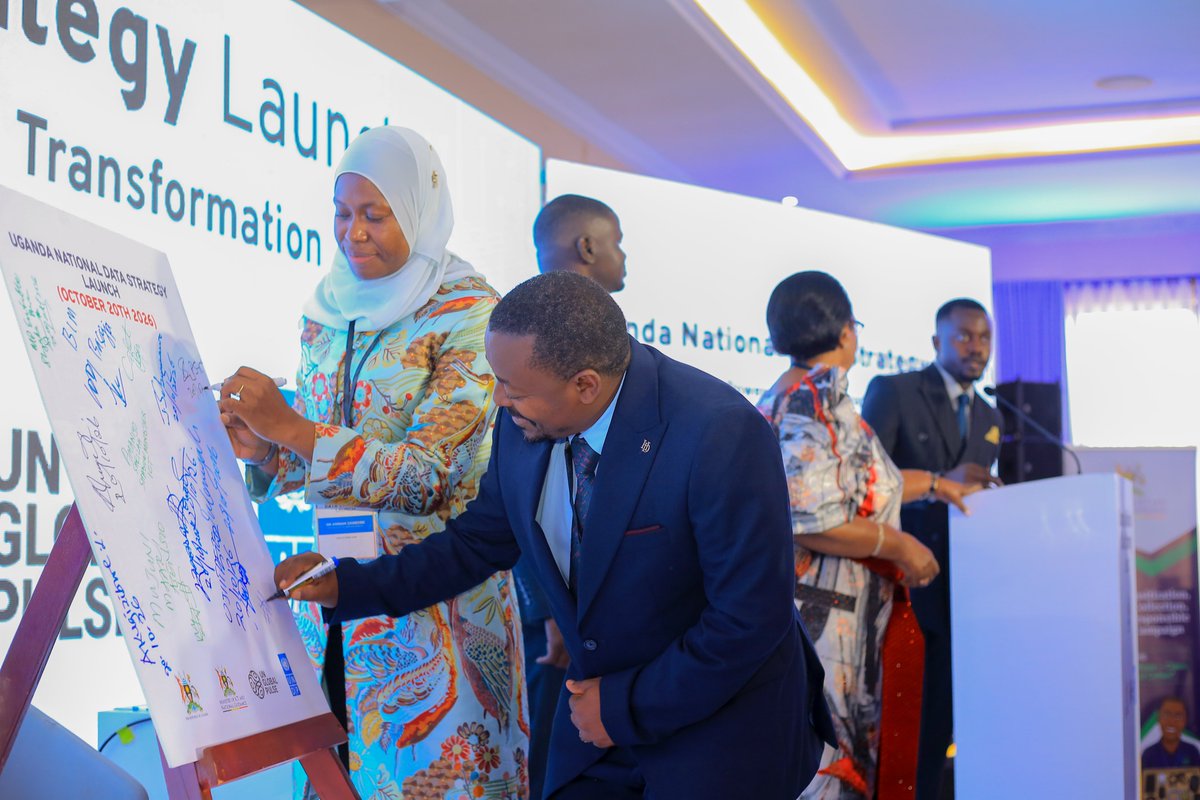
Uganda’s National Data Strategy has been launched. What could it mean for cities?
At the launch, our consortium member, Prof. @iBaino highlighted a lesson from @DataCitiesUg which is equipping cities’ local governments with the skills to use data in decision-making can help build a data culture and improve local revenue performance.
The strategy provides an opportunity to build on this at a national level, strengthening how cities manage and use data to guide planning, improve service delivery and make better use of resources.
The goal is not just to collect more data, but to turn it into better decisions for cities and the people who live in them.
#DataCitiesUg #NationalDataStrategy #DataDrivenCities
📖 #WhatWeAreReading
How can we better understand air pollution in our cities?
This @UNEP glossary breaks down key air pollution terms and explains how pollution is measured and monitored, providing useful knowledge for understanding urban air quality.
Read it here: https://t.co/0iTuMGwxmM
#airpollution #UrbanData #cleanair
📸 Picture Monday
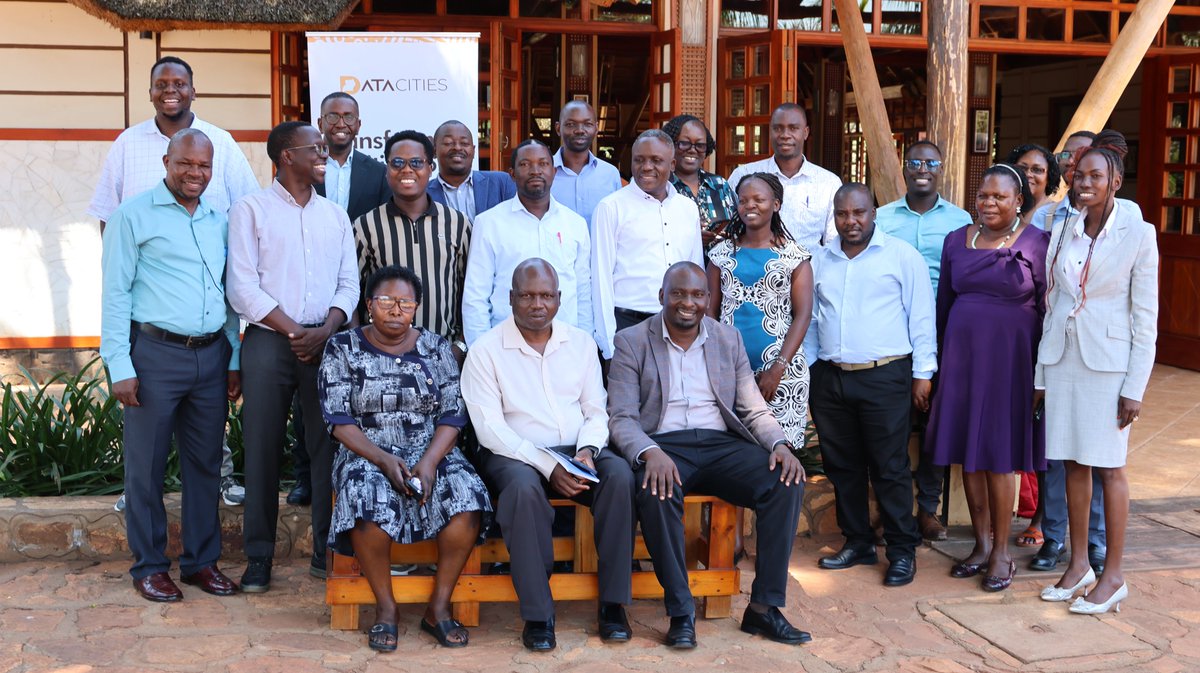
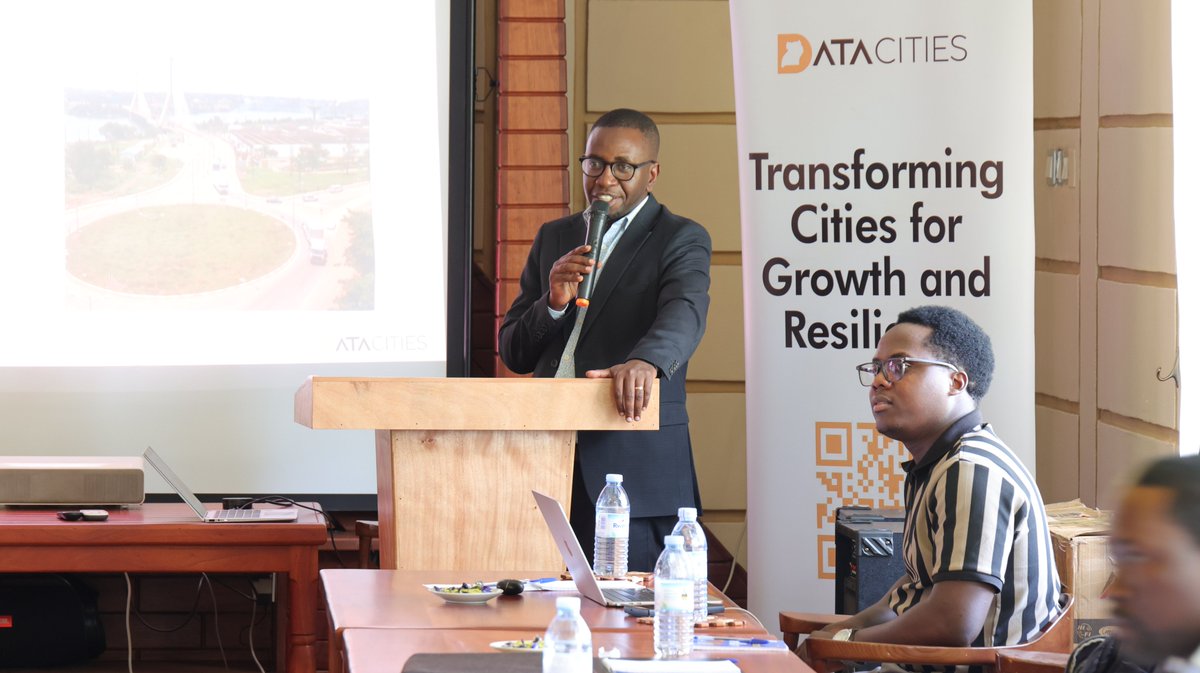
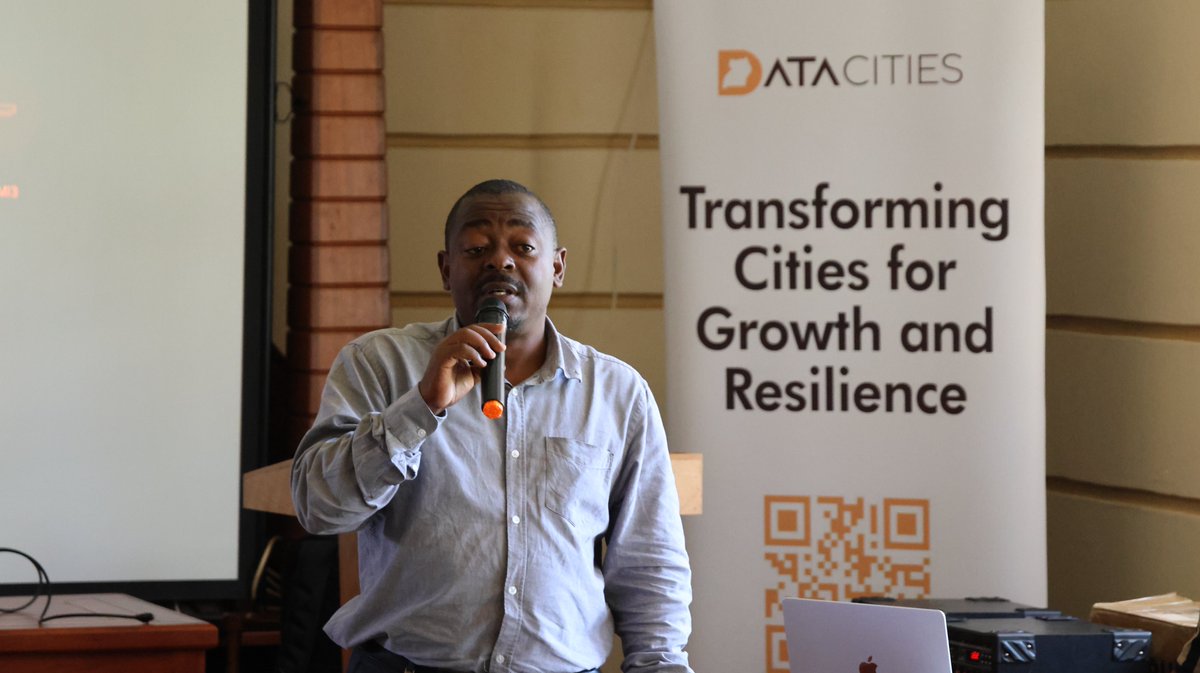
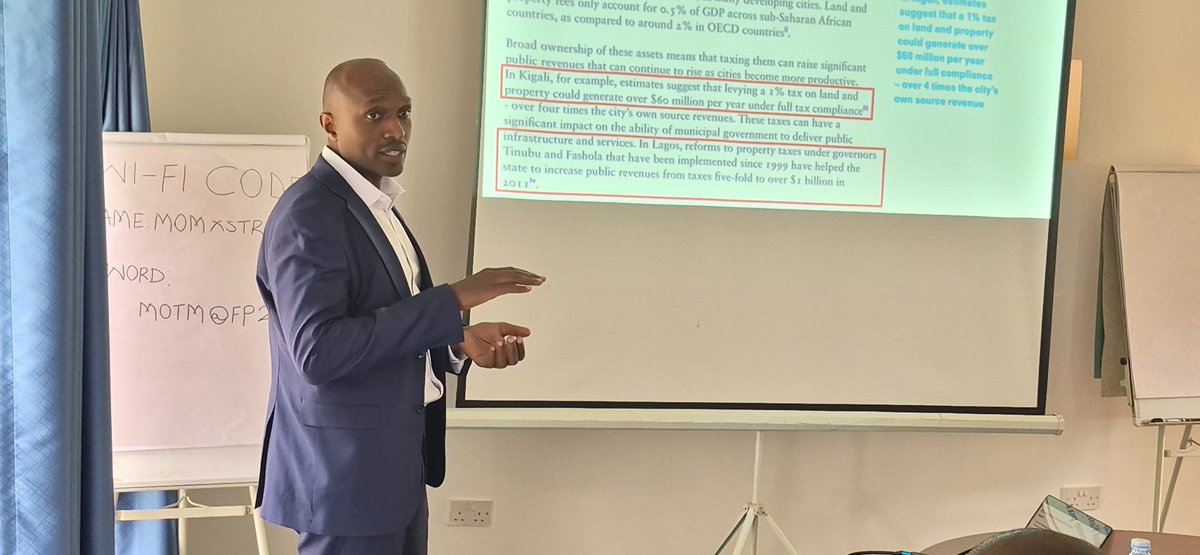
Last week, we brought together the Joint City Technical Planning Committee from @jinjacity and @FortPortalCity1 for a capacity-building workshop on revenue and physical planning with an emphasis on peer learning.
The two cities held interactive discussions, demonstrating the importance of learning from one another to advance their goals.
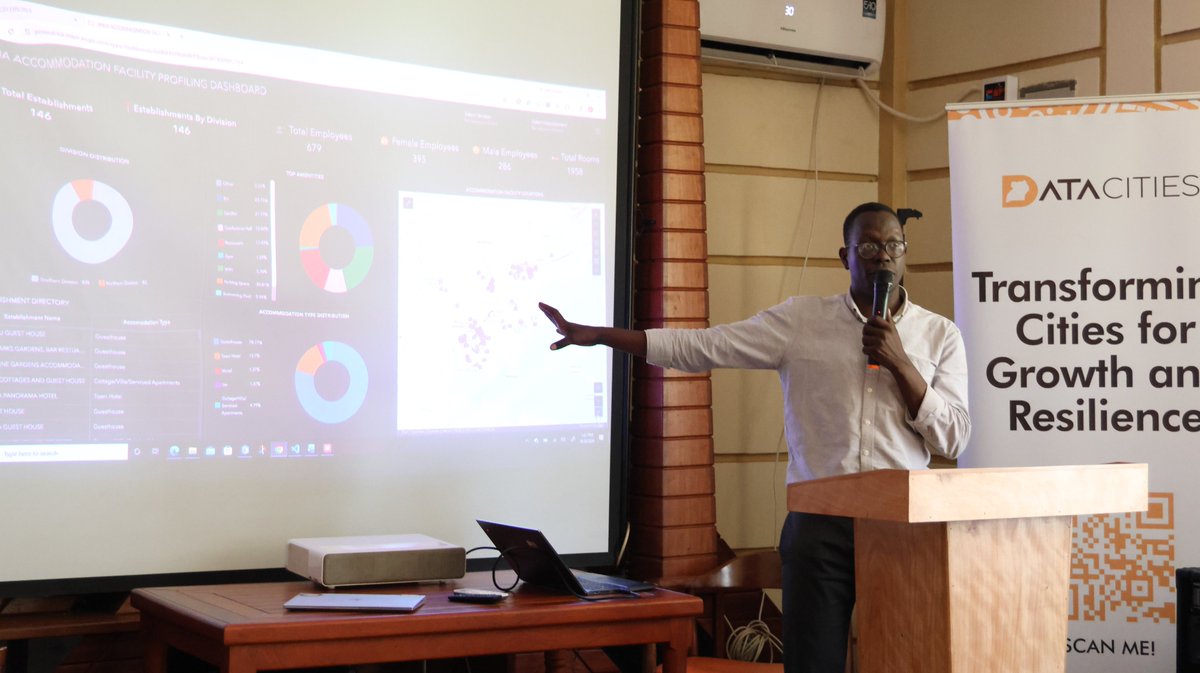
The workshop also brought Esri Eastern Africa who showcased how ArcGIS tools can support city planning, tourism, and revenue management.
#UrbanData #ServiceDelivery #GIS
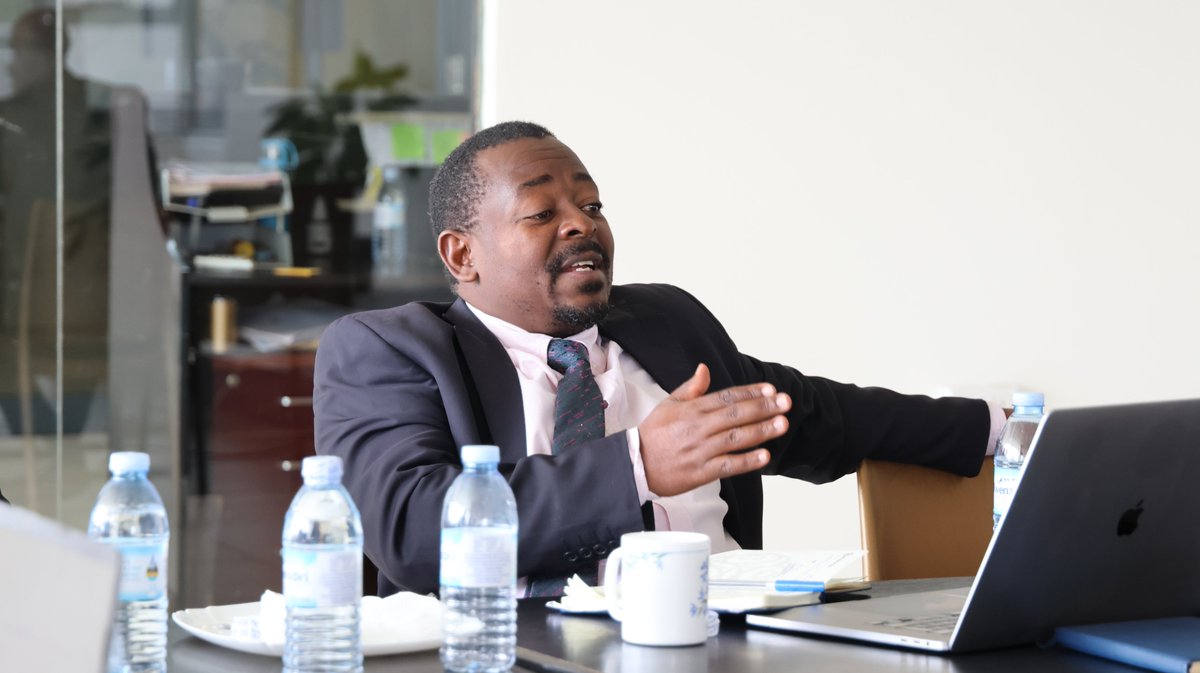
The Ministry of Local Government met the DataCities Consortium to review its work in Jinja and Fort Portal on revenue mobilisation, waste management and planning. The meeting also discussed the DataCities Uganda conference planned for 5 November 2006.