𝗗𝗮𝘆 1 𝗼𝗳 30 𝗗𝗮𝘆𝘀 𝗼𝗳 𝗣𝘆𝘁𝗵𝗼𝗻
Start learning Python from scratch. Today, we cover your first program, variables, data types and objects.
Read, practice and test your knowledge.
What's your Python goal?
#Python#30DaysOfPython#LearnPython https://t.co/vDckKrY7XG
Day 7 of 30 Days of Python: Tuples & Sets
Learn immutability, hashability, set operations and efficient membership checks.
📖 Read the article and share your answers in the comments! 💬
🔖 Save & share!
#Python#LearnPython#30DaysOfPython https://t.co/XnHelXm14s
𝗗𝗮𝘆 6 𝗼𝗳 30 𝗗𝗮𝘆𝘀 𝗼𝗳 𝗣𝘆𝘁𝗵𝗼𝗻
Master Python lists: indexing, slicing, mutability, copying, etc. Test your knowledge with tricky Python challenges.
Can you predict the outputs?
#Python#LearnPython#30DaysOfPython#DataScience https://t.co/iB9d9iKllc
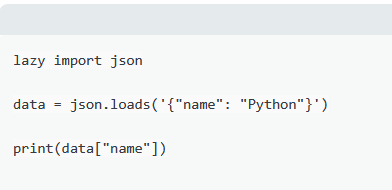
Python 3.15 introduces explicit lazy imports — a useful feature for improving startup performance.
Normally, Python loads a module when it encounters an import statement.
Lazy imports defer loading until the imported name is first used.
lazy import json
data = json.loads('{"name": "Python"}')
print(data["name"])
Python defers loading json until json is first accessed.
Why does this matter?
• Potentially faster application startup
• Avoids loading unused modules upfront
• Gives you more control over import timing
Have you explored lazy imports yet?
#Python #Python315 #code
𝗗𝗮𝘆 5 𝗼𝗳 30 𝗗𝗮𝘆𝘀 𝗼𝗳 𝗣𝘆𝘁𝗵𝗼𝗻
Explore int, float, bool & str with practical examples and tricky Python challenges.
Why does 0.1 + 0.2 not equal exactly 0.3? Can you predict the outputs?
#Python#LearnPython#30DaysOfPython#DataScience https://t.co/OJWmOmKfvj
𝗗𝗮𝘆 4 𝗼𝗳 30 𝗗𝗮𝘆𝘀 𝗼𝗳 𝗣𝘆𝘁𝗵𝗼𝗻
Explore mutability, object references, copying, identity & type conversion with practical examples and tricky Python challenges.
Can you predict the outputs?
#Python#LearnPython#30DaysOfPython#DataScience https://t.co/vQ0AWj8zw3
𝗗𝗮𝘆 3 𝗼𝗳 30 𝗗𝗮𝘆𝘀 𝗼𝗳 𝗣𝘆𝘁𝗵𝗼𝗻
Explore identity, assignment, bitwise operators & precedence with practical examples and tricky Python challenges.
Can you predict the outputs?
#Python#LearnPython#30DaysOfPython#DataScience https://t.co/t5YCsZ8Es3