Listed on the Canadian Stock Exchange, DWTZ is at the forefront of the Data Watts Economy, navigating the intersection of clean energy and advances AI.
Global nuclear demand is on course to double within the next 15 years, driving a sharp rise in uranium demand and we already do not have enough supply.
DWTZ targets top-tier Athabasca uranium exploration opportunities. Visit https://t.co/N2qjemxN1x (https://t.co/DFTg5Y5XA0)
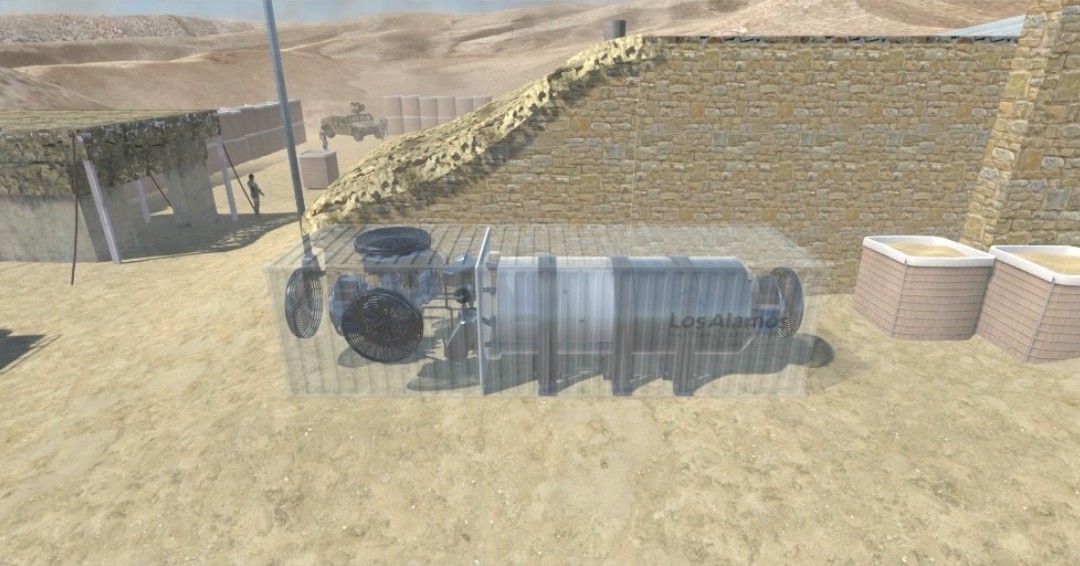
NUCLEAR 101: Microreactors can be used to power military bases, disaster recovery efforts, or remote locations where traditional infrastructure doesn’t exist.
Learn more: https://t.co/pqgJw9WtUC
@SamuelReidGEC Welcoming Samuel Reid to the board as we continue to scale and evolve. Mr. Reid’s insight will help guide the next phase of our growth. #levelup
Data Watts Partners Inc. is pleased to announce that over the next few weeks, three new advisory board members and two board members will be joining our management team. #TheFrontier
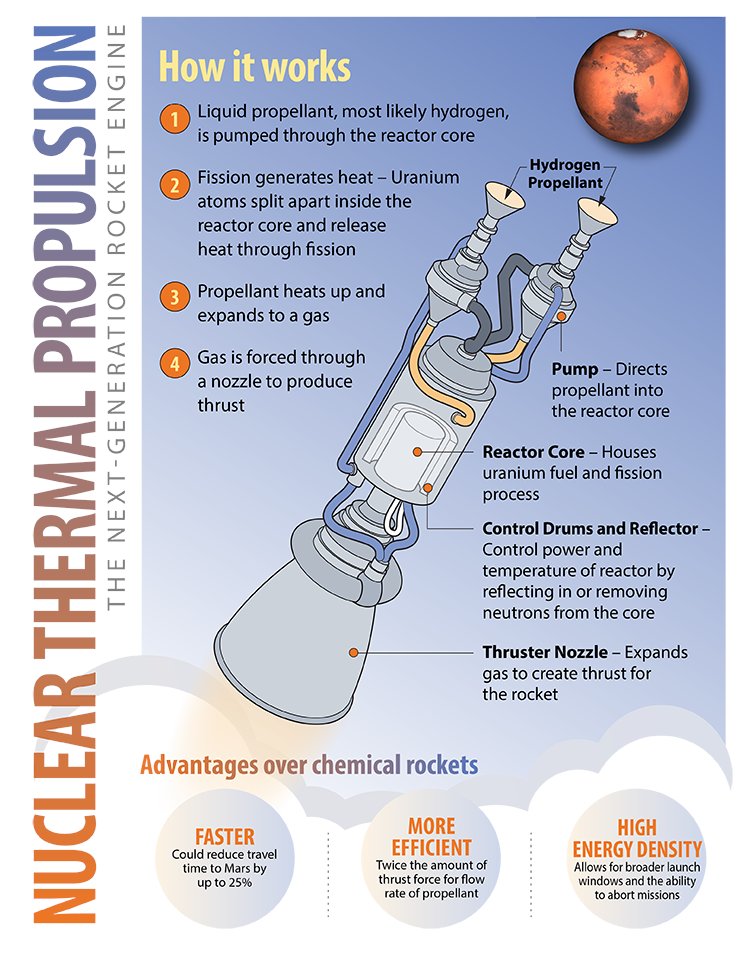
Nuclear thermal propulsion rockets can reduce travel times to Mars by up to 25% and, more importantly, limit a flight crew's exposure to cosmic radiation.
Learn more: https://t.co/Lp4XpuhvCg
Gallup poll results. US support for nuclear has risen dramatically over the last few years. Nuclear is now the most popular source they studied. There is more bipartisan agreement about nuclear than other sources. Article link in reply.
Nuclear is supported by a 61% to 35% margin. Support for offshore drilling, gas fracking and renewable energy is 50%, 45% and 56%, respectively.
The partisan divide for nuclear is 28% (74% - 46%). The partisan gap for offshore drilling, gas fracking and renewables are 68%, 66% and 75%, respectively.
Data centers need:
☑️ 24/7 power
☑️ LOTS of electricity
☑️ Ultra-high reliability
Nuclear energy provides:
✅ All of the above
Learn more: https://t.co/qd5Um5Txcc
Canada's nuclear regulator has approved construction of the first BWRX-300 SMR at OPGs Darlington site. Four BWRX-300 reactors are planned. They will start construction later this year, and hope to have the first SMR running by late 2029. Article link in reply.
The approval is only for construction of the first reactor. In the future (perhaps after construction), they will have to file a license application to authorize operation of the contructed reactor.
The project is using a "two-step" licensing process, where a 2nd, operating license is approved, for the as-built reactor. This is the process that the US used for the (~100) reactors it built decades ago. Now, in the US, a "one-step" process can be used, which doesn't require a seperate operating license after construction. The two approaches have their pros and cons. The old "two-step" process may be better for first-of-a-kind reactors.
A couple annoying aspects:
Why is the construction approval (license?) only for one of the four reactors? Why couldn't they get a (single) license to construction for all four? I hope getting the licenses for the other three will perfunctory (little extra work) and will be granted this year!
The environmental evaluation of the site took five years (too long!) and was performed a long time ago (2007-2012). What was going on between now and then?
I'm guessing that the environmental evaluation was kind of like a US Early Site Permit (ESP), which pre-authorizes a site for construction, of some type of reactor, in the future. It was more about developing the option of building in the future. They spent all those years making up their mind to build, and to select the reactor design.
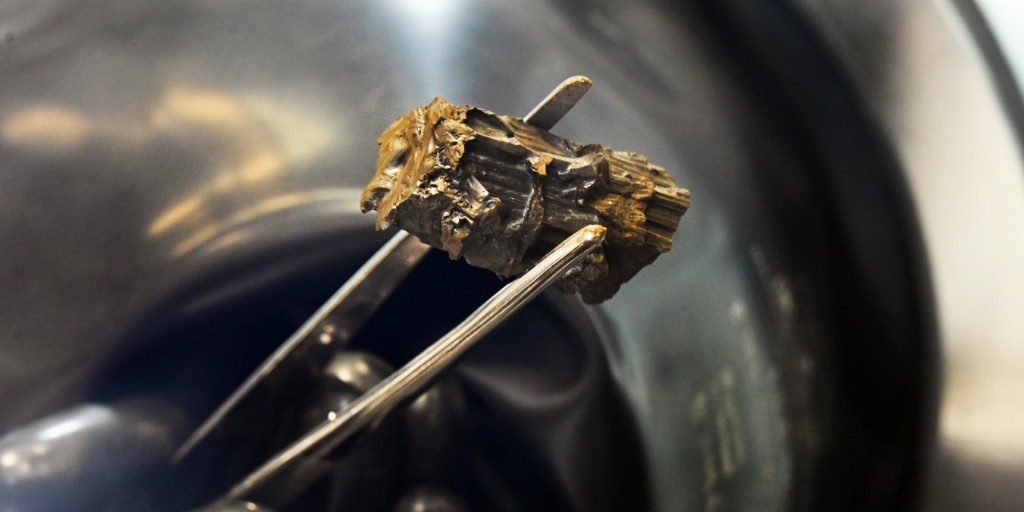
.@INL just cracked the code on molten salt fuel production — developing a new process to produce fuel for the world’s first fast-spectrum, salt-fueled reactor test.
Learn more: https://t.co/yPEUPUnnTU
Enter Small Modular Reactors (SMRs):
Instead of massive, custom-built plants, SMRs are compact, standardized units.
Think of them like nuclear power's version of the microchip:
Smaller, faster to build, and infinitely scalable.
Germany could restart 6 nuclear reactors in the years ahead, totaling 8.1 GW
At a burn rate of 500,000 pounds per GW annually, that implies ~4 million pounds of uranium annually. Initial procurement would likely require ~24 million pounds to cover initial core load and inventory
BREAKING: @ENERGY re-issues $900 million solicitation to build and deploy up to two advanced light-water small modular reactors.
The U.S. nuclear industry is back under @POTUS.
Learn more: https://t.co/X8LiFcOpOh
The World Bank's leader is asking their board to drop its long-standing ban on nuclear financing. One reason is a large amount of interest in nuclear among developing countries. The WB president says that he expects the change to be made in 2026. Article link in reply.
This change is a long-overdue no-brainer. The WB has been financing coal and gas projects in the developing world for decades. Funding a clean, reliable source makes far more sense. Look at the chart shown below and tell me how much sense it makes for nuclear to be the ONLY source that is prohibited!
We're making progress, but it's taking a long time to get rid of all the artificial barriers that have been put in nuclear's way, due to baseless prejudices.