Today we are presenting our most recent research outputs at the International Conference on Aquatic Invasive Species in Ostend, Belgium. Proud to be a member of this enthusiastic research team! #ICAIS2022@FWOVlaanderen @INBOVlaanderen #eDNA#eTeam
Congrats to my colleague for his excellent work on the innovative #eDNA#ddPCR research: you deserve this Positive Droplet Award, Rein! 👏👏
@INBOVlaanderen @BioRadLifeSci
https://t.co/10nN6UHXVb
Our @INBOVlaanderen lab and innovative #eDNA#ddPCR research led by Rein Brys is in the running for a Positive Droplet Award by @BioRadLifeSci https://t.co/qG78VdvmY3 Don't forget to cast your vote this week for your favorite nominee!
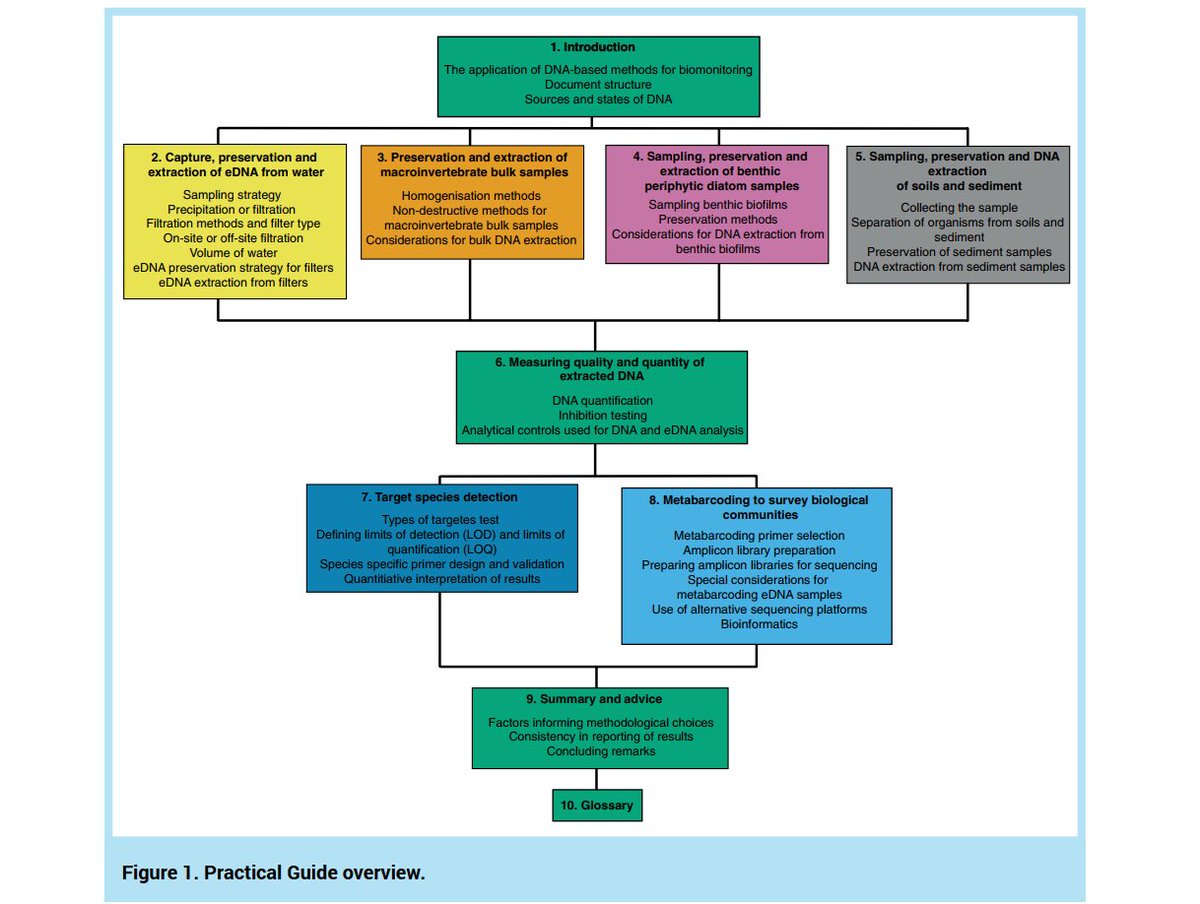
Must-read #OpenAccess guide for everyone embarking on #eDNA assessments and get answers to your FAQ. So glad to see first edition out from this amazing @DNAquaNet group effort that should stay updated as the field evolves!👏
👉Practical guide for #DNA#eDNA assessments published! 🍾
Amazing effort by @DNAquaNet@COSTprogramme members. Finally out: https://t.co/PdFLD2GOUR
And yes, the methods continue to evolve - but this provides very good contours & guidance, a lot consensus on #eDNA#metabarcoding
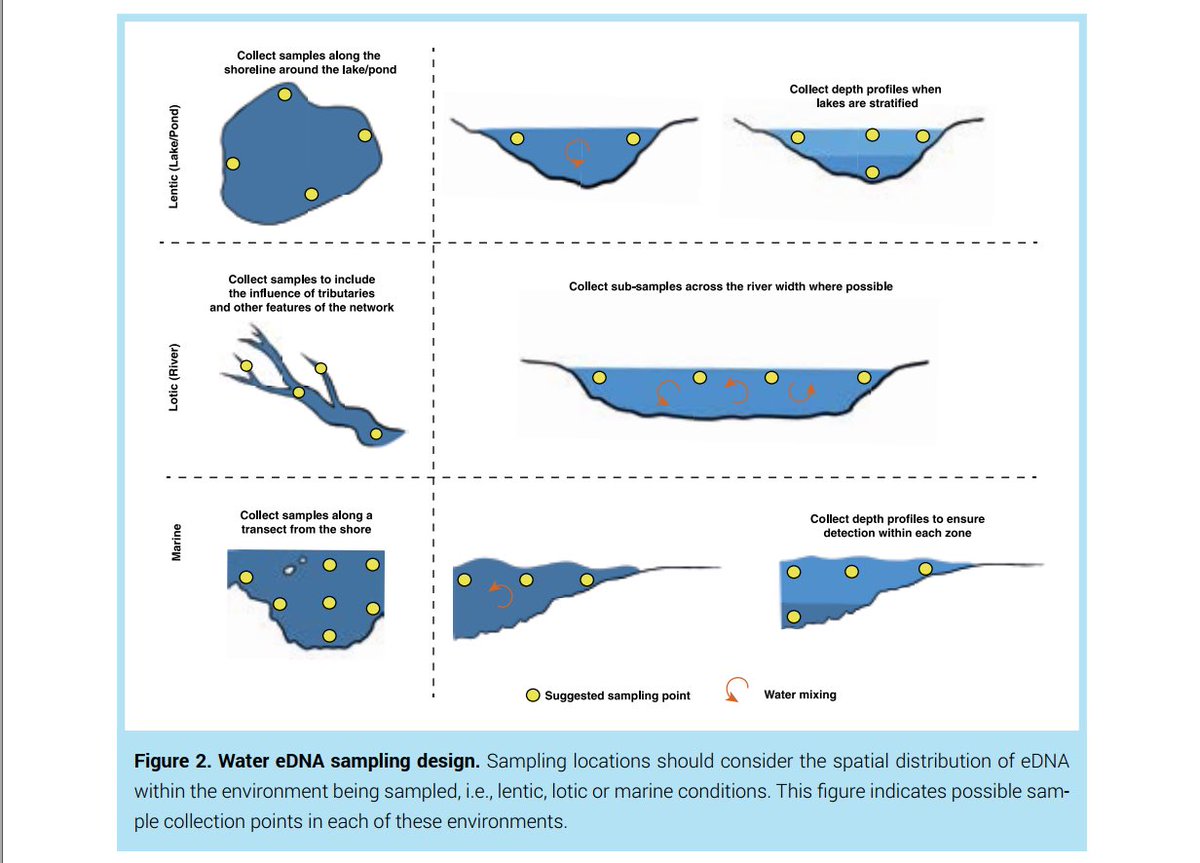
#eDNA emission from fish / amphibians is very local and temporary, stressing the importance of a smart sampling strategy in water-based biodiversity monitoring. Read our latest paper from @INBOVlaanderen and @ILVOvlaanderen here👇🏻https://t.co/j0cDwCUpbF
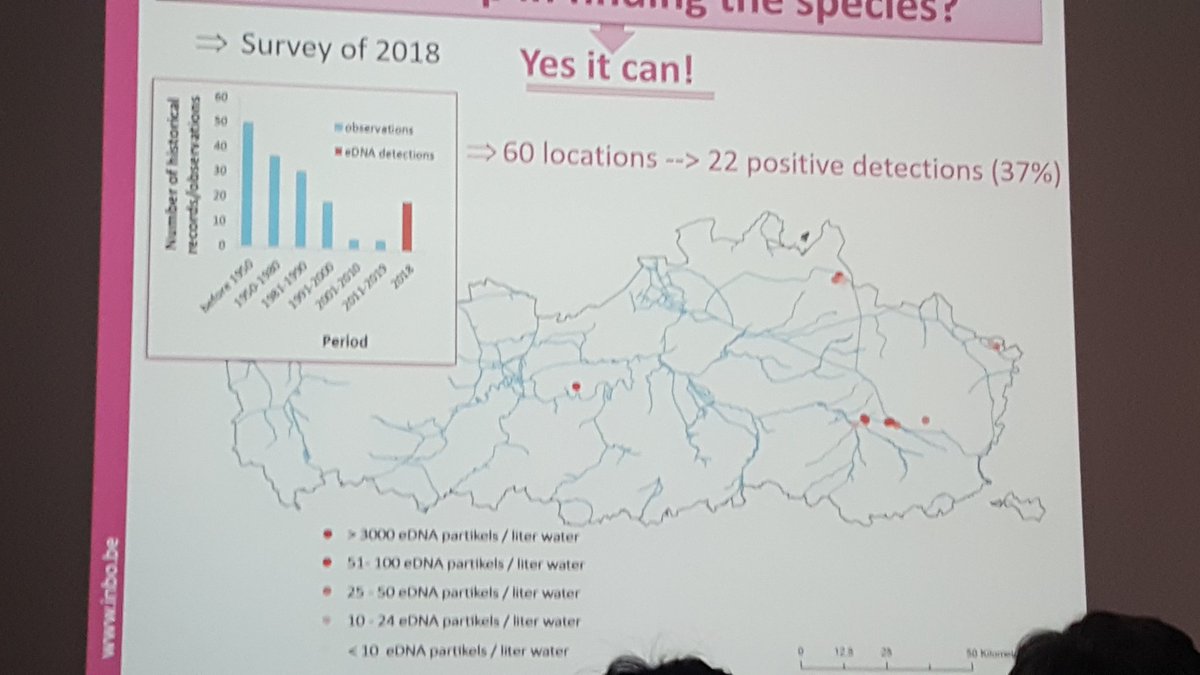
#ReinBrys https://t.co/MJFBoWbQWM using creative #eDNA methods for understanding detection of the weather loach in Flanders. Dispersion experiments, ddPCR overcoming inhibition challenges #FBSI19
Fab demonstration of how eDNA can detect elusive weather loach & inform reintroduction efforts by Rein Brys from @INBOVlaanderen at #FSBI19 ... ddPCR much better than qPCR for overcoming inhibition
@VascoElbrecht @lynseyrharper @BerndHaenfling @alpineedna@eDNAScience@DNAquaNet@SiCreerProf@cristinadimuri @metagusano @KevinBeentjes @luke_earl@Gnarly_Larvae Thanks Vasco! We hope lots of eDNA users will follow our recommendations on the use of internal positive controls and as @KevinBeentjes stressed report very well on the methods so we can combine everyone's results to further refine consensus on eDNA standard and best practices.
@taylormwilcox Actually the IPC qPCR assay we are using has been published in the dutch standard NEN 6254:2012 protocol for Legionella pneumophila detection which unfortunately is in dutch language and not free. https://t.co/unku5ahVvx
No i haven't written them but no wonder lots of people refer to the first primer set as Kelly primers since @Invertdna did refer to them very well in the M&M section of his 2014 edna fish mesocosm pub https://t.co/BikSmhJI7e https://t.co/4WnGGio5ub
@DavidACGT Arrgh, I bet you wasted a day to figure these errors out. Thanks for adding to the list! I wonder how many errors are out there like this? The ones in Riaz (2011) seem worthy of a published correction! Have you written to them?
@alpineedna Well good luck if you start aligning vertebrate primers from original Riaz (2011) pub that don't even have a decent name, first primer pair is labeled 16S instead of 12S and for 2nd primer pair direct and reverse primer are switched in wrong column 😱
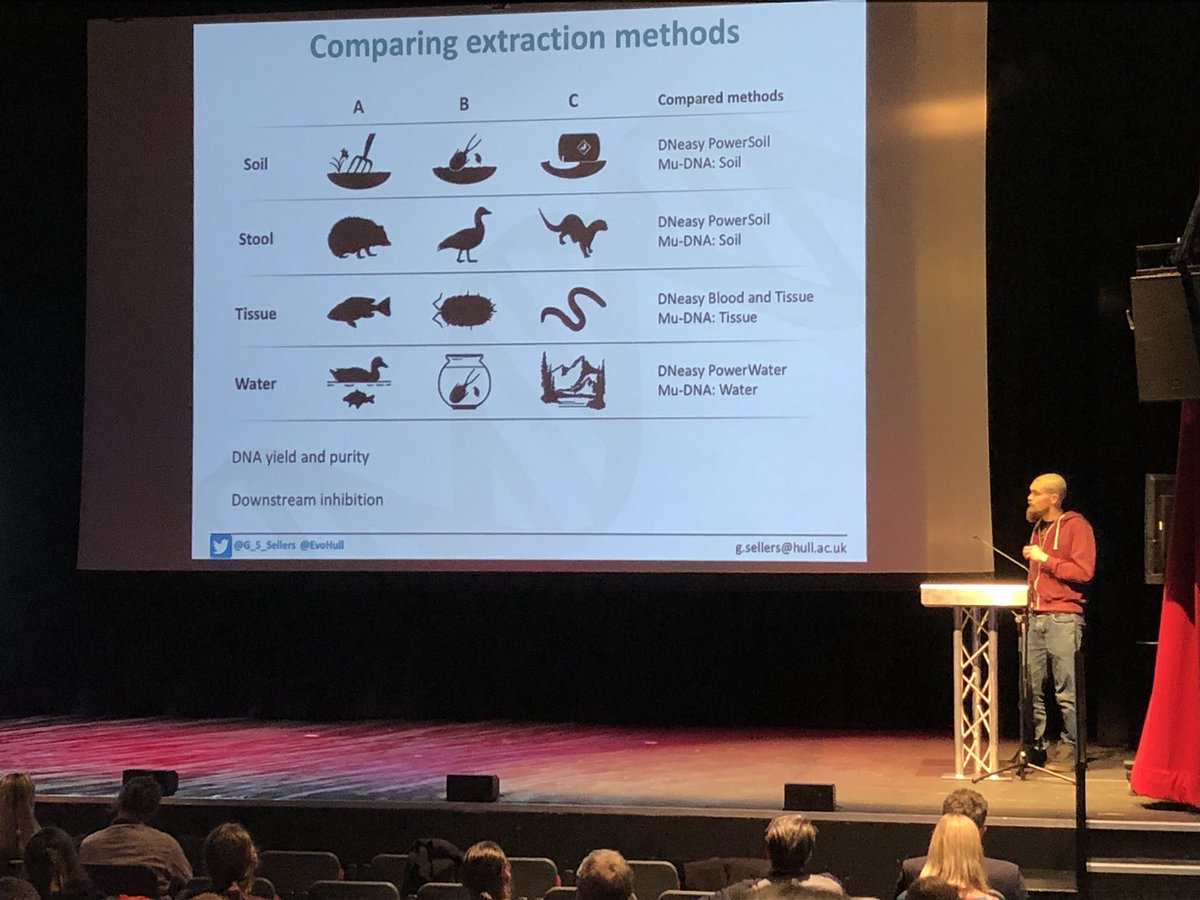
@G_S_Sellers from @EvoHull presents mu-DNA - a modular dna extraction toolkit for eDNA and beyond. It works and gives you more science for your money!! #UKDNAWG