I can’t believe this is real!!! 🤯
Getting my art onto the Sphere has been my biggest goal for years and now it’s a reality. I’m so grateful and honored, and stoked that @Abel_Okugawa joined me on this ride. His music is the other half of my art 💛
Entranced by “Viridian Lightfall,” the first XO/Art collaboration inspired by 𝘛𝘩𝘦 𝘞𝘪𝘻𝘢𝘳𝘥 𝘰𝘧 𝘖𝘻 𝘢𝘵 𝘚𝘱𝘩𝘦𝘳𝘦.
Representing Dorothy’s journey from sepia Kansas to the vibrant Land of Oz, digital artist David Ariew takes viewers on a visual color story that begins in a field of golden light and builds through a crescendo of color before arriving at the luminous green of Emerald City.
Original Soundtack🎵: Abel Okugawa
nah I haven't messed with local models, just like how I stopped rendering locally about 2 years ago and started using the Render Network exclusively. Cloud rendering is faster and speed is my highest priority. Clients are getting used to the fact that rendering and generation both have high price tags attached!
as for video models, 99% of the time I'm using Seedance 2.5, and for images I use Seedream 5.5, GPT 2.6 Sunburst (usually max mode), and once in a while NB2.1 and Midjourney.
I'm also switching back and forth constantly between GPT and Claude desktops and generating most everything in CreativeClaw directly in the chat interface, connecting both to my Dropbox and giving local computer access etc.
I've always been an advocate for Seedream and championed it even when people were sleeping on it. The 5.5 update is awesome! What truly stands out to me is how this image generator understands composition and camera angles. Also, no awful artifacting/noise like GPT Image 2.6. Here are some cinematic shots at a very wide 21:9 aspect ratio.
For more cinematic shots I always use the terms "Cinematic color grading, muted colors with heavy film grain" to help push it more towards that visual aesthetic.
@BytePlusGlobal and @dreamina_ai congrats on this release. I love it!
SwitchX 3.0 is here. Our biggest update yet.
Rebuilt on MiniMax H3 for professional video-to-video:
→ Up to 4 references
→ Backgrounds that move
→ Camera tracking, no markers
→ Prompts that direct the scene
Your performance stays locked. Only the world around it changes.
This is the first immersive experience I’ve built with a physical mirror ceiling 🤩
What a perfect match between my digital mirror dimension and the physical mirror extension, all made possible by @rendernetwork ❤️🔥
This piece will be playing during Breakpoint Solana as part of the Frameless exhibition with so many other talented immersive artists!
Score by 🎧🧙 @Abel_Okugawa 🐐
I’m so proud of the immersive pieces I’m bringing to this exhibition!
None of this would be possible without The Render Network, one of the few companies that is a true patron of the digital arts ❤️🔥
One golden world, two ways in…
@DavidAriew's Quantum Stargate invites you into an immersive 8K world, rendered on GPUs powered by @rendernetwork’s node operators.
Nov 16 - Beyond the Frame @framelessldn during @solana BP2026.
RSVP: https://t.co/zJrCvfzX6n
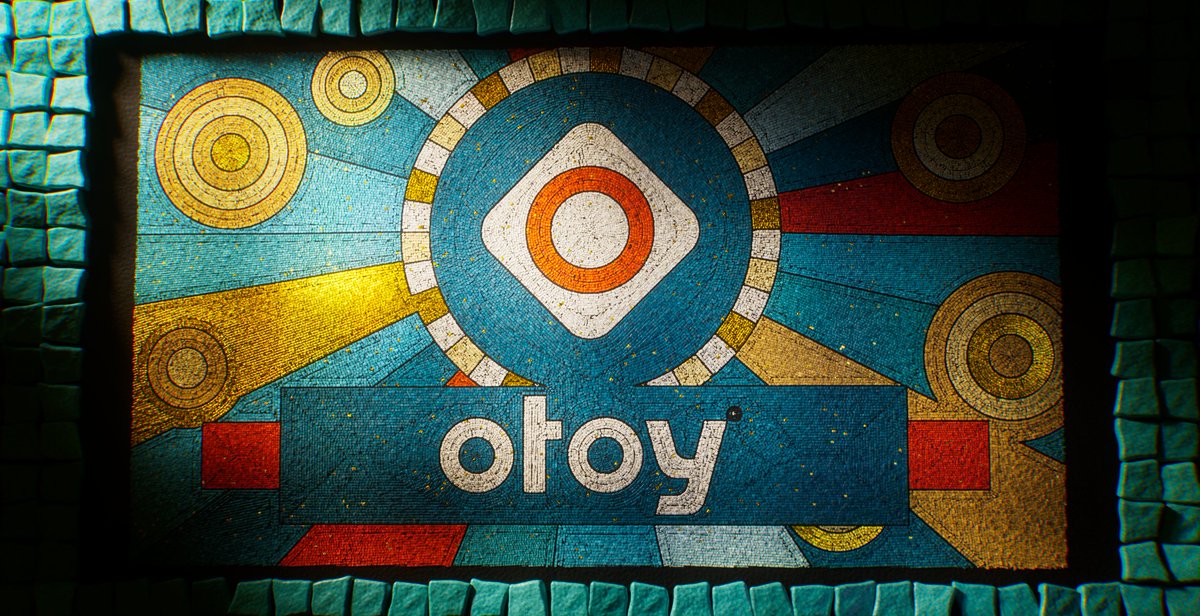
With @OTOY newly added MCP you can create so much so quickly!
And it's not just about shading. You can build procedural tools for production in entirely new ways.
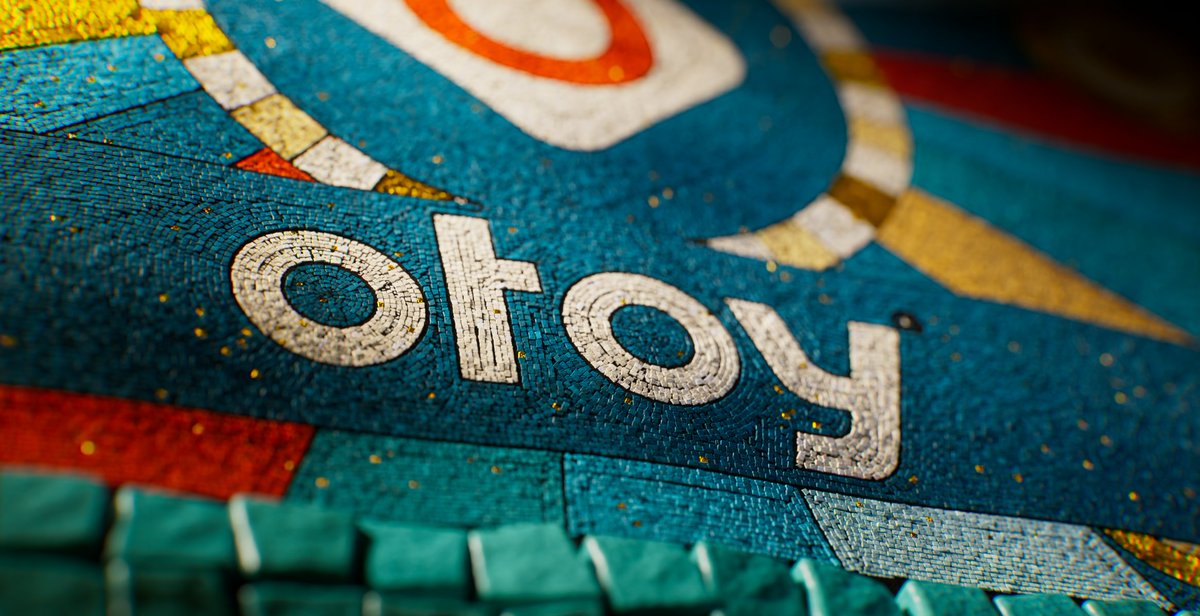
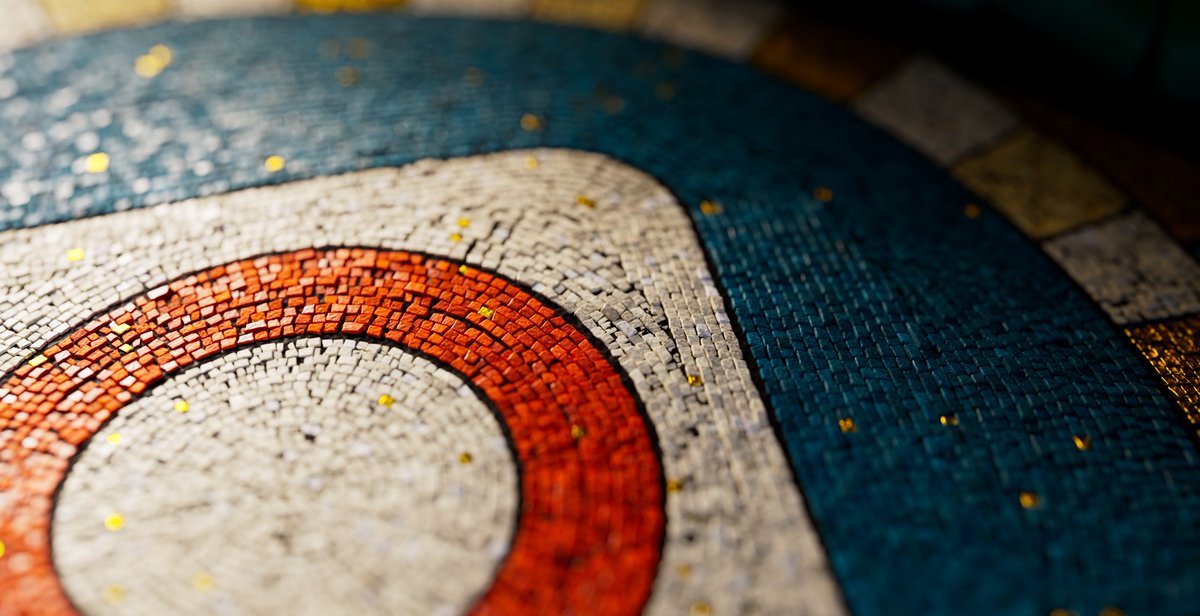
For this example, I wanted to create a procedural mosaic builder with cobblestones, grout, and a ton of customizable controls, all adjustable through sliders in Octane Standalone.
Drop in new artwork and within seconds the tool rebuilds the mosaic, taking into account the artwork's lines and strokes to guide stone flow, collision awareness, color, shading, and randomization.
None of this is necessarily NEW to Octane. It's always been a powerhouse capable of doing incredible things. But with the MCP, those capabilities become much more accessible, making it possible to prototype and build complex procedural tools incredibly quickly.
One of the coolest things about hybrid filmmaking is being able to preserve a real actor's performance while changing everything around them.
Here's a test where we turned simple greybox footage shot @promise_ai into a cinematic cliffside scene using AI.
Check out the 🧵 below for the exact steps and prompts we used in this workflow.
En esta prueba he querido poner Claude al límite con Houdini (modelo Opus 5.5). He montado toda la escena hablándole al iPhone para ver dónde está el límite, y mi conclusión es que no hay límite. Esto que veis es donde he puesto el freno, hay cosas que corregir aún pero quiero seguir experimentando con otros proyectos.
El render ha tardado 50 horas en mi 5090 dado lo compleja que es la escena, volumétricas etc.
El color grading lo he hecho en Davinci trabajando en Aces y también lo hice hablándole al teléfono con el MCP de Davinci.
Me cuesta imaginar un futuro donde no vayamos a trabajar con esto de forma masiva.
When a vfx pro like hector conjures up worlds in houdini using voice notes - it just mogs all other opus builds.
Seasoned creators can zoom out to create at an unprecedented scale without losing track of the details.
Because they go from playing the instruments to conducting the orchestra.
From 2 years to a few days of rendering.
@DavidAriew rendered his 16K Quantum Stargate for @artechouse on Render Network. On one of his own machines, he calculated it would have taken two years.
Experience it at ARTECHOUSE DC as part of SUBMERGE.
🎟️ https://t.co/knzw0FfEcL