“Gap analysis” is an example of surface level data analysis often done with the wrong data that reflects poor or no understanding of the root reading processes. Analysis with the right data interpreted with understanding is reflected in “If-Then” analysis that informs practice.
Literacy Today survey reports just 40% think teacher programs provide effective prep; just 63% report getting instruction in teaching phonics and only 27% thought it was adequate. Of all those surveyed then, only 17% received effective phonics training! https://t.co/cTkuO5IBCv
@artinker@right2readproj@karenvaites I think the job is much more difficult for many reasons. It’s more difficult to get a large percent to adequate reading levels. Teachers need excellent skills.
@right2readproj@karenvaites I think that’s correct but there are some limitations ... for example, in districts where students experience a lot of mobility, homelessness, and trauma that translates into multiple challenges at the school level, 95% might be too optimistic.
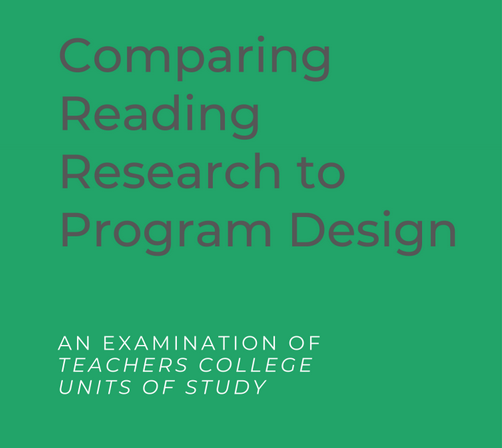
An extensive review of the Teachers College Units of Study program (aka Reading Workshop), conducted by literacy experts, finds numerous gaps between program design and evidence on how kids learn to read.
Important reading:
1/3
https://t.co/JRDaVDmhgi
@MsJasmineMN @edu_post Equity is when every child has a deeply knowledgeable, highly effective, skilled reading teacher who can facilitate appropriate reading acquisition in all students. “Arguing” is a waste of time.
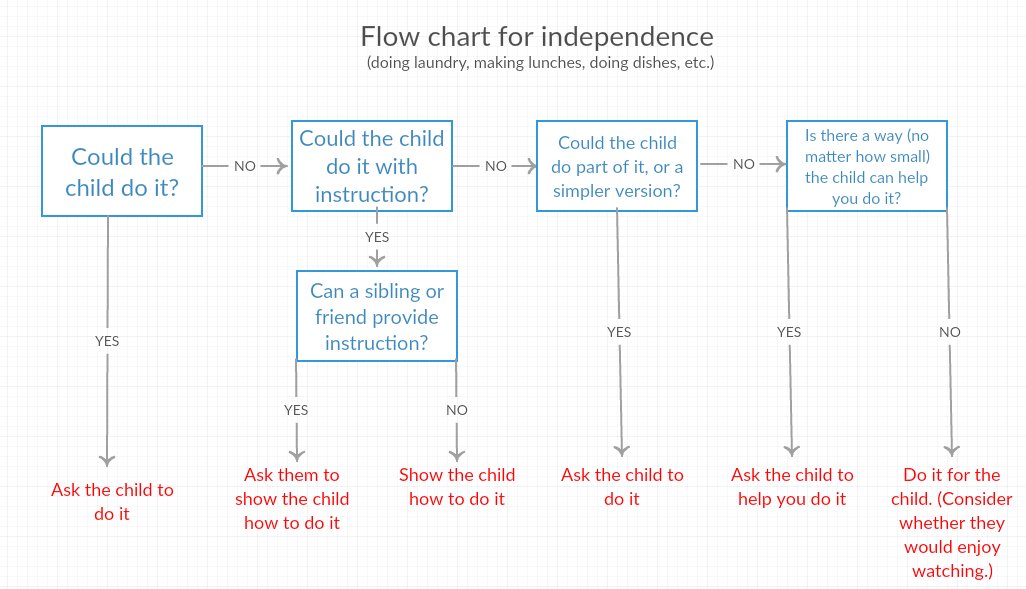
Guy I know was complaining about making his 8th grader's lunch. I didn't have presence of mind to say anything so 3 days later I made this. I don't think the guy's is on Twitter, this is my therapy.
@catnew86 A “program” won’t do it. Start with phonemic awareness, this must learn to manipulate the sounds of language. Adams, Forman, and others have a good of lessons.