Multiple Sclerosis Neuropsychiatry Fellow @UofTPsych / Psychiatry @UofTPsych / Medicine @MacDeptMed
Interested in neuropsych/mood disorders. All views my own.
This study builds upon cross-sectional research that showed links between depressive symptoms and cognitive dysfunction (doi:10.1007/s00415-024-12409-x), and between cognitive impairment and decreased odds of having received CBT (doi:10.1016/j.msard.2026.107161).
Recent RCT shows that CBT can improve depressive symptoms—and may even benefit cognition, anxiety, pain, sleep, QoL & illness acceptance—in people living with #MultipleSclerosis.
🔗 https://t.co/cFUJSx5B5O
Psychiatry residents and fellows interested in research careers: apply for the CPA’s Junior Investigator Research Colloquium, held during the CPA Annual Conference (Montreal, Nov 18–21). The JIRC offers mentorship from leading researchers. Deadline: Mar 1 https://t.co/b69uhhX12K
#MultipleSclerosis affects ~1 in 350 Canadians, and depression is more common in MS than in the general population. What should psychiatrists know about addressing depression in people with MS? @TheCJPsych@UofTPsych@Sunnybrook
https://t.co/icGNSQqG04
Neuropsychiatry is plagued by small sample sizes.
@ella_burchill is changing this with a BIG new paper on the relationship between psychosis and 15 neurological conditions in @BMJMentalHealth.
https://t.co/nLrrrF3Bx9
Here are some highlights...
Affective reserve in #MultipleSclerosis: Definitions, measures, and potential benefits for people living with the disease, clinicians, and investigators.
Personal viewpoint from @Sunnybrook@UofT ▶️ https://t.co/mCqiAPylT0
Why do some people with #MS avoid depression despite severe disease? A new paper introduces affective reserve—a buffer against biopsychosocial adversity, complementing cognitive & physical reserve. Hopeful, holistic, and ready for research. @UofTPsych
https://t.co/LeojeNpKsQ
How does the cognitive/mental health of people with #MultipleSclerosis change with aging? Our new study answers this question.
As people with #MS age, anxiety declines and cognition worsens, with no change in depression, fatigue, and cognitive concerns.
https://t.co/GEeF9X2Pab
History of seizures independently predicts reduced cognition in people with #MultipleSclerosis, deserving further investigations on mechanisms and potential treatments.
Study from @DavidEFreedman@UofTPsych@Sunnybrook ▶️ https://t.co/nzq3v3wAPs
Of 2,449 pregnancies in #MultipleSclerosis, 43.0% received symptomatic therapy (including antidepressants, analgetics and anticonvulsives), without adverse pregnancy outcomes or congenital abnormalities.
Study from @KerstinHellwig@ruhrunibochum@HHU_de
https://t.co/DpWTBnFdmE
Interesting study showing a link between severe mental illness (e.g. bipolar disorder, psychosis) and delirium, highlighting the importance of thoughtful psychiatric consults for people admitted to medical units
Do antipsychotics work for psychoses in epilepsy?
You hear different things in clinical practice, so we wanted to do a systematic review of the literature.
Read the #OpenAccess article (https://t.co/WfhdhB9weo) or read on for a 🧵... (1/9)
Great overview of MS neuropsychiatry by @sanilrege!
While depression, anxiety, and cognitive dysfunction are more common in people with MS than in the general population, these conditions can be modifiable with effective neuropsychiatric care!
Behavioral Disorders in Multiple Sclerosis (MS) 🚨
Behavioral Changes in MS:
👉MS is associated with a broad range of behavioral symptoms, even in early disease stages.
Behavioural Domains / Disorders include :
👉Attention deficits
👉Anxiety, panic, and obsessive-compulsive disorders (OCD)
👉Irritability, agitation, and aggression
👉Oppositional and defiant behaviors
👉Disruptive emotional regulation and executive dysfunction
👉 behavioural changes are present in approximately 30-80% of individuals with MS.
👉often co-exist with depression and other neuropsychiatric disorders.
🚨Importantly, these symptoms are typically not correlated with motor deficits, suggesting separate pathophysiological mechanisms.
Neuroimaging Findings in MS: 🧠
Structural brain changes that correlate with behavioral symptoms:
👉Prefrontal cortical atrophy, which is linked to executive dysfunction and emotional regulation issues.
👉Disruptions in key brain networks, including the fronto-striato-thalamic and frontoparietal networks, which are associated with cognitive and behavioral control.
👉Evidence of interhemispheric inhibition, indicating impaired communication between brain hemispheres.
Paper 👉 https://t.co/F9Qaqh15wQ
Read more on Neuropsychiatry of Multiple Sclerosis - A Short Primer for Psychiatrists 👉 https://t.co/EdgHZ4fpLU
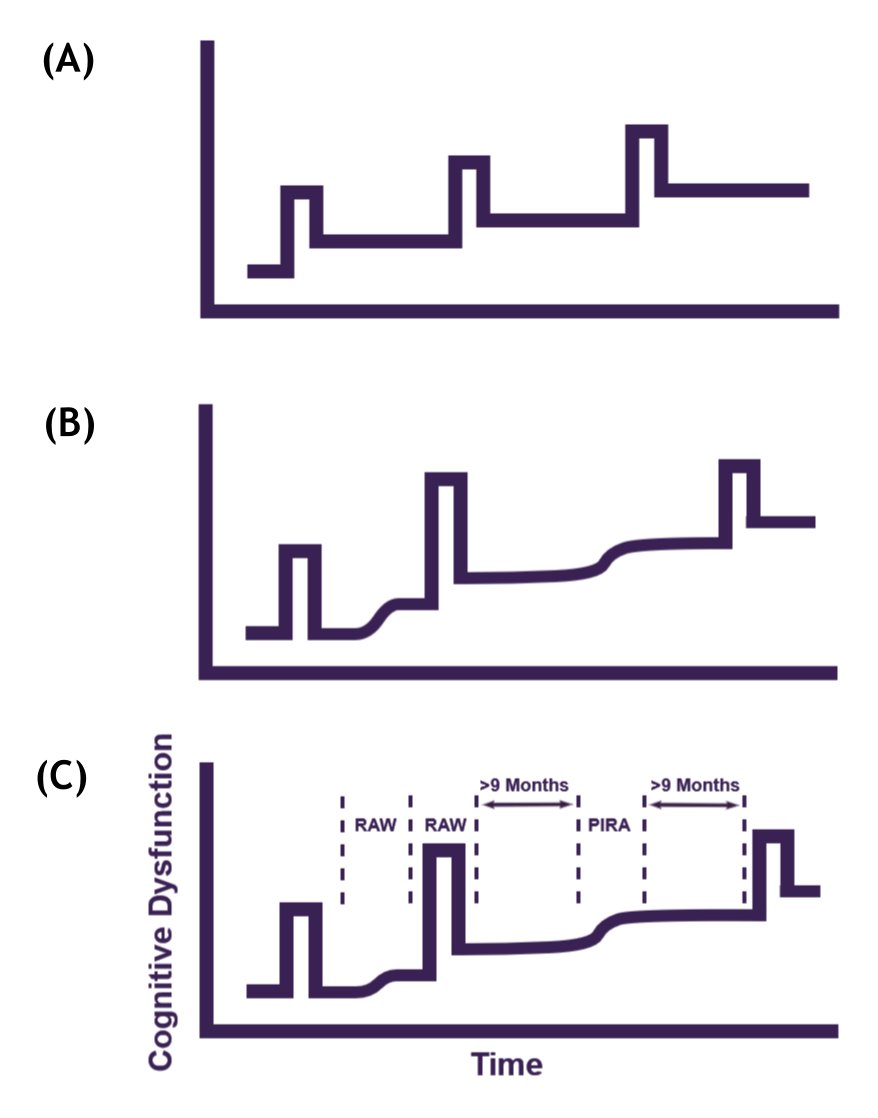
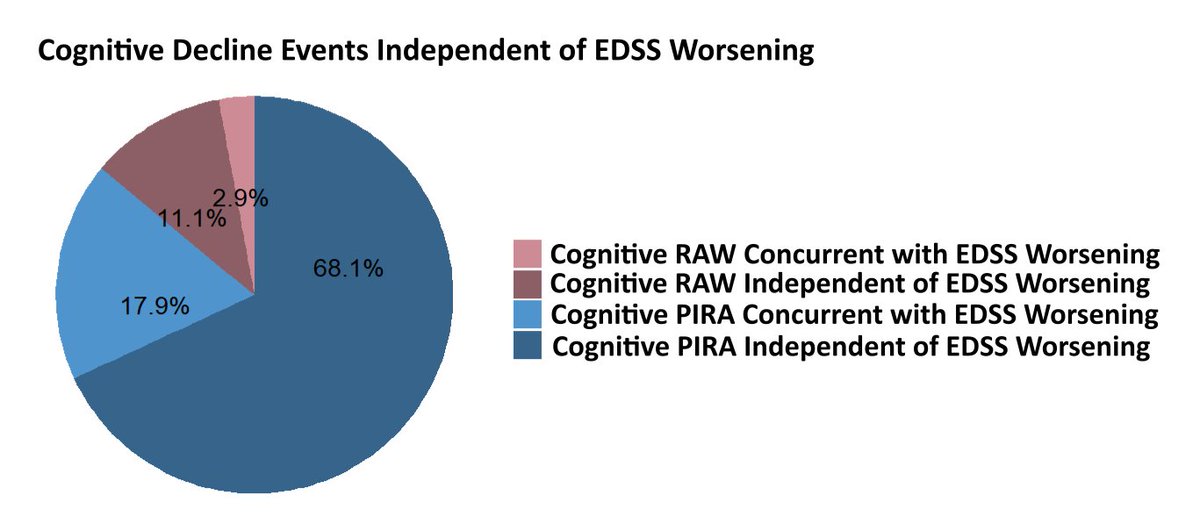
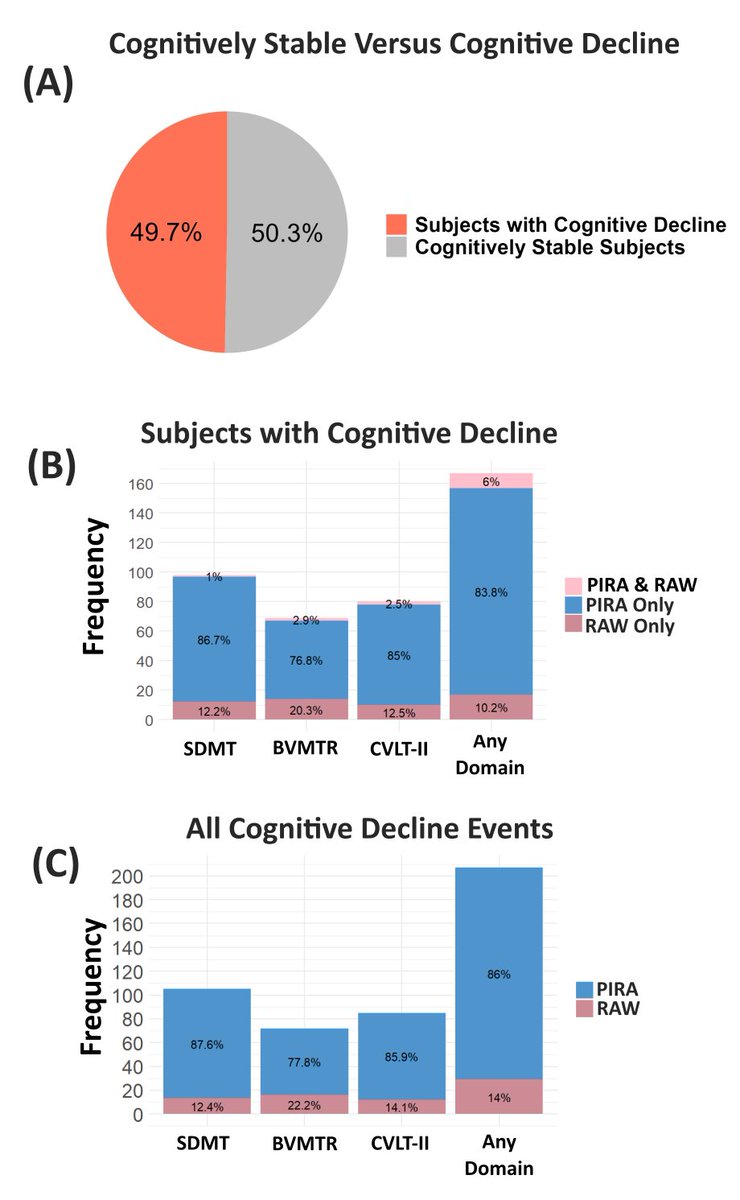
Just published! Cognition in people with multiple sclerosis can worsen silently in periods without relapse. Objective testing can help us capture and understand this change.
Thank you to @ECTRIMS for their support, to @imscogs for featuring this research in Bern Switzerland, and to all my colleagues that have contributed to this work.
@Mennoke@elisacolato@BiancaGuttman@AnatNeu_Ams@MScentrum020@amsterdamumc
The Article: https://t.co/h9cFVNCoyC