🧠📊 New on NeurologyLive®: @FuchsTom, of @amsterdamumc, explores machine learning models designed to predict disease progression in multiple sclerosis using clinically accessible data—focused on usability and clinical decision support.
🔗 Read more 👉 https://t.co/06zhfxeWrk
Just published! An excellent article by the brilliant Daan de Jong. Dr. de Jong explores practice effects with repeat cognitive assessment and whether this in itself can be used to understand the status of people with multiple sclerosis.
https://t.co/Om9ZIUgcrN
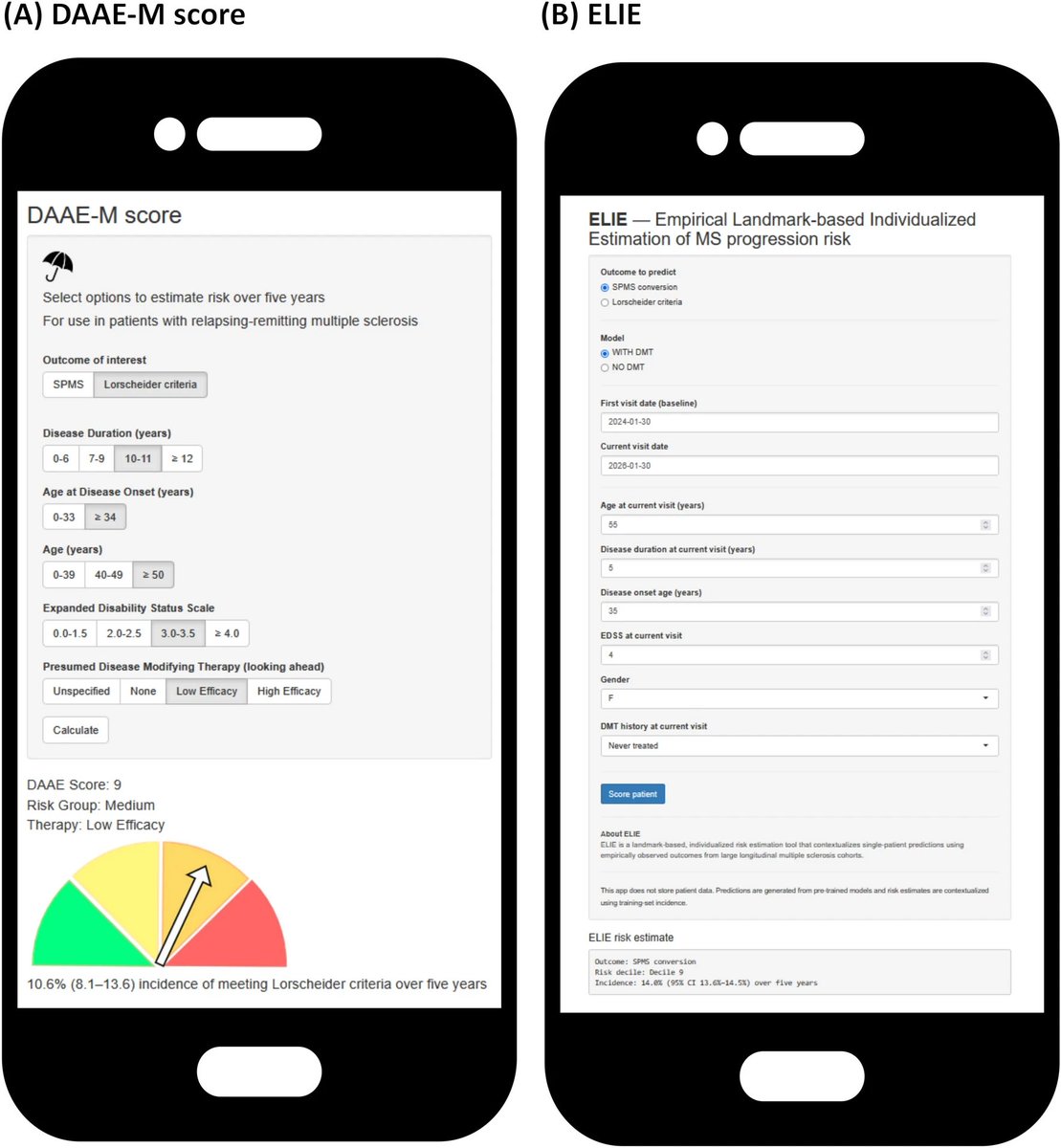
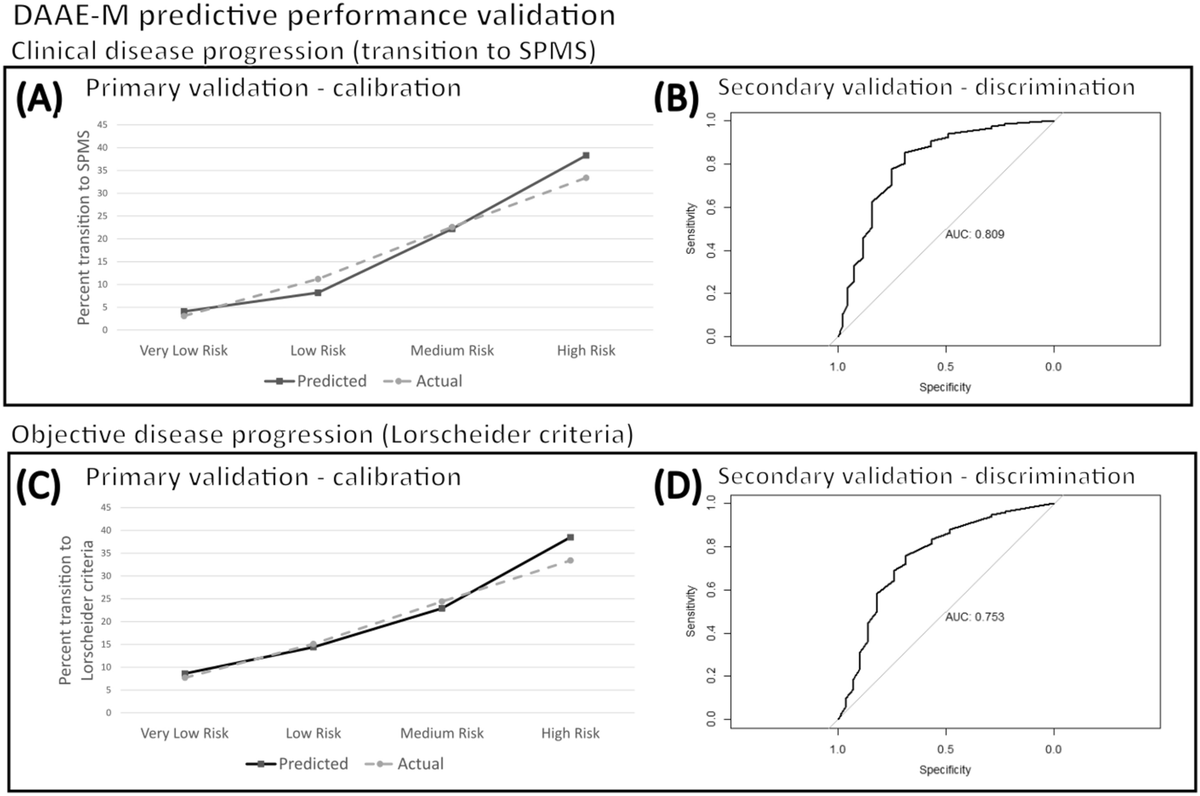
Disease progression in multiple sclerosis can be reliably predicted using clinically accessible information and technology.
See our latest publication in Journal of Neurology about the development and validation of the new DAAE-M and ELIE scores!
The manuscript: https://t.co/CgJYZ80mfq
The online tools: https://t.co/MXi6QS6pHS
Thank you to @ECTRIMS, @MScentrum020, @MSBase_Registry, for supporting this work - and to my mentors and collaborators @Mennoke, Eva Strijbis, @JelgerhuisJ, @BiancaGuttman, and Robert Zivadinov
When considering spinal cord atrophy as a measure of pathology, it is important to also account for natural variability. See this excellent publication by Daan de Jong
https://t.co/KgaM1IBWAo
Cognitive decline can worsen independent of relapse in multiple sclerosis and is best predicted by early neurodegeneration. An important new article by Stefano Ziccardi & Massimiliano Calabrese
https://t.co/m8LQKQU84e
I had an excellent discussion with Victoria Leavitt and Brett Drummond during this session at @ECTRIMS conference! Looking forward to future advancements worth debating : )
🎙️ “Cognition is a window into otherwise uncaptured disease progression, and that is a reason to measure it. That then allows us to then decide if what we are doing for our patients is right.” Tom Fuchs from @AmsNeuroscience in the latest ECTRIMS Podcast on cognition
🎧 Listen now: https://t.co/8uYD5oZ0HM
#ECTRIMSPodcast #MultipleSclerosis #Cognition #MSResearch #Neurology #MSCommunity @MStranslate
Cognitive symptoms in MS are common—but not always captured well by current tools. In our latest podcast, Vicky Leavitt from @Columbia and Tom Fuchs from @AmsNeuroscience talk about the state of cognition research, if measurement still lags behind clinical need, and how new tools may change the field forever.
🎧 Listen now:
Apple: https://t.co/6QesWrWj6T
#ECTRIMSPodcast #MultipleSclerosis #Cognition #MSResearch #Neurology #MSCommunity @MStranslate
🎙️ “Cognition is a window into otherwise uncaptured disease progression, and that is a reason to measure it. That then allows us to then decide if what we are doing for our patients is right.” Tom Fuchs from @AmsNeuroscience in the latest ECTRIMS Podcast on cognition
🎧 Listen now: https://t.co/8uYD5oZ0HM
#ECTRIMSPodcast #MultipleSclerosis #Cognition #MSResearch #Neurology #MSCommunity @MStranslate
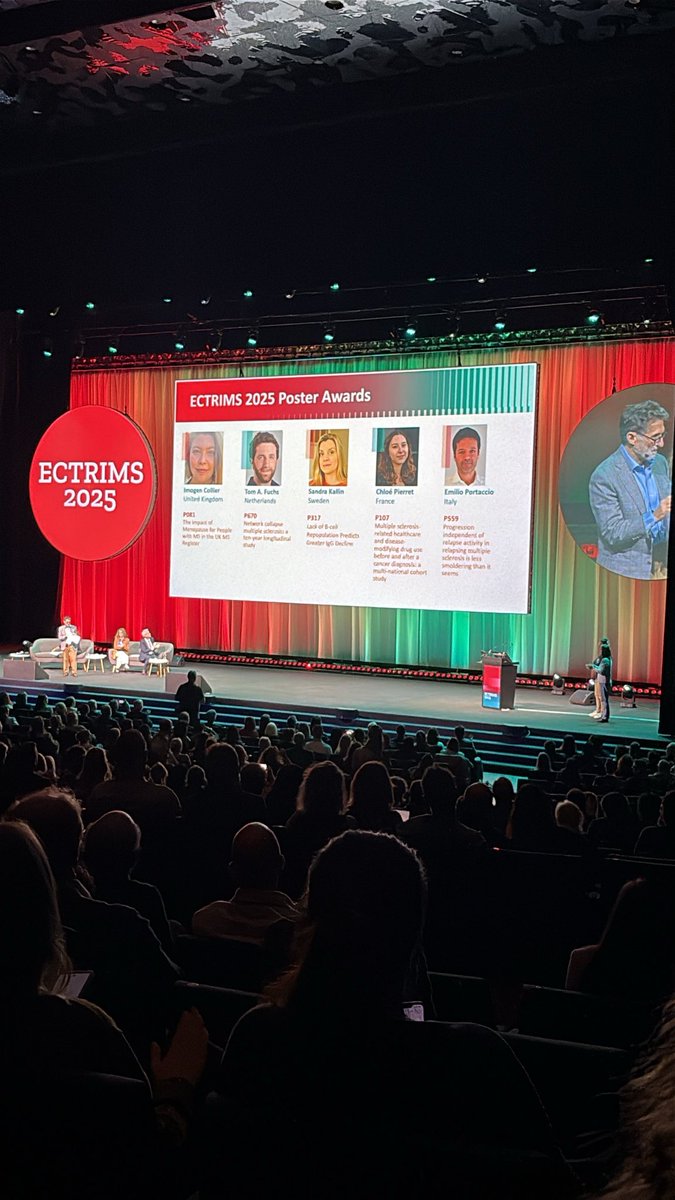
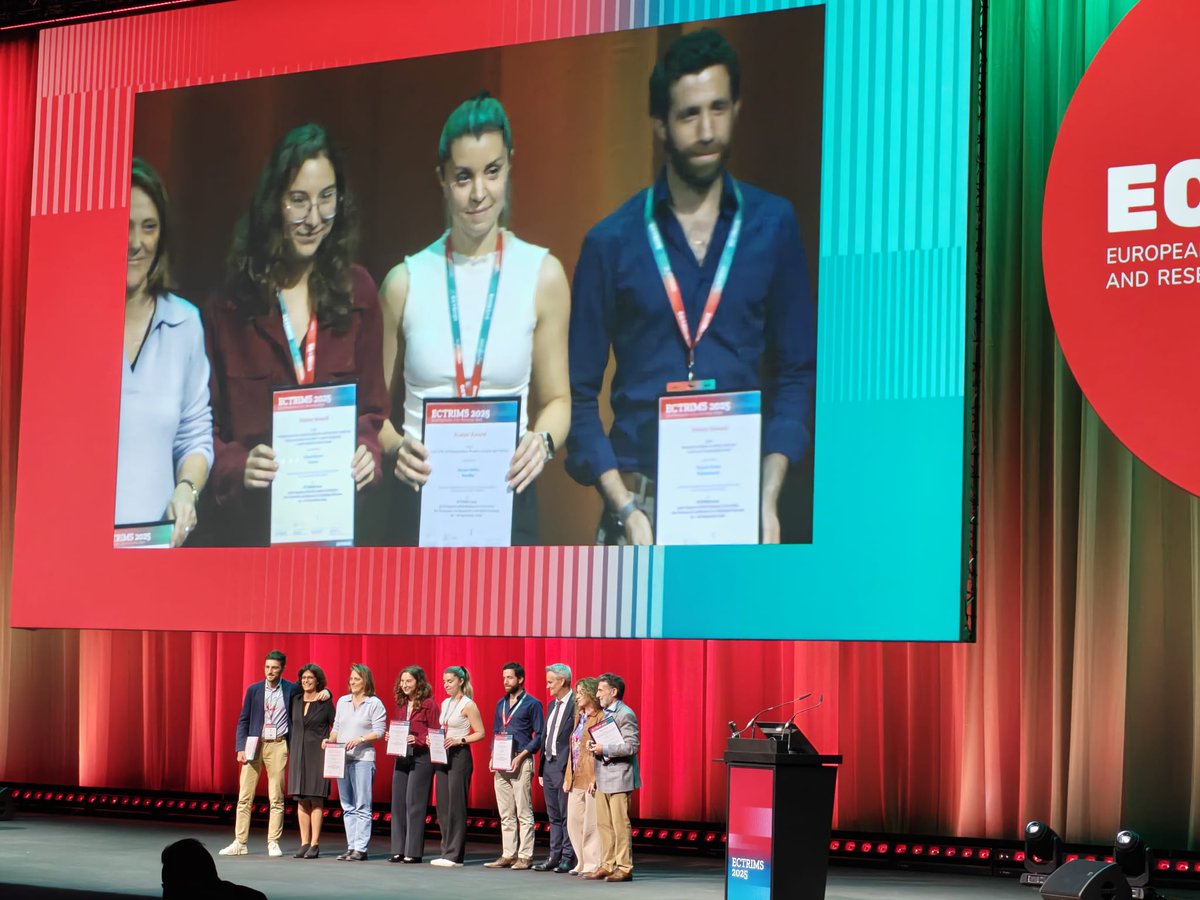
Thank you @ECTRIMS for supporting this work, to the committee for honoring us with this award, and to my incredible mentors and collaborators! I am proud of this research, unraveling the functional brain underpinnings of disease progression in people with multiple sclerosis.
By testing the SDMT monthly across 3 years, the plateau of practice effects was reached after 18 repetitions, suggesting that alternate versions and reliable-change methodologies should be considered.
Study from @goteborgsuni@sahlgrenska ▶️ https://t.co/e4EvcgUCnZ
Disease progression in MS is predictable using clinically accessible information and technology. Congratulations to the brilliant Julia Jelgerhuis for this excellent work! And thank you to our wonderful partners in Prague who have been extraordinary scientific collaborators.
The manuscript: https://t.co/wgOcV2KZg3
The tool: https://t.co/FuicsORaRW
@JelgerhuisJ@AnatNeu_Ams@MScentrum020@AmsterdamUMC
How does cognitive testing contribute to personalized care for patients with multiple sclerosis? See my recent article in @neurology_live addressing this question
https://t.co/h8ljnWRcwF
This work supported by @ECTRIMS@AnatNeu_Ams@MScentrum020