Twitter feed for my site about Oasis recording sessions. I also tweet about the electronic music pioneer Delia Derbyshire, Doctor Who, and classic comedy.
@LRoundels I redid that shot of Liz with Google Gemini and was surprised that it turned out better. Somehow it managed to decipher the “Berry Wiggins” background text from the blurry source, without any guiding prompts. 1/2
@VFXMan3@LRoundels I upscaled the SD stills with Grok, then opened the HD files in a film emulation app called RNI Films. I selected Technicolor 4, reduced its intensity, then adjusted the amount of grain alongside the saturation until it reminded me of 16mm. You can also add halation, bloom etc.
@LRoundels Good call re Battlefield. It’s nice to see those shots with a bit more texture, and the stills in the eps I tried seemed to respond better to film effects after the upscale. I tried a few stills from Remembrance, prompting for lighting changes in addition to the upscale
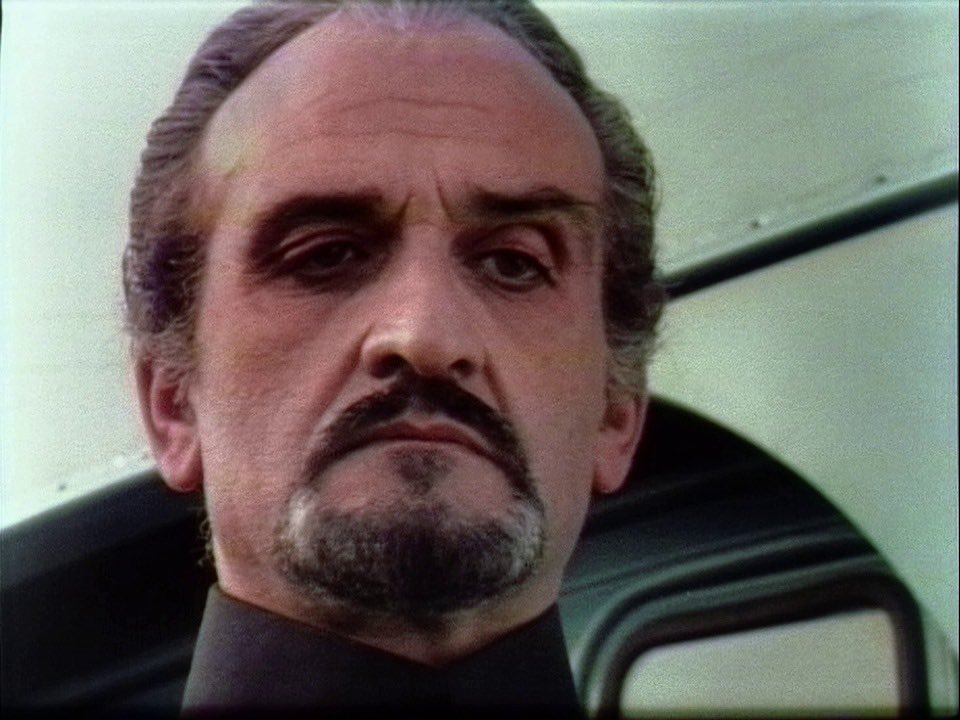
@LRoundels Where AI upscaling distorts an actor’s likeness due to limited source detail, it would be great to be able to tag that character and have it redo the upscale based on an HD photo gallery of that actor (in this shot the upscale no longer resembles Manning, but Delgado’s fine).
@LRoundels Another shot from Inferno which had a “heat haze” effect on broadcast. SD v AI upscale. His likeness gets distorted on the upscale here - there’s also something slightly unusual with the line structure (perhaps a video overlay was added on the original telecine transfer?).
@LRoundels Thanks! Yes, I was pleased with the textures there and the way that it’s redrawn the saturated colours without chroma bleed.
I found with Grok does well with removing ringing from SD stills, which isn’t yet possible on video without damaging true detail.
@filmisfabulous Congrats on another incredible find!
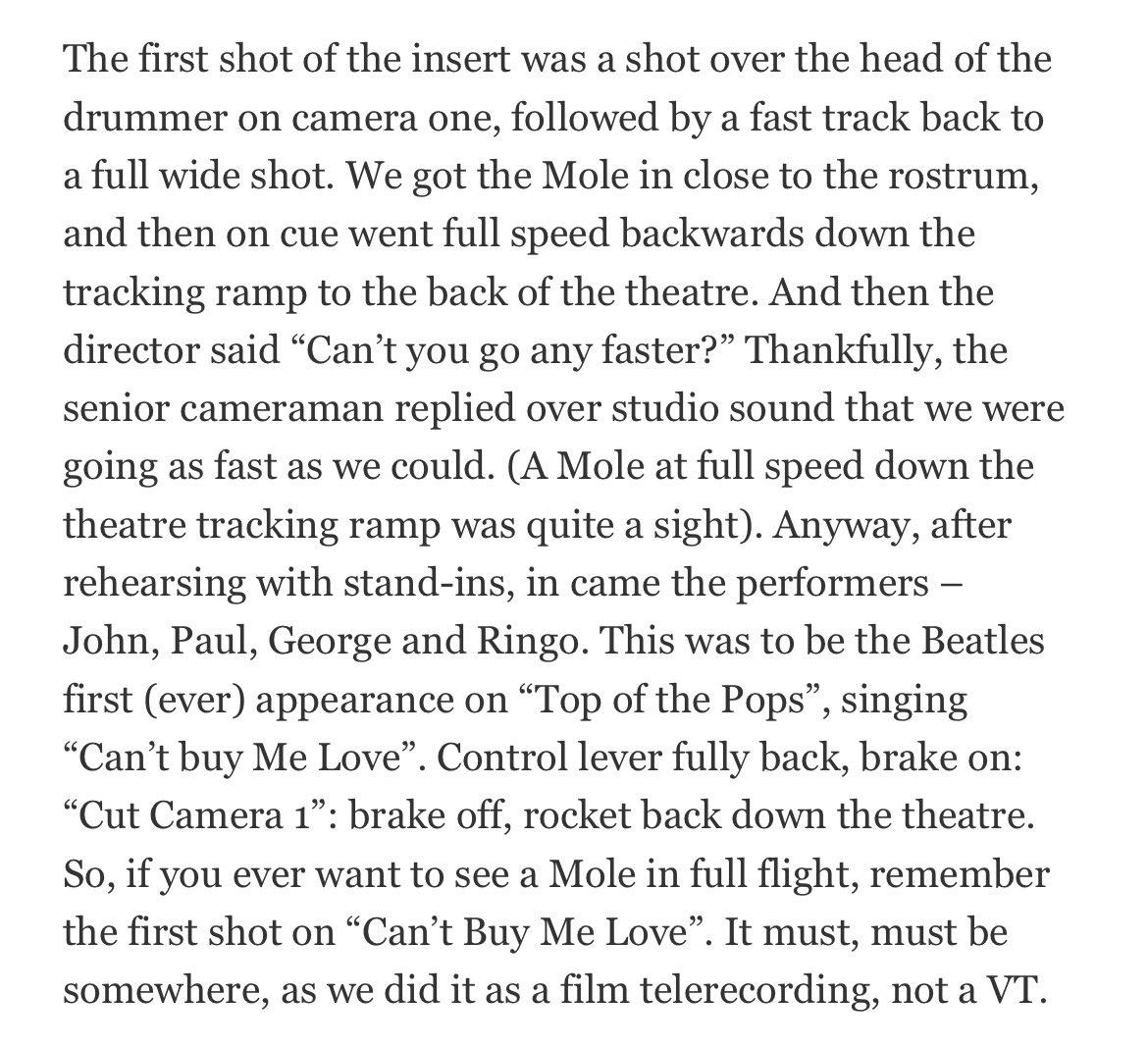
Here are some memories of the recording from Alec Bray (posted in on Tech Ops in 2013). https://t.co/fEi1gZgIz2
Beatles 35mm Negative Donated
At the British Film Collectors’ Convention, on Saturday 30th May, John Franklin of Film is Fabulous was presented with a 35mm BBC negative of The Beatles, recorded on the 19th March 1964, in the original BBC film can.
@claytonhickman Superb work! The shot is new to me, and I would never have guessed it was b/w originally.
It does look like one from the Spearhead shoot to me also. I've been isolating Dudley Simpson's score for the story recently, using de-mixing software. Thought you might enjoy this cue.
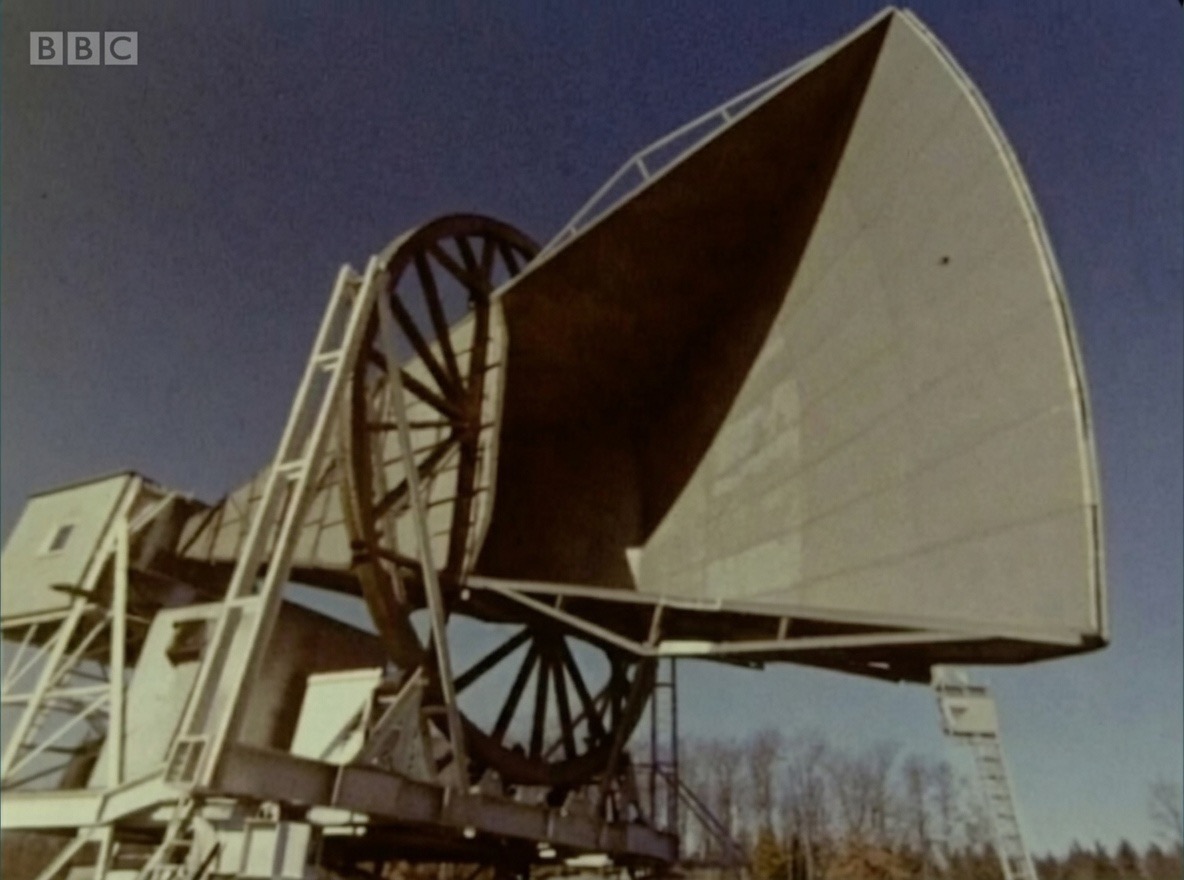
@ramthelinefeed@drwhopodcasters I believe the other stock shots in that ep are of Goonhilly Down and Jodrell Bank, but have no idea of the exact source.
@ramthelinefeed Can't find the thread now, but I recall you were researching stock footage used in DW. I found one of the clips from Ambassadors e2 in this 1969 documentary. May be of interest to @drwhopodcasters (wasn't sure if the source had been ID'd) https://t.co/SVvpRgstY4
@AnUnknownEnt1ty One possible tradeoff is that it may reduce any intended reverb on the film soundtrack as well as the unwanted acoustic of the room in which it was replayed. There are also usually some artefacts introduced by the processing, which vary a lot according to the source material.
@AnUnknownEnt1ty If it’s impractical to get a direct transfer of the film audio, you might be able to improve the results from your phone camera recordings by processing their soundtracks with an app like LALAL’s reverb remover. 1/2
https://t.co/yV7FJcH9iX