Cognitive correlates of human endurance | PNAS https://t.co/3n24uBGNms
Our new study in @PNASNews shows that adding cognitive demands to endurance walking increased perceived physical effort, but people with stronger cognitive abilities felt the impact less.
What are the relative impact of diet vs physical activity on the global obesity crisis? New paper out @pnas uses the DLW Database with 4000+ participants across 34 populations to investigate Obesity & Energy Expenditure Across the Economic Spectrum. Open access link below!🧵1/
Thrilled to announce my new book on shelves soon:
SEVEN DECADES: HOW WE EVOLVED TO LIVE LONGER
Our longevity is shaped by our evolutionary past—imagine aging as opportunity rather than burden.
Out Sept 16, preorder w/ code PUP30 30% discount: https://t.co/sedXAKIzdI...
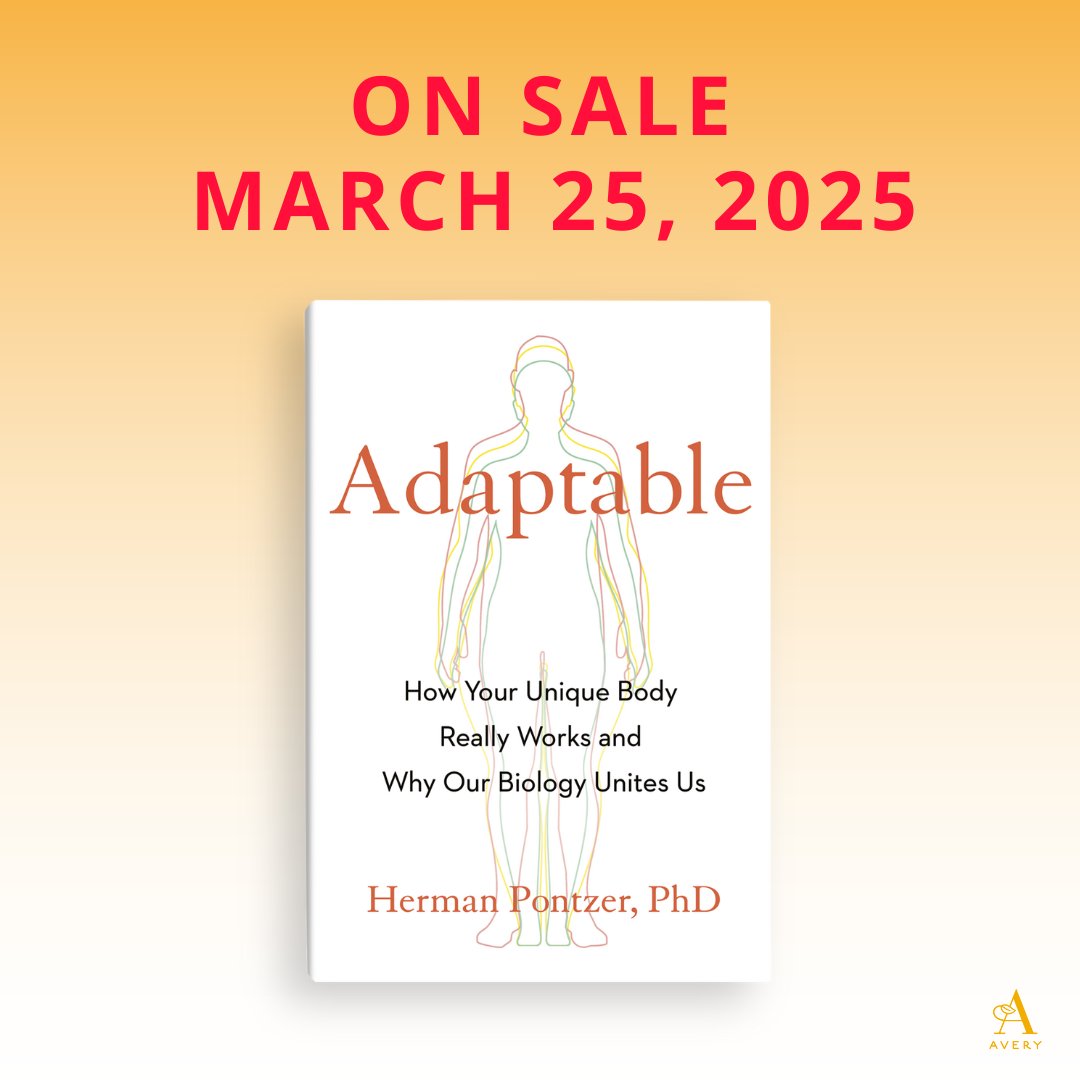
Had a blast talking with Dax and Monica on @ArmchairExpPod ! We talked human evolution, metabolism, and of course - ADAPTABLE. Enjoy!
https://t.co/cARsLLo2sy
ADAPTABLE publication day!! So excited to have it out in the wild. Can't wait to hear what people think.
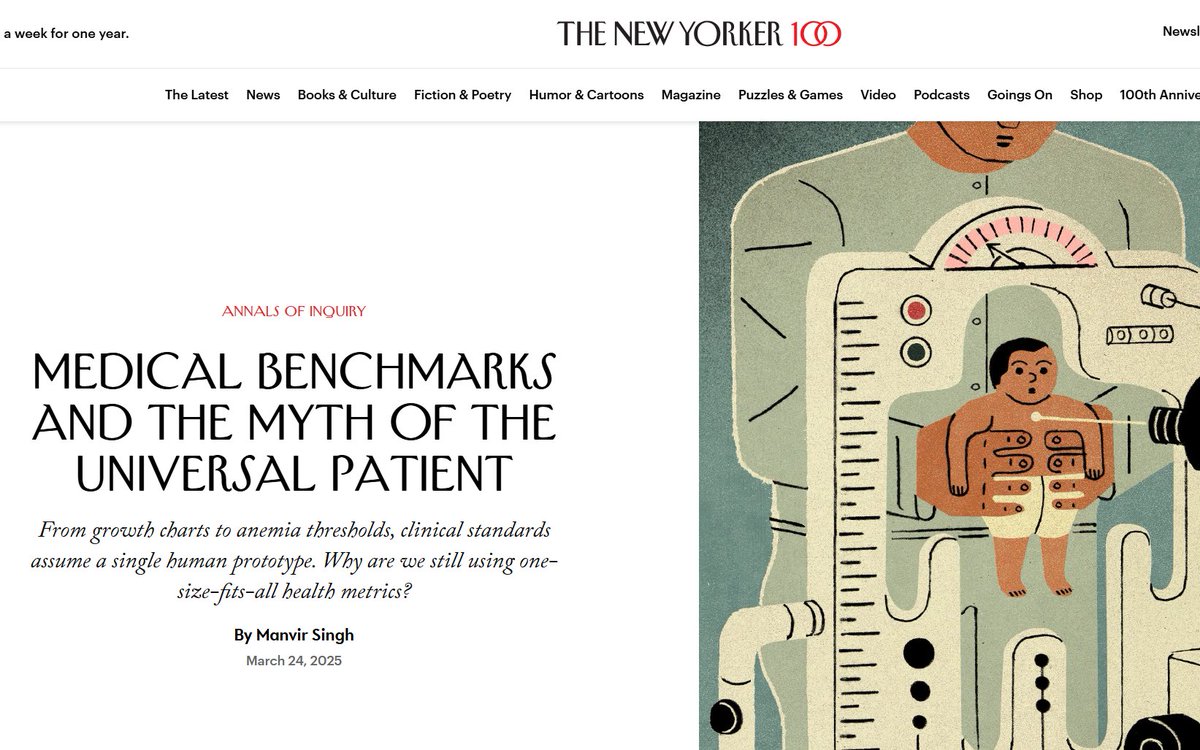
And what better way to launch than being featured in @NewYorker by one of my favorite writers @mnvrsngh ! Check it out! links for the article and the book below
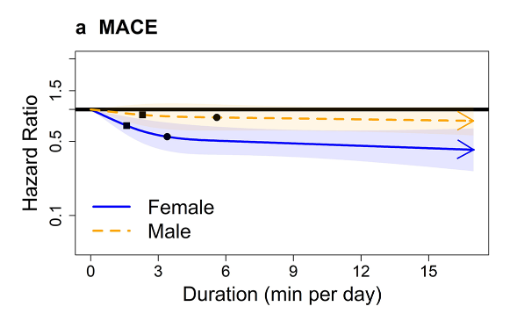
Small doses of physical activity (when quantified using #wearables) are potent for health & should be considered in next #PhysicalActivity guidelines & promoted by clinicians. Commentaty in current issue of @NatureMedicine by I-Min Lee et al.
https://t.co/ghboOOIBYe
Three key contributions of wearables to future guidelines:
1. Light intensity #PhysicalActivity
2. Physical activity #micropatterns, e.g. #VILPA (vigorous intermitent lifestyle physical activity)
3. Stepping-based targets
[noting that none of the 3 involve going to the gym :)]
"Small doses of activity should be added to future guidelines, but while waiting for that to happen, clinicians can take advantage of the new knowledge now."
@ma_hamer@Matthew_Ahmadi_@NKoemel@JasonGill74@fiona_bull@AdrianBauman@gibalam@MarieHMurphy@aiden1doherty@victormatsudo@AngeloSabag
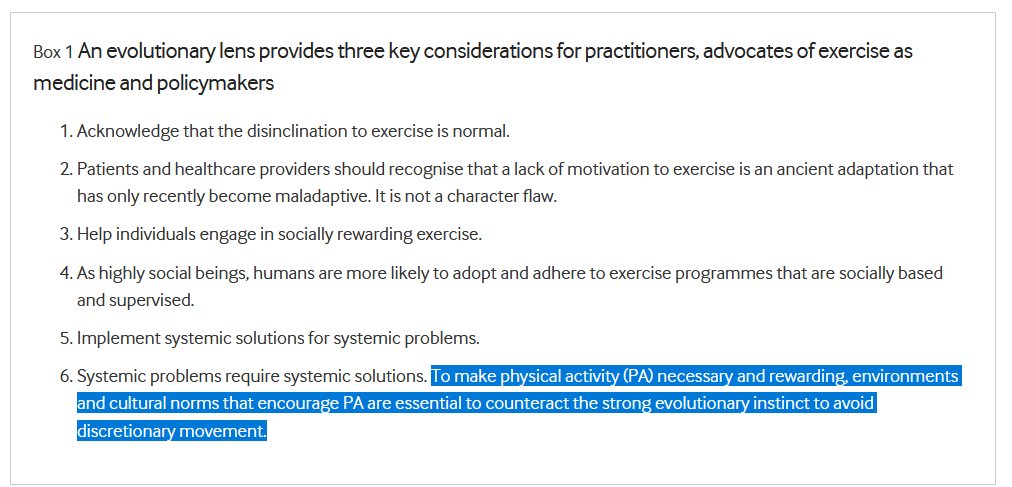
"....humans evolved to engage in lifelong habitual #PhysicalActivity, but never evolved to exercise which is a modern behaviour ...in industrialised economies."
Excellent (very thought-provoking!) review in @BJSM_BMJ on why ppl struggle to stick to exercise & possible solutions. We have completely neglected this evolutionary perspective - could it be one of the reasons adherence is so poor?
https://t.co/HIPbnynGe1
Way forward: expore ways to support communities to increase their #IncidentalPhysicalActivity + invest more on exercise adherence.
"To make #PhysicalActivity necessary and rewarding, environments and cultural norms that encourage PA are essential to counteract the strong evolutionary instinct to avoid discretionary movement."
@DavidRaichlen@Matthew_Ahmadi_@NKoemel #VILPA @CPC_usyd@syd_health@eatlikeanimals
A picture paints a thousand words!
👉The biggest public health benefit of physical activity comes from getting those least activity doing a bit more.
👉More is better to a certain point with a clear levelling off & a trend for a U-shaped curve.
https://t.co/p8VJueFf4B
Join my lab @DukeU@EvAnthDuke ! TWO postdoc positions: NIH projects in energy balance, physical activity, health outcomes & more.
One with the Daasanach community in northern Kenya.
One working with @AmboseliBaboons .
Please share R/T!
https://t.co/v4iddgfLYz
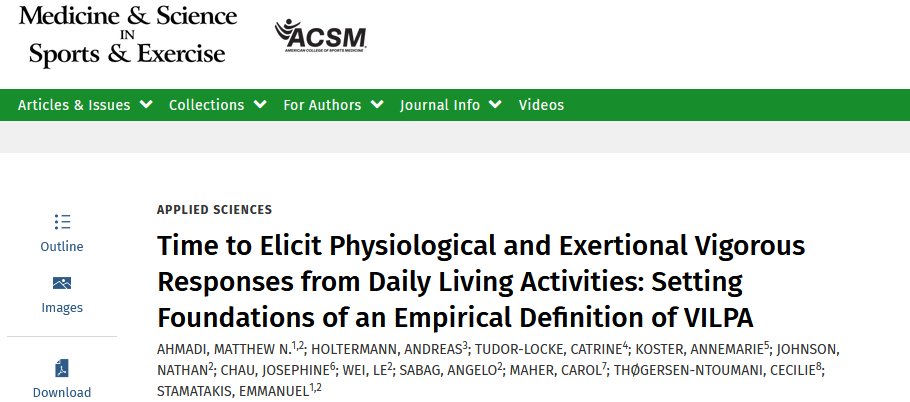
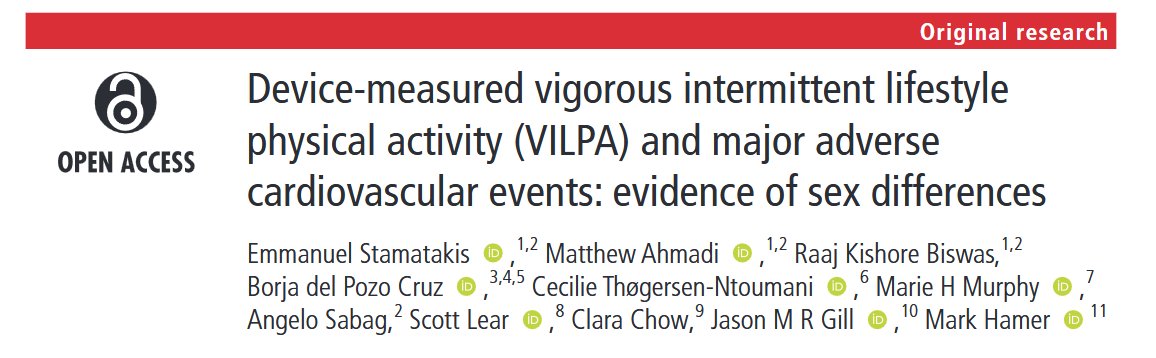
New paper: towards an empirical definition of VILPA (vigorous intermittent lifestyle physical activity):
https://t.co/E90OPoXxsR
During activities of daily living, VILPA elicited a physiological response (%V̇O2max & %HRmax) at 77-83 sec, and 45 sec for perceived exertion.
🚨New paper alert🚨
https://t.co/Mqr8ljKNSz
Key findings
🏃Increasing 1 MET in eCRF was associated with a 20% reduction in the risk of cognitive impairment
🛌Decreasing 14 min/day in leisure time MVPA was associated with a 16% increased risk of cognitive impairment
1/2
2024 honoree Dr. Stacey Tecot is an associate professor in the School of Anthropology and the director of the Laboratory for the Evolutionary Endocrinology of Primates (LEEP). At LEEP, she works with others to develop new assays to measure noninvasively collected samples and train researchers to analyze their samples and conduct their own hormonal assays. She also co-directs the Ranomafana Red-Bellied Lemur Project in Madagascar where she works with local research technicians and students to understand infant caregiving strategies and how the environment affects behavior and physiology. https://t.co/tBguwr2szA
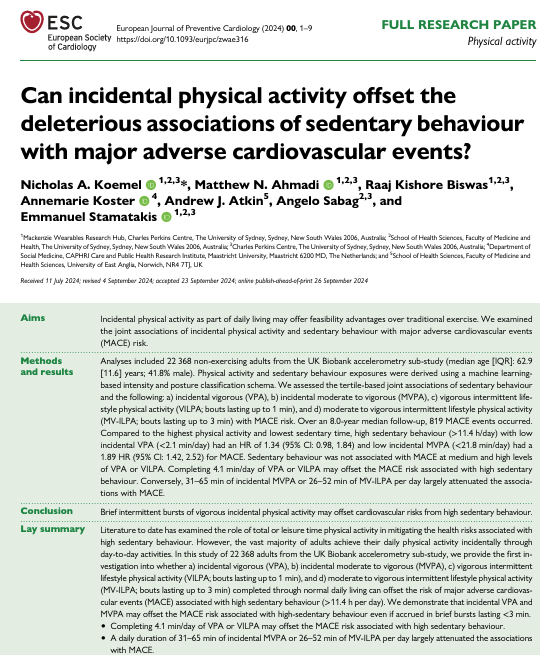
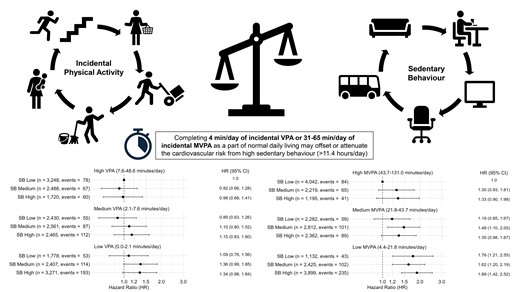
Can short bursts of daily movement offset cardiovascular risk from prolonged sitting?
A new study in @ESC_Journals finds that just 4 minutes a day of brief bursts of vigorous activity 🏃🏼can offset risks linked to sedentary behaviour (>11 hr/day)
🔗 https://t.co/cOqVixUBZE
🚨 We're Hiring a post-doc! 🚨
Join our team at École Normale Supérieure de Rennes to work international for the Youth Health From a Holistic Perspective (YEAH!) project funded by HORIZON. 🌍
🗓️ Start: January 2025
for more information : [email protected]







![M_Stamatakis's tweet photo. Small doses of physical activity (when quantified using #wearables) are potent for health & should be considered in next #PhysicalActivity guidelines & promoted by clinicians. Commentaty in current issue of @NatureMedicine by I-Min Lee et al.
https://t.co/ghboOOIBYe
Three key contributions of wearables to future guidelines:
1. Light intensity #PhysicalActivity
2. Physical activity #micropatterns, e.g. #VILPA (vigorous intermitent lifestyle physical activity)
3. Stepping-based targets
[noting that none of the 3 involve going to the gym :)]
"Small doses of activity should be added to future guidelines, but while waiting for that to happen, clinicians can take advantage of the new knowledge now."
@ma_hamer @Matthew_Ahmadi_ @NKoemel @JasonGill74 @fiona_bull @AdrianBauman @gibalam @MarieHMurphy @aiden1doherty @victormatsudo @AngeloSabag](https://pbs.twimg.com/media/GkRQV-gbgAAo19z.jpg)