Work with farmers, foresters and food producers worldwide. Spanish Olive farmer and EVOO producer. I know a few topics in some depth, otherwise I don’t discuss
@Empty_America Poverty/success is absolutely relative. In Burkina Faso a teacher salary is $400 per year, and one egg costs $0,45, rice $0,85/kg. In Bihar India a farmer will make the same. They don’t get to do $60k in their entire lives. I’ve known kings in Zambia who make way less than 60k.
@AFOjanguren@Geotrupes_ Exactamente la reacción esperada de alguien con nula capacidad de autocrítica. Desgraciadamente no sólo no ayudas a hacer un mundo mejor sino que eres una fuerza negativa.
@ryankatzrosene@mattwridley I spent once trying to secure funding for a climate adaptation model in East Africa. Six months with experts from global consulting firms and DFIs and we failed to demonstrate any measurable negative impact affecting the recipients. Everyone was interested but we gave up…
@ryankatzrosene@mattwridley I’ve been working around climate change insurance and no insurance company gets into it simply because they are completely incapable of calibrating the models half way right.
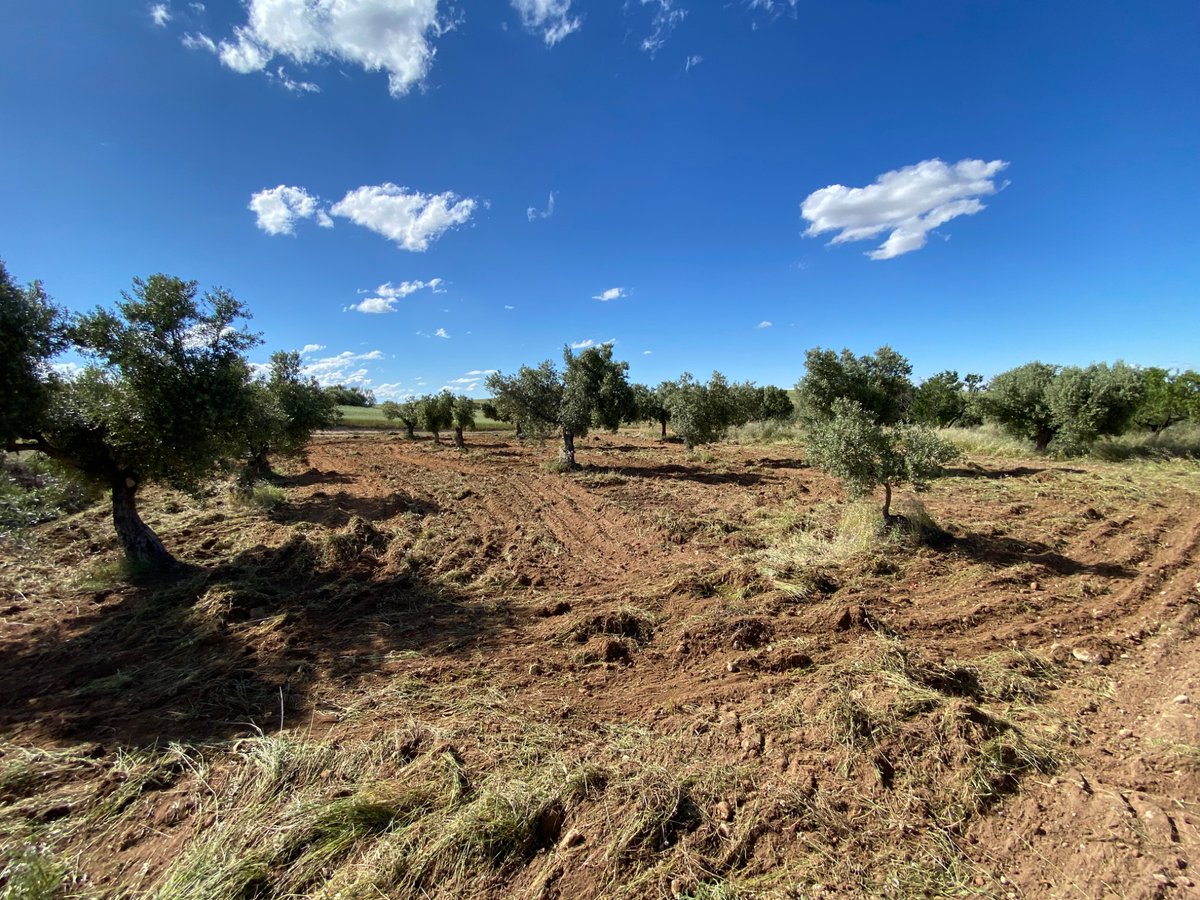
@e_of_blandings The dead soil… what you don’t see is that the ploughing actually created a mulch with high air content, serving as insulation, a single rain will create a tiny crust that will reduce capillarity and evaporation. Water cycle in semi arid environments? I’ve lived it 50 years man…
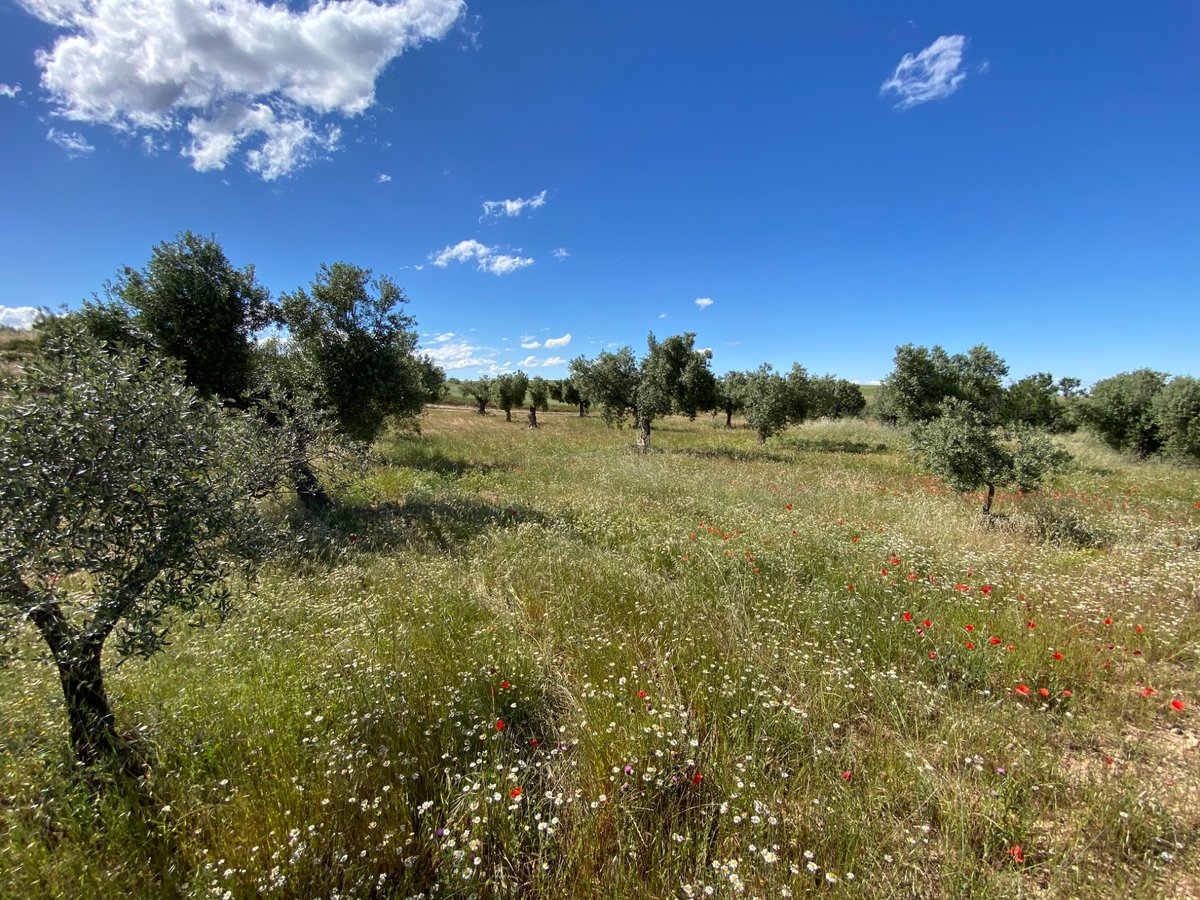
Late spring ploughing time. Grass is great but if left a bit longer competes big time with water . Even with last days rains there’s a big difference between the areas that were covered (drier soil) than those bare (much more humid)
@e_of_blandings What I mean here: having olive trees with no grass or having grass results in the same ETP. The only difference is that when the grass is not there, it’s done by evaporation from soil and via the tree which now has much more water available.
@e_of_blandings We dedicated quite some time to study climatology in my studies, and I worked a few years as watershed Manager.
The case Millán noticed more was particularly linked to the effect of urbanisation
@e_of_blandings We get 380mm rain on average.. we get rare weeks with 30mm. Water stays in the first 30-50 cm of the soil. That means there are no rivers. Nearest in my region is 20km away. Groundwater recharge happens near rock areas.
@e_of_blandings Also although etp is quite important for climate formation and feedback loops in the Amazon, precisely because decrease in forest mass results in water escaping the system via runoff to the sea, here it’s completely different
@e_of_blandings I imagined, but there’s no alteration of the etp in the method we use. Actually, we increase it because we reduce runoff and there’s not enough precipitation for groundwater replenishment.
@e_of_blandings Not sure I understand your point about ETP potential. Can you explain?
When I talk about the naïveté of innovations is that’s they somehow think it’s the first time someone has had this idea. I like Chestertons approach to change.
@e_of_blandings There’s a lot of wisdom in why Mediterranean agriculture is done the way it’s done. Innovative designs are both naive and arrogant. They don’t even consider that things were done a certain way for good reasons
@e_of_blandings In one month rain stops until September/October. Not only my fire hazard is a real hazard but my neighbour can sue me for me allowing it! So I either: plough or mow (sheep would be great but they happen to be really fond of bark)
@e_of_blandings You can basically estimate a region rainfall by looking at the frame of planting people used. In good areas in Spain with 600mm you’ll see frame of 6x6, 7x8. In my region 8x8 is in valley area, else 10x10. In Sfax, Tunisia, it’s 25x25!
@e_of_blandings In relation to the design: olive trees don’t tolerate shade. They develop a fungal infection. Crops in the middle? Pistachio? Not of rain fed. The thing is, olive trees have a dual root system and are quite competitive. The empty space is actually water capting area
@e_of_blandings Do you see those weeds. One month ago there was nothing. They are waist high, they get full of ticks, and make walking in the field a misery. In one month if not addressed it becomes a huge mess... but most importantly: a fire hazard