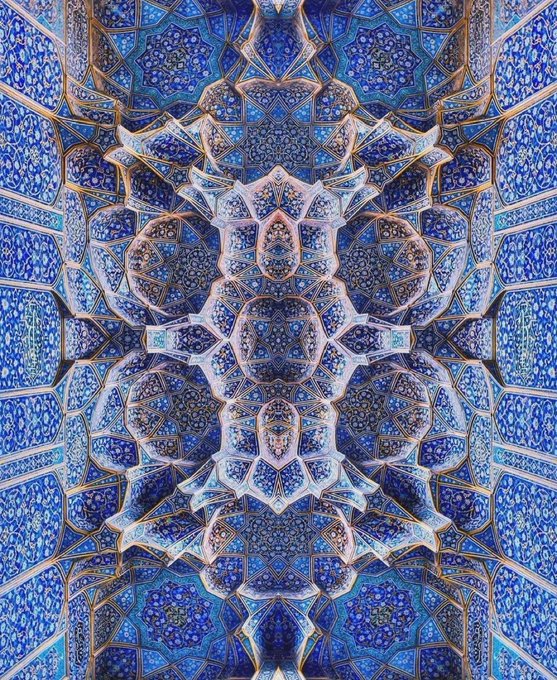
Located in Shiraz, Iran, the Nasir al-Mulk Mosque, also known as the Pink Mosque, is a dazzling wonderland of rich hues, geometric patterns, and light that play on the ceiling (here shown a detail) and floor of the mosque.
«Let me show you how quantum physics works»
This globular springtail is so fast is looks like it teleports itelf: this happens thanks to its spring-like furcula in a split second.
[📹 Pendora-san / 100legs_NP]
Have you ever wondered what the music of ancient Persia might have sounded like some 3,400 years ago?
Listen to Sarah Parsaei play the Arjan harp in Tehran, Iran. A historic instrument dating back to around 1400 BC.
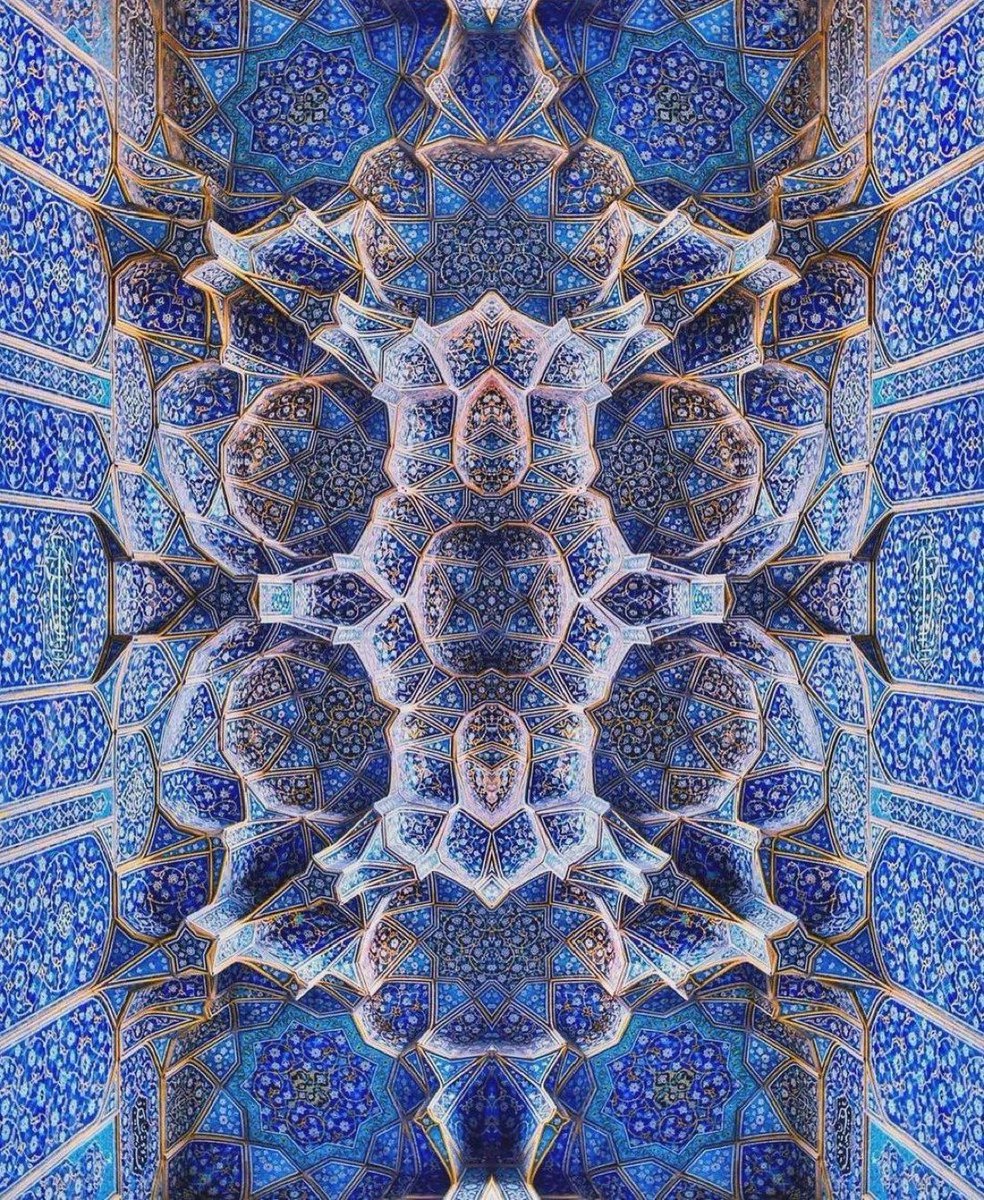
The ceiling of Shah Mosque in Isfahan, Persia(1611), featuring a mesmerising array of geometrical tessellations and radial designs.
The patterns are meticulously planned, with each tile cut to fit into the celestial design.
There aren’t many surviving examples of bibliomancy in the world, but the practice of Fal-e Hafez lives on. For centuries, Iranians have sought guidance by consulting the Divan-e Hafez, the collected poetry of the great 14th-century Persian poet Hafez. Beyond the beauty of his poetry, Hafez came to be known as lisān al-ghayb (“the Tongue of the Unseen”) because generations of readers have believed his poems could reveal hidden truths and offer guidance. The phrase will also be familiar to readers of Dune, although its Persian literary usage long predates the novels.
This practice is not limited to Iran, but it takes on a particularly interest form at Hafez’s tomb in Shiraz. As shown in this video, bird handlers employ a trained, and presumably inspired, budgerigar or small green or blue parakeet that uses its beak to select a folded piece of paper containing a Hafez verse that becomes the basis for the "fal" (i.e., the omen or divinatory reading meant to respond to the question).
In the West, the closest counterparts would be the now largely historical practices of Sortes Biblicae and Sortes Virgilianae, in which passages from the Bible or the works of Virgil were selected by chance (no birds involved) and then interpreted as guidance or an omen.
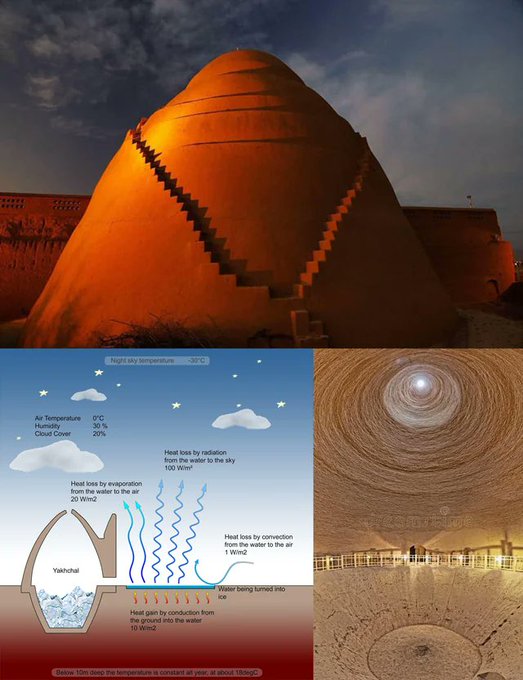
Yakhchāl (Persian: یخچال; yakh meaning "ice" and chāl meaning "pit") is an ancient type of evaporative cooler.
By 400 BCE, Persian engineers had mastered the technique of using yakhchāls to create ice in the winter and store it in the summer in the desert.
200 brightly-colored domes overlook the Persian Gulf on the island of Hormuz, Iran. They were built with super-adobe techniques, using stacked sandbags filled with earth dredged from the dock.
[📹 Kristina Makeeva / hobopeeba]
The ceiling of Shah Mosque in Isfahan, Persia(1611), featuring a mesmerising array of geometrical tessellations and radial designs.
The patterns are meticulously planned, with each tile cut to fit into the celestial design.
The interior of the historic Mollabashi House in Isfahan, Iran.
This XVIII century residence, also known as Motamedi House, features intricate Persian architecture from the Safavid and Qajar eras.
Eide Shoma Mobarak 🇮🇷
Happy Nowruz to everyone celebrating in Iran and all around the world
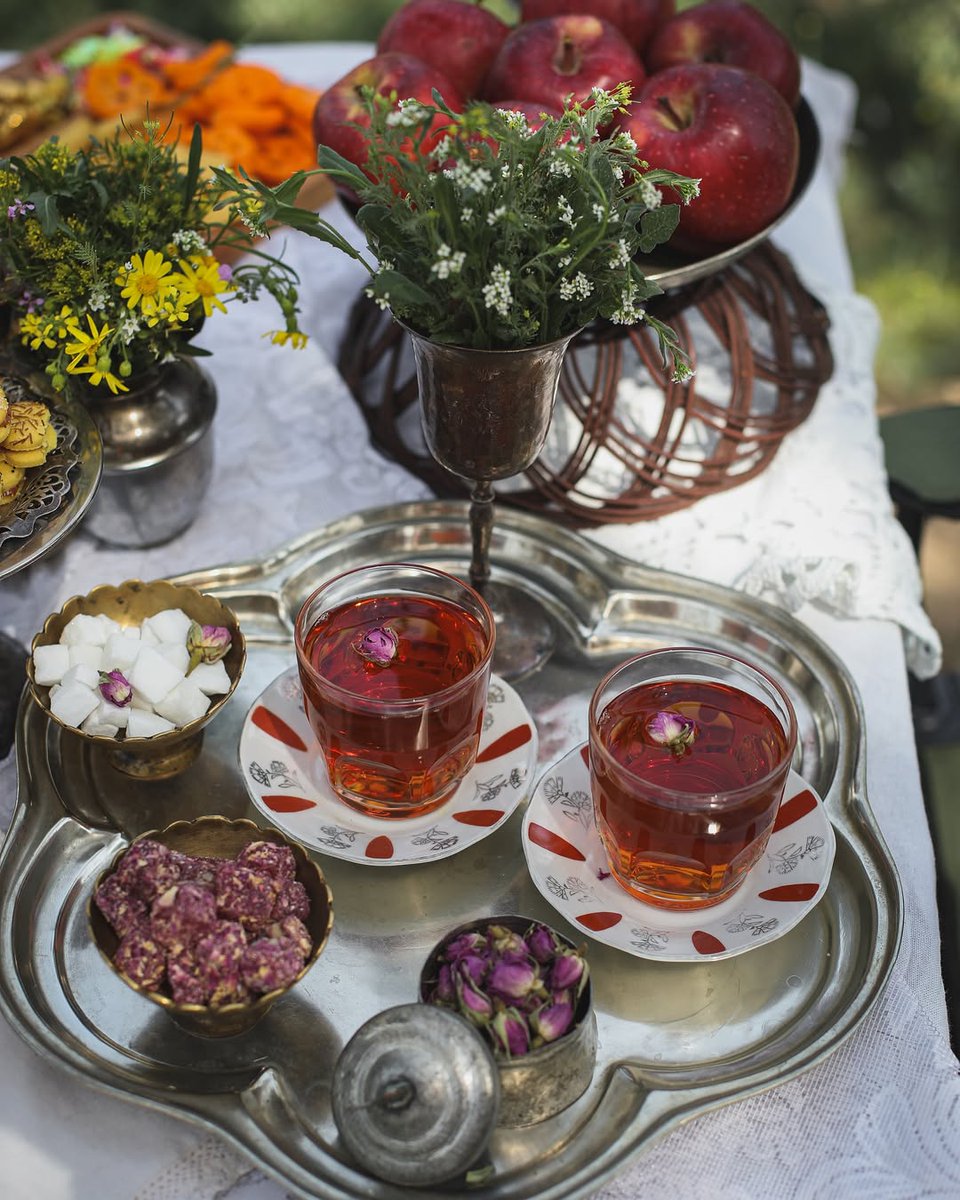
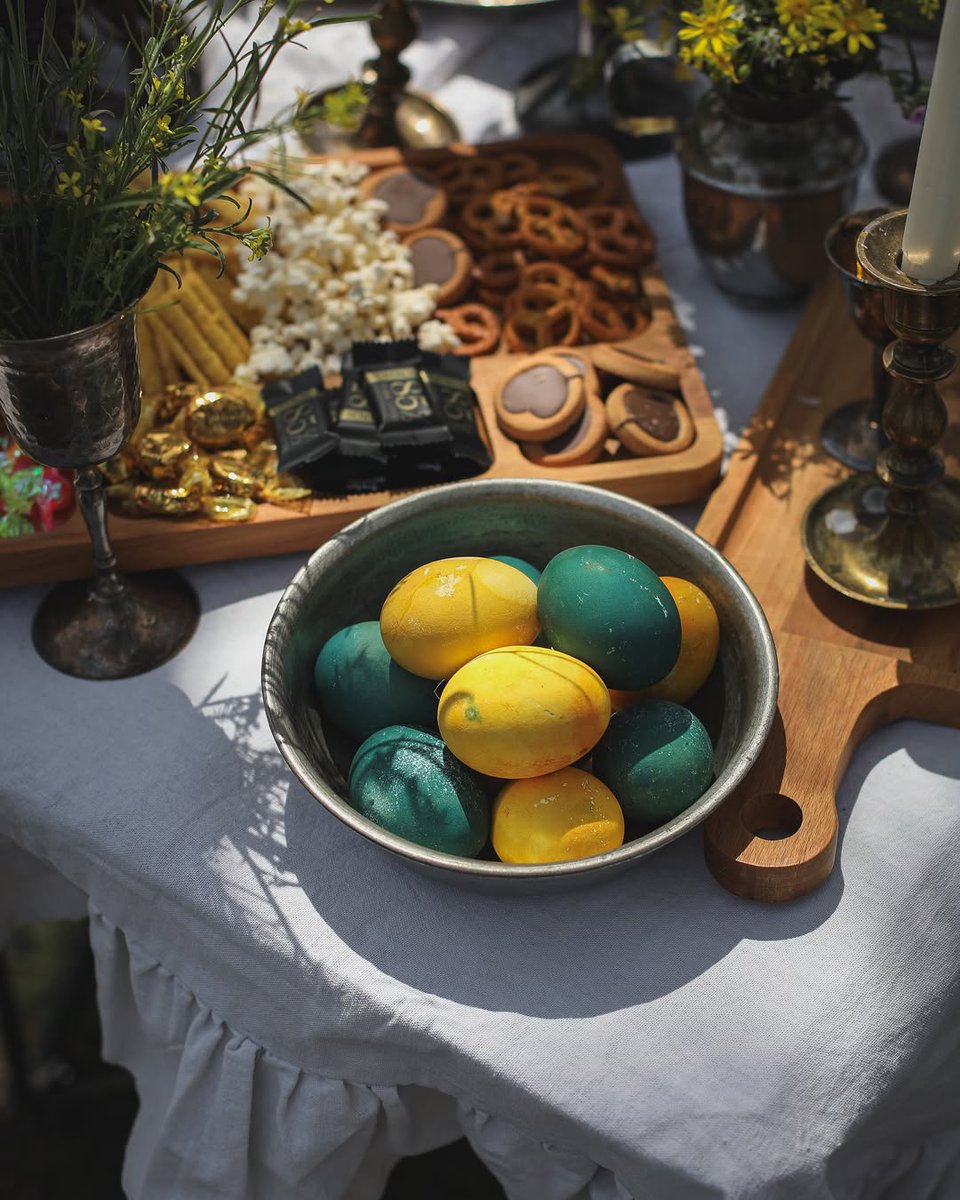
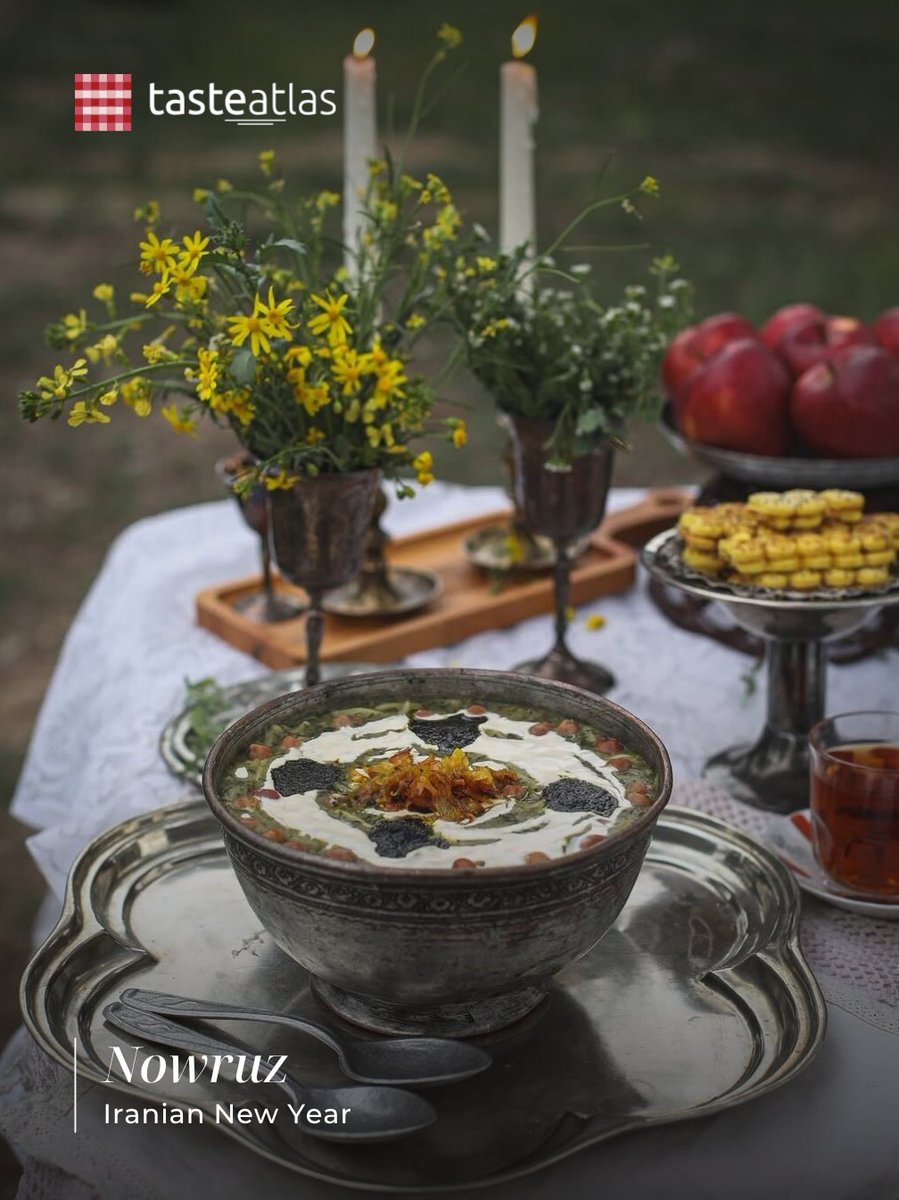
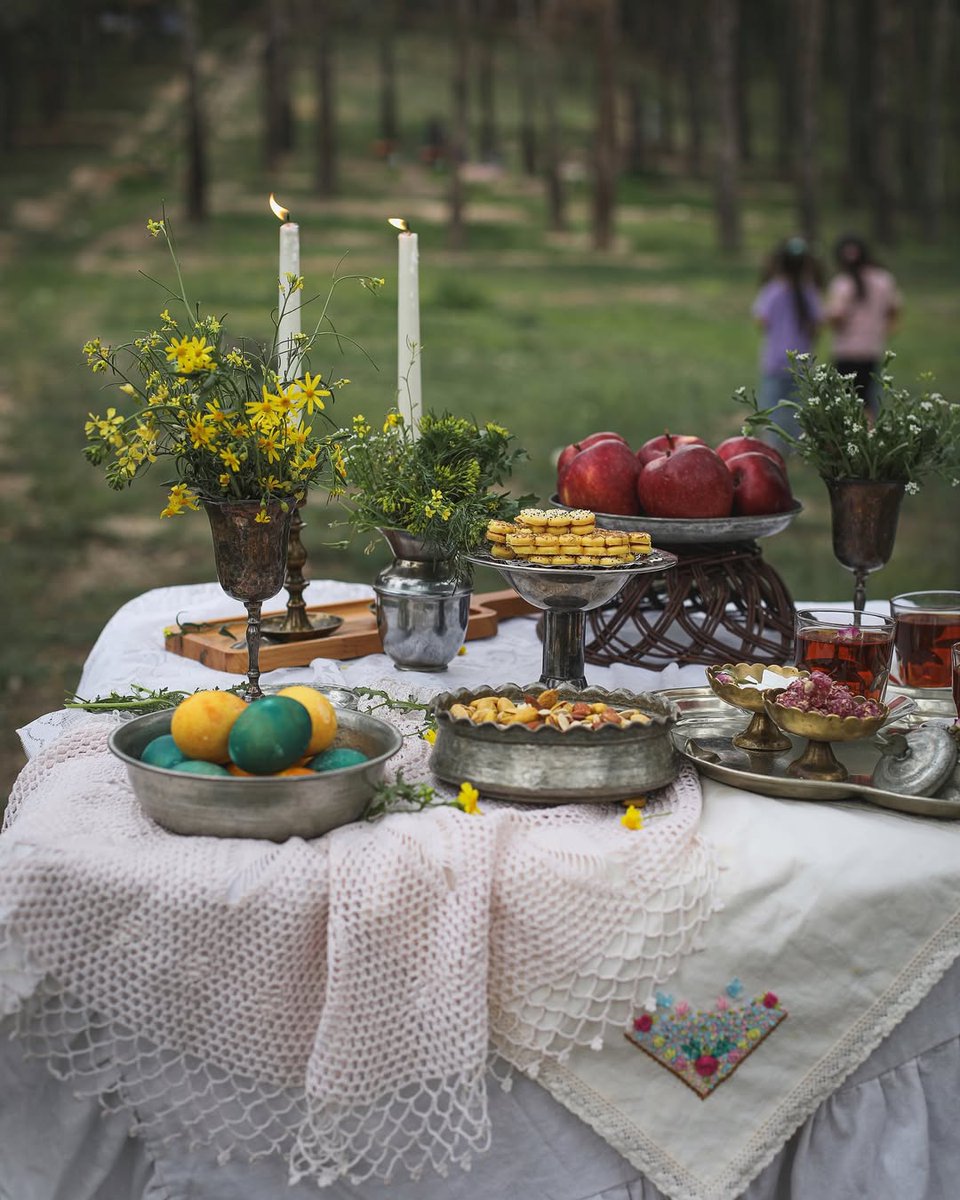
Today marks the exact moment of the spring equinox bringing the beautiful celebration of Nowruz which literally translates to new day. For over three thousand years Iranians have celebrated the arrival of spring by setting up a magnificent Haft Sin table.
This deeply meaningful tradition involves displaying seven specific items that begin with the Persian letter S. Each beautiful element on the table carries a profound symbolic weight for the year ahead. Fresh green Sabzeh sprouts represent rebirth and nature while sweet Seeb apples symbolize health and beauty. Crushed Somaq brings the light of a new sunrise and Seer garlic offers protection and strength. Together with vinegar dried fruit and other deeply traditional additions this stunning table serves as a perfect reminder to embrace fresh beginnings life and the enduring beauty of nature.
Photos: _goliaaa_ on Instagram
🇮🇷 Ormuz n’est pas qu’un détroit qui déchaîne la folie de l’impérialisme occidental.
C’est d’abord une merveille de la création du Tout Puissant et un peuple touché par l’essence même de la poésie de ce monde.
« La Conférence des oiseaux », de Farid al-Din ‘Attar, grand poème mystique persan, écrit dans la beauté pure de la langue persane, nous éclaire aujourd’hui avec la force d’une lumière qui a traversé les siècles sans rien perdre de son éclat.
Le peuple des oiseaux se cherche un roi. Un roi sage, puissant, rayonnant. Cette quête les conduira à traverser sept vallées : la vallée de la quête, de l’amour, de la connaissance, du détachement, de l’unité, de la stupeur, de l’effacement. Jusqu’à découvrir que le roi qu’ils cherchaient n’était pas dehors, mais dans leur reflet commun, « si morgh », « trente oiseaux ».
Ils se dépouillent de leur ego, de leur peur, de leurs préjugés, et nous offrent trois grandes leçons pour aujourd’hui.
Une leçon de responsabilité collective, une leçon d’exigence personnelle, une leçon de mesure.
Dans un monde pétri de rivalités, de tensions et de craintes, prenons ensemble le temps d’écouter cette voix qui nous parvient du XIIe siècle. Prenons le temps de grandir ensemble.