Ph.D. Candidate in #ClinicalPsychology | Intersectional Feminist | Down Syndrome Advocate | Maritimer | @UofRegina on Treaty 4 Land | All views are my own
For my PhD, I’m researching parent perceptions of the importance of friendship for their adolescent/young adult children w/Down syndrome. In Canada, the DS & mental health research community is small. Hoping my tweet can reach others in the field. Would love to connect!
📢 New Call for Participants: Expanded Eligibility!
Are you a parent/caregiver of a Canadian child with Down syndrome in Grade 7–12?
Take a 30 min online survey about your child’s friendship experiences in Grades 3–6.
Link to survey: https://t.co/Bq0yxu2aOJ
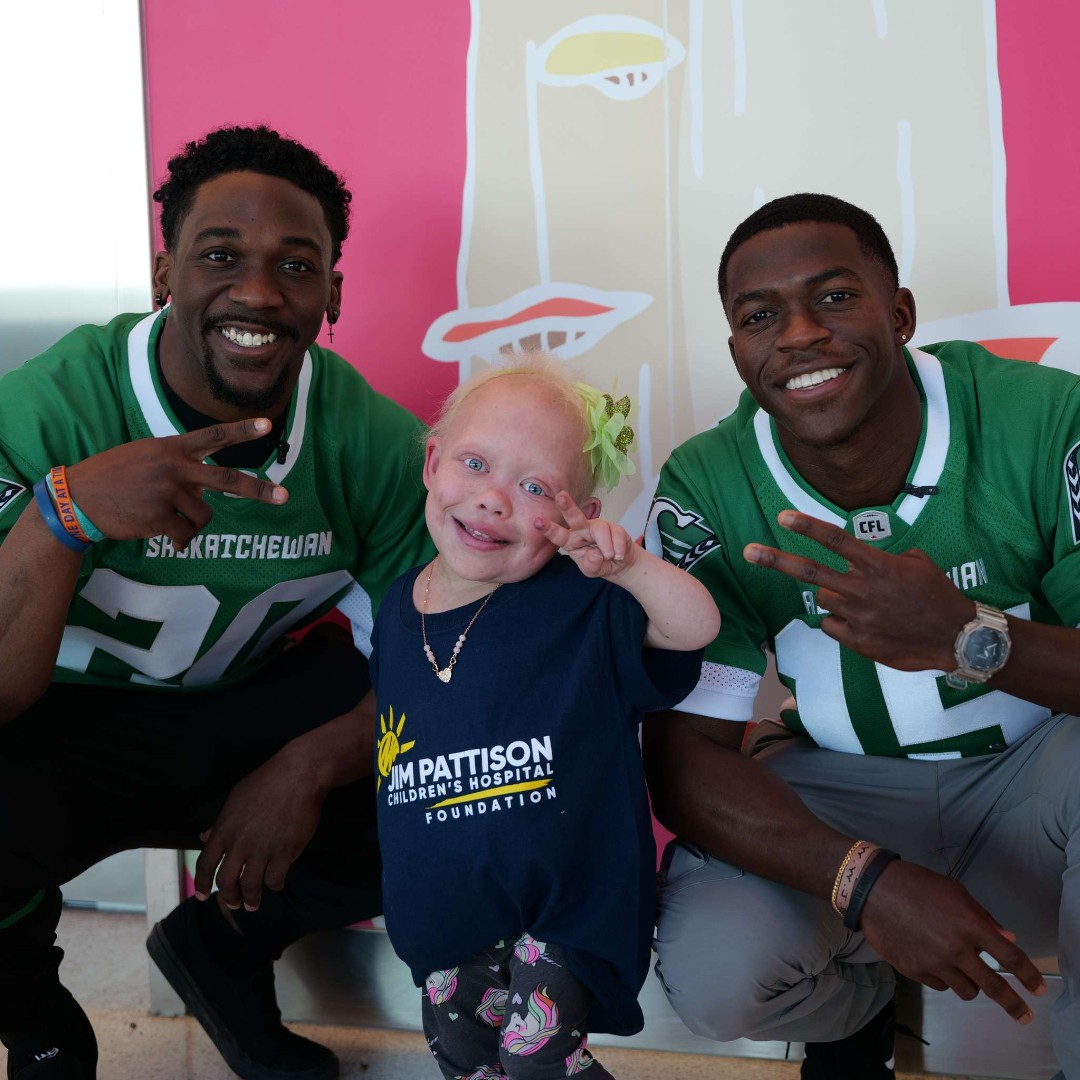
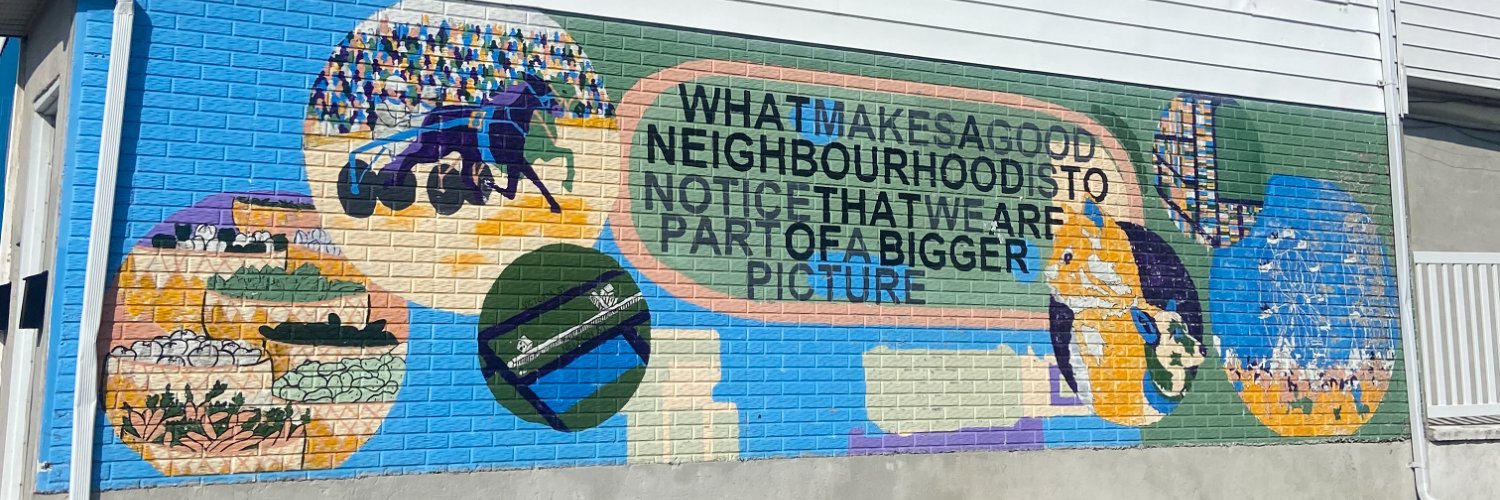
Social isolation is a real problem for many people with Down syndrome. So, we invited people on a journey to help bring them together.
Learn more at https://t.co/aYRvezC6Zy
#CanadianDownSyndromeWeek#InclusionMatters
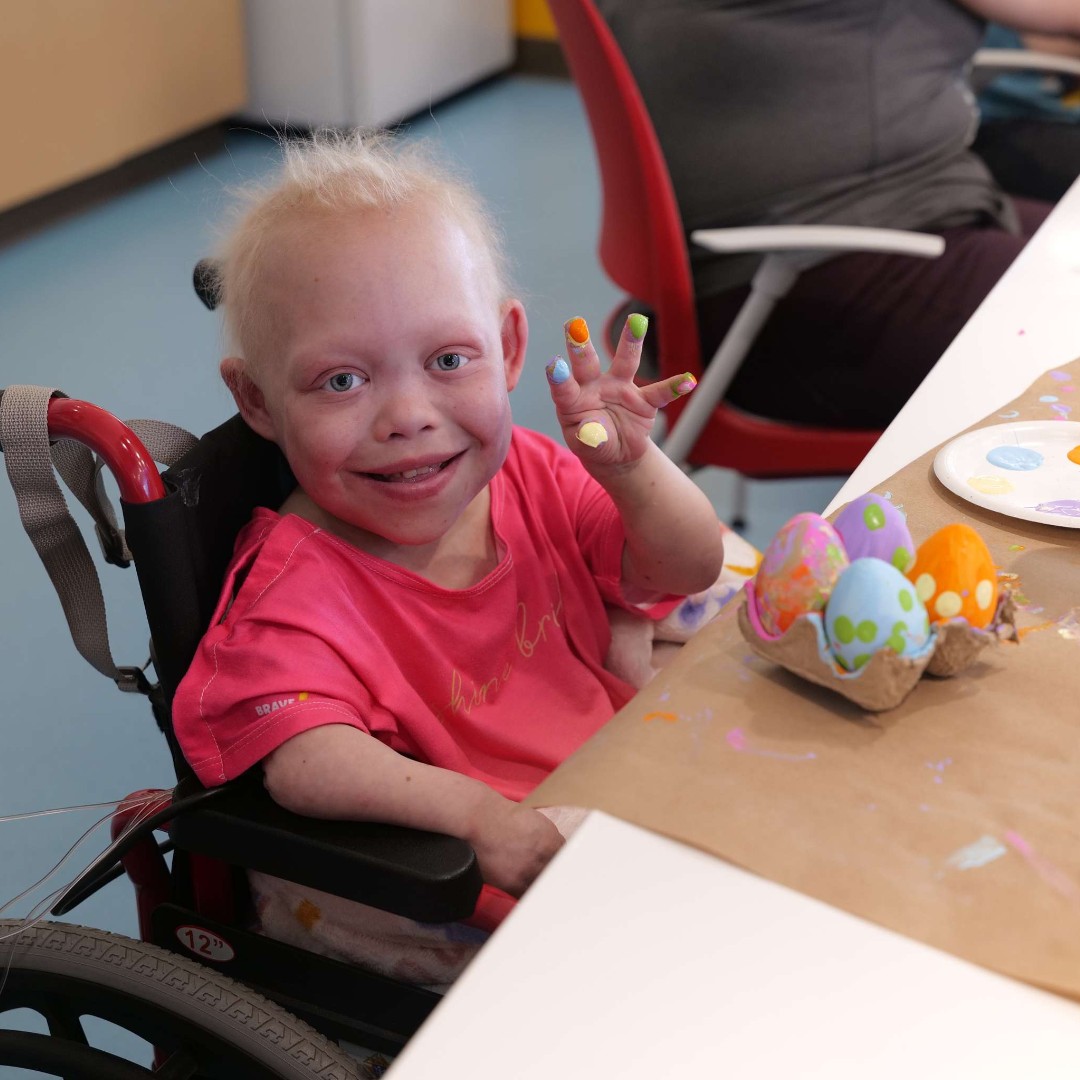
Today we celebrate the life of Isabella Thomson (Bella Brave), an incredible advocate for kids with complex medical needs and ambassador for JPCHF. Bella defined the word BRAVE in how she encouraged others at difficult times, inspiring hope in every person she met.
This book by @ChrisKaposy transformed how I think abt DS. It has made me want to learn more about its history & has reshaped how I think abt societal perspectives on disability.
A must-read for everyone - current & future parents, educators, health workers, & advocates alike.
📢 Calling parents/caregivers of children w/ Down Syndrome (grades 3-6)! @UofRegina wants your insights on friendship & well-being.
💛Caregivers of kids entering Gr. 3 this fall are eligible! 💙
Learn more & take the survey: https://t.co/uQvwiKx3kh
The University of Regina is seeking Canadian parents and caregivers of 3rd to 6th grade students with Down syndrome to participate in an online research survey. The survey will take approximately 40-minutes to complete. https://t.co/bhiYXmcDay
📢 Are you a parent/caregiver of a child with Down Syndrome (in grades 3-6)? The Child and Family Research Lab at @UofRegina is seeking perspectives on friendship and psychological well-being 💙💛
Link to survey:
https://t.co/uQvwiKx3kh
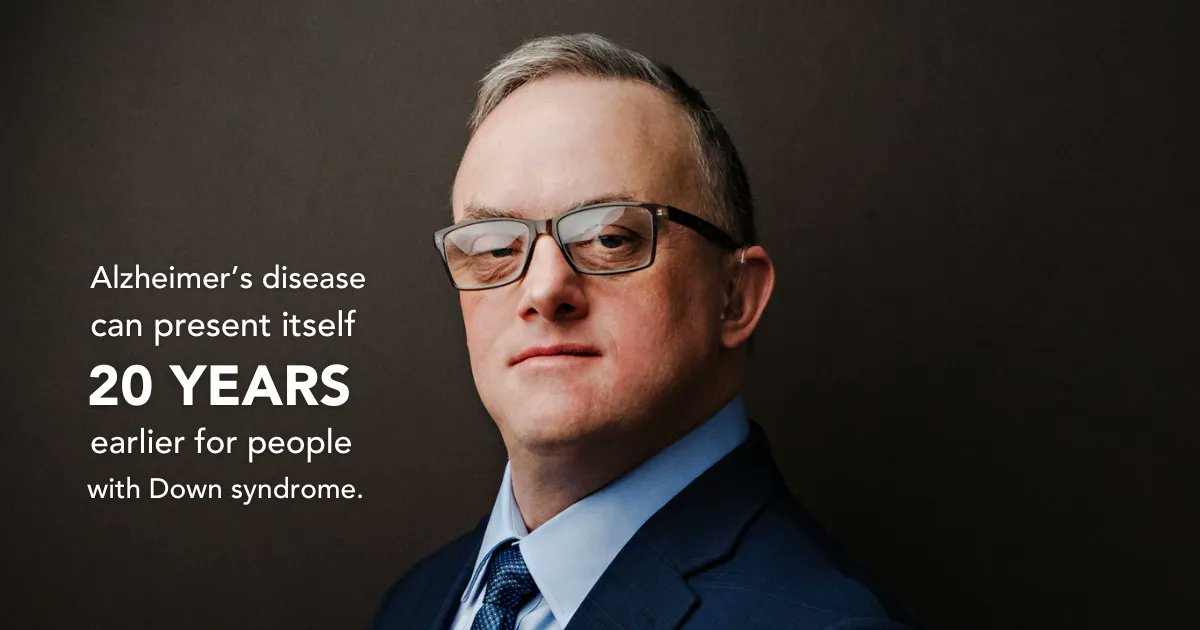
September is #WorldAlzheimersMonth. This disease can be more common in people with Down syndrome, and symptoms may start to appear around the mid-50's.
Learn more about Down syndrome and Alzheimer's in 3.21 Magazine's summer issue: https://t.co/pfnTRUU0oR
Photo: @oneforthewall
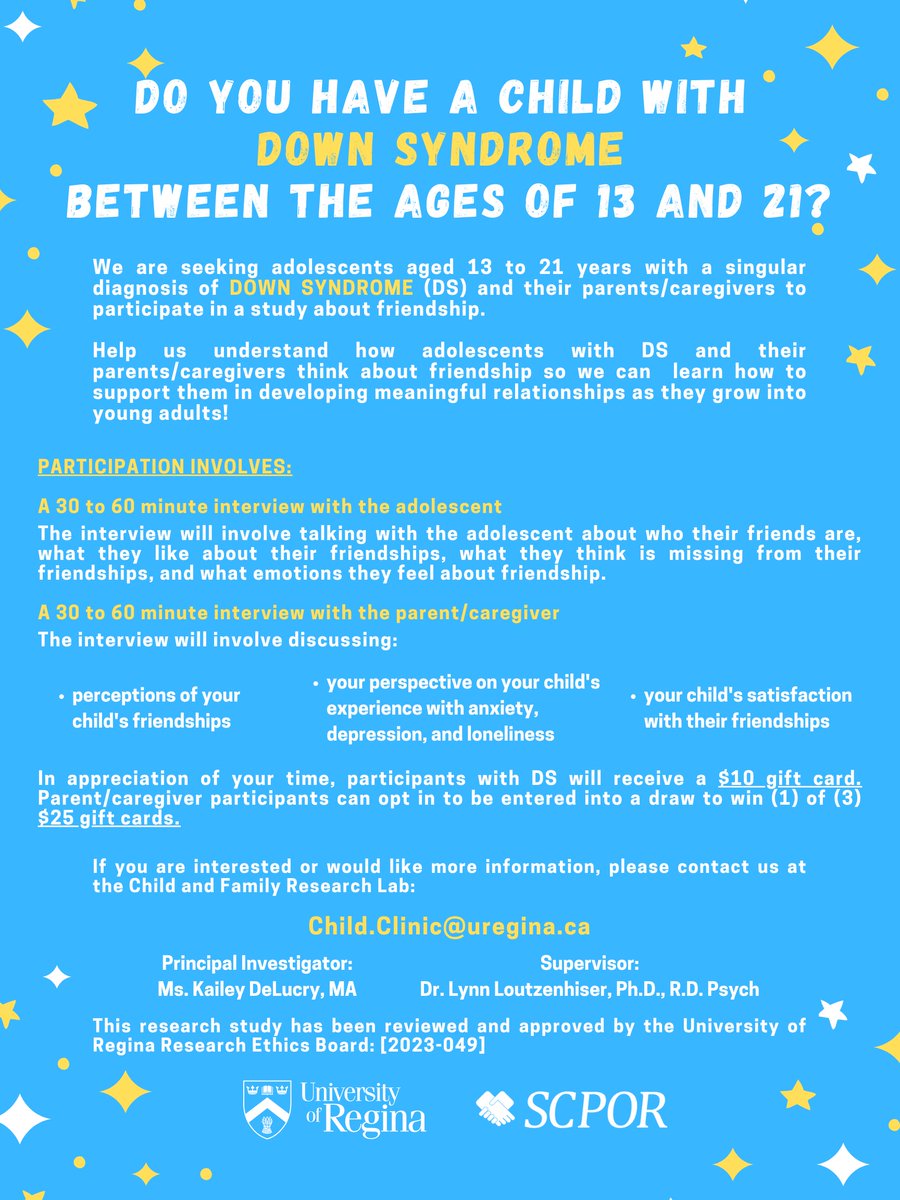
The University of Regina is seeking adolescents with Down syndrome and their parents to participate in a research study on friendship. Please refer to the attached poster for details and contact information.
Such an important study on #friendships--
Can't wait for results @DeLucryKaileyJ
Building & sustaining social relationships for my 11 yo is equivalent to a full-time job! But yet it's so important for her and her peers w/ & w/out #Downsyndrome
@goDSresearch Thank you wholeheartedly for your support for my study!! Your encouragement reaffirms the significance of this research. Stay tuned for the results! 😊
Are you a parent/caregiver of an adolescent aged 13-21 with #DownSyndrome? We're looking for adolescents & parents/caregivers to participate in a study about friendship among adolescents with DS. If interested, email: [email protected]. Open to Canadian residents only
young adults with a dual diagnosis of Down syndrome and Autism are unable to participate. Should you want more information or wish to learn if you and your adolescent are eligible to participate, please email: [email protected].
🔹A 30- minute to 1-hour long interview over Zoom with parents/caregivers.
Adolescents will receive a $10 gift card for their time and parents/caregivers can opt in for a chance to win (1) of (3) $25 gift cards.
This opportunity is open to Canadian residents only, and
through high school and into adulthood.
Participation will involve:
🔹Adolescents taking part in one 30-minute to 1-hour long interview over Zoom (The parent/caregiver is invited to observe)
🔹Parents/caregivers completing a short survey that will take approximately 5 minutes
well-being from their point of view, as well as gathering information from their parent’s/caregiver’s perspective. The results from this study will help them develop ways to better support adolescents with Down syndrome in making and maintaining friendships as they transition