It's the moment you have all been waiting for...the No More Marking Christmas assessment!
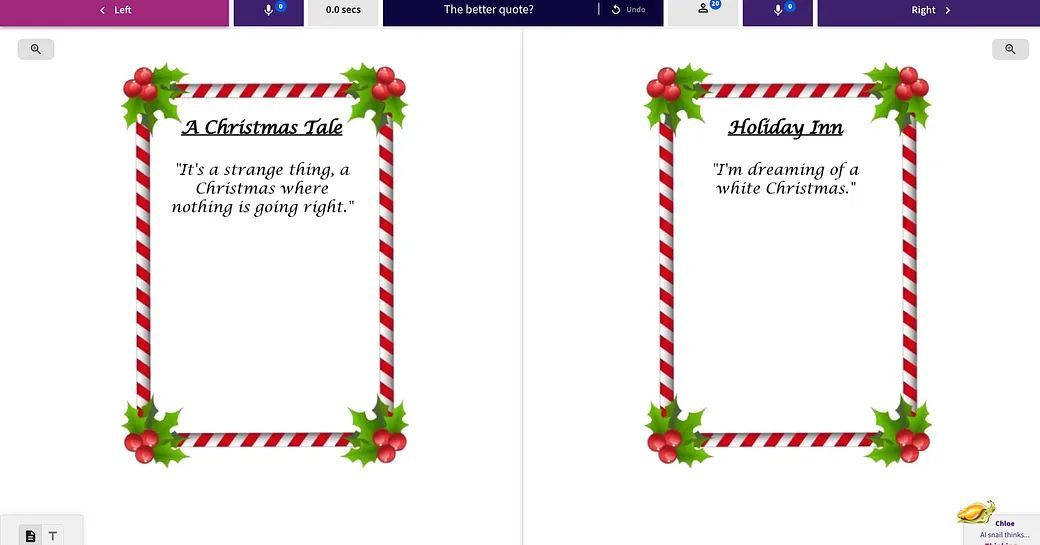
This year you get to judge your favourite Christmas film quote.
AND you get to see in real time if you agree with the AI, and what the AI thinks of each quote!
Read about it and take part here.
https://t.co/XwbTfYb9SS
Happy Holidays from MastersEducation. 2024 was a big year for NZ education - with 2025 shaping up to be a year of acknowledging and strengthening the good things that already exist - let’s celebrate our wins and our fabulous teachers!
Attendance can be a better predictor of a student’s drop-out risk than test scores.
These Teens Were Missing Too Much School. Here's What It Took to Get Them Back
https://t.co/4sw2AlpSvs
In 2025 we're launching our first writing assessment project for New Zealand, and continuing with our existing Australian project.
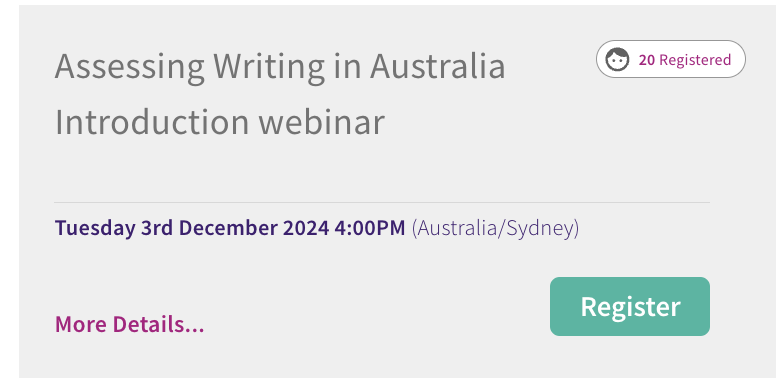
To find out more, take part in our intro webinar on Tues 3 December.
https://t.co/6qtyK6Kjkf
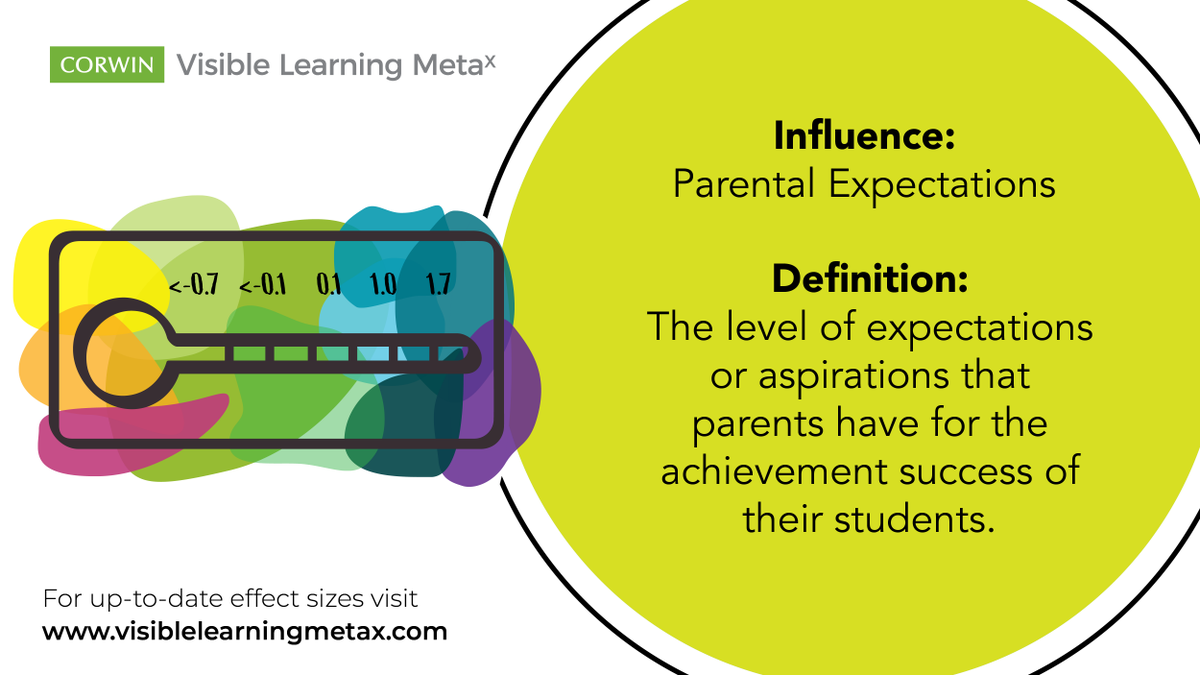
How do you support parents in managing helpful expectations of their kids? Parental expectations have an effect size of 0.50 on student performance. Balance is key—while high expectations can motivate, too much pressure can overwhelm. Learn more: https://t.co/1y6TGtA0IL
Meta-analysis of 119 studies finds that technology can improve elementary literacy instruction—especially writing—but effects were much smaller in studies with standardized rather than researcher-designed measures: https://t.co/GWai6PAEUC ($). Pre-print: https://t.co/37RLl1xZvK
Meta-analysis of 119 studies finds that technology can improve elementary literacy instruction—especially writing—but effects were much smaller in studies with standardized rather than researcher-designed measures: https://t.co/GWai6PAEUC ($). Pre-print: https://t.co/37RLl1xZvK
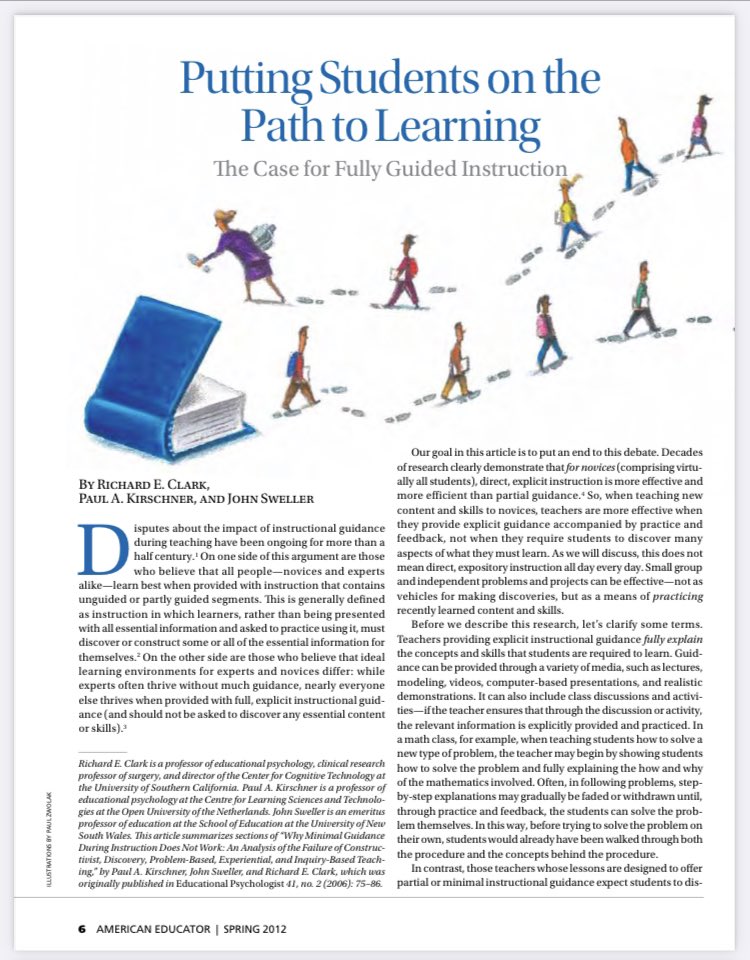
The article "Putting Students on the Path to Learning: The Case for Fully Guided Instruction" by Richard E. Clark, Paul A. Kirschner, and John Sweller argues for fully guided explicit instruction over minimally guided approaches like pure discovery learning.
The authors present extensive research evidence supporting guided instructional techniques as more effective for novice learners. This includes Mayer's review finding unguided discovery techniques less effective than guided approaches for novices across studies from the 1950s to 1980s. Each cycle a new term like discovery learning was replaced by problem-based learning, but the techniques fared poorly. Controlled experiments by Klahr & Nigam also found direct instruction better than discovery learning for science topics. Tuovinen & Sweller demonstrated worked examples led to better learning outcomes than discovery.
Additional evidence includes the worked example effect showing novices learn better from studying worked examples than solving equivalent problems themselves. This has been replicated across many domains. However, the expertise reversal effect shows that as experience grows, problem solving becomes better than worked examples. The authors argue minimally guided techniques can lead to novice frustration, incorrect discoveries requiring reteaching, and are generally less efficient, requiring more time to learn the same material. Research also shows less skilled learners benefit more from explicit guidance.
The extensive research presented by Clark, Kirschner, and Sweller clearly supports their position that direct instructional guidance is more effective and efficient for teaching new information and skills to novice learners across contexts. The authors build a compelling case through decades of empirical evidence favoring guided approaches for novices.
https://t.co/uVGHSbb10F
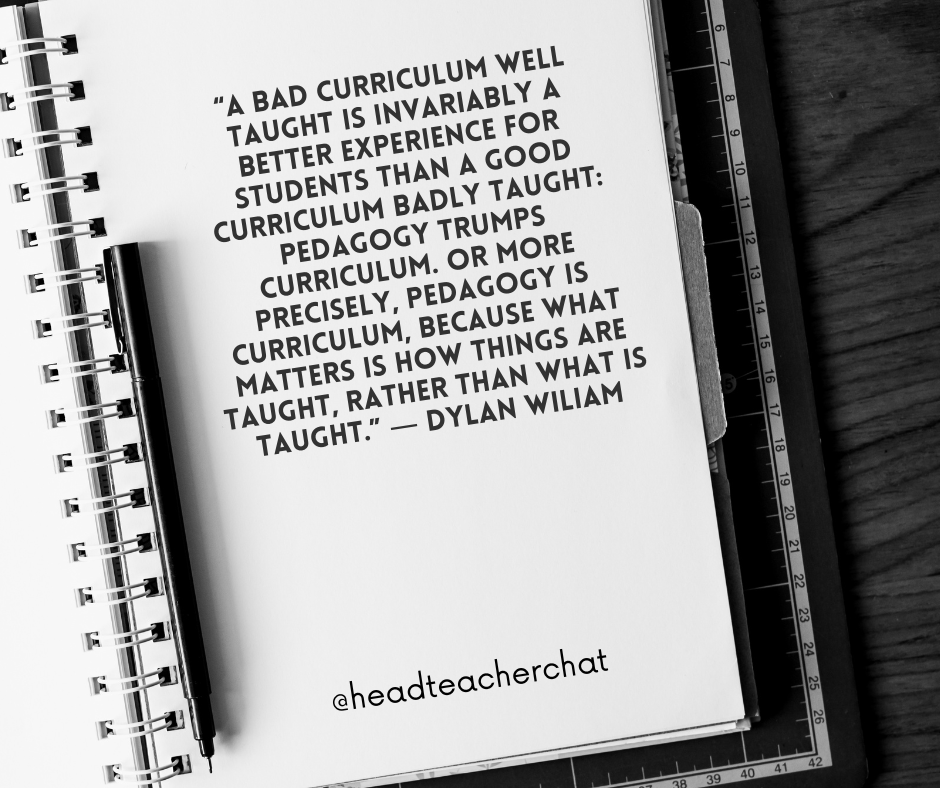
“A bad curriculum well taught is invariably a better experience for students than a good curriculum badly taught: pedagogy trumps curriculum. Or more precisely, pedagogy is curriculum, because what matters is how things are taught, rather than what is taught.”
― Dylan Wiliam
Having a laser-like focus on using evidence for learning will be a key message in my presentation to Ukraine authorities and schools at their Education Quality Forum on 20 September