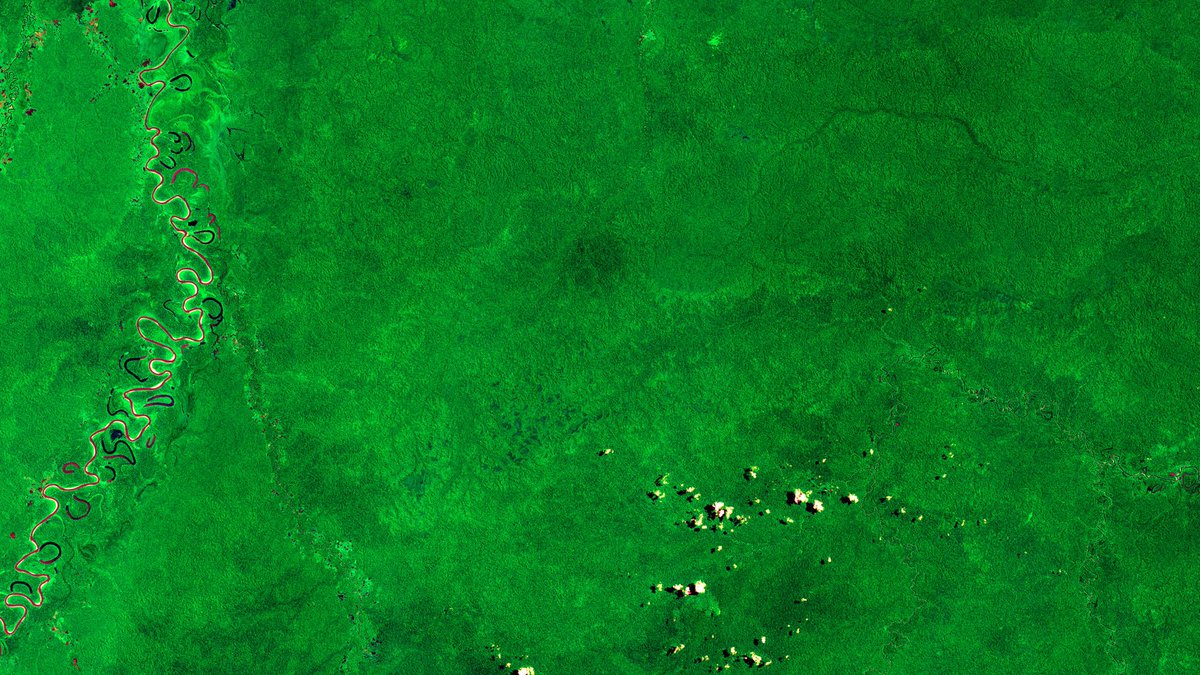
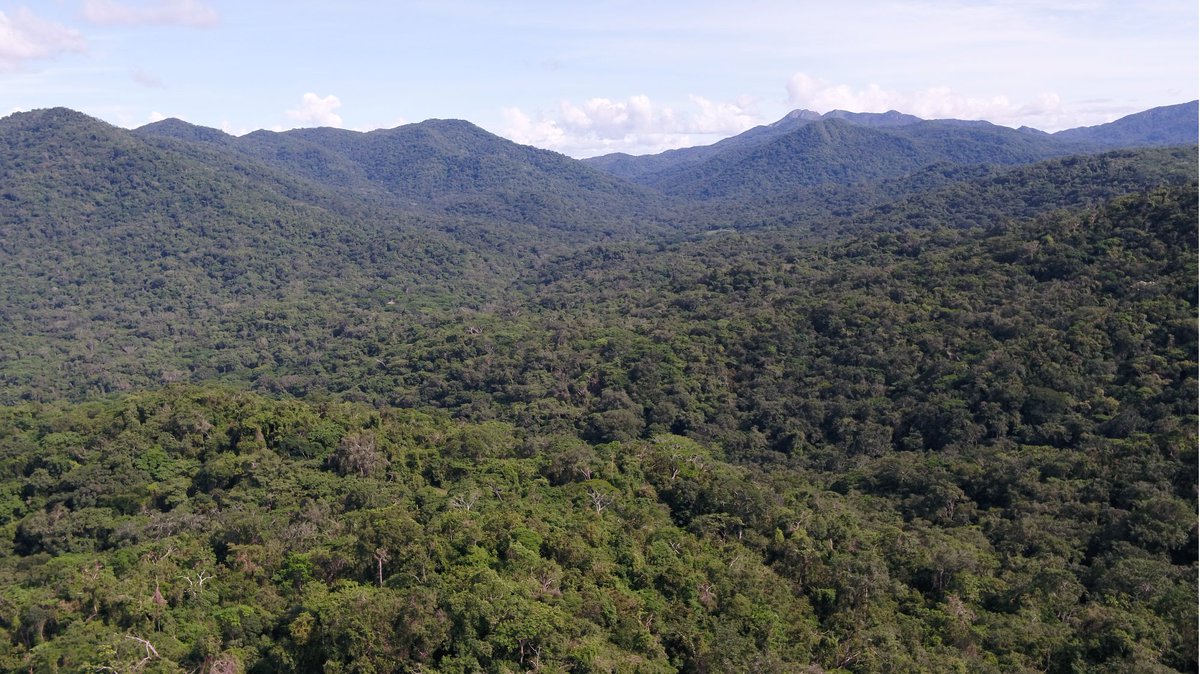
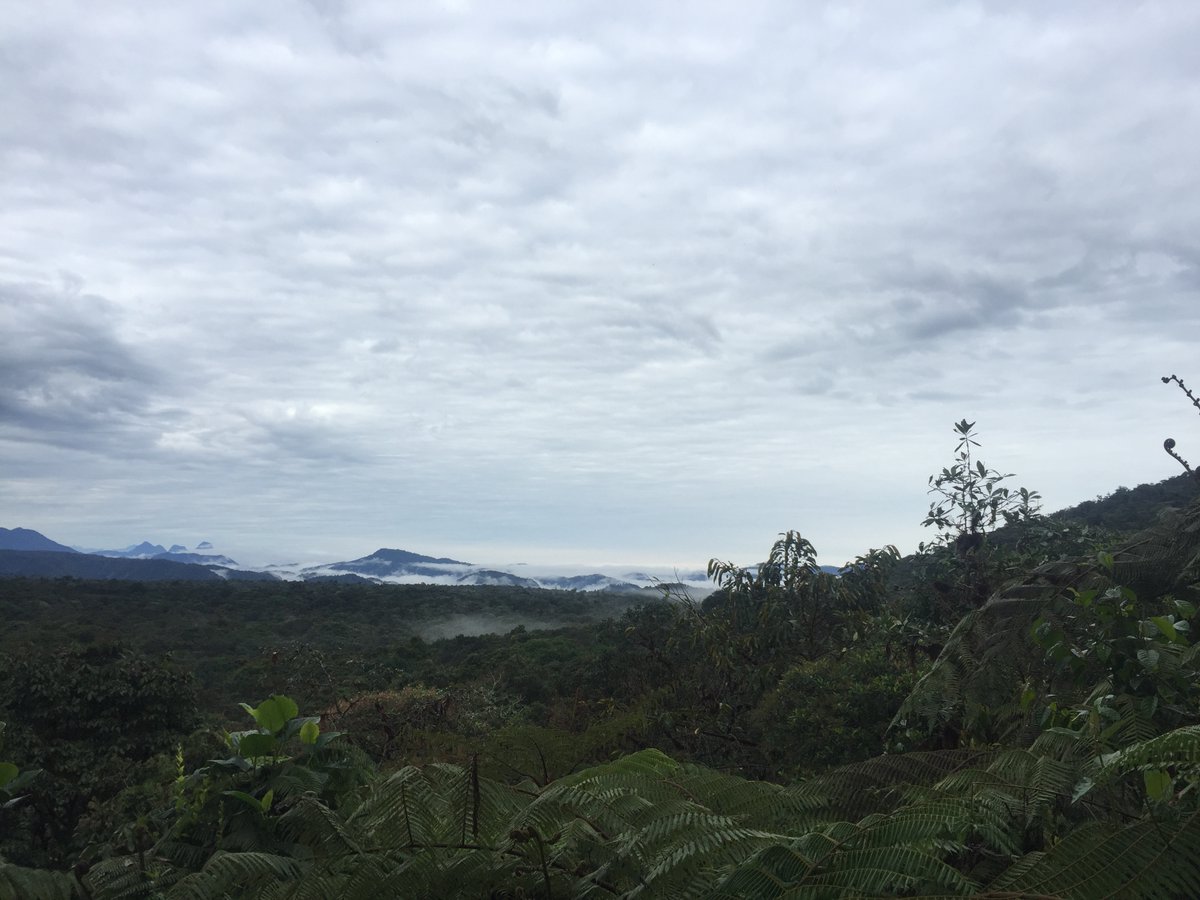
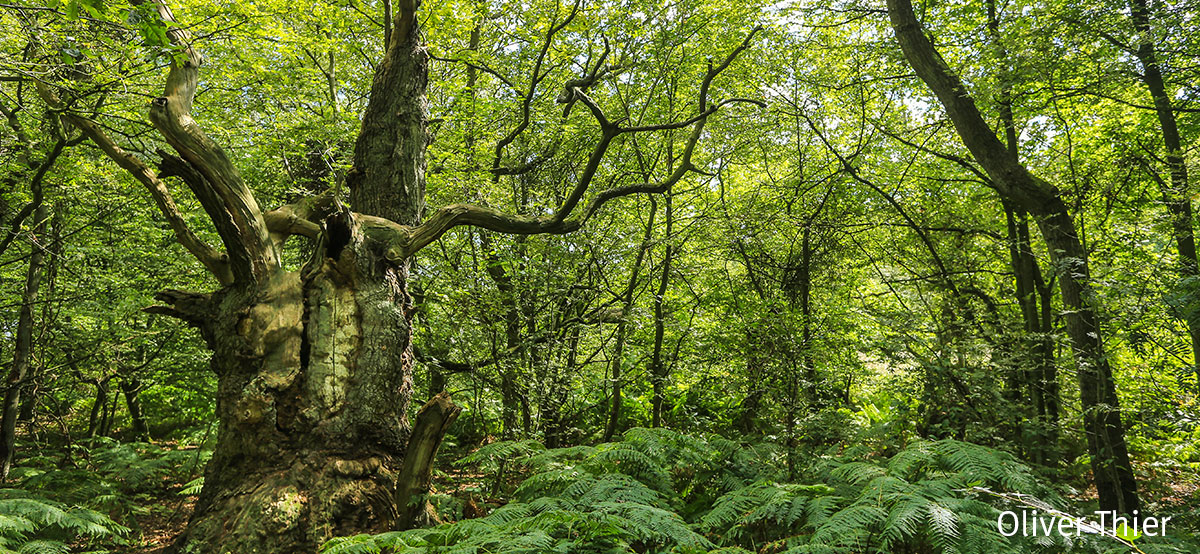
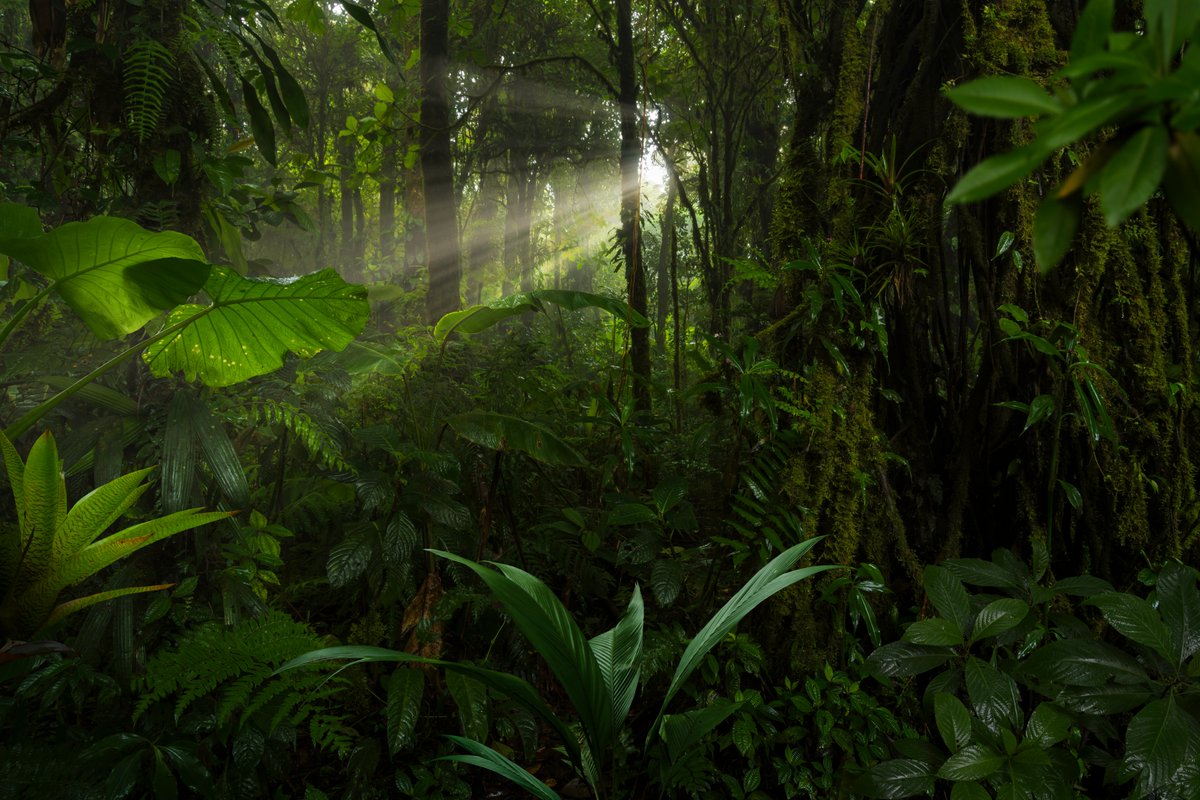
New @Nature paper: Thanks to @esa satellite data, scientists can show the great functional diversity of tropical forests as never seen before.🔍
Study led by @UniofOxford, and involving over 100 scientists from across the world, including #iDiv's @DechantBenjamin.
Read more: https://t.co/KvpUvSRHBo
🇬🇧#JobOffer for a #DataScientist🧑💻 to support the #Fluxcom initiative.
📅Apply by Feb 7: https://t.co/xtzN8mwgol
🇩🇪#Stellenangebot für eine*n Datenwissenschaftler*in 🧑💻 im Fluxcom Team.
📅Bewerbung bis 07.02.: https://t.co/ml8e58ZIgr
Paris proves bold leadership transforms cities. 🌍
From suffocating smog (2007) to clean, green & livable streets (2023):
🚴♀️ 100s of km of bike lanes
🌳 Tens of thousands of trees
🚗 Car-free zones & 30 km/h limits
Millions now breathe clean air.
When will we dare to follow? 💪
🌍 Join the benchFLUX Project at ISP! We're hiring an experienced researcher to transform carbon flux science & ecosystem modeling. Backed by a Google Research Award. 📷 📷 Apply now! https://t.co/0v581q3MTC #hiring#earthscience#remotesensing#ecosystems
Job in Ecological Remote Sensing of tropical forests at BioEO lab https://t.co/VTnLHcEqWS
@ecioxford@oxfordgeography working with me,
@ymalhi@felipemartello Laura M. Suz @kewgardens
and many more across the tropics -> Apply! https://t.co/uYewz7oyMI
Together with @fpoeppelmeier , we have an open 2-year postdoc position on Next Generation Bern Earth System Model at University of Bern and the Oeschger Centre.
https://t.co/3NNe0nJ1Vi
we're back again with our EGU session on vegetation responses to global change at #EGU25. We welcome submissions across different scales and hope to have you for discussion in our session😃: https://t.co/7mg9Hh6T2M
#sDiv, @idiv 's Synthesis Centre for Biodiversity just released its annual newsletter w call news, project insight & success stories & what is generally ongoing in the synthesis world.
Send me a PM and I forward you the NL.
Half of it is online here:
https://t.co/8H2aWvchgv
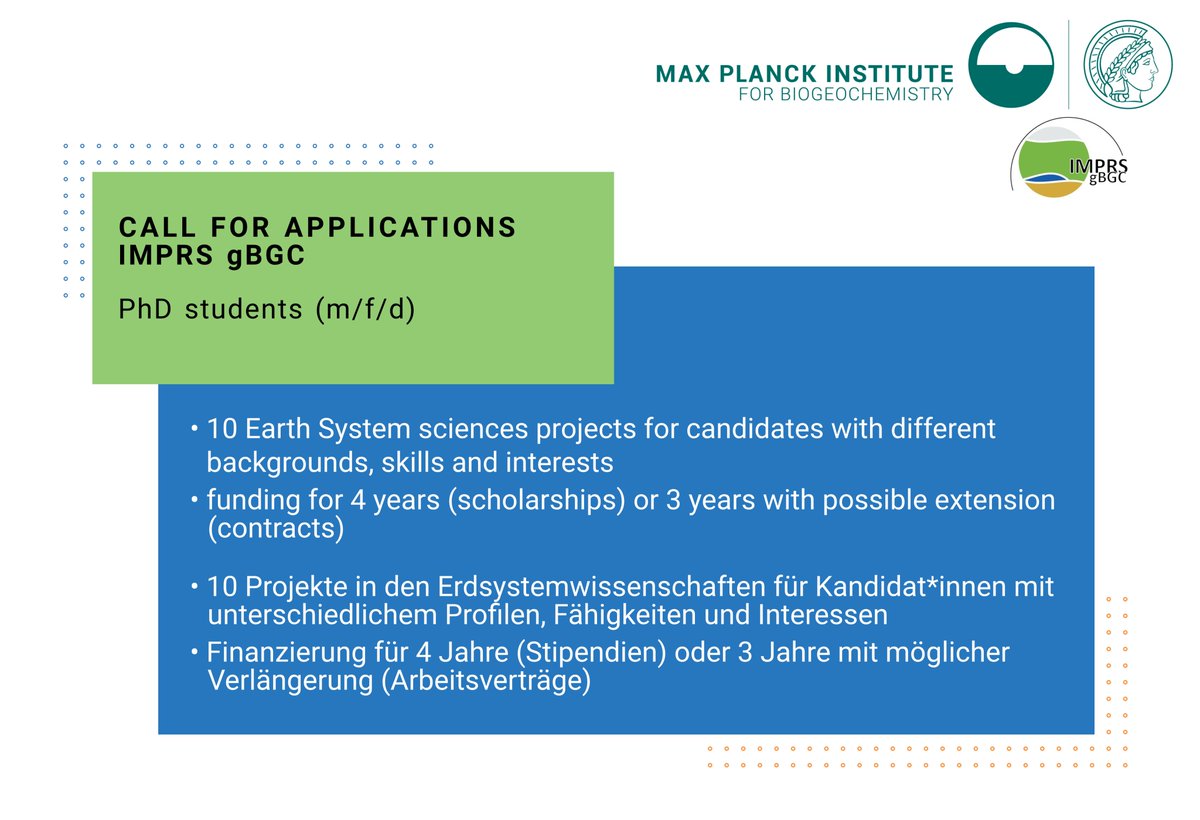
#joboffer Our graduate school opened its call for applications! Students can apply until Jan 5 for a PhD position: https://t.co/BNt0uInUH9
#Stellenangebot Unsere Graduiertenschule akzeptiert ab sofort bis 5.01.25 Bewerbungen für mehrere Doktorandenstellen: https://t.co/39zqnpuVNN
Interested in joining the ForestGEO team? 🌳 We're hiring a Staff Scientist! 🧑💼 Click to learn more about our opening for a Research Ecologist in our Central and South American Forest Dynamics Plots. 🌎Apply now! https://t.co/Ibf1lhKHMN
Canopy photosynthesis responds to increasing temperatures by boosting maximum photosynthetic rates, especially when water availability is not limited. New study in @NaturePlants with contribution by @DechantBenjamin from iDiv and @UniLeipzig.
https://t.co/7Q25yyW7f4
We are looking for two 3yr postdocs to join us @NUSgeog! One will work on tropical vegetation monitoring using phenocam, sap flow and eddy covariance (https://t.co/jUnVwwqZhs). One will broadly work on modelling vegetation dynamics under climate change (https://t.co/iDwGcKzig7).
A new paper on Himawari-8/AHI land surface reflectance evaluation using LEO with off-nadir observation (e.g. MISR, GCOM-C SGLI) is now accepted and published in Remote Sens Environ. Great work, first author by @bosh0113. @g106660yuhei@Lww970330
https://t.co/UOVqte1lqL
🌱Good News: Plants Are Adapting 🌍
Prof. Youngryel Ryu’s team from SNU’s Dept. of Landscape Architecture and Rural Systems Engineering has made an exciting discovery: plants from the tundra to the tropics are adjusting their canopy photosynthesis to thrive in higher temperatures, enhancing carbon uptake efficiency.
This natural resilience has major implications for global carbon cycling and climate models, showing us just how adaptable nature can be.
Published in Nature Plants: https://t.co/wrZGKAtUCI
#SNUResearch #ThermalAcclimation #NaturePlants #EnvironmentalScience
Finally moved over to @bluesky and impressed by how much of our community is there, but still missing (or have not yet found) some of my former twitter constants. Would be nice to see you there! https://t.co/J40LoDAqp8
inspired by @dmlmont and the Awesome Spectral Indices, Sadegh Ranjbar incorporated shortwave infrared into NIRv-type indices to better estimate GPP from geostationary satellites: our latest in @JGRBiogeo w/@DanielleLosos & more great colleagues: https://t.co/EplvDErFCf