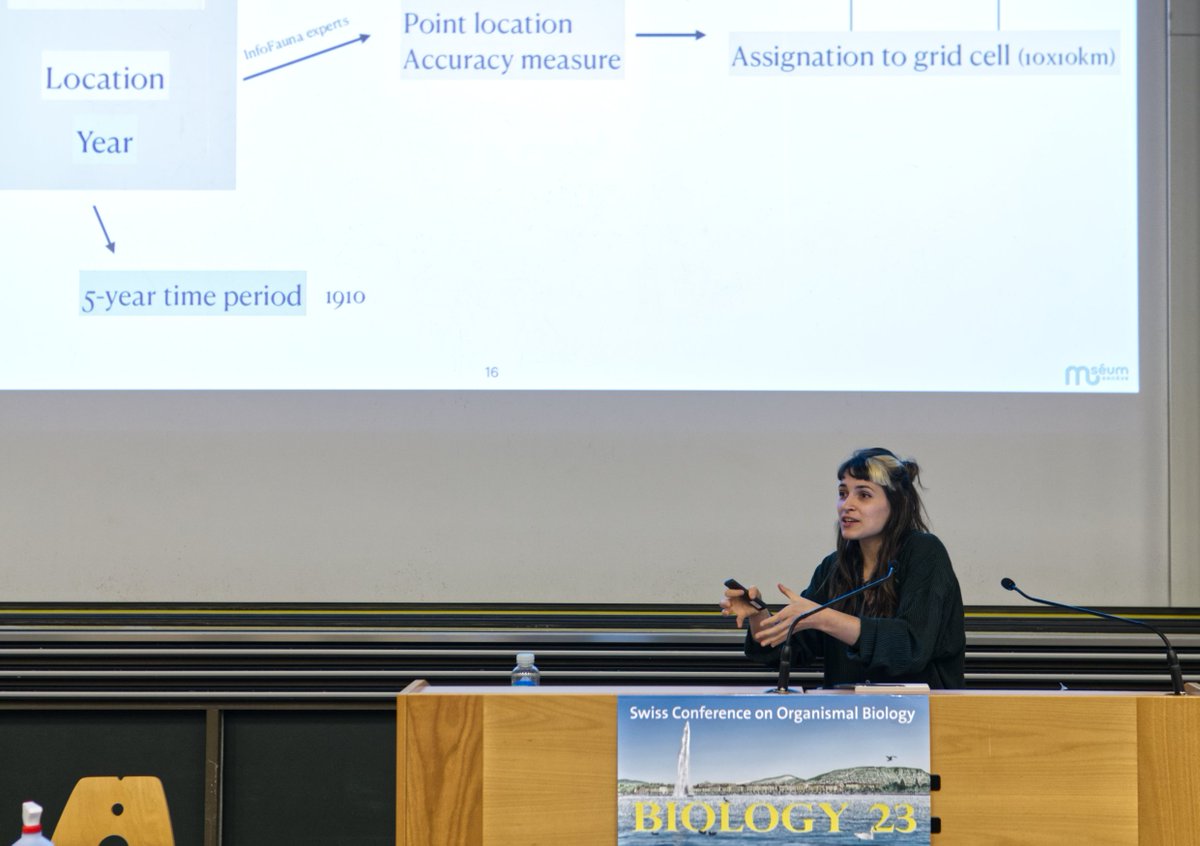
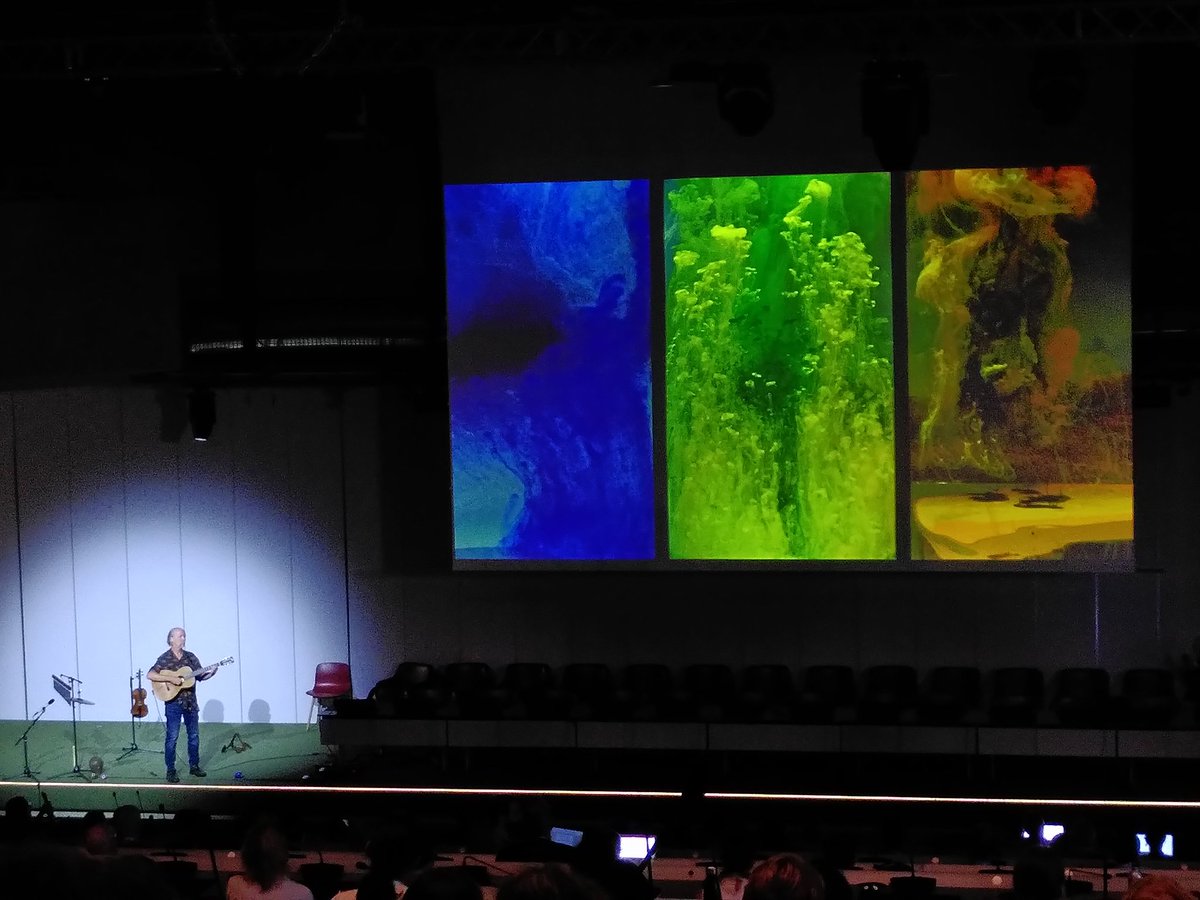
Last week we presented the decliNe at the Biology23 congress. We had such a nice time! Thanks to the organizers @MuseumGeneve, Conservatoire et Jardin botaniques de Genève and @UNIGEnews
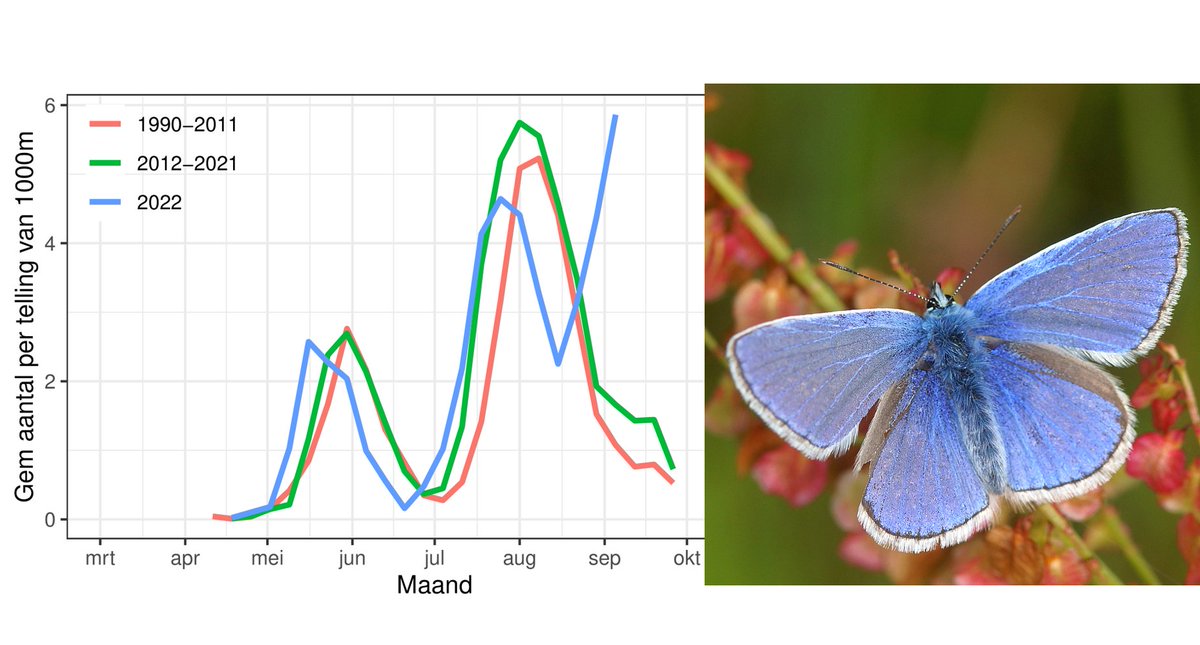
Sometimes the Common Blue (Polyommatus icarus) has a small 3rd generation in NL, but so far it was always small. 2022 is the first year that 3rd generation is the highest on Dutch Butterfly Monitoring transects, another side effect of the hot summer.
The insect decline under the spotlight tomorrow at the #INTECOL2022 in this extraordinary session moderated by @nadiralvarez. See you in room E at 9:45!🦋🪲🦗🐝🦟 @intecol2022
Delightful opening from Martin Scheffer at #INTECOL2022 We are excited to attend the Congress. Looking forward to discuss with all of you! @intecol2022
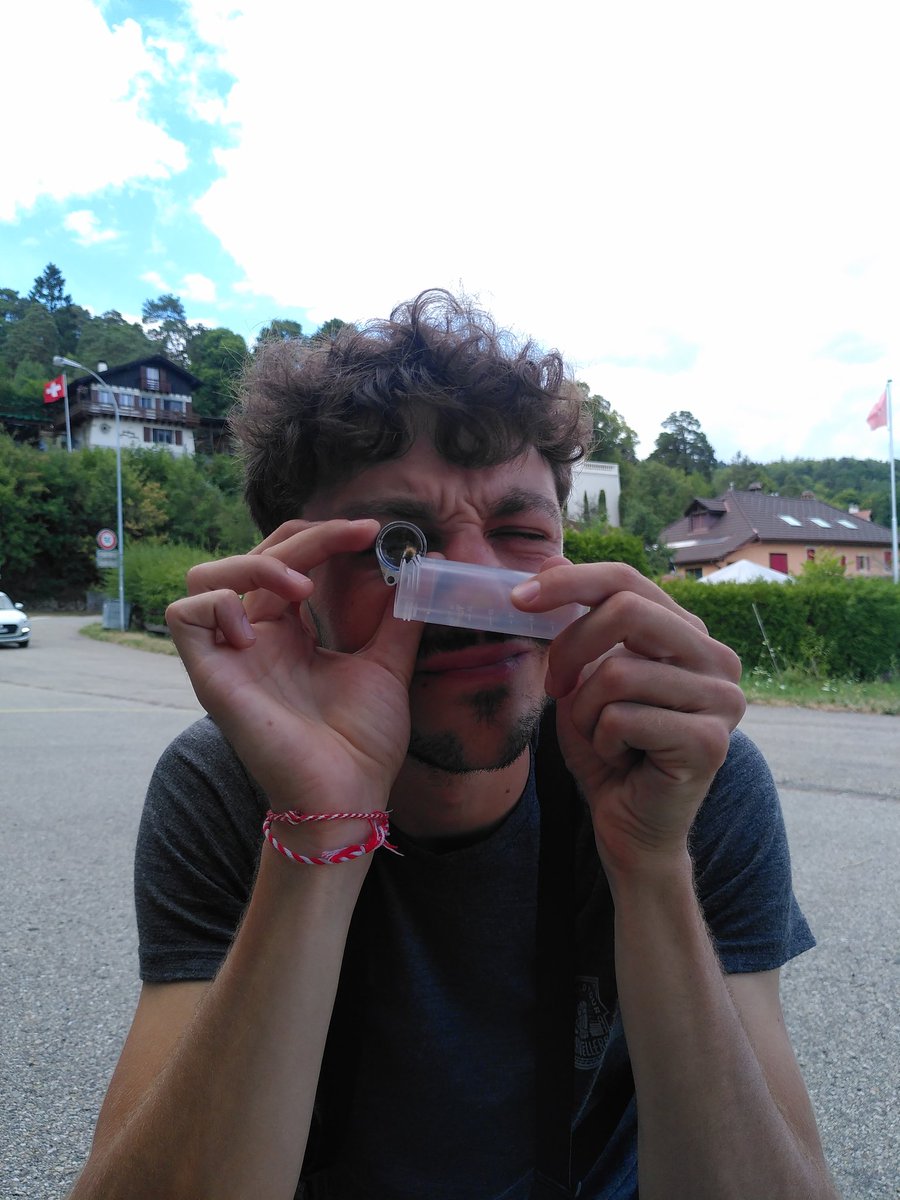
Some news from the field!🐝
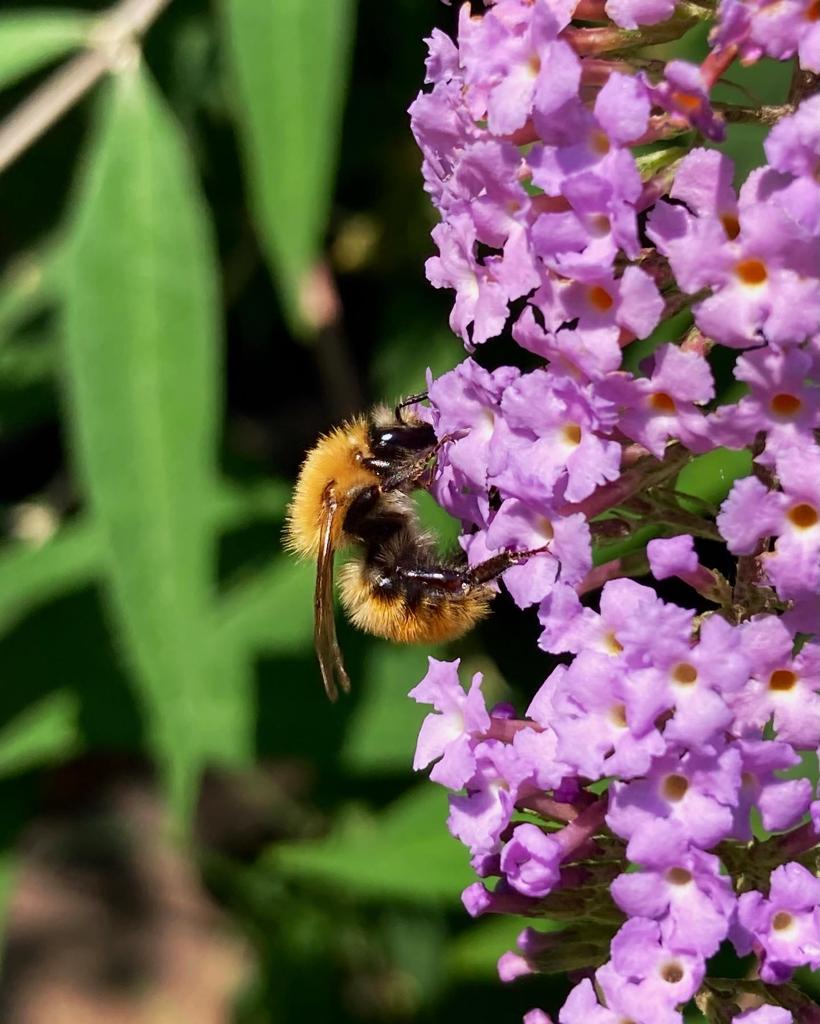
In Switzerland, we can only identify Bombus pascuorum and B. humilis, both new species of the projet, thanks to the color of the hairs present in the very last tergite. Hopefully, Ticino B. pascuorum has a magnificent orange fur...
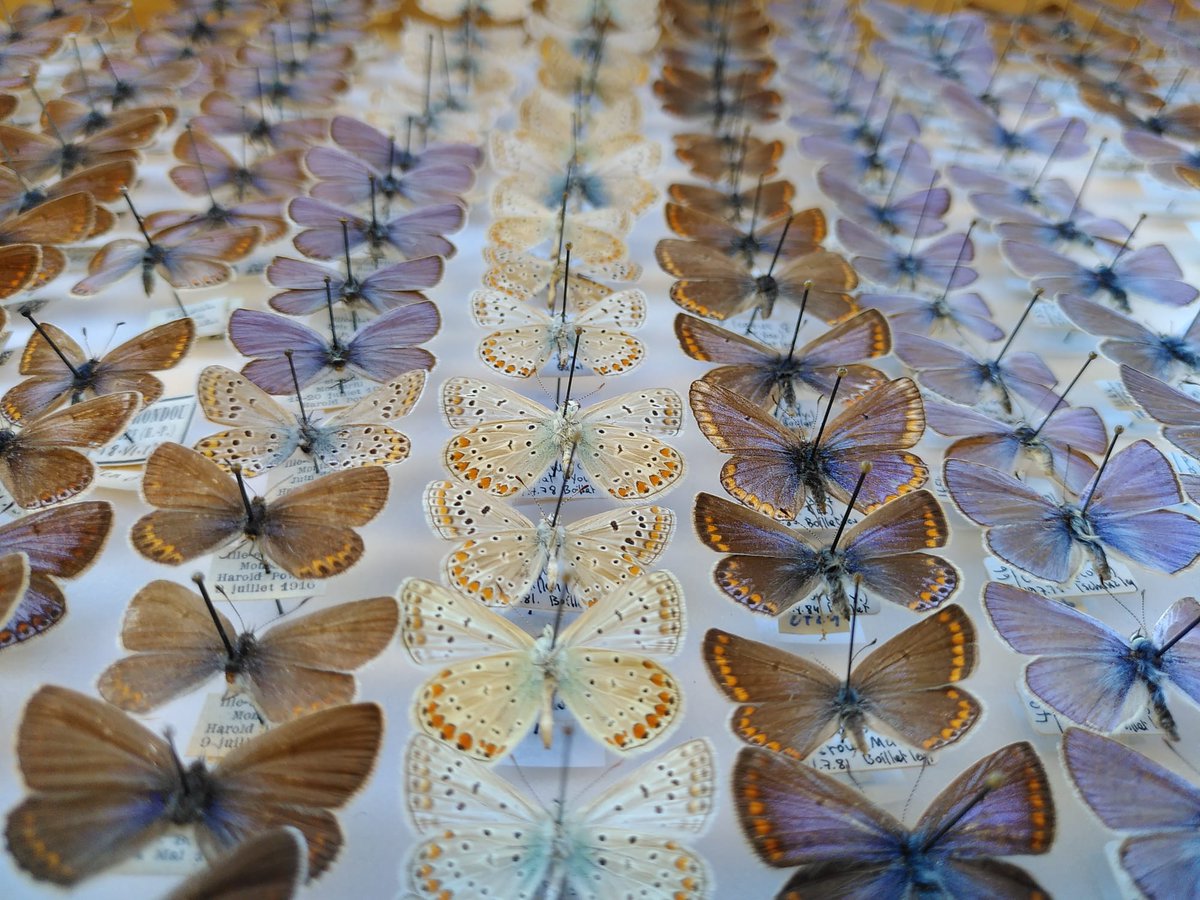
Some nice photos of you sampling of historical populations in the collections of @NMBern
Our field campaign to resample them at present has just started... See you in the wild!
#museomics#popgenetics#museumcollections
[#MuséumLab] La #Suisse abrite une grande diversité d’#insectes, estimée entre 44 000 et 60 000 espèces. Le projet @Decline_Proj a pour but de retracer l’histoire de ces populations pour comprendre les causes de leur déclin.
Découvrez leur travail ici ➡️https://t.co/vkkp7HEsuz
High extinction risk for the genetically unique population of Erebia pandrose in the Apennines. Yes, one population left at the top of a mountain: a sad example of climate change producing genetic erosion.
We don't only address the past of Swiss insect populations, but also its present.
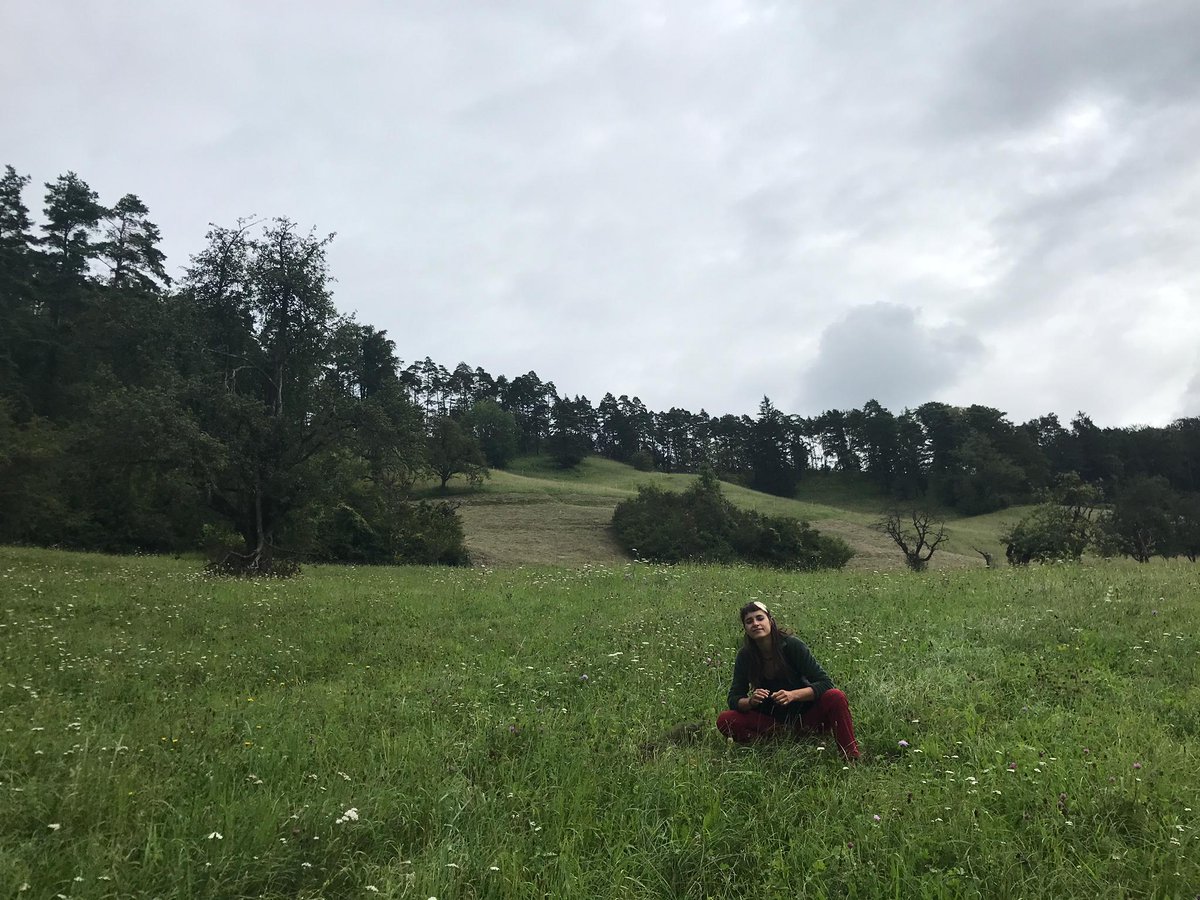
Here are some pictures of our field campaign this summer (Vals, GR).
I also introduce you to another of the target species: Omocestus viridulus.
A summary of the project is coming soon!
Extinct, but still makes my heart beat rise: the Madeira whites (Pieris wollastoni) in the Museum of Natural History in Funchal, Madeira. Until some 30 years ago, it thrived in the laural forests of the island, unfortuantely not anymore
Bien que beaucoup de femmes étudient les sciences naturelles, elles sont encore largement sous-représentées.
"Achieving #Gender Equality and #Diversity in the Natural Sciences" est une série de webinaires gratuits les lundis du 20/09 au 15/11, de 16 à 17h➡️https://t.co/y8hulMX9uO
Delighted to present you three of the target species of the decliNe project : P. icarus, V. atalanta and P. napi
We will make those precious collection specimens talk about the status of their populations in the past.
Don't worry, we're not using torture to force confessions!!
Out online now:
Christopher J. Raxworthy & Brian Tilston Smith discuss challenges in using historic DNA from museum collections
"Mining museums for historical DNA: advances and challenges in museomics" https://t.co/8cjT4Je1mr