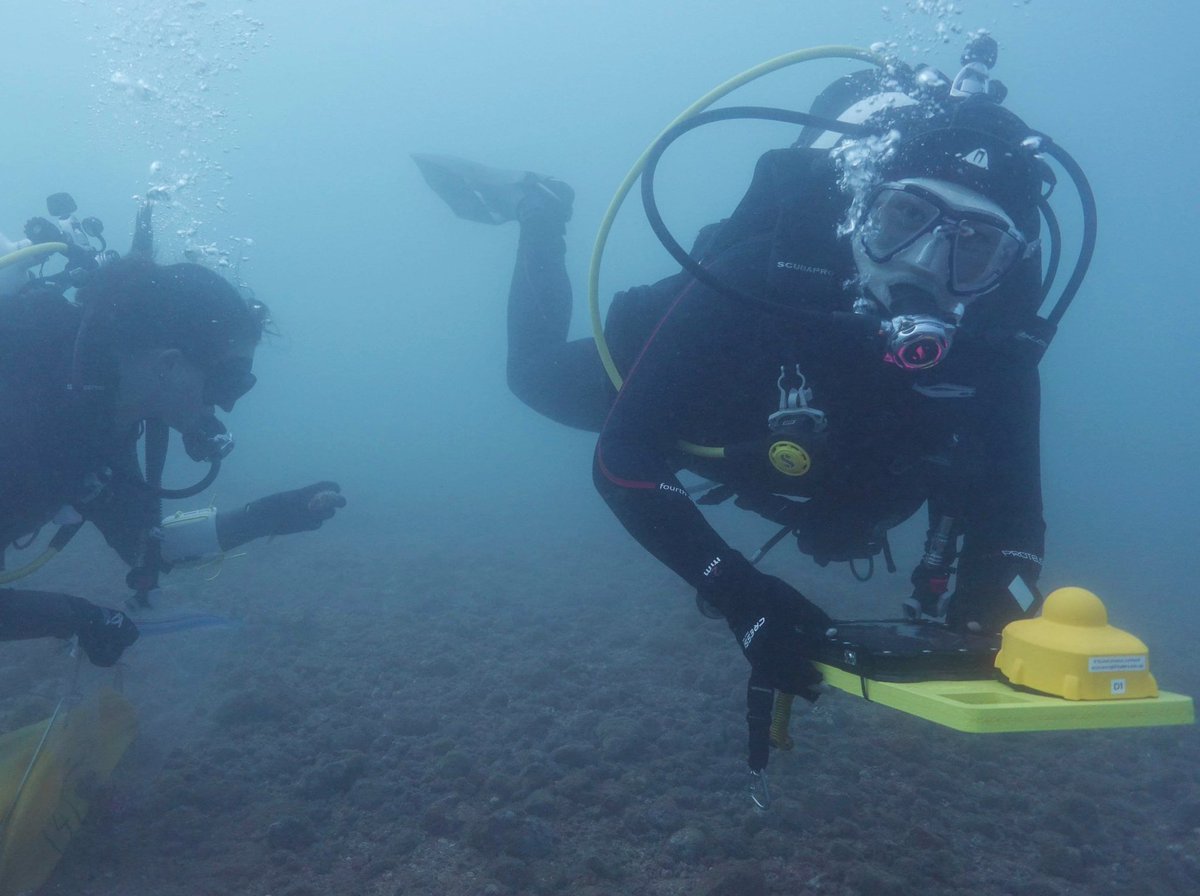
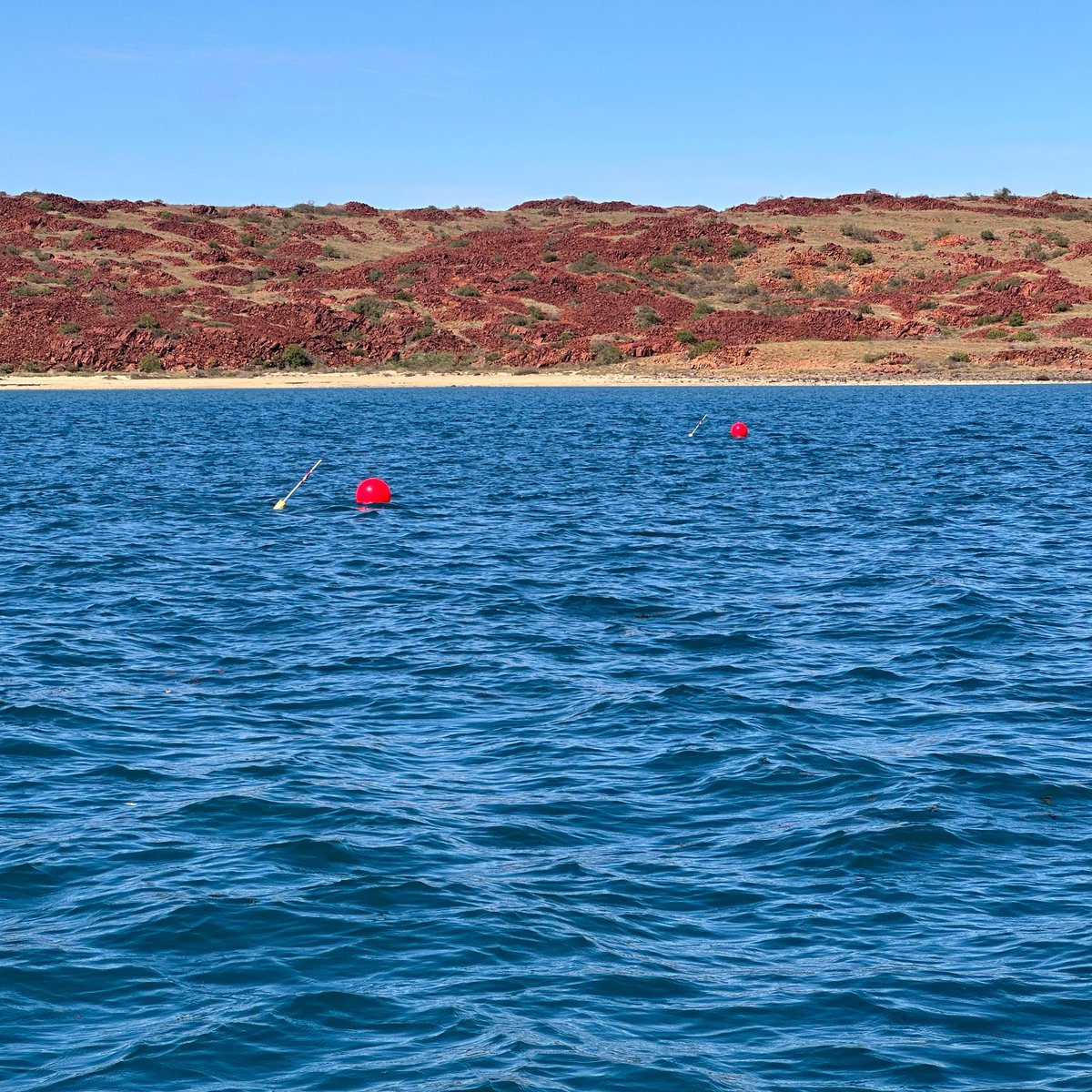
New Open Access Article in Quaternary Science Reviews. Underwater archaeological discoveries demonstrate raw material selection and transport of stone artefacts: new evidence from the submerged cultural landscape of Murujuga, Western Australia
https://t.co/9BTusQEipq
On Calvert Island, British Columbia, the subtle rock line of an extant clam garden is a reminder of how Indigenous peoples turned the sea into a shellfish garden. https://t.co/Vcqxjl43JY
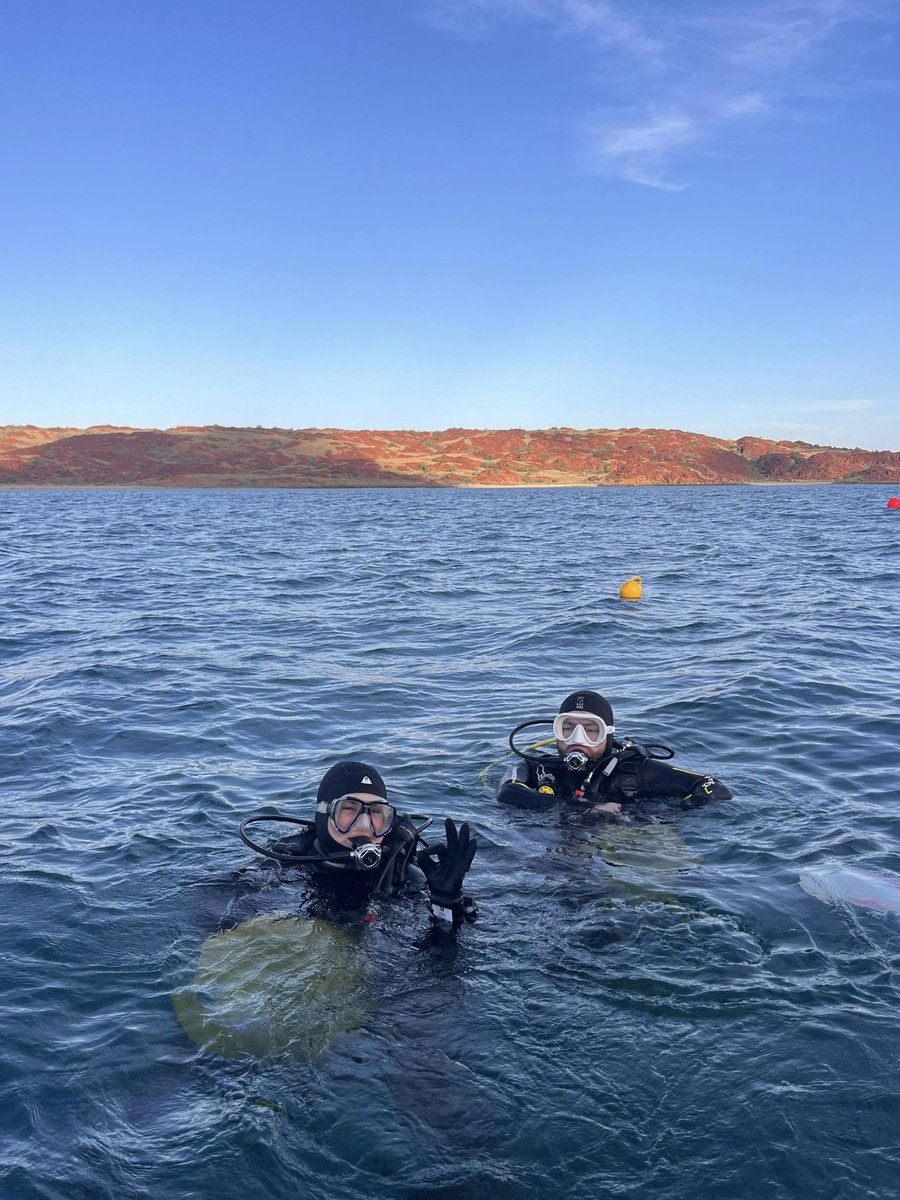
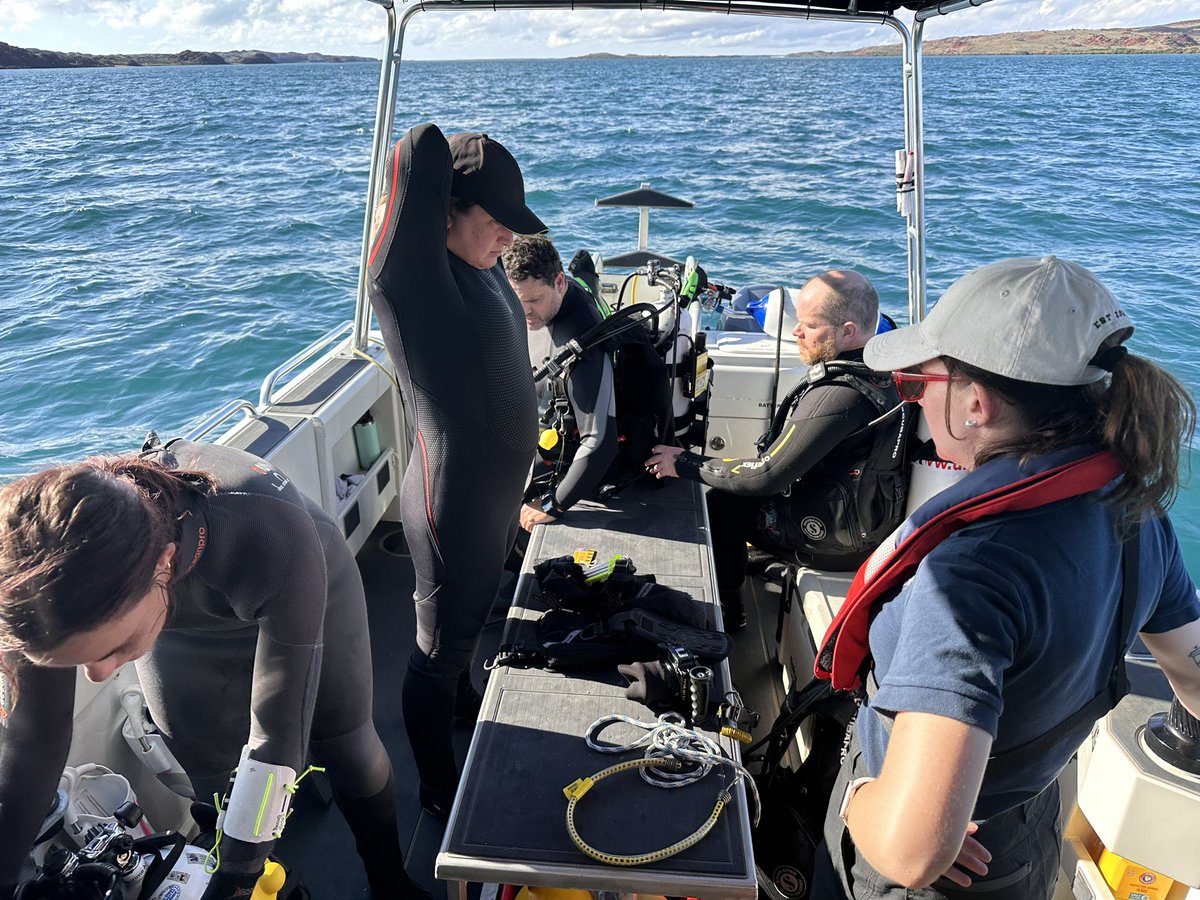
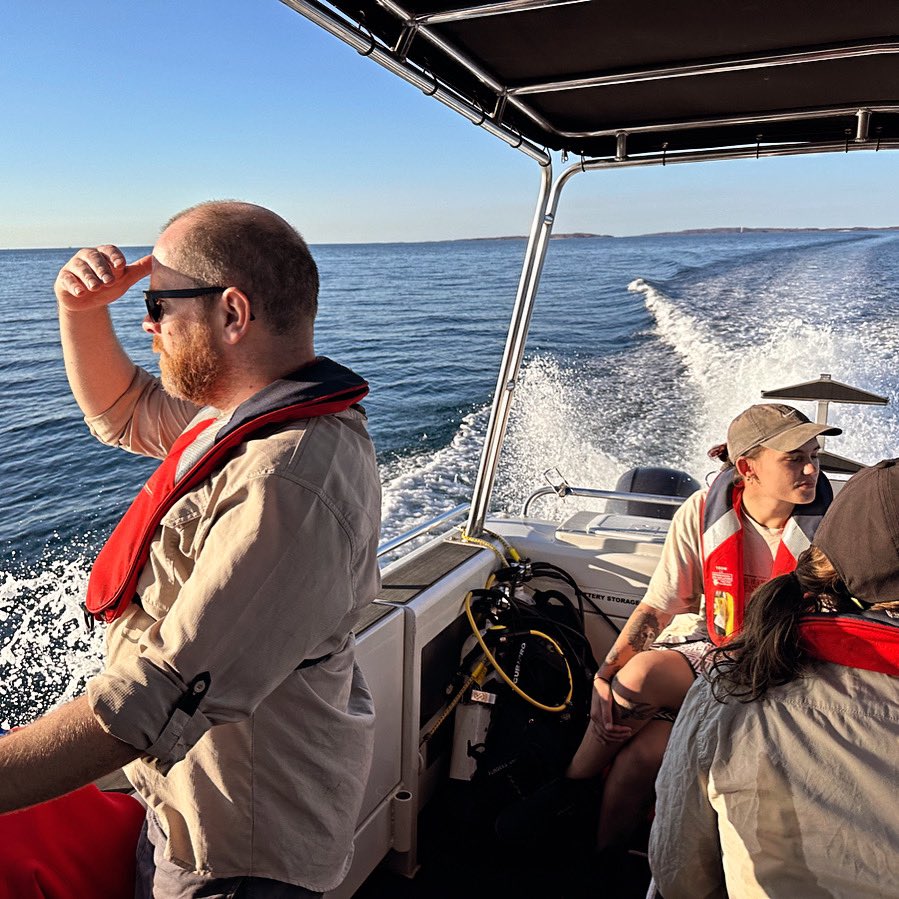
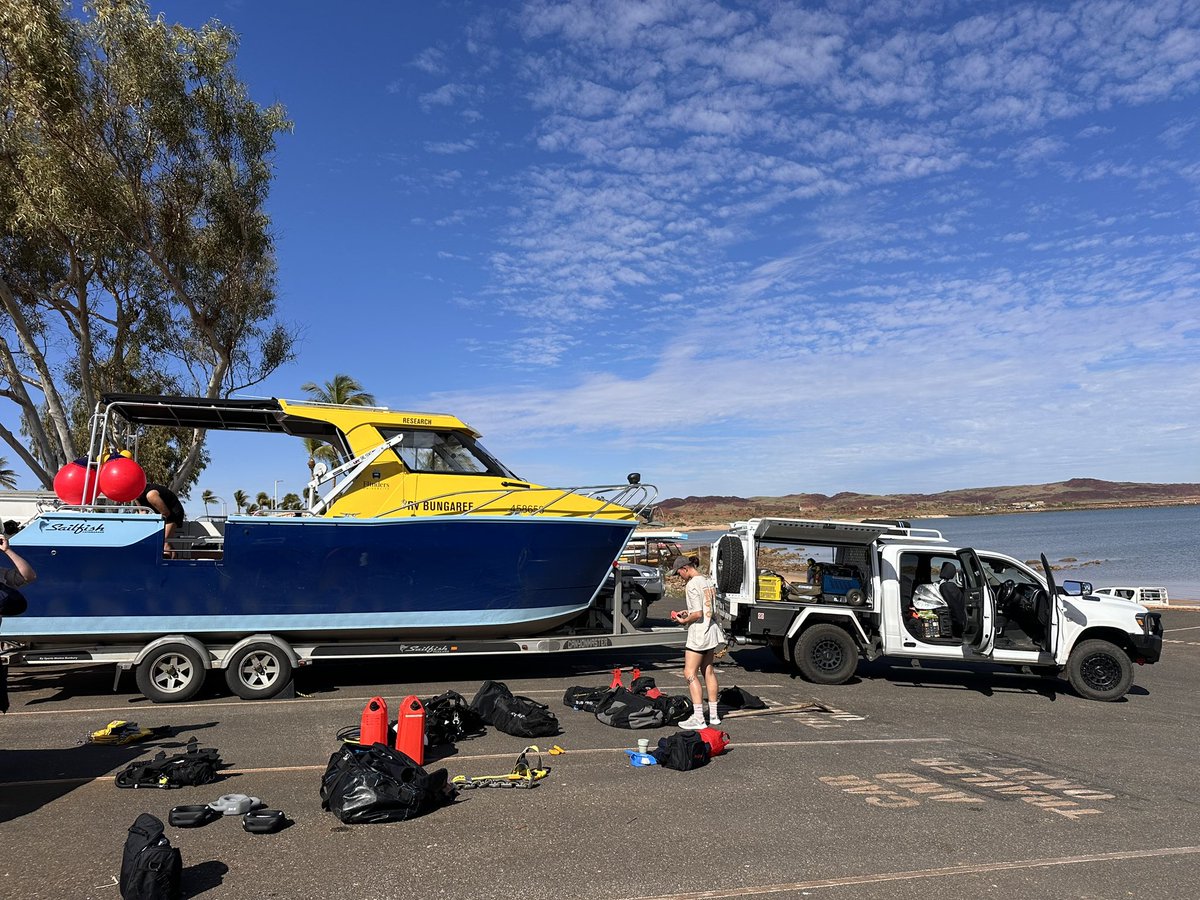
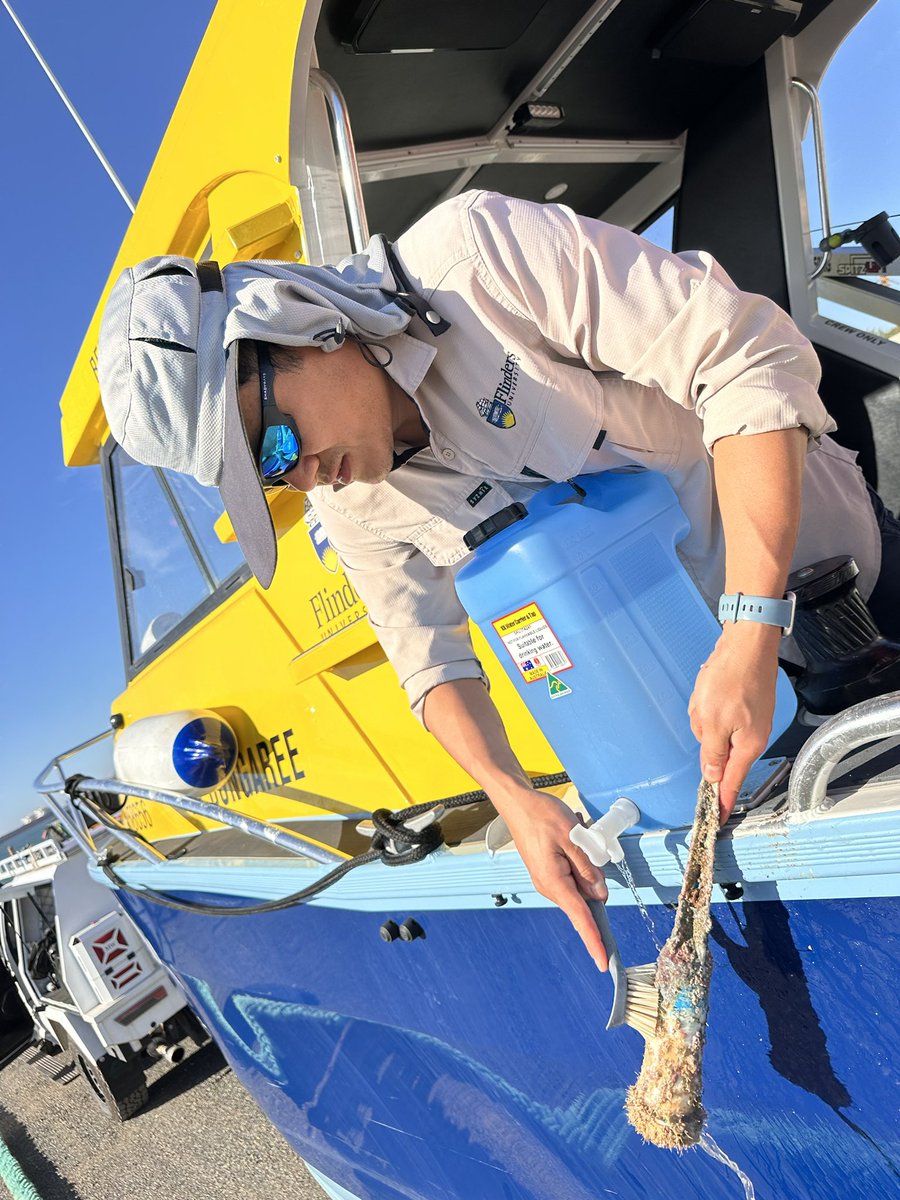
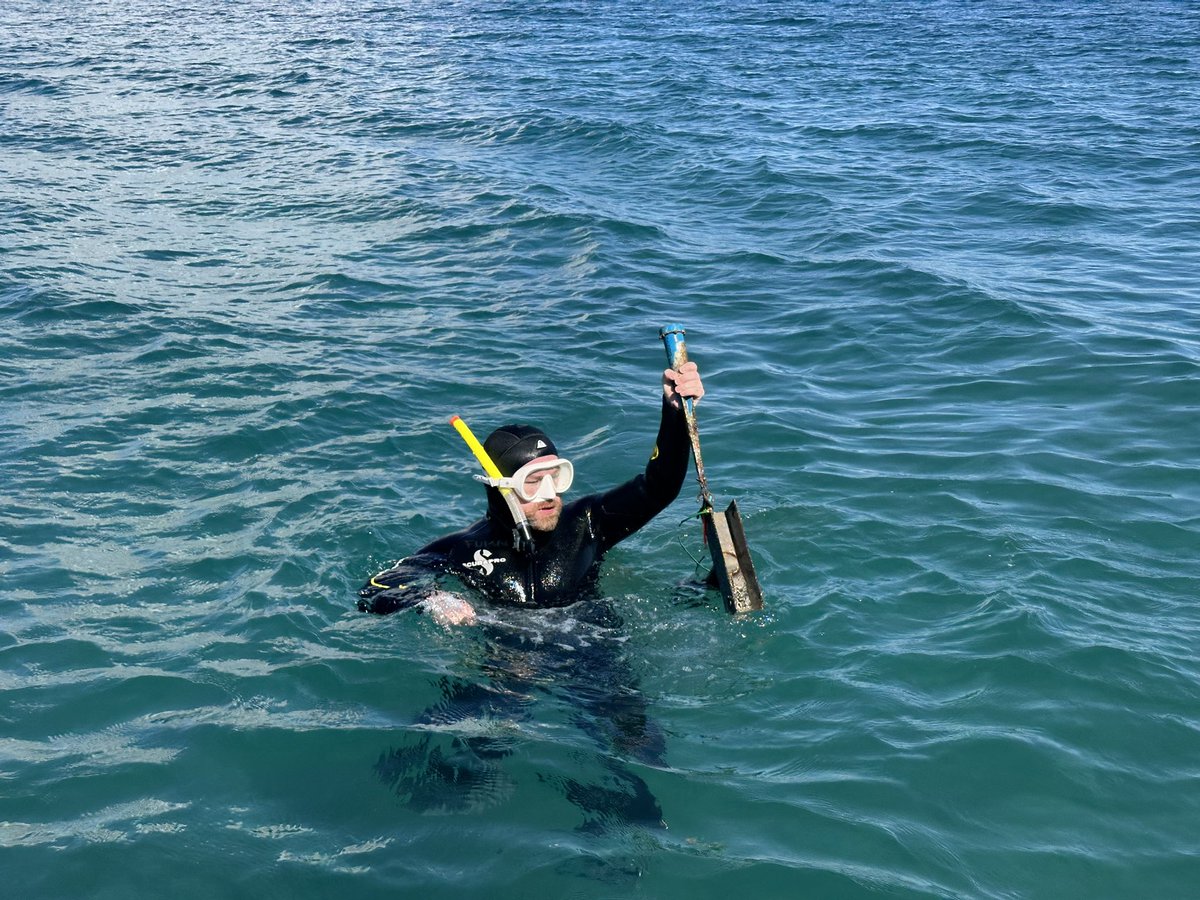
Murujuga Aboriginal Corporation Rangers took their first ocean dive as part of Open Water Diver qualification. Funding for the training was provided by the Australian Government @arc_gov_au and @Flinders led by @j_mccarthy and the DHSC team https://t.co/7sPhLSEjb0 #SCUBA
A reflective piece by DHSC’s @jon_benj on how submerged landscape archaeology is now part of the fabric of the wider discipline of Australian Archaeology.
Through-water communication: Australian maritime archaeology in a changing world — by Prof @jon_benj part of AA 50 Voices @AustArchJ
https://t.co/SLhzFVyOvg
Dr @ChelsWiseman was one of the scientific divers to discover the first submerged artefacts in Murujuga. Here she writes a reflective piece for AA @AustArchJ 50 Voices.
Reflecting on submerged landscape archaeology in Australia and prospects for international collaboration — by @ChelsWiseman for AA 50 Voices @AustArchJ
https://t.co/6aoTEfeytQ
A team of scientists and Alaska Native community members explore the continental shelf west of Prince of Wales Island in southeast Alaska, seeking submerged caves and rock shelters that would have been used by early inhabitants.
https://t.co/6PjZfYGT3j
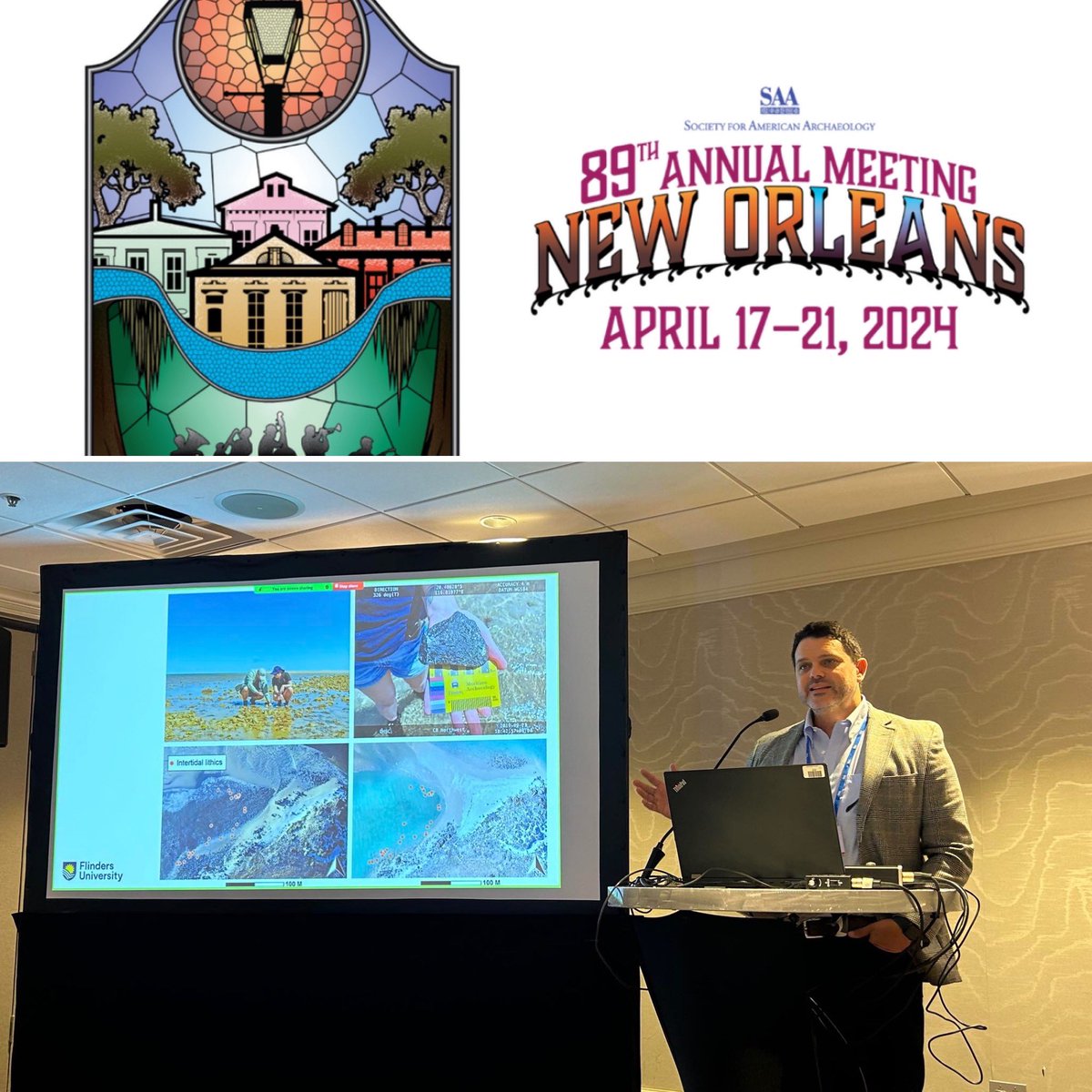
If you are at #SAA2024NOLA and would like to know more about our work in underwater archaeology in Australia we are presenting this morning at 11:30AM in Room Balcony N
Aboriginal people made pottery and sailed to distant offshore islands thousands of years before Europeans arrived https://t.co/wFBDGNlxZS via @ConversationEDU