America was shaped by the wild. And throughout history, we have recognized the importance of protecting wildlife and wild lands – this is our shared heritage.
While our country may not always see eye to eye, when it comes to our love for wildlife, we know we’re united.
On the road again…
When mature, tarantulas can travel up to 20 miles a day in search of a mate! The largest spider, able to grow 6 inches long, tarantulas may look ferocious but are not deadly to humans and are usually calm except when disturbed.
A lot of animals get a bad rap for being “scary," but the frightening expectation is usually a lot different than the reality we know.
Bears nurture their young, alligators sunbathe, bats eat fruit nectar. That’s what they're actually like. Not so scary, huh?
🧵⬇️ (1/6)
Can you tell gray wolves and coyotes apart?
Since we don’t recommend that you approach animals in the wild, here’s a handy guide to help you tell them apart.
If you do spot a wolf in the wild, note their location and report it to your state wildlife agency!
🧵⬇️ (1/5)
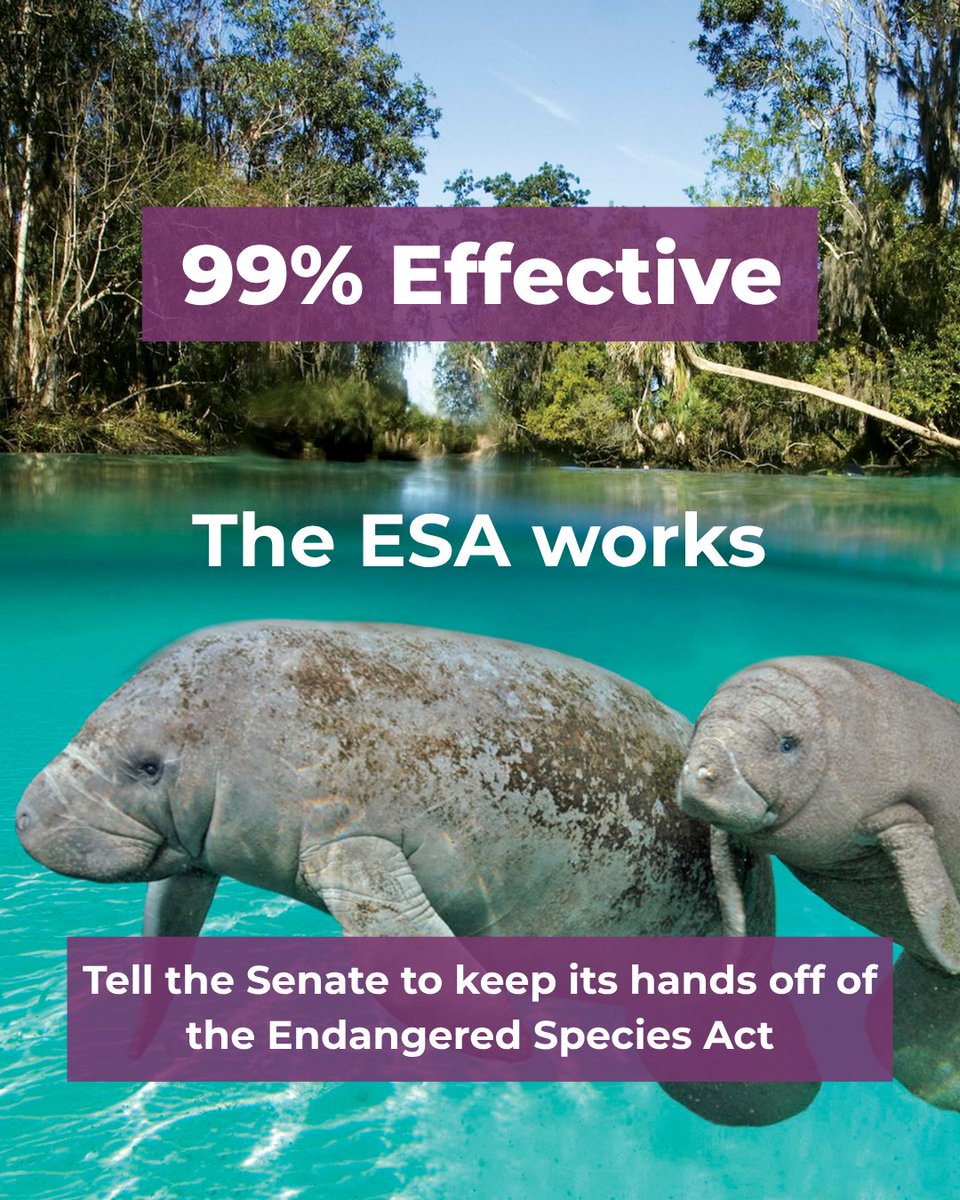
The Senate shouldn’t weaken the laws that protect our wild neighbors in the name of faster permitting. Wildlife isn’t an obstacle to America’s prosperity. It is part of what makes this country rich.
The Endangered Species Act works.
Take action: https://t.co/MFFZ8JiBps
That’s right over the past year, at least 1.6 million comments have been sent in with a clear message to the administration: Keep the Roadless Rule in place!
Intact forests deserve continued, consistent national protection for decades to come.
Read more: https://t.co/QhVcmpBsty
When we take shortcuts around the Endangered Species Act, we shortchange wildlife. The ESA doesn’t need big changes; it just needs us to trust the process.
Tell the Senate not to weaken the ESA with permitting reforms: https://t.co/MFFZ8JiBps ⬅️
The Texas horned lizard defends itself with one of nature’s goriest tricks: it squirts blood from its eyes!
They do this by rupturing tiny vessels in their eyelids, projecting it up to 5 feet. This startles predators and contains chemicals that repel coyotes, foxes and dogs.
What's covered in dense fur, calls kelp forests home and is a keystone species?
The Southern sea otter!
Learn more about sea otters for Sea Otter Awareness Week: https://t.co/3bQclqPqFU 🦦
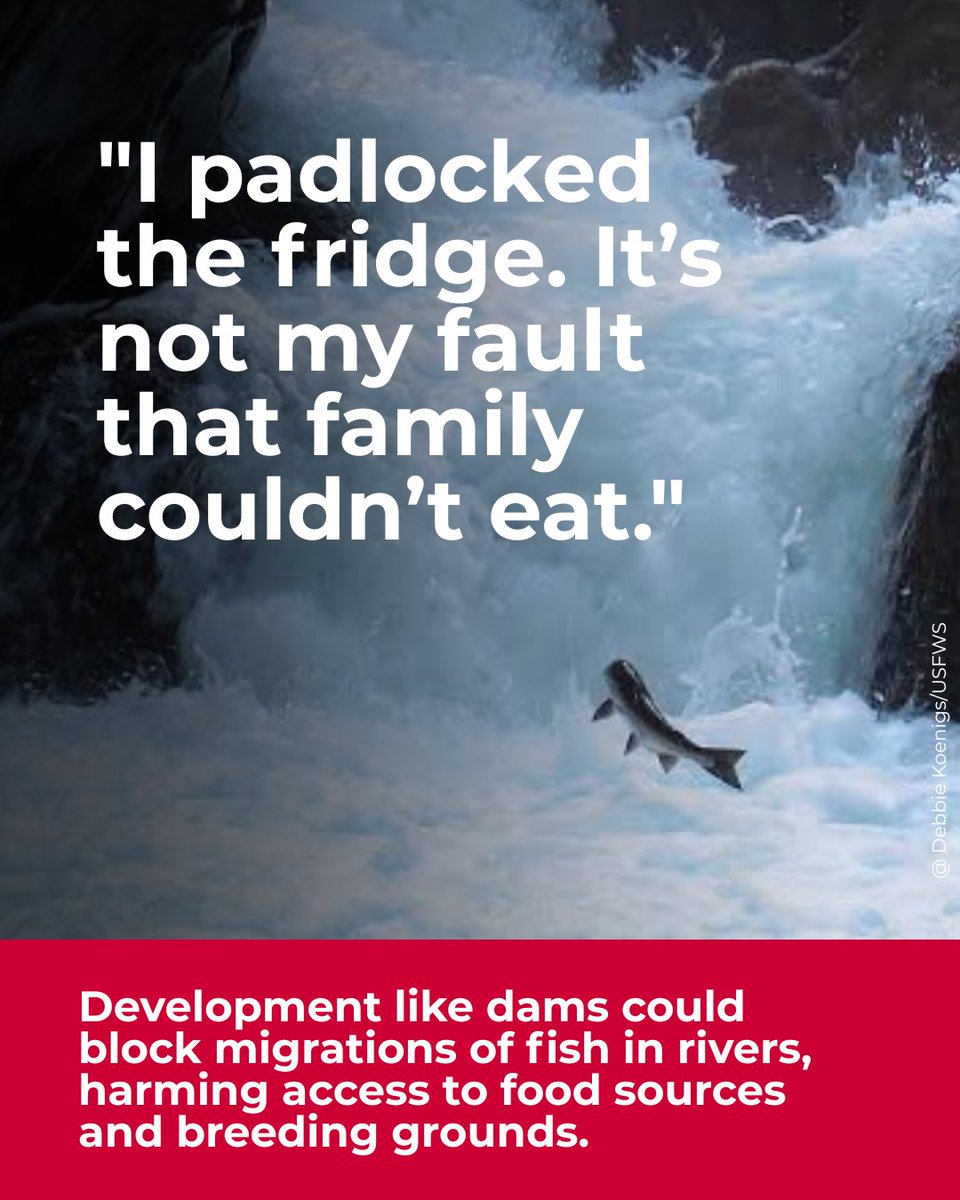
Harm by accident is still harm, yet "oops, we killed a protected species" is suddenly legal under the Endangered Species Act. The ESA has kept 99% of listed species from going extinct — and Defenders is fighting to undo these rollbacks.