IMO an under-discussed threat from AI is a society of addicts to AI-generated media (porn, tiktok, etc), software (much better video games) and AI-discovered drugs (Fentanyl++).
Without smart people and smart money innovating to combat addiction, I expect the market to produce many more addicts. So we need more smart money and smart people! Thank you to IFP and others for stepping up!
loads of research is "we measured a bunch of inconsequential inputs and inconsequential outputs and found nothing of consequence"
then people (slate star caplancrowd) draw *wildly* consequential conclusions like "Parenting doesn't matter much". Incomprehensible blind spot.
loads of research is "we measured a bunch of inconsequential inputs and inconsequential outputs and found nothing of consequence"
then people (slate star caplancrowd) draw *wildly* consequential conclusions like "Parenting doesn't matter much". Incomprehensible blind spot.
a pattern in AI:
- popular imagination focuses on proxy as marker of intelligence (games, turing, ...)
- ...proxies fall quickly
- ...proxies later don't feel like sign of 'real AI'
i wonder if, come 2028, long-horizon SWE tasks might be seen as continuation of this trend.
The thing with algorithms is that they mostly optimize for your revealed preferences (e.g. user smokes cigs, show more cigarette content); mostly fine, but if users could override these with higher-order preferences (e.g. stopping smoking), the Internet would be much better.
Now Scale was acquired by Meta, and Zuck might get all the data, will the other AGI labs be looking for other data providers? Or be fine still working with Scale? Asking for a founder friend...
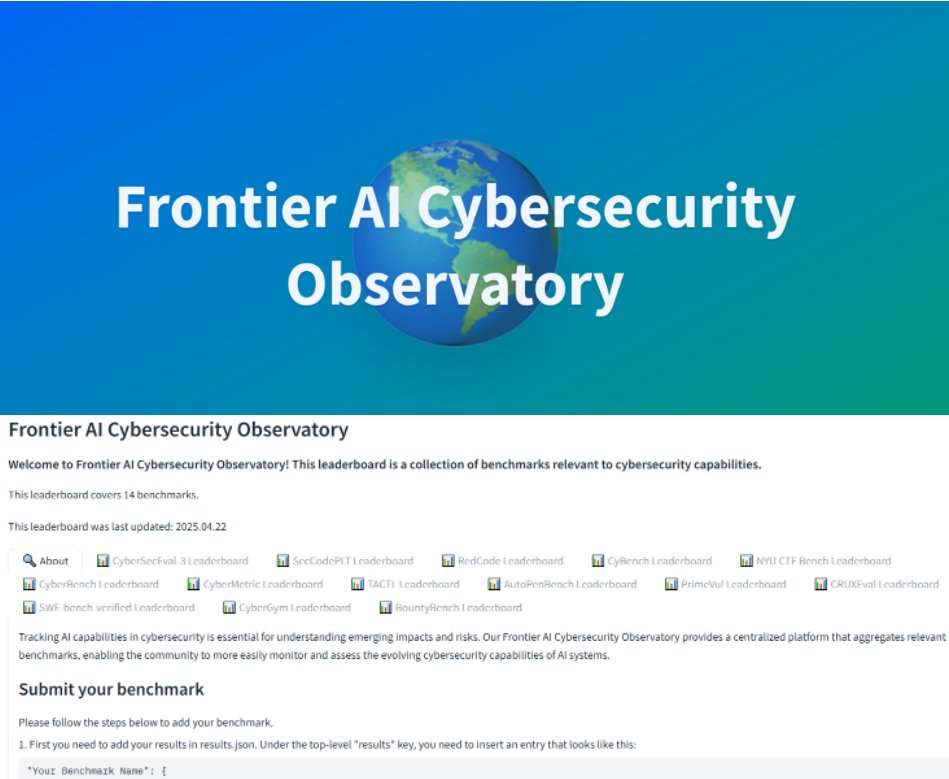
2/📡 To track this accelerating frontier, we have launched the Frontier AI Cybersecurity Observatory — an open platform to monitor AI capabilities across offensive and defensive security tasks.
We invite AI and security communities to collaborate and contribute.
Because what gets measured, gets secured.
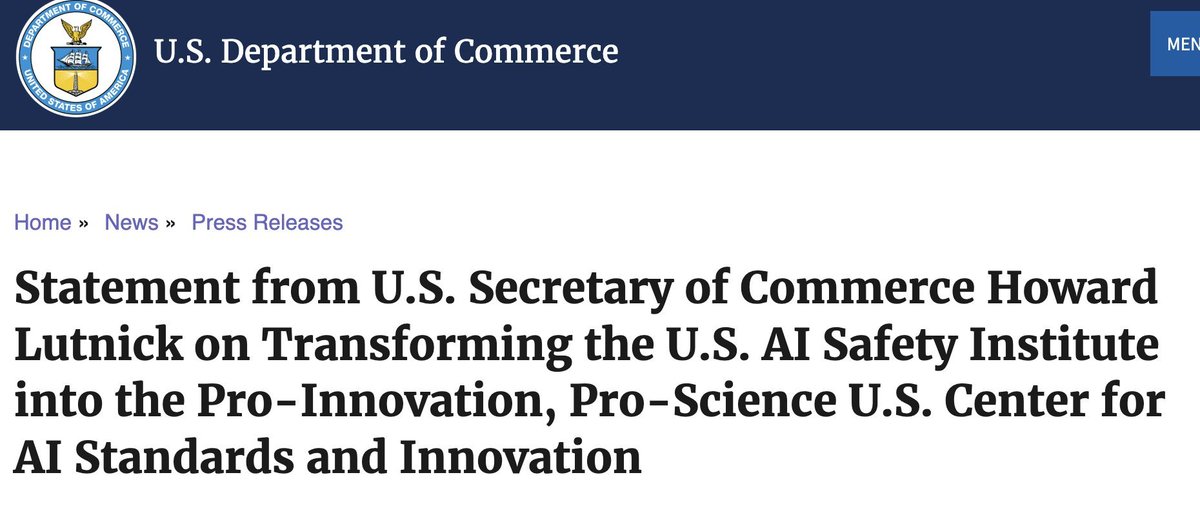
This announcement was a huge win.
The Center for AI Standards and Innovation (CAISI) will focus on national security, rather than bias/equity.
In other words: this administration is thinking seriously about AI's national security implications.
Some highlights:
LAUNCHING TODAY: https://t.co/eUPhyMc7AT.
@JoinFAI@AmerCompass@IFP and @newindustrials are proud to release the Techno-Industrial Policy Playbook—a blueprint to rebuild American power in the areas that matter most: labs, factories, and battlefields.
Here's what's inside...
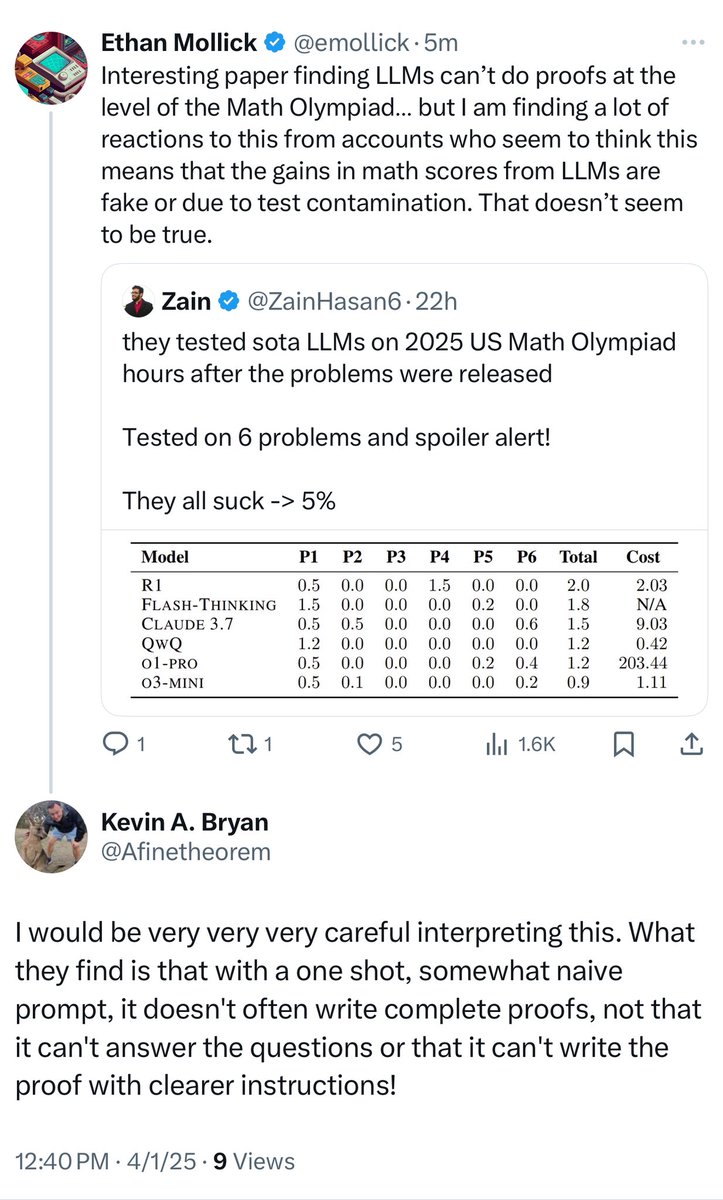
Deleted this post because Kevin is right - it isn’t clear that a better prompted LLM, or a consensus or pass experiment with multiple attempts, would not be able to solve more of these problems. Testing LLMs is challenging for these reasons.
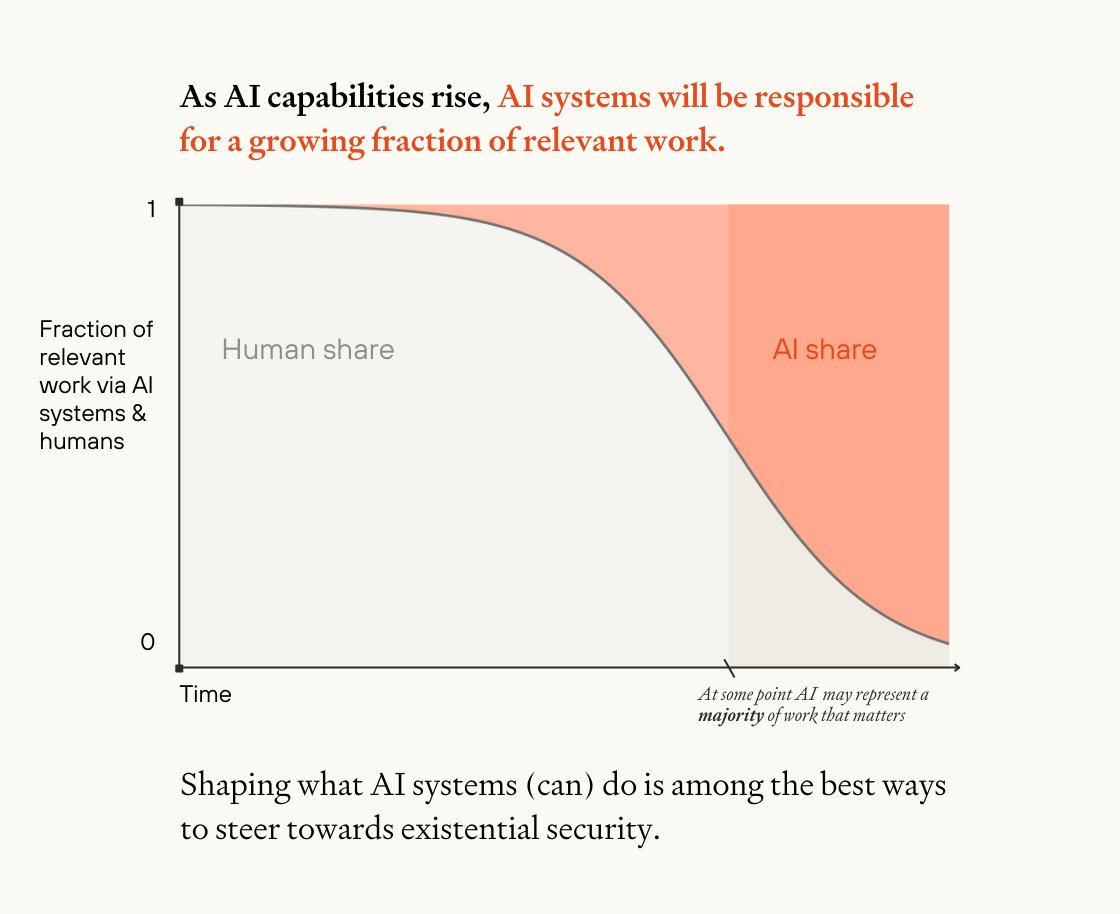
Can we get AI to stabilize the world faster than it disrupts it?
Even as AI poses risks, it’ll provide new tools for navigating those risks. But these tools won't develop themselves (yet!).
In a new 📄, we explore what tools would help most & how to outpace broad AI progress.