A curious mind marveling at the sheer absurdity of the miracle called world.
A passionate soul, keen on learning and exploring, wandering in pursuit of self.
Am personally very uninterested in all the moralistic handwringing about 'deals' & 'NROs' re: IK & PTI that will be the subject of much feverish speculation in the coming days/weeks. For one, I think its far from a foregone conclusion at this early stage & in any case, every aspect of Pakistan's existing political economy is also downstream of some political settlement from the past, so it wouldn't be anything historically unusual.
I am more interested in what a potential new political settlement (in the sense of a broad-based agreement on rules and rent distribution between a wide range of political & institutional factions, like in the 18th amendment) will mean for Pakistan & its people.
We are currently in a situation where various elite factions are at odds with each other & locked into conflict with competing interests & possibly shifting alliances, with growing realization about the unsustainability of the existing political-economic status quo. I think such a situation is actually a good opportunity for having concrete debate about what the parameters (or reform priorities) of a new political settlement could look like (rather than just who gets to be in power).
Personally, I'm interested in what a new political settlement could mean for:
a) Economic management
b) Fiscal policies & distributive arrangements
c) Security and counter terrorism strategy
d) Devolution of powers and resources to grassroots levels
e) Bureaucratic reform
f) Industrialization, productivity & national productive capacity
There are certainly legitimate reasons to be sceptical about this fractious political conflict resulting in better, pro-people outcomes, rather than just continued political crises or a reshuffle of faces.
Nonetheless, think it would be a mistake for those interested in structural change in Pakistan to miss this opportunity to try and index a concrete reform agenda into the current factional infighting among our ruling elites.
I can’t stress this enough. GET OUT OF YOUR HOMETOWN. Even if it’s not forever. Move. Travel. See the world. There is more to life than the same 10 people and the same 2 bars.
It’s the first deep and enjoyable article on Pakistan and Baluchistan’s politics that I have read in recent years. Thanks @faridkasi for using a thinking pen - Jäger’s Hyperpolitics, Pakistan and the Case for Balochistan. | by Farid Kasi | Aug, 2026 | https://t.co/l2vn4CW9Kx
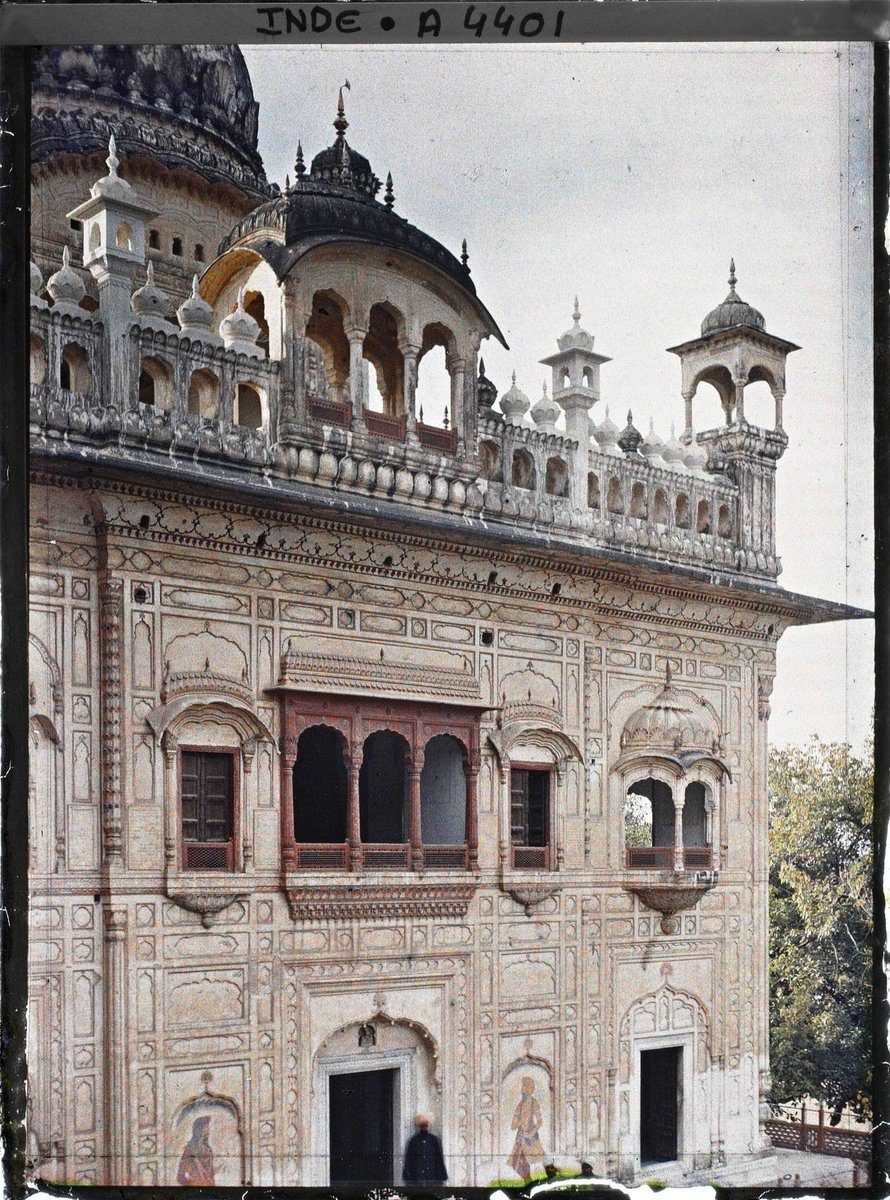
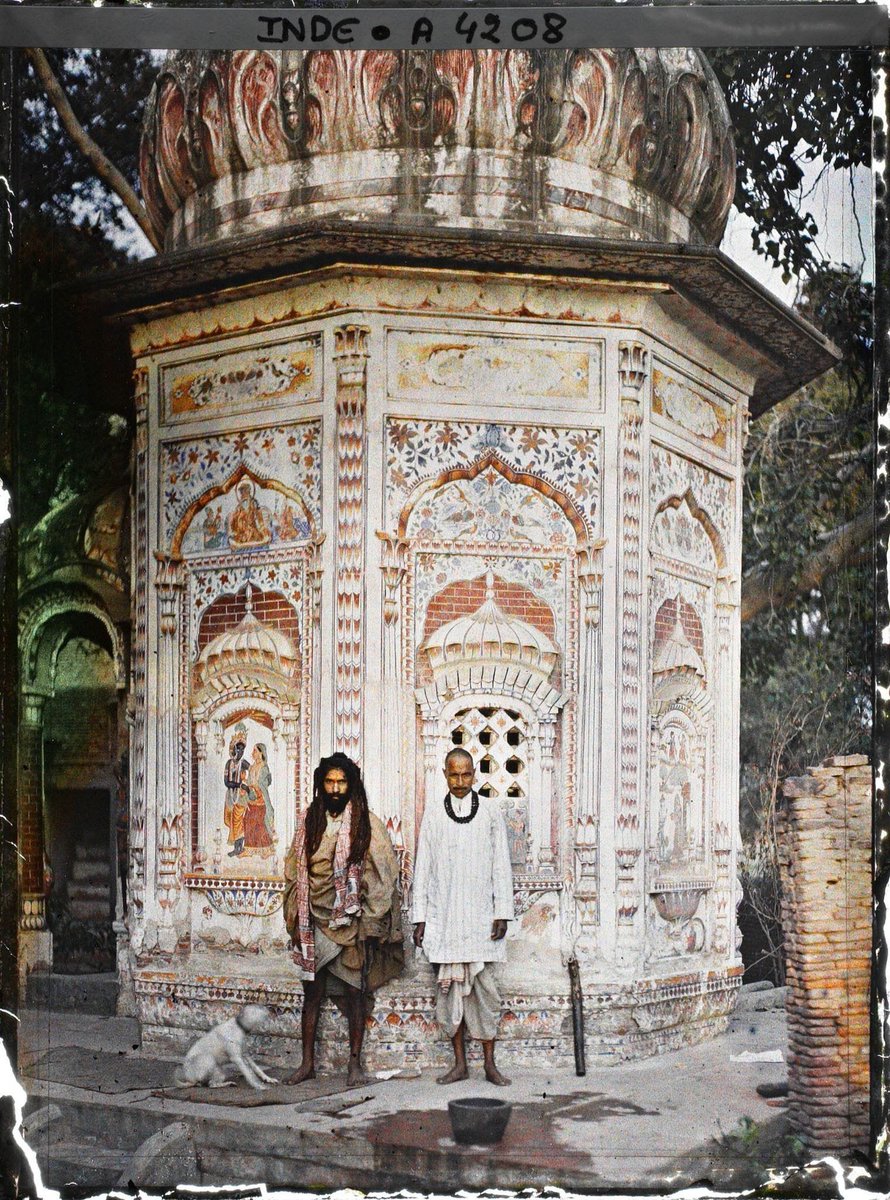
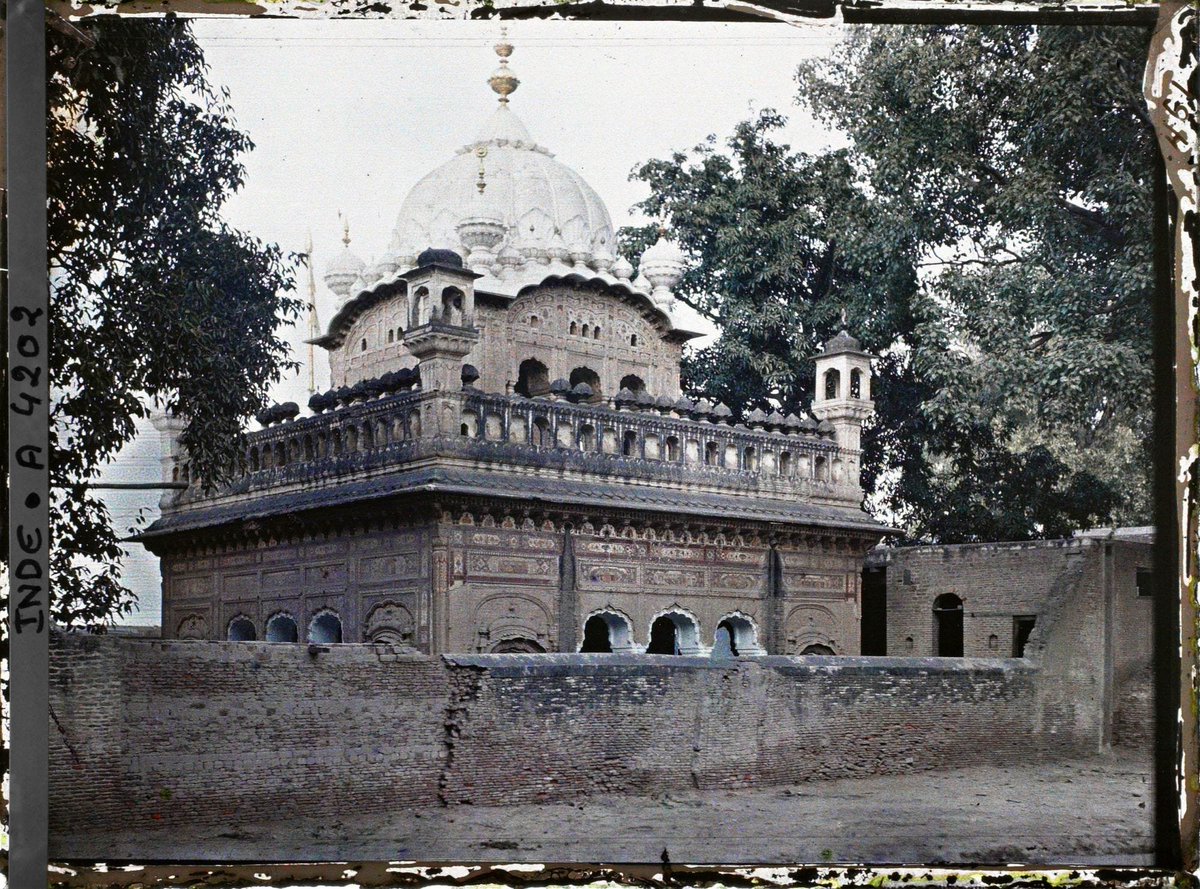
The loss of vernacular architecture and the inability of India’s government to preserve even a single intact historic street in Punjab is one of the great tragedies of recent decades.
Javed Miandad vs Malcolm Marshall — 1992 World Cup 🇵🇰🔥
When legends of the game stood against each other for the last time, Javed Miandad faced Malcolm Marshall with his trademark courage, composure and defiance.
No fear. No surrender. Just pure cricketing brilliance.
That was Javed Miandad — a fighter who always refused to be intimidated.
#PakistanCricket #CricketLegends
First born children have higher IQ than their siblings.
researchers at the University of Leipzig analyzed massive datasets across the United States, Great Britain, and Germany..
and the reason why is completely mindblowing.
it is not genetics. it is not because the parents were younger or healthier.
it all comes down to something researchers call the "tutoring hypothesis"..
here is exactly how it works:
the attention monopoly: firstborns get 100% of their parents' undivided cognitive attention during their most critical developmental years..
the teacher effect: as younger siblings are born, the oldest child naturally takes on the role of a "tutor."
cognitive rewiring: explaining how the world works to a younger sibling actually rewires the firstborn's brain.. forcing them to process information deeper, organize their thoughts, and ultimately boosting their raw intelligence.
every time you had to explain a game or help your little brother with his homework, you were literally making yourself smarter..
the researchers analyzed massive datasets and found a statistically significant drop in IQ for every subsequent child born into the family.
but here is the crazy part that destroys every other stereotype..
the exact same study proved that birth order has absolutely zero effect on your personality.
middle child syndrome? a myth.
the youngest being the rebellious extrovert? completely made up.
extraversion, emotional stability, agreeableness, and conscientiousness are completely untouched by what order you were born in.
the only proven, statistical difference is raw intelligence.
the biological hierarchy is real.. and the firstborns won.
send this to your siblings to ruin their day.. 💀
"آپ نے اکثر یہ بات سنی ہوگی کہ مسلمانوں کے دور میں سائنس اور علم نے بہت ترقی کی تھی۔ لیکن میرے مطالعے اور تحقیق کے مطابق اُس وقت کے مشہور سائنسدانوں میں مکہ اور مدینہ کا ایک بھی سائنسدان نظر نہیں آتا، حالانکہ یہ دونوں شہر اسلام کے اصل مرکز تھے۔ اسلامی تہذیب کے مشہور سائنسدان جیسے ابن سینا، فارابی، خوارزمی، رازی، ابن الہیثم اور دیگر کا تعلق ایران، عراق، شام، مصر اور اندلس کے علاقوں سے تھا۔ یہ وہ علاقے تھے جو اسلام کی آمد سے پہلے بھی علم، فلسفے، طب، ریاضی اور فلکیات کے مراکز تھے۔ میری رائے میں مسلمان سائنس کی ترقی کا جو کریڈٹ لیتے ہیں وہ ان کا حق نہیں بنتا۔" (شفیق زمان وزیری کی تحریر۔۔۔۔
۔ آپ کا کیا خیال ہے؟
پونچھ کی بغاوت نہ ہوتی، گلگت سکاؤٹس نے وہاں سے ڈوگرہ راجا کے نمائندے کو مقید نہ کیا ہوتا اور گلگت بلتستان اور آزاد کشمیر کا یہ حصہ آپ کے پاس نہ ہوتا تو ذرا نقشہ اٹھا کے دیکھ لیں۔ کوہالہ پر، آزاد پتن پر بھارت کی فوج ہوتی۔ کوہالہ اسلام آباد سے کتنا دور ہے؟ جتنی آپ کی ٹوٹل فوج ہے اتنی فوج تو آپ کو صرف اس علاقے کے دفاع کے لئے چاہیے ہوتی۔ بھارت کو تو چھوڑ دیں، وہاں تو بربریت کی جو سطح ہے، اس کا مقابلہ ہی نہیں۔ مقبوضہ کشمیر والے کہتے ہیں ہمیں بھارت سے آزادی دلواؤ، گلگت بلتستان والے تو کہہ رہے ہیں ہمیں پاکستان کا حصہ بناؤ، @ejazhaider