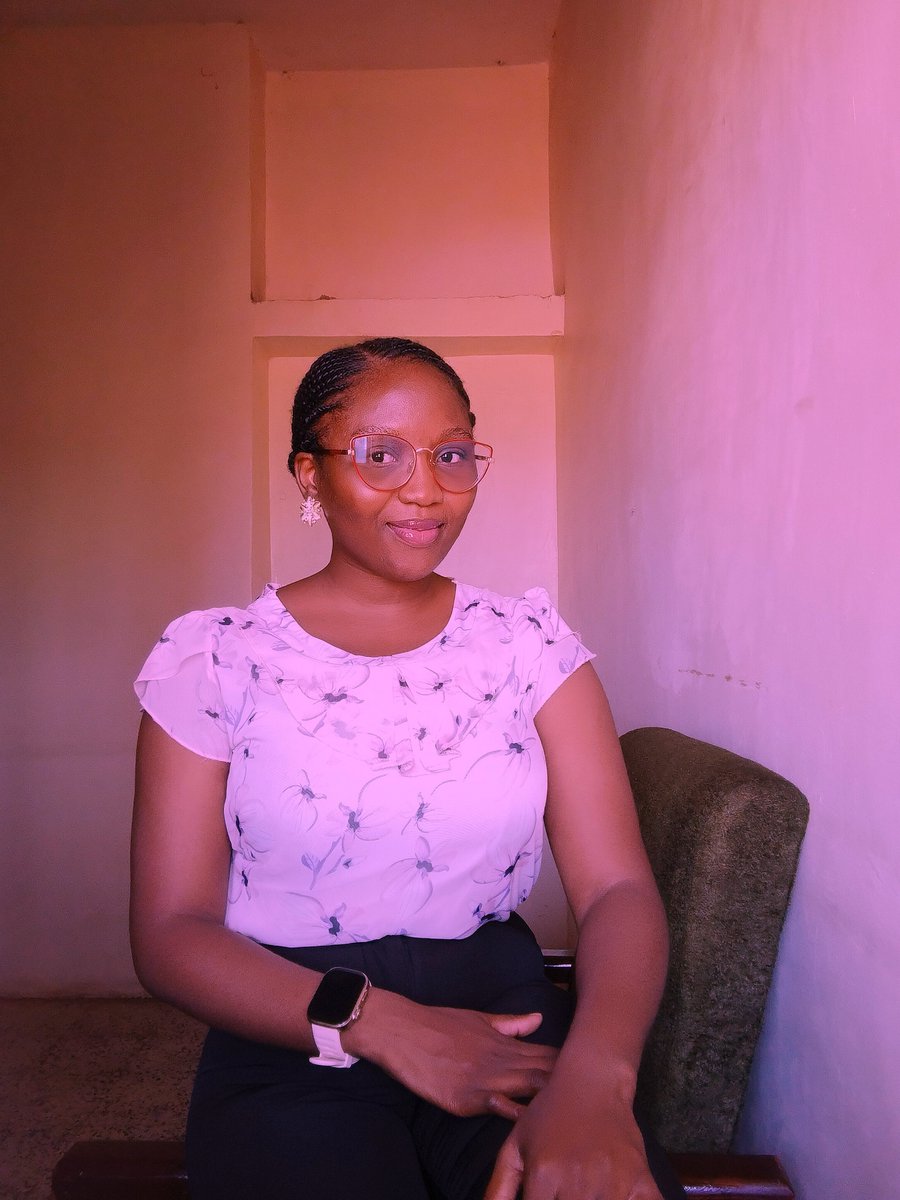
I have a Cameroonian at our facility in Takum LGA, Taraba State. She has a Truamatic Spinal cord injury and is financially constrainted. Kindly retweet until a someone sees and is willing to help.
#Cameroon
I have a Cameroonian at our facility in Takum LGA, Taraba State. She has a Truamatic Spinal cord injury and is financially constrainted. Kindly retweet until a someone sees and is willing to help.
#Cameroon
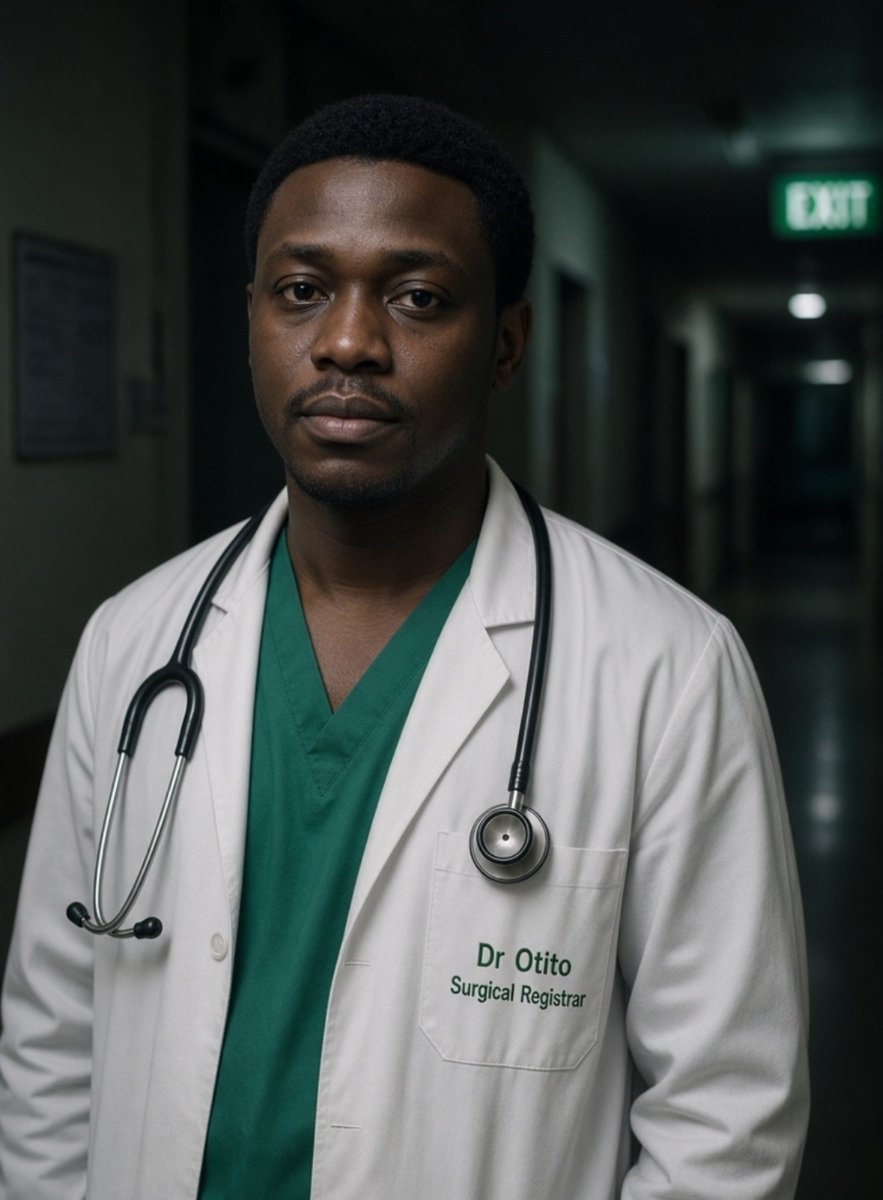
Let me introduce you to Dr Otito
Dr. Otito had only been a surgery registrar at the Federal Medical Centre for three weeks when he had an eye-opening encounter he would never forget just after midnight.
A young teenager was rushed in; he had previously fainted, was pale, restless, and clutching his abdomen.
Classic history was of pain that began around the umbilicus and settled in the right lower abdomen, with one episode of vomiting and high-grade fever.
The house officers started the admission process, but the relatives stood back, murmuring.
When Otito asked about the admission pack- the hospital package containing important fluids, antibiotics, basic items- the father looked down and said, “We will get it, doctor. Just give us small time abeg.”
Small time stretched.
The boy’s temperature rose, and his pulse raced, then it started dropping.
He re-examined, and there was now generalized tenderness plus guarding.
Dr Otito was still new enough to believe the right way to act; he walked confidently to the pharmacy himself and signed for the fluids and antibiotics. “I'll stand in for the patient; I'll make sure they pay before I discharge,” he said.
The pharmacist nodded; in that hospital, everyone understood what those words sometimes meant.
By the next review, the abdomen was rigid. Ruptured appendix.
No delay possible.
Otito sent his house officer to the theatre, returned to pharmacy, and signed for the surgery pack.
In an hour, they had washed out a pelvis full of pus, got rid of the appendix and the boy was stabilised.
Two days later the relatives brought sixty-five thousand naira against a bill already past two hundred and fifty thousand.
They kept saying “We don’t have money, doctor. We are just managing. Economy is hard”.
The next evening the elder brother arrived with five other young men. They unhooked the IV line, dressed the boy, and walked him out of the ward. No one stopped them. Everyone had seen it before.
The following week Otito’s payslip was short. Accounts explained that the unpaid items he had signed for had been deducted from his salary after the relatives absconded.
The shortfall matched almost exactly his daughter’s school fees for the month.
He paid what he could and borrowed the rest from Opay.
After that, Dr. Otito still examined his patients carefully, wrote clear plans, and taught his house officers.
But when relatives said they need time to bring needed items, he no longer walked to the pharmacy.
He documented the discussion, noted that they had been counselled on the urgency, and stepped back.
On later calls he explained once, then waited. If the money appeared, the patient went to theatre promptly.
If it did not, he informed the consultant on call and moved to the next case.
He never learned what became of the teenager. What he did learn, from registrars who had been there longer, was that he was not the first whose signature had been used that way.
He simply stopped being the last person willing to offer it so freely.
To my fellow colleagues, learn from Dr Otito. Healthcare is not a fokking charity.
There are a lot of things I had wanted to do, but got limited because of the scissor. Only to realise that the fault was not me, but the scissor. Terrible
@Demeh2 It was so difficult to cut the suture with left hand.
It was so embarrassing until I discovered the fault is not in me but the scissors itself.
@joinwiddershins Yes, yes. I cannot imagine what most left handed doctors have had to face. Haven to assist surgeries have been hell, especially with inconsiderate surgeons.