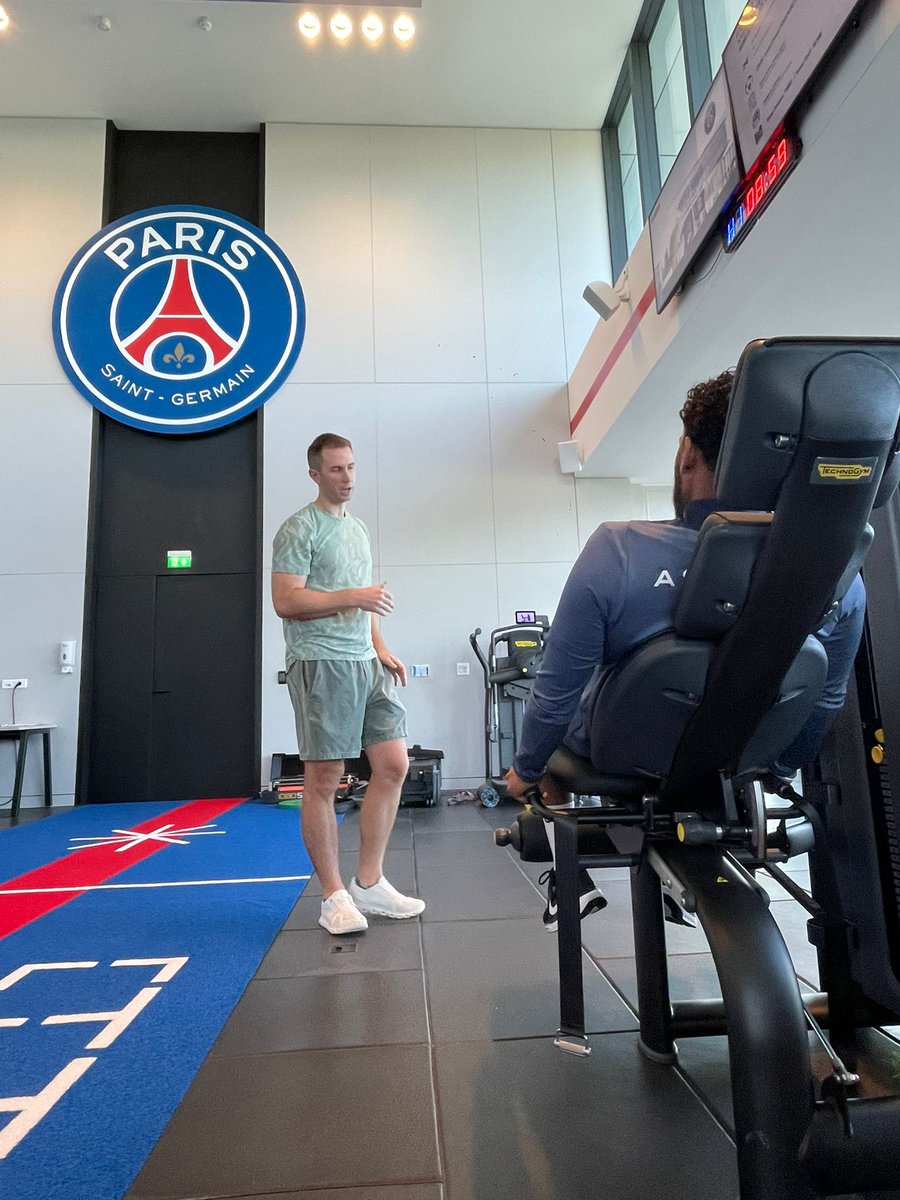
Fantastic couple of days with Cyril Praud and all the team Paris Saint-Germain at their world class campus in #Paris with @Dermot_Simpson discussing and sharing knowledge and experience @Aspetar on #hamstring and #rectusfemoris injury and rehabilitation
Hugely beneficial collaboration between the two organisations and much knowledge sharing to come in the future!
New pilot study: Non-operative outcomes in elite athletes with a proximal hamstring tendon avulsion
SPOILER: Fast & successful return to performance
➡️Clinical & radiological data
➡️Detailed ‘rehab recipe’
➡️Mechanobiological hypothesis on tendon healing
https://t.co/cjTT9DyVSS
We are recruiting!
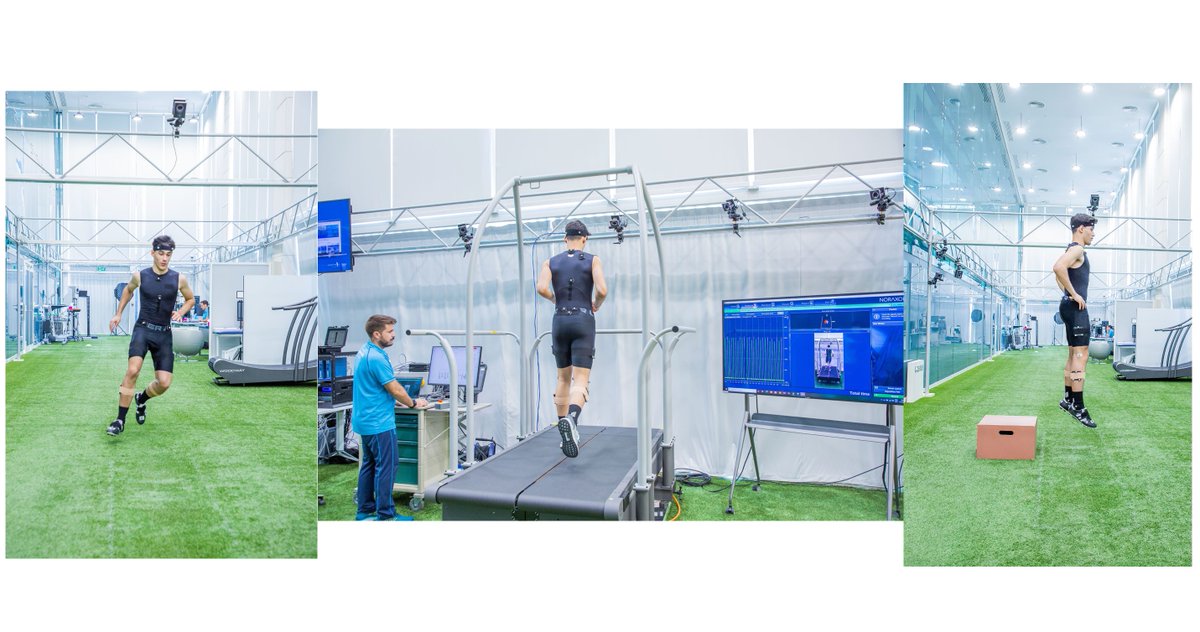
Looking for #physiotherapists throughout career stages (min 6 years qualified) to join the Rehabilitation Department and greater MDT @Aspetar
Ideal opportunity for those looking learn from and drive forward a department with state of the art facilities whose focus is on delivering the highest level of care to all hashtag#athletes and constant evolution of our practice through hashtag#research, hashtag#education and hashtag#innovation.
Apply Here: https://t.co/c6AsJy0iPK
Any queries just reach out!
@RodWhiteley@PdHooghe@GetgoodKnees@MarceloBordalo@Marco_Cardinale@mart1buch@Dermot_Simpson@RoulaKotsifaki@lukeheath85@helenmcelroy
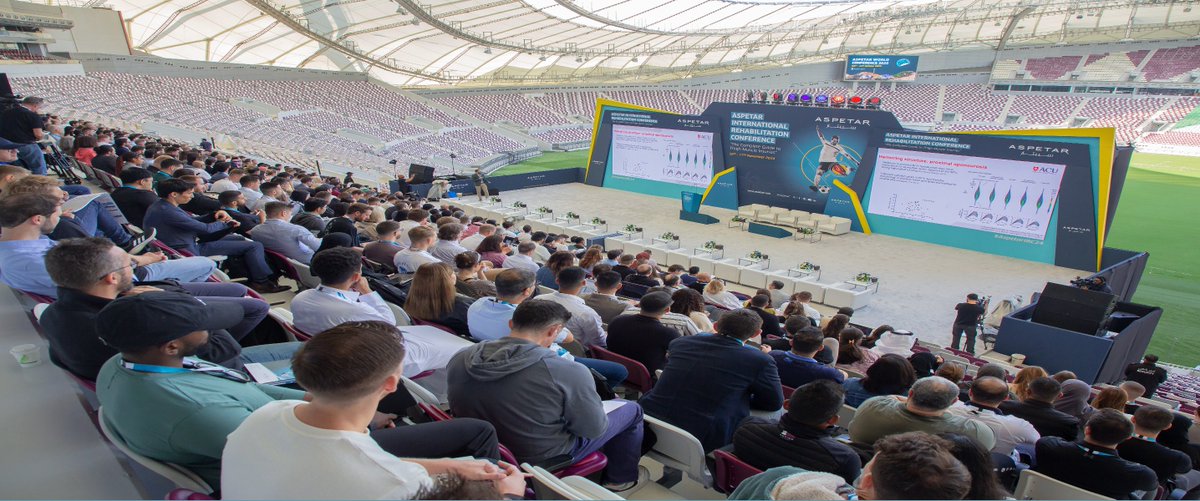
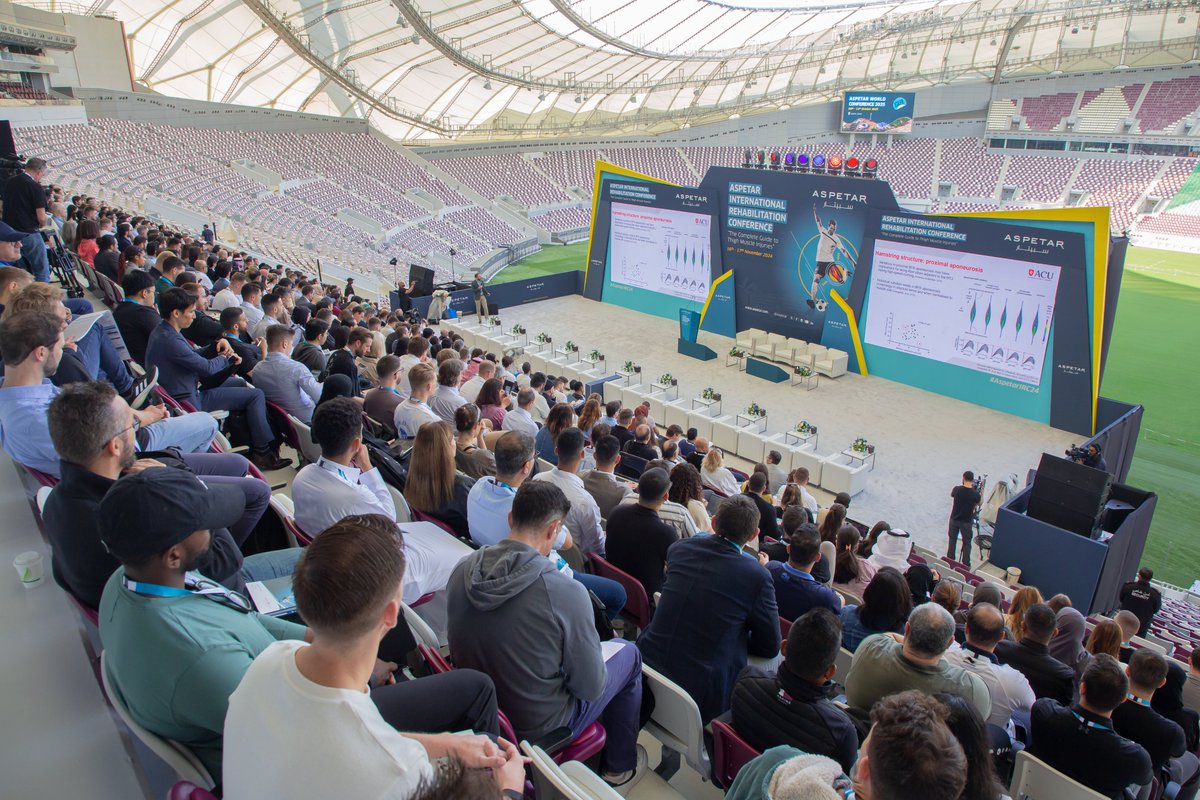
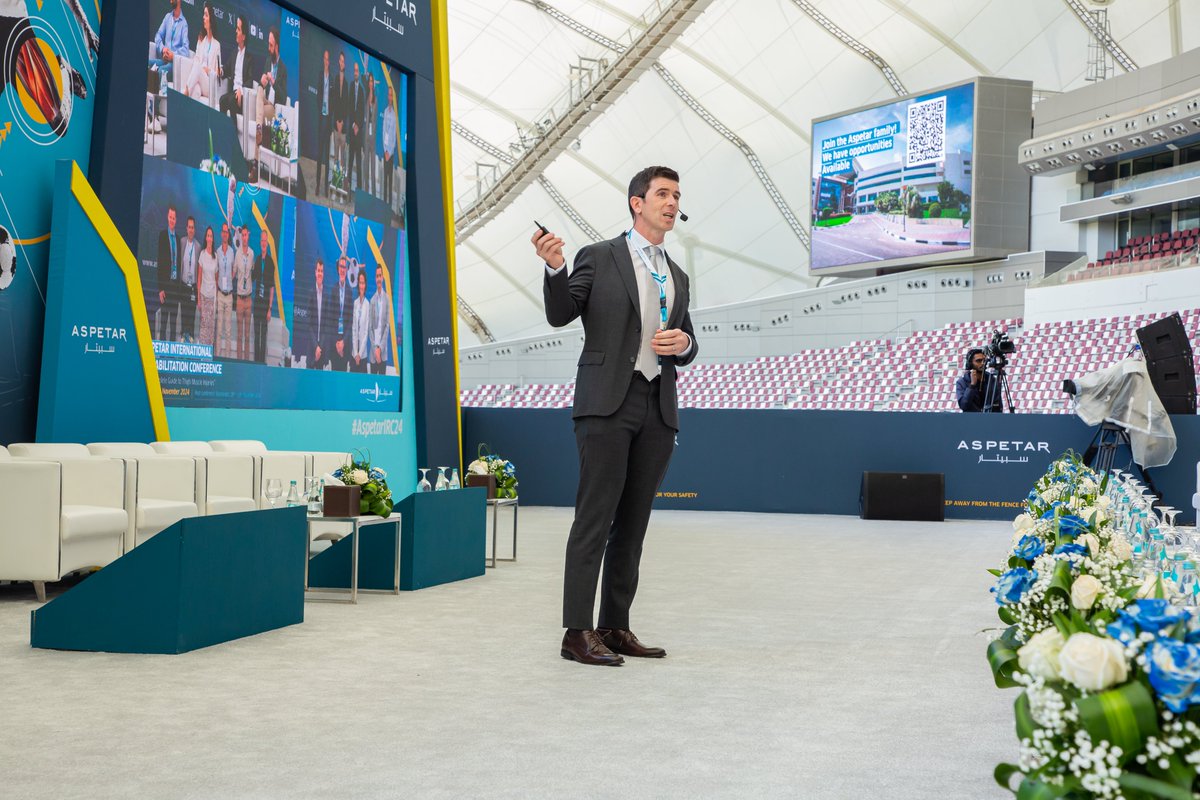
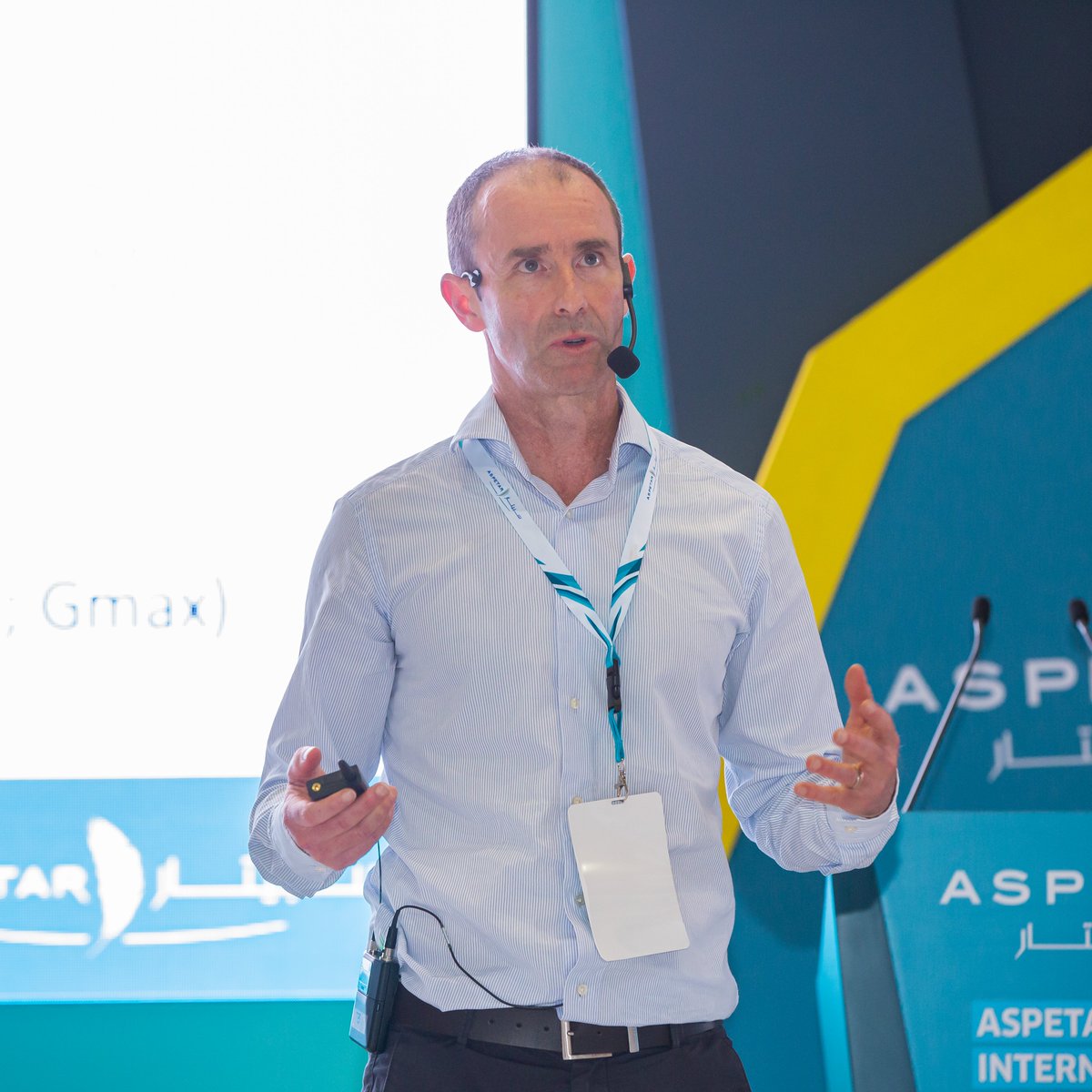
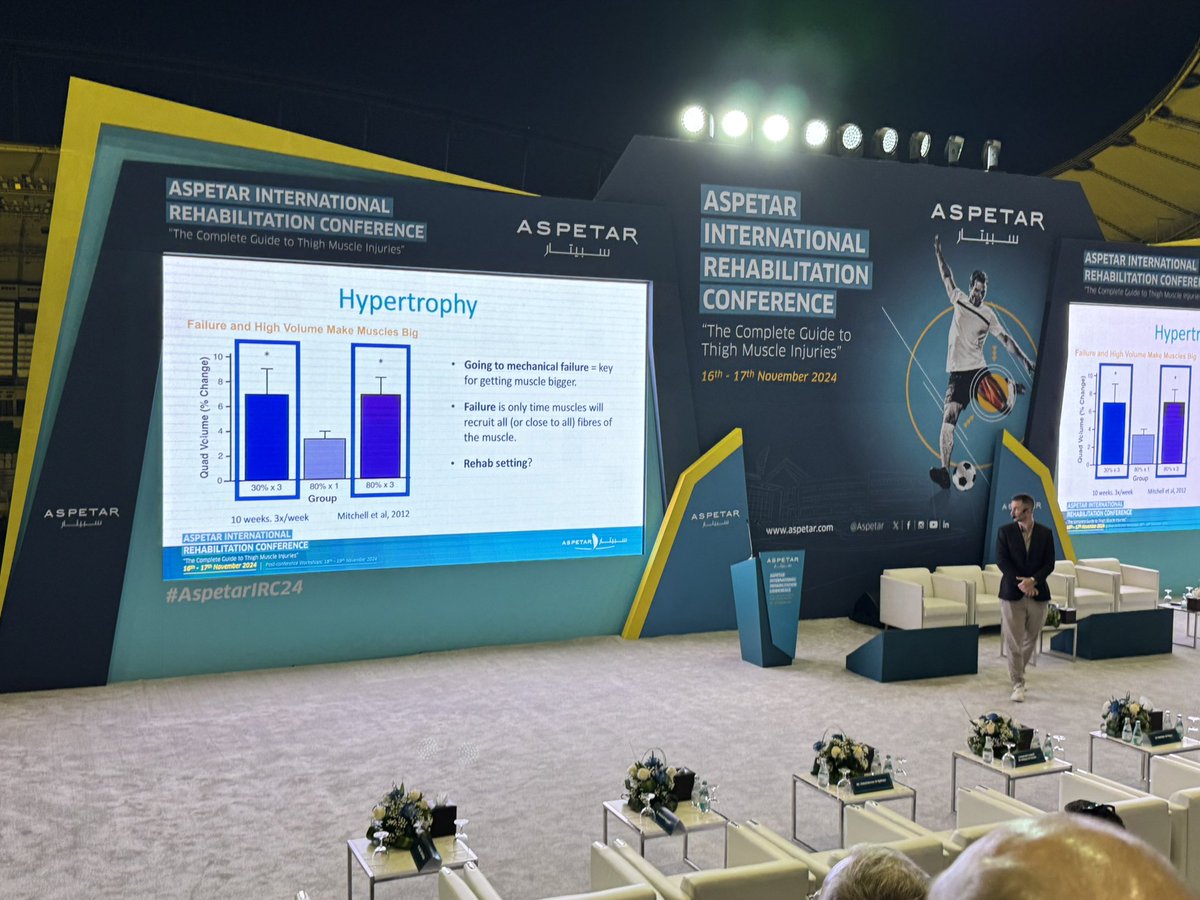
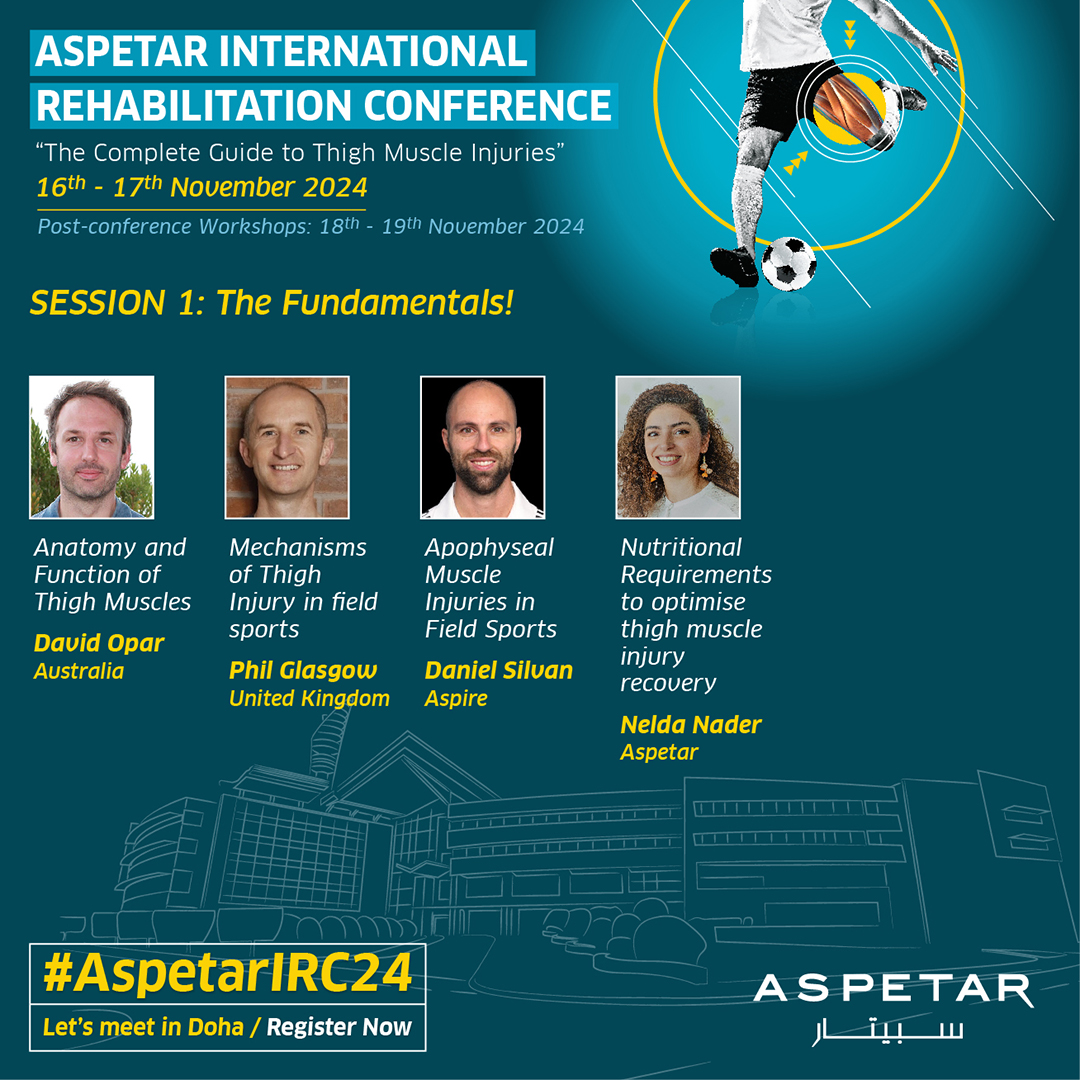
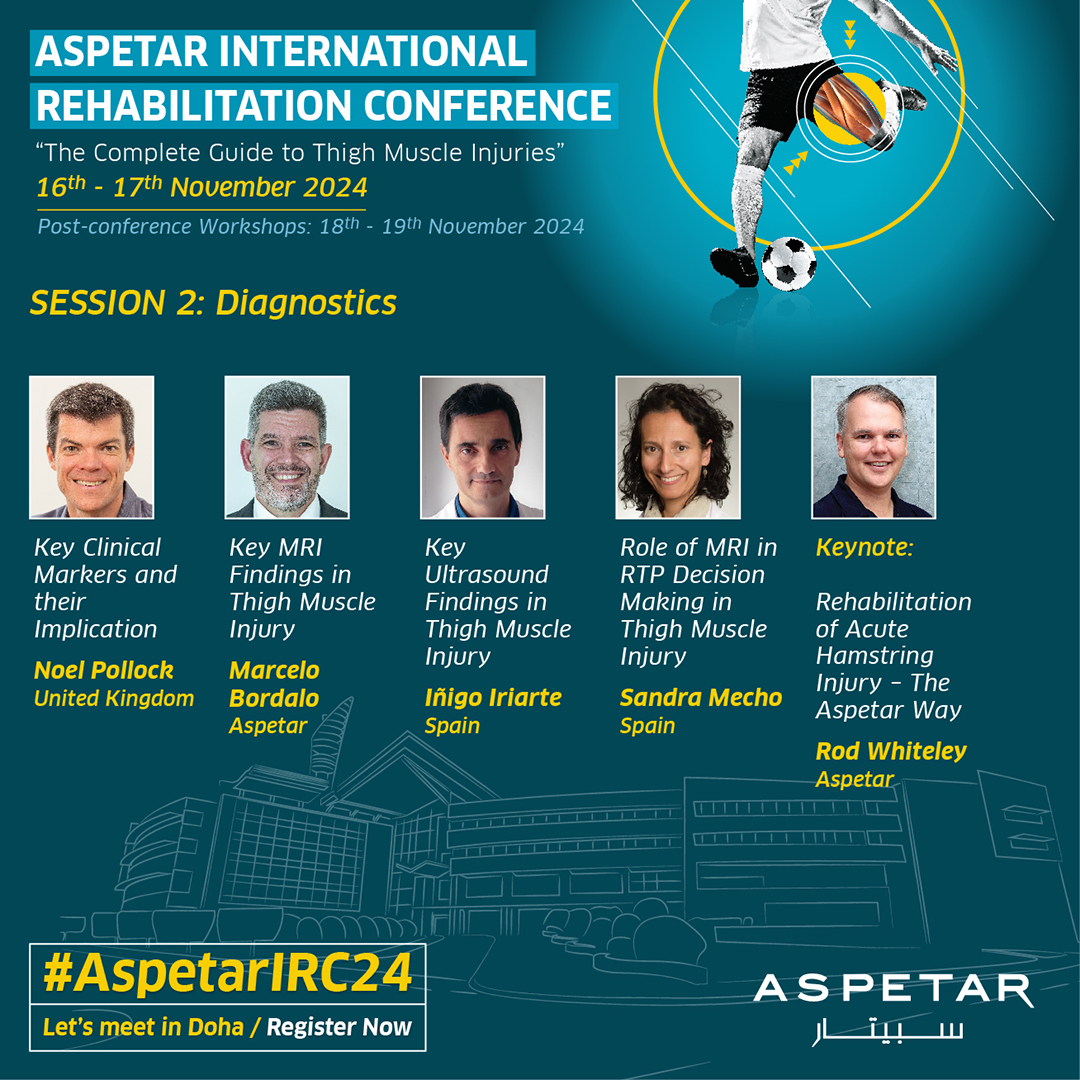
What a week @Aspetar with #AspetarIRC24!!!
Almost 600 attendees enjoying 30 world leading faculty from all around the globe! 🌍
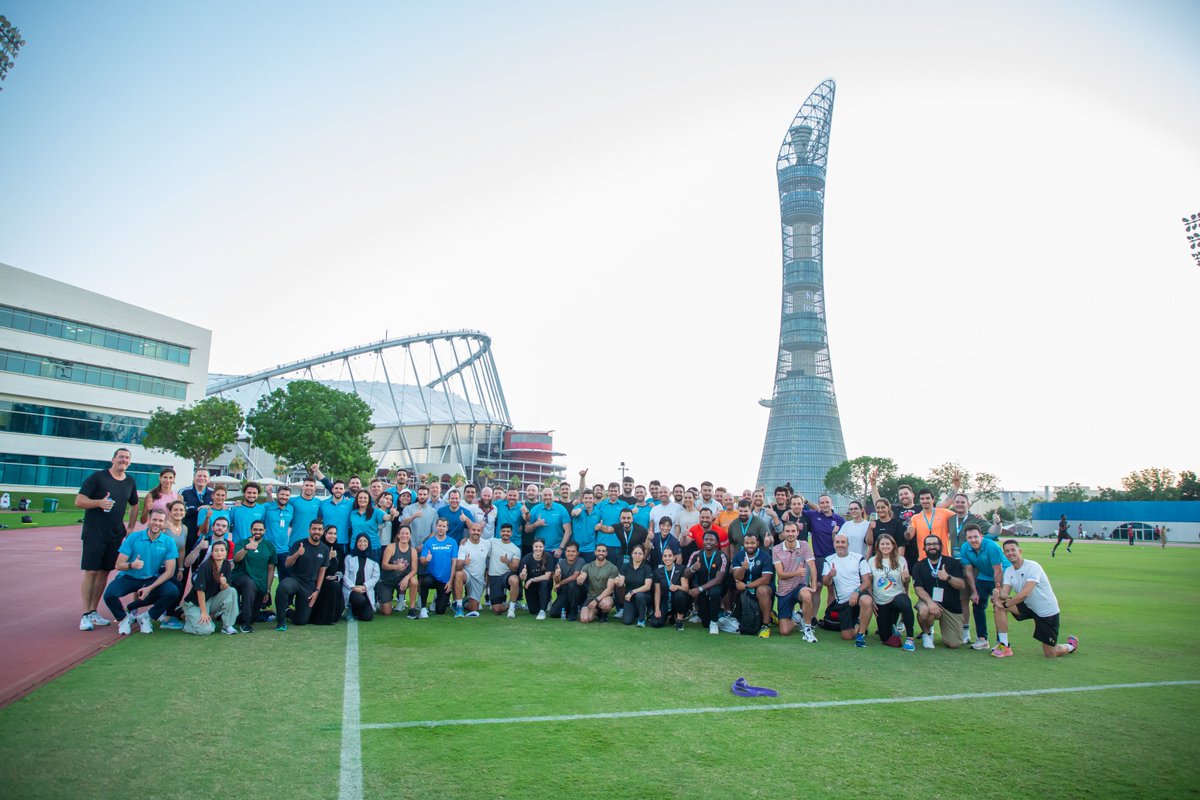
Over 150 attendees enjoying pre and post conference workshops delivered by 30 Aspetar staff! 🤓
A fantastic research meeting with over 30 world leaders in the management of rectus femoris hamstring injuries with many exciting projects coming down the line! 👨💻
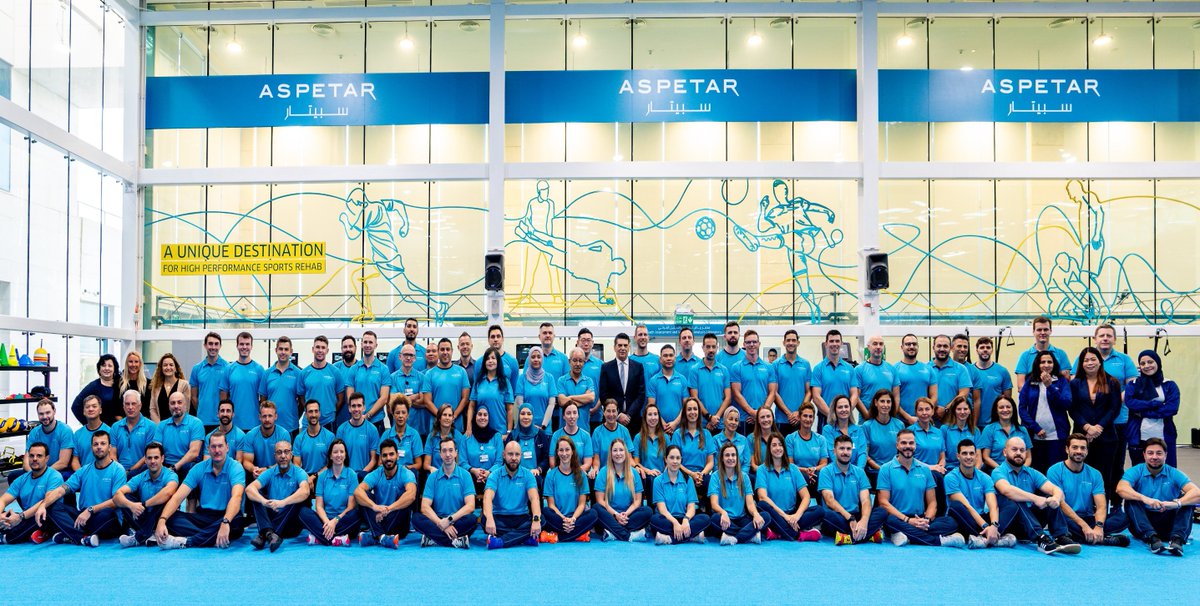
Such a privilege to be lucky enough to work with such an amazing team!
Onwards and Upwards 💙
Final Session of Day 1⃣ at #AspetarIRC24
🏋️♂️🏋️♂️ Strength Training Insights: The session highlighted the importance of early loading, maintaining overall strength during injury, and key considerations for hamstring and quadriceps exercises. Engaging discussions provided new perspectives on training strategies.
The usefulness of the fibrillar pattern and pennation angle in the ultrasound diagnosis of muscle injury
A 17-year-old patient who, while braking while playing football, feels a sharp pain in the anterolateral region of the proximal third of the thigh that prevents him from continuing to play sports.
Typically, the axial plane (the short axis of the muscle) is used to study fibrillar tears, with a high diagnostic sensitivity. However, on many occasions, it can be easier to scan through the long axis of the muscle to visualize the different muscle fascicles and the pennation angle in their entirety, being able to make the diagnosis by observing the interruption and loss of tension of the muscle fascicles associated with the loss of the normal pennation angle.
In the present case, the normal fibrillar pattern is initially visualized in the medial region of the rectus femoris muscle until the presence of a fibrillar tear in the posterolateral myofascial junction of its proximal third, where there is a sudden interruption of the fibrillar pattern due to the presence of an intramuscular hematoma.
Never a better/more cost effective time to visit Doha!!
Discounted flights and accommodation for all conference attendees!!
See you in 10 weeks time!
https://t.co/HTw8vrvQqj
🚨Have you seen a NON rectus femoris degloving muscle injury before ?
➡️ Check out our latest article to find about them!
⚽️ Semimembranosus and adductor longus degloving tears in soccer players
👉🏼 Read here: https://t.co/3abBG7tWoB
@PauloHelito@DrJuanMAlonso
We are delighted to open registration to this years Aspetar International Rehabilitation Conference
World Class Faculty 🧠
World Class Venue 🏟️
Beautiful time of year to visit Doha 😎
Post Conference workshops in muscle injury and ACL!
Book quickly to avoid disappointment