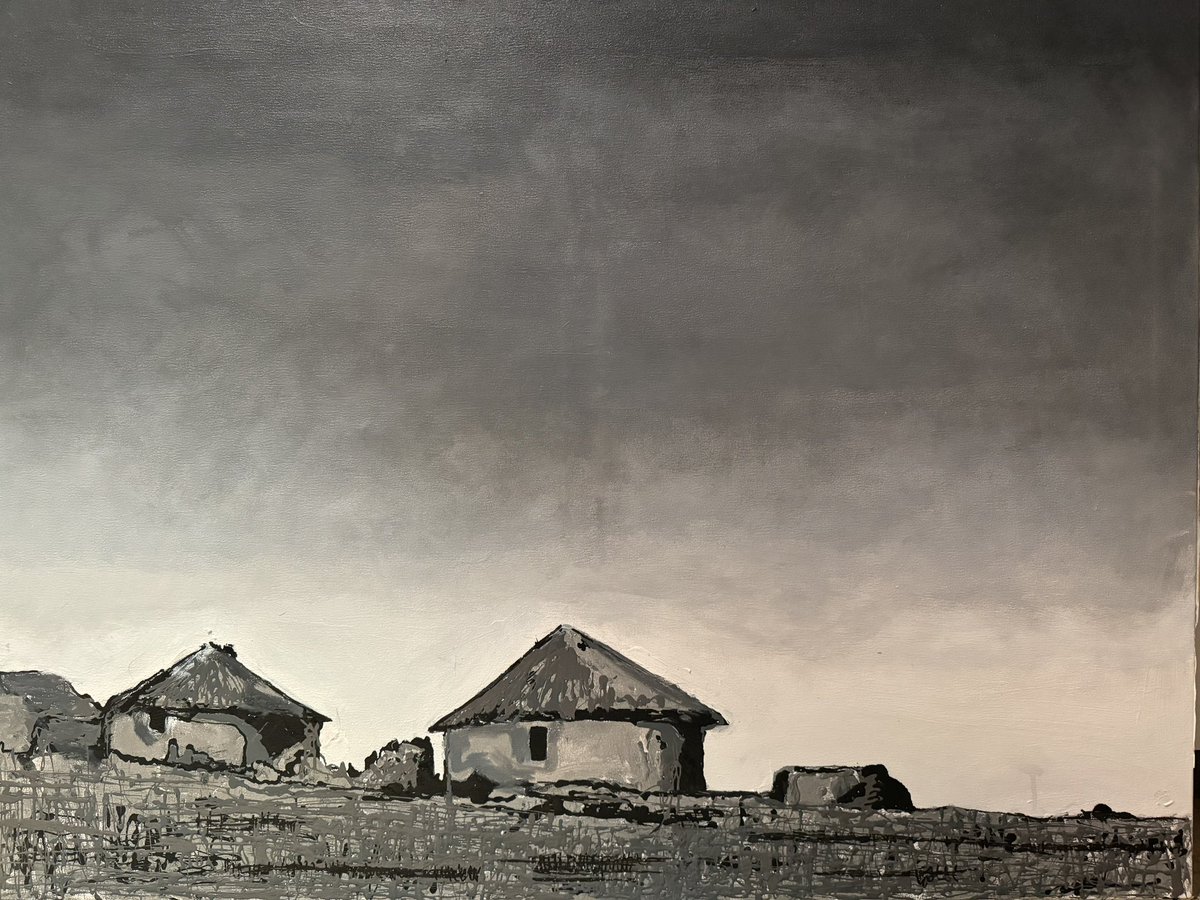
In this era of artificial intelligence, it is becoming urgent to distinguish human art from what machines produce. There is an ontological difference, even before an aesthetic one, between art and what a machine can generate through statistical calculation based on millions of images created by others. Algorithms lack the spark of humanity. For this reason, the Church wishes to renew an alliance with artists and cultural institutions to safeguard our humanity.
In the words of Nelson Mandela: it always seems impossible until it’s done.
My friends, it is done. And you are the ones who did it.
I am honored to be your Democratic nominee for the Mayor of New York City.
Ryan Coogler, the director of Black Panther and Creed, breaks down each film format and the many ways you can see Sinners on the big screen. Sinners, shot on KODAK 65mm film is only in theaters April 18. #SinnersMovie
Software engineers are highly-paid farmers, tending their crops by hand.
We just invented the combine harvester.
The world is going have a lot more food and a lot fewer farmers in very short order.
@aycawe I did my MSc on this very topic—we proved that foreign earnings from wool exports yielded unprecedented rural development gains in virtually all areas along the ‘Wool Belt’
Job Maseko, a WW2 hero, sank a NAZI ship with a bomb made from a tin can with condensed milk. He was denied the highest military decoration, due to his race.
A THREAD!
Let’s be clear: DeepSeek r1 isn’t about who “races faster”—it’s about the inherent flaw in closed models. The future of AI isn’t owned by those who hide code or stockpile chips. It’s built on trust, and trust requires transparency. When models are black boxes, you surrender control over data privacy, culturally aligned ethics, and post-training customization for real world scenarios. That’s not leadership—it’s liability.
China’s pretraining consolidation proves a simple truth: AI is becoming a commodity. The real value lies not in the model but in what you do with it. Why waste billions reinventing closed-source base models when the market craves applications that solve poverty, climate crises, or healthcare gaps? Labs clinging to secrecy risk irrelevance—like doubling down on fax machines as email took over.
Consider the irony: Today, free models come from quant firms while “nonprofits” charge premiums for access. OpenAI’s pivot from “open” to walled gardens betrays the very ethos that birthed modern AI. Meanwhile, market economy principles prevail: restrict access, and replacements emerge.
The lesson? Trust beats control. Open models engage developers. Closed models breed suspicion—and suspicion fuels replacement. How to “maintain leads”? Stop gatekeeping. Build open infrastructure the world trusts, like the internet.
History doesn’t reward those clinging to scarcity. It rewards those who empower the many. The choice is yours.