“La idea de que la gente abandonará sus creencias irracionales ante la solidez de la evidencia presentada ante ella es en sí misma una creencia irracional, no apoyada por la evidencia”. George Lakoff
Satisfación no productiva: la que te da haber detectado callejones sin salida en un proyecto, pero aún así no haber podido persuadir lo suficiente en pro de conseguir los objetivos. El sentido arácnido x lo menos sigue intacto.
https://t.co/T1rsV863Ro
Si este tipo de noticias, no te hace replantearte el estado real de control y supervisión de la IA por parte de sus máximos promotores, yo ya no se que necesitas para darte cuenta:
https://t.co/dsGN5qHdWC
Y me refiero a la gente del sector. Evidentemente para gente ajena a esto, es comprensible que tengan expectativas hinchadas sobre lo que la IA puede hacer.
Sam Altman, Dario Amodei, Demis Hassabis and many others have signed a letter urging Congress to increase security on orders of synthetic nucleic acids - and the equipment needed to make them - as models continue to become increasingly bio-capable.
El Gobierno debería caer sólo con que la mitad de la mitad de la mitad de lo que se cuenta aquí fuera cierto.
Pero todos sabemos que no pasará nada. Qué desgracia.
#XSS flaws are everywhere.
With the unwelcome introduction of #ageVerification, now attackers can steal special category, highly-sensitive data directly from your wallet.
How?
Replace the QR code and await the inevitable.
The user has *absolutely no way* to confirm if the QR code is genuine or served by an attacker, so instead of data going to the website they trust... it's sent to the attacker.
@Corsario2025@Recuenco Es la condena que tiene cualquier marco de pensamiento. Siempre queda la excusa universal:
"Eso no era verdadero X. No se implementó de manera correcta"
X : Agilismo,CPS, DevRel o cualquier marco que se quiera usar.
Been there, suffer that 🤷
We built four malicious skills to test whether skill scanners actually work. Three took less than an hour to conceive and implement. ClawHub, Cisco, and Vercel's https://t.co/nUlnRcQWyG marked them as safe. 🧵
Nada resulta más sencillo que incrementar la seguridad en un ámbito definido de forma arbitraria y mediante medidas igualmente arbitrarias, sin detenerse a considerar qué efectos tendrán esas decisiones sobre la seguridad en otros terrenos. Por desgracia, esta manera de razonar encaja perfectamente con la visión de los elegidos y con la lógica habitual de la política.
Buena parte del discurso político presenta los problemas como si fueran compartimentos estancos que pueden resolverse de forma aislada. Sin embargo, en la realidad casi todas las decisiones implican compensaciones dentro de un sistema más amplio, condicionado por limitaciones inevitables de recursos, información, tiempo y conocimiento. Lo que se gana en un lugar suele tener un coste en otro, aunque ese coste permanezca fuera del foco del debate público.
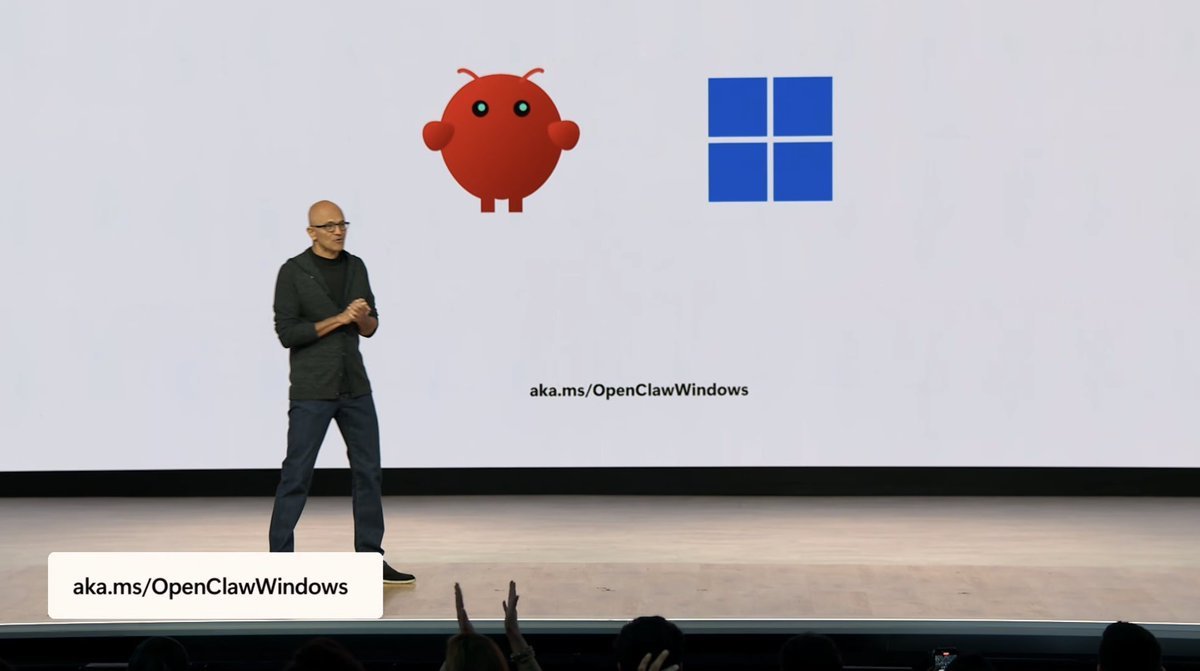
"You can run OpenClaw inside your company now." Annoucing our work with @Microsoft to bring OpenClaw to the Microsoft and Windows ecosystems. Claws now work securly in the enterprise.
Sabeis aquel aforismo que decía:
Si te mienten una vez, no es tu culpa. Incluso si te mienten dos, tampoco.
Calcule ud el límite de N para no considerarle un mermao
Buen video-resumen de dimes y diretes sobre IA. Ignora el título (un poco baity). Pero viene bien para "recuperar" cierta perspectiva temporal:
https://t.co/RzupOU80Ao
Further, because I called them "bad engineers", I want to clarify that I don't really view any of this as their personal fault or moral failing.
These companies expressed an extraordinary demand for software engineers, and so these people responded to the market incentives. But when you hire a cohort this large, you necessarily have to lower the bar. It is what it is.
And to the misfortunate of these engineers, it's clear that the on-the-job training in a lot of places is astoundingly weak, for a variety of reasons. (Managerial fiefdoms, maintenance-focused engineering, etc.)
By the way, all I really look for are people who understand their tools. I want people who like computers and have the curiosity to get to know the tools they use, so they can be a little more effective on the job. A hint of passion for the work, revealed by expertise.
But I talk to tons of candidates who have no interest in computers and feels like they somehow got memed into SWE cause it's the next doctor/lawyer/whatever.
And I'm talking to mostly senior candidates -- can you imagine working in a stack for five, ten years and never really taking the time to understand what's going on? always reading the docs, just enough to solve the immediate problem, then instantly forgetting? muddling through with some kind of bare minimum of half-knowledge? Man, this feels bleak