@ChrisVannini So the cost of ~16 Olympic athletes at TTU and their 4-year education to buy out 2 opponents to get a football game scheduled. But college sports will definitely be ruined if the SBA isn't amended, right
said it for years, it would be illogical & irresponsible for those responsible for these problems to be the ones solely tasked w/fixing them. Revised: One one thing more irresponsible: Cruz, Cantwell, and co. trying. Cantwell's admitted to never having seen a university-athlete agreement.
@ScottDochterman Breaking away and not following 'rules' that required Congressional support are different things. That P4 leaders thought it was smart to pay millions in salaries to people relying on algorithms to decide 'fair market value' and Congress to help them was certainly a decision
@heitner If there's no actual MG attached with a payment schedule then it's simply meant to mislead athletes - in keeping with how these institutions/NCAA operate mostly. What happens when you don't call a spade a spade.
@HousetheMouse It's absurd to think that college sports as an industry is so unique that rules should apply that would cause global revolution if adopted in other industries and its participants.
@marcisenberg much easier to vilify agents and players & disregard the universities, coaches and GMs (not all of them, mind you) who are lobbying their own interests & trying to negotiate deals with athletes & exclude not just their representation but their families as well. pot meet kettle
and apparently after decades of no organization or person who practices and is expert in marketing having cracked the 'code' of defining fair market value, an organization (CSC) led by an attorney overseeing a consultancy that relies almost exclusively on an algorithm says they've done it and their decisions on FMV should be gospel in college sports...
@TC_Gillespie32 this is the circus that exists currently. Easy to deflect attention and vilify agents and players when coaches and schools are much bigger problems.
@NicoleAuerbach When the members (universities) of a membership organization (NCAA) don't agree with the rules that organization tries to impose, they'll simply figure out more moves to break away from that organization. Or just lean on their respective states to litigate their interests. Fun
@S_Beasley@ADavidHaleJoint Interesting, given the title of the contracts the athletes are signing with schools are literally called NIL agreements...therein highlighting the primary issue
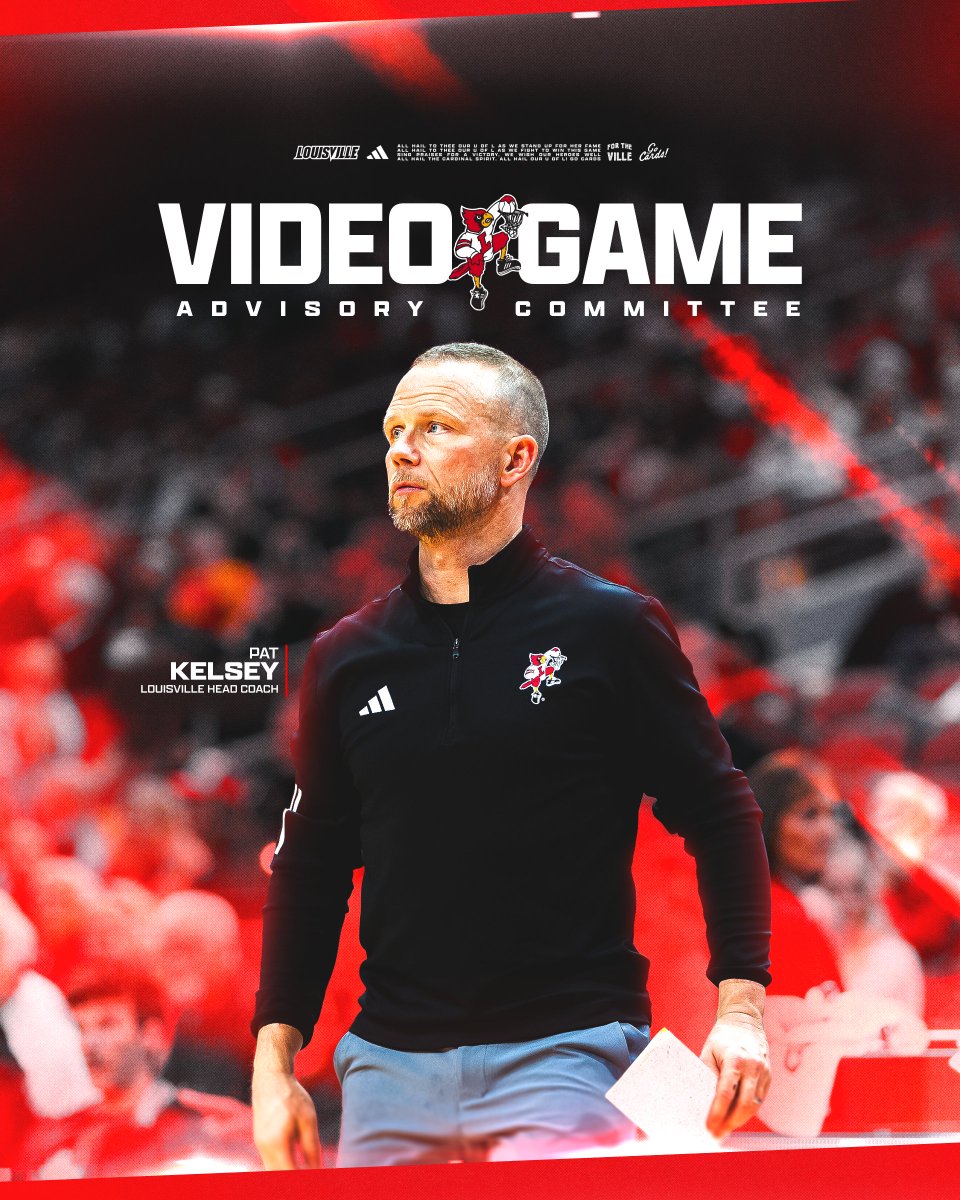
Coach @patkelsey has been tabbed to serve on the Video Game Advisory Committee, a new initiative designed to inform, engage and amplify college athlete voices in discussions around their representation in video games, including in NBA 2K!
Details: https://t.co/jAdjI4IVOn
#GoCards
Least they say the fundamental flaw out loud they and many other institutional powers want codified - unilateral ability to subsidize their own spending (and spending habits) by taking away from those who generate the majority of the value. 'Oh but they can still earn NIL money'
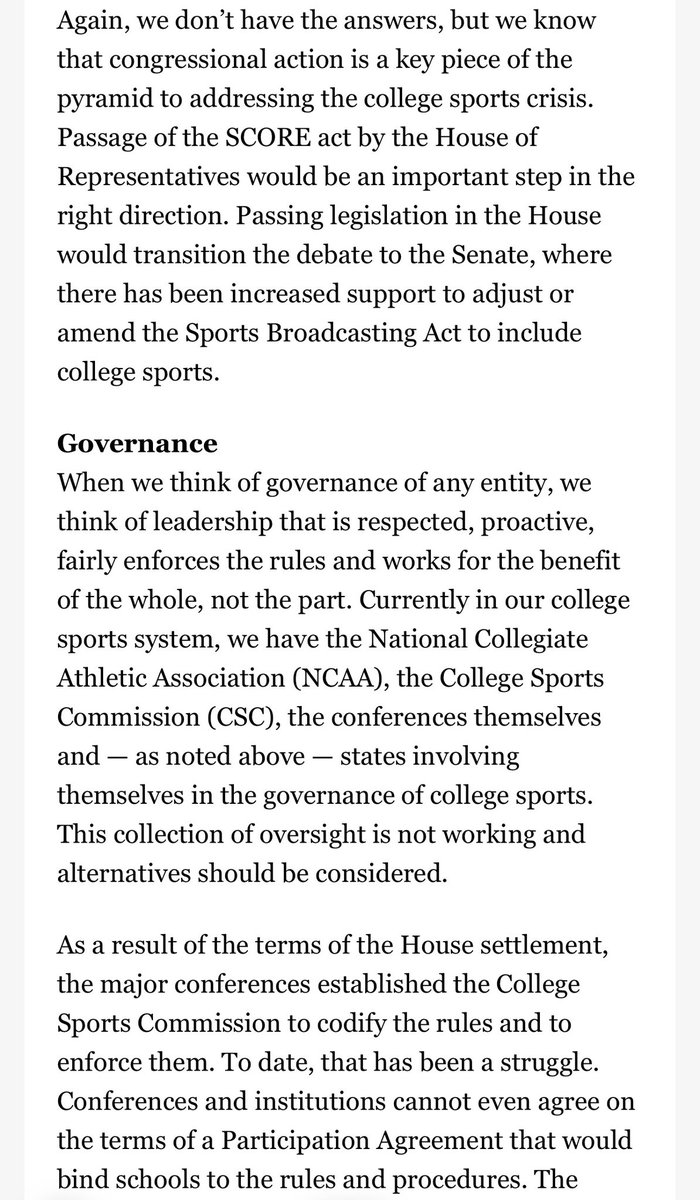
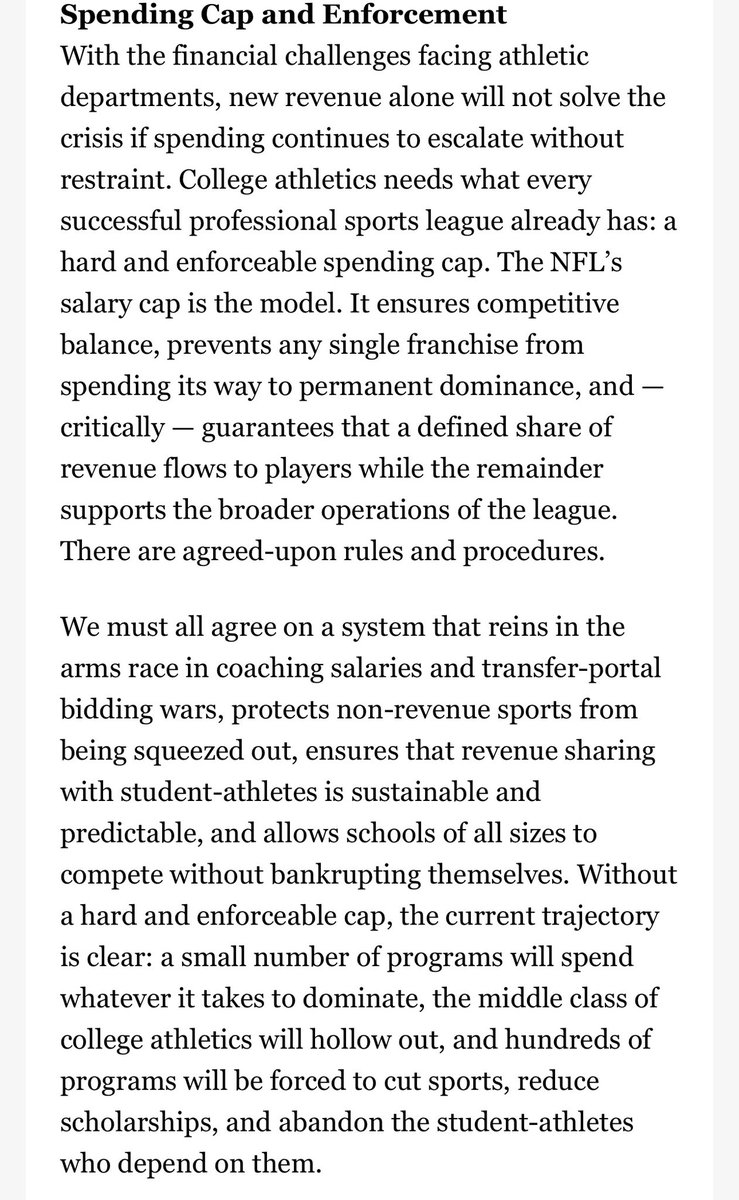
Louisville’s President, AD and Board chair wrote a piece explaining their preferred plan for college athletics governance moving forward.
It’s essentially supports the SCORE Act with some added elements from the SAFE Act.
One notable wish list item is a hard salary cap.
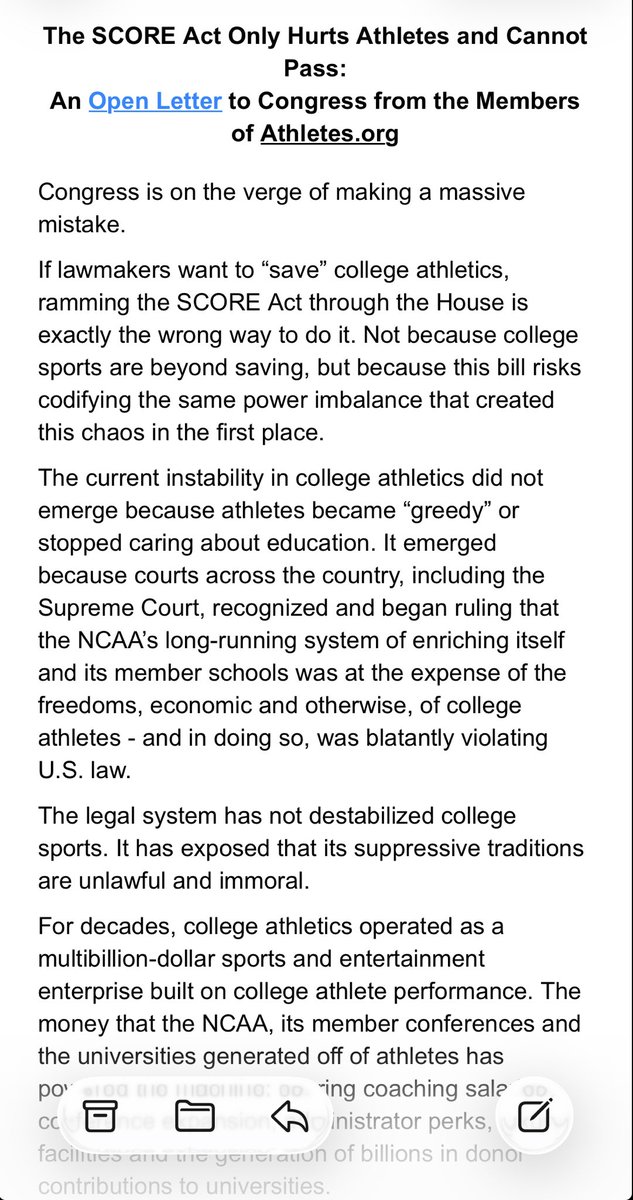
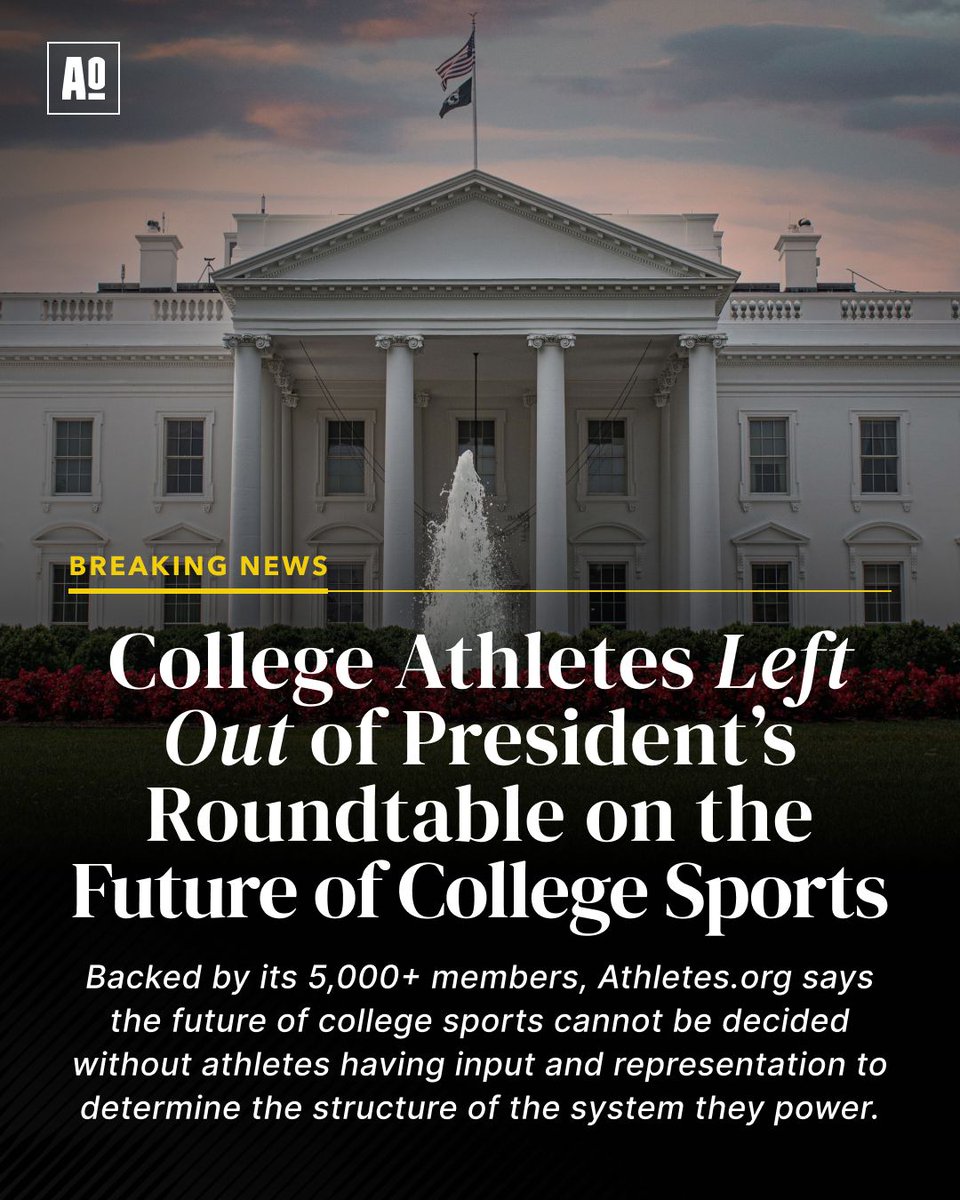
Decisions about college sports are being made without the athletes who make the game possible. AO is speaking up.
Read the full statement at https://t.co/6bXXzsPBID
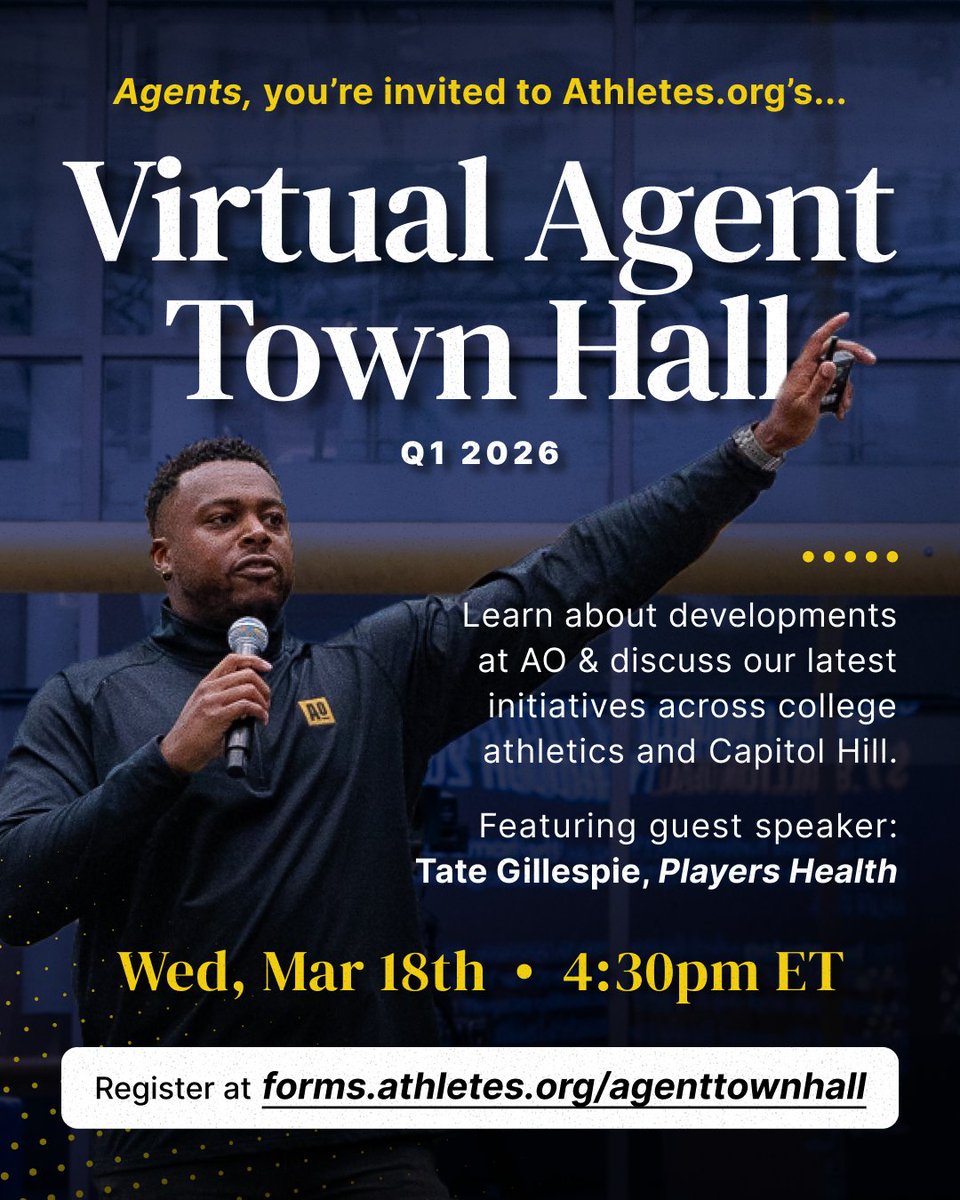
Are you an agent currently working or interested in the collegiate space?
If so, you’re invited to our Q1 Virtual Agent Town Hall on Wednesday, March 18 at 4:30 PM EST
Register today: https://t.co/P0yx7e3mmg
It's not the 'wild west' - it's the continued race to the bottom. Remember that some of these states have also tried to pass legislation that only grants high school NIL rights to athletes who have committed to play for state universities. Because that's quite reasonable...
Mississippi is the latest to consider "No Tax on NIL" legislation, a sweet carve out for college athletes.
The bill's author has heard the complaints, but defends his reasons. And despite the uproar, it’s a trend that likely spreads to more states seeking to help their teams (even the pros?).
Column for @ESPN https://t.co/mnga7MwL7s