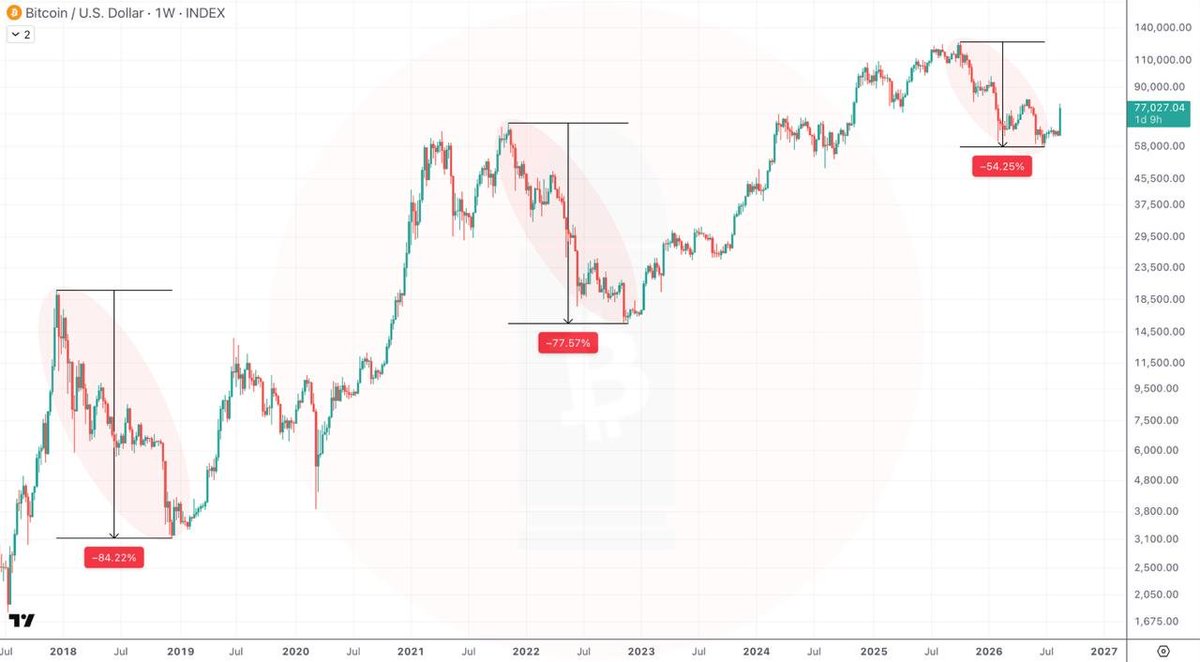
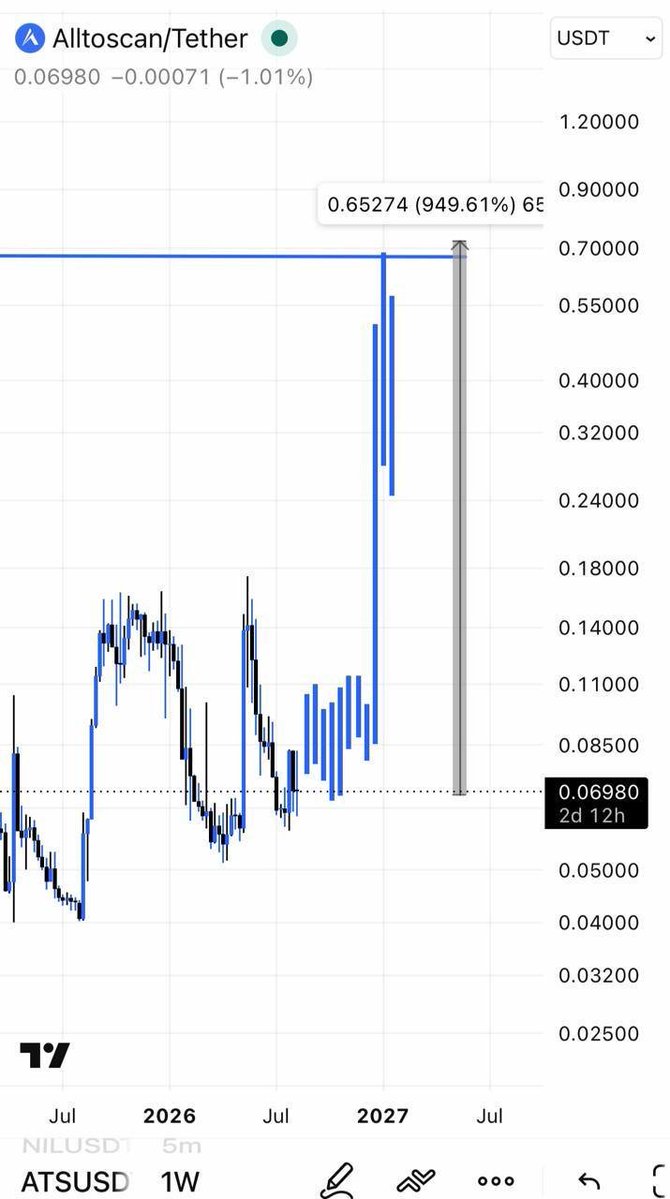
Calling a drop from $126K to $58K “just a pullback” is wild 😭
That’s a -54% move from the top.
At some point, we have to stop changing the definition just because we still want the bull market narrative 😂🥴
🚨THIS IS THE LARGEST SHORT LIQUIDATION STREAK IN CRYPTO HISTORY
The crypto market has wiped out more shorts in 4 days than in the previous 48 days combined.
Shorts lost $3.787 billion in those 4 days, while longs lost just $687 million.
The single worst window came at 20:00 UTC on August 19, when $941 million of shorts went in four hours.
The market can move fast, but your decisions don’t have to.
A sudden rally can make everyone feel late. A sharp drop can make everyone panic. In both cases, emotion usually arrives before understanding.
That’s why chasing the move is rarely the best first reaction.
Before doing anything, ask what actually changed.
Was there important news?
Did trading volume increase?
Is the move part of a bigger trend or just a short-term reaction?
Has market sentiment shifted, or is everyone simply following the same candle?
Crypto moves in cycles. Rallies can cool off. Corrections can recover. Bullish periods can turn bearish, and bearish periods can eventually change too.
The goal is not to guess every move perfectly.
It’s to understand the environment well enough that FOMO doesn’t make the decision for you.
Sometimes the most valuable thing you can do is watch, learn, and wait until the market makes more sense.
Know what you’re seeing before you chase what already happened.
#Binance #BinanceAcademy #LearnWithBinance
Binance Blockchain Week is more than just another crypto event.
It’s where builders, companies, investors, creators, and users come together to talk about what is actually changing across blockchain and digital assets.
And for me, the most interesting conversations are not just about price.
I want to hear more about real adoption, regulation, security, payments, tokenization, Web3 infrastructure, and what needs to happen before blockchain becomes easier for everyday users.
Events like Binance Blockchain Week are useful because they bring different sides of the industry into the same room. You get to hear how builders see the future, what institutions are looking for, what users still struggle with, and where the biggest opportunities or challenges may be next.
It’s also a reminder that crypto is much bigger than daily charts.
Behind every market move, there are teams building products, improving infrastructure, working on security, exploring new use cases, and trying to make blockchain more practical.
If I had the biggest names in blockchain in one room, I’d probably ask one simple question:
What does crypto still need to fix before the next billion users arrive?
That’s the kind of conversation I’d want from Binance Blockchain Week.
#Binance #BinanceBlockchainWeek #BinanceAcademy #LearnWithBinance
Binance bStocks are an interesting example of where traditional markets and blockchain are starting to meet.
In simple terms, bStocks are tokenized securities that give eligible users exposure to selected U.S. stocks. Each bStock is backed 1:1 by the corresponding share held with a regulated custodian.
But there’s an important difference from buying a traditional stock.
When you buy a regular stock through a broker, you directly own a share in that company. With bStocks, you hold a tokenized security linked to the underlying stock rather than becoming a direct shareholder of that company.
The experience is also more crypto-native.
Binance says bStocks can trade 24/7 on its Spot market, settle quickly, and operate as BEP-20 tokens on BNB Smart Chain. Eligible users may also be able to move them to compatible self-custody wallets.
So the easiest way to remember it is:
Traditional stock = direct share ownership.
bStock = tokenized exposure backed by the underlying share.
That doesn’t make one automatically better than the other. They simply have different structures, rights, trading environments, and risks.
Before exploring bStocks, always understand what the token represents, how the backing works, what economic benefits are included, and whether the product is available in your region. Binance states that access is limited to eligible users in permitted jurisdictions.
Tokenization is making the line between traditional finance and crypto more interesting—but understanding what you actually own still comes first.
#Binance #BinanceAcademy #LearnWithBinance
Crypto isn’t only about buying low and selling high.
There are also crypto earning products, which let eligible users put supported digital assets into specific products and potentially earn rewards over time.
A common example is Binance Simple Earn, where users may find options like Flexible and Locked products.
Flexible products usually give you easier access to your assets, while Locked products may require you to commit them for a set period under different reward terms.
The important thing is not just the rate shown on screen.
Before using any earning product, check how rewards are calculated, whether the rate can change, when you can redeem, what risks apply, and whether the product is available in your region.
Crypto earning products can be another way to use assets you already hold, but they are not guaranteed income and they are not the same as a traditional savings account.
Understand the product first. Then decide if it actually fits your goals and liquidity needs.
#Binance #BinanceAcademy #LearnWithBinance
Binance is becoming more than a place to simply buy and sell crypto.
What makes the ecosystem interesting is how many different parts of digital finance can connect through one account.
You can learn through Binance Academy, convert supported assets, explore Spot trading, manage funds through a wallet, use Simple Earn, access P2P, make supported payments, and explore other tools depending on your region and eligibility.
The real value of a financial super app is not having endless features.
It’s reducing the need to jump between different platforms for every small task.
Learn in one place.
Manage assets in one place.
Explore different products when you’re ready.
That can make digital finance feel much simpler, especially for users who are still learning how everything fits together.
Of course, every feature works differently and comes with its own terms and risks, so there’s no reason to use everything at once.
Start with what you understand, check what is available in your country, and gradually explore more as your knowledge grows.
For me, that’s the real idea behind Binance as a financial super app:
one ecosystem that can grow with the user instead of forcing the user to manage ten different apps.
#Binance #BinanceAcademy #LearnWithBinance
Getting your first salary is exciting, but the real win is learning how not to lose control of it.
A good starting point is to split your money by purpose instead of spending first and figuring things out later.
Keep one part for monthly expenses.
Keep another part untouched for emergencies.
Set aside something for yourself too, because enjoying your income is part of the process.
And only after that, think about investing.
The mistake many people make is jumping straight from “I got paid” to “where should I invest this?” without first building any financial cushion.
Investing should come after understanding your cash flow, your short-term needs, and how much risk you can actually handle.
You also don’t need to copy someone else’s budget percentages exactly. Your salary, responsibilities, and goals are different.
What matters is creating a system you can repeat every month.
Earn → organise → protect → save → learn → then invest.
Your first paycheck will come and go.
The habits you build around it are what really stay.
#Binance #BinanceAcademy #LearnWithBinance