Muchas gracias a @El_Intermedio y @andrearopero por el reportaje y la entrevistar a mi abuela, dando a conocer la masacre franquista sobre la población civil hace 83 años en Málaga. Que nunca se olvide semejante barbarie.
🔴 Ana Pomares es una de las pocas supervivientes que quedan de 'La Desbandá'. Le cuenta a @andrearopero lo que recuerda de aquel día: "Venían los aviones ametrallando, los buques tirando cañonazos; fue una carnicería". ▶ #elintermedio en DIRECTO: https://t.co/aVga1mVq9C
🇪🇸 @AlexPalou 𝒕𝒊𝒆𝒏𝒆 𝒖𝒏𝒂 𝒏𝒖𝒆𝒗𝒂 𝒄𝒊𝒕𝒂 𝒄𝒐𝒏 𝒍𝒂 𝒉𝒊𝒔𝒕𝒐𝒓𝒊𝒂.
El tetracampeón y líder de la IndyCar partirá desde la Pole Position en Indianápolis con el objetivo de reeditar su triunfo de 2025.
#PersigueAPalou#IndyCar
@lvaroZamoraTol1@VettelKuki@alomgc14 Pues Marc acaba de decir en Dazn que tenía una cirugía programada en el brazo tras el GP de Cataluña. Uno de los tornillos se ha movido y le toca un nervio. Así que ahí tenéis todos la respuesta
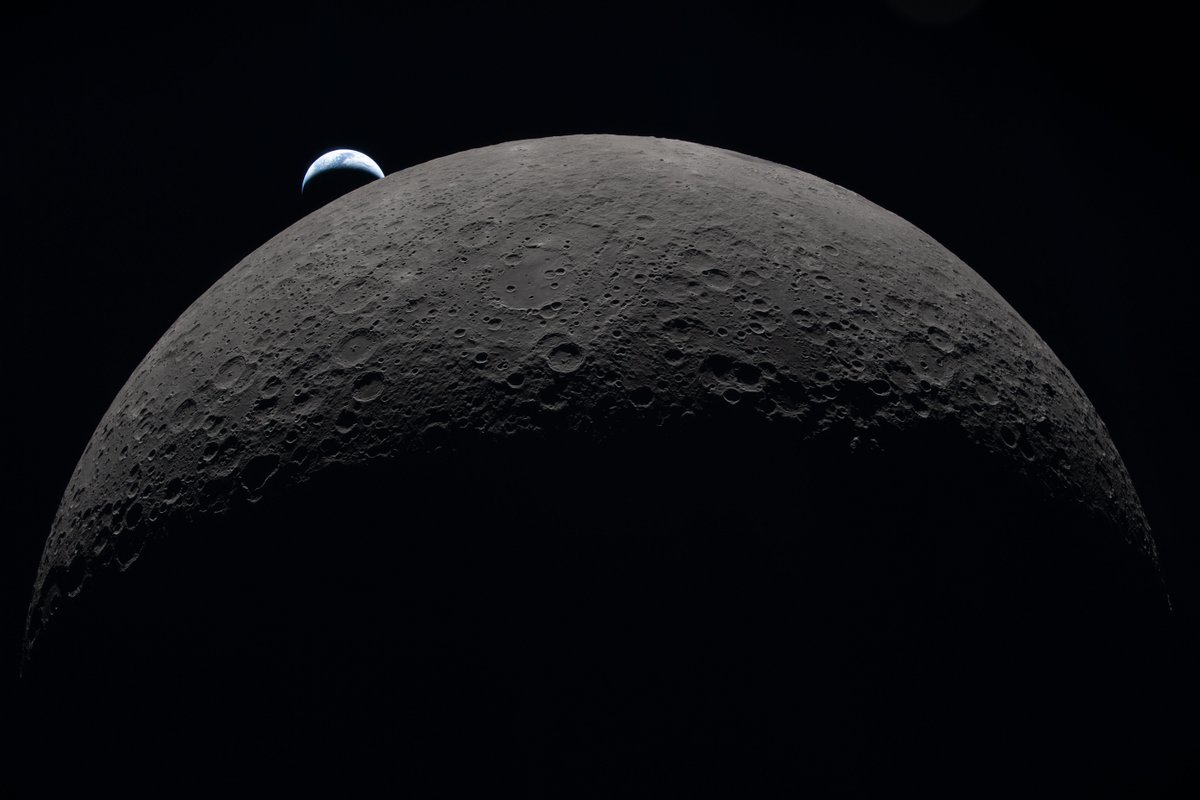
Hello, Moon. It’s great to be back.
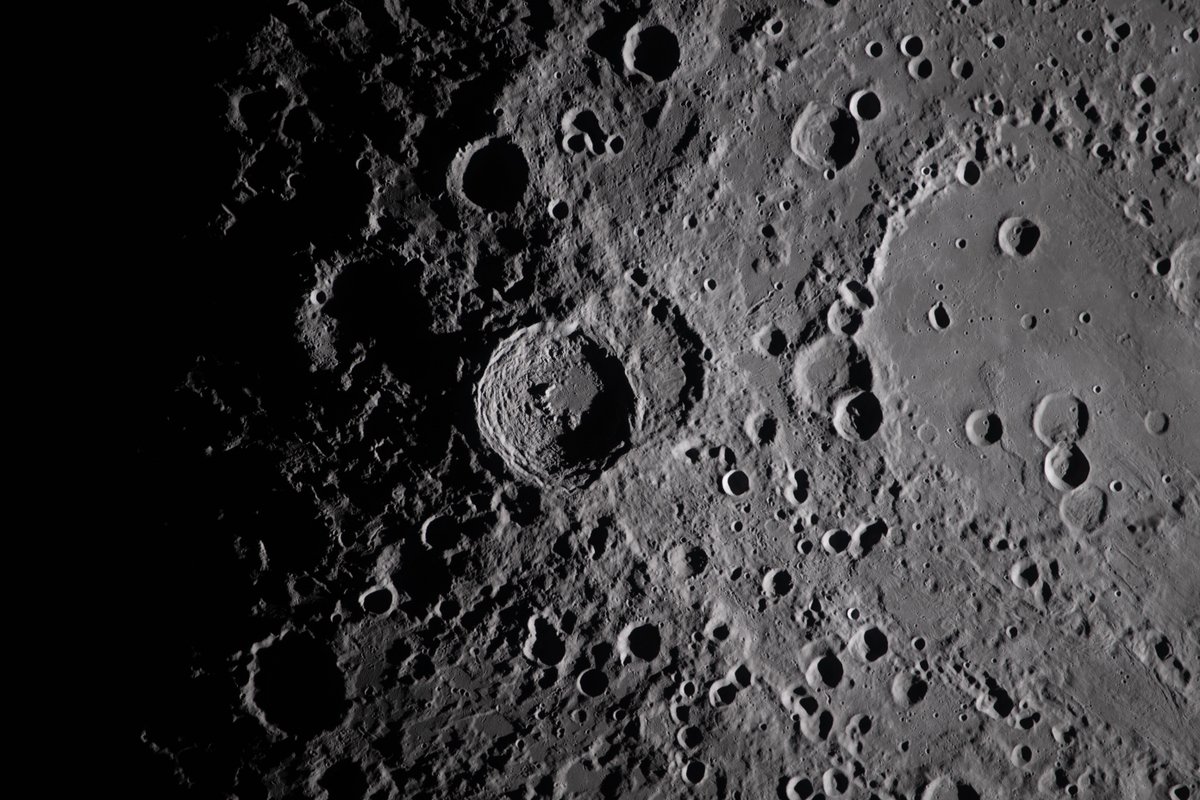
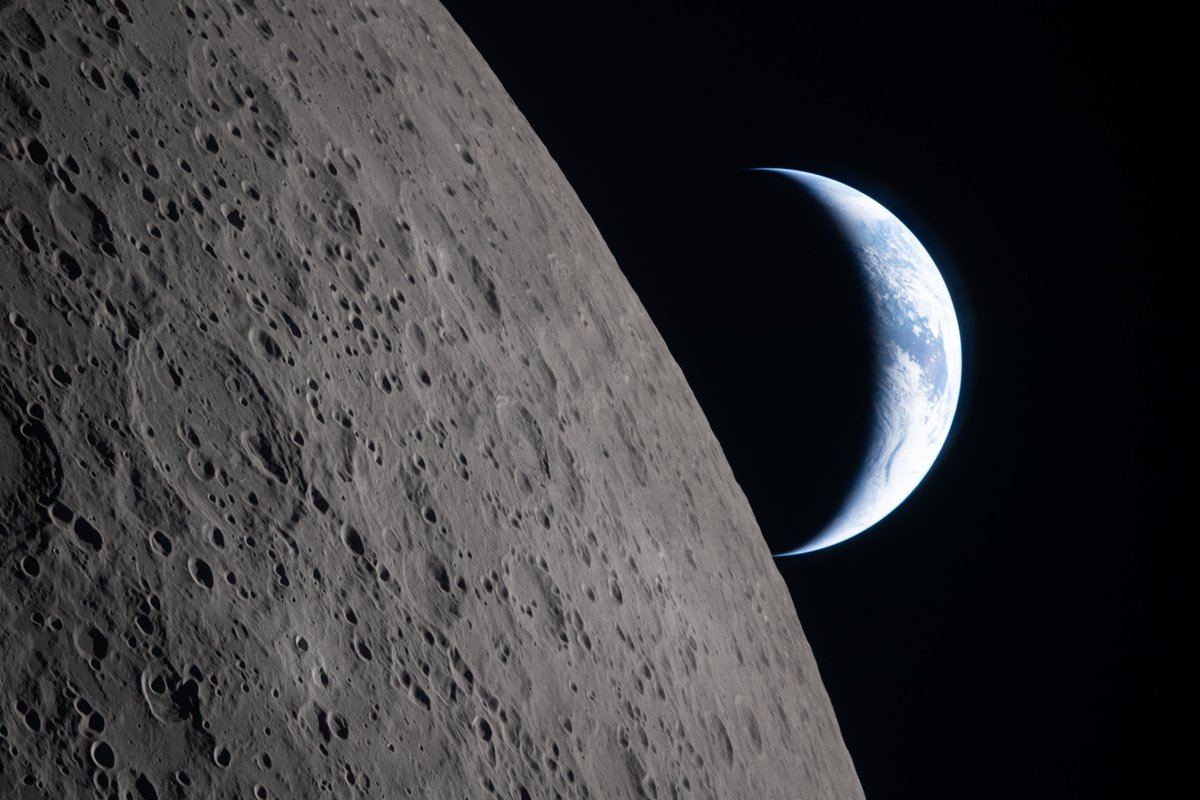
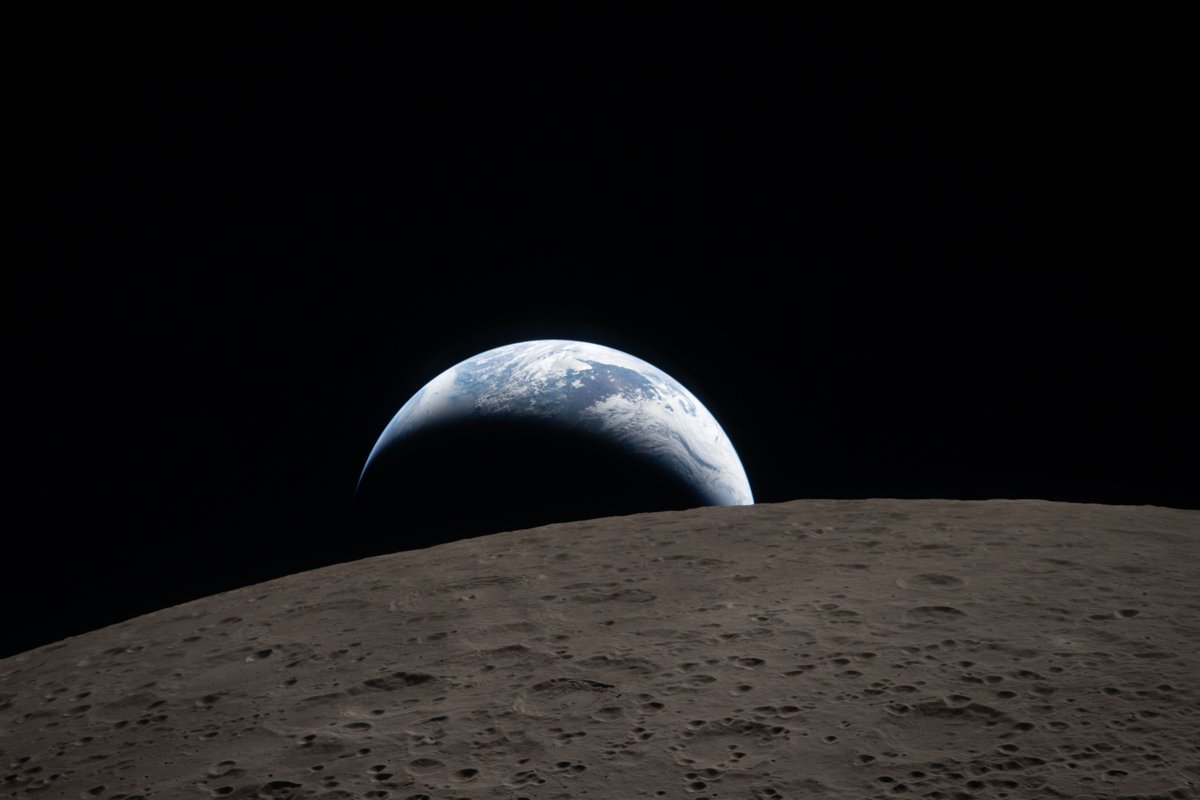
Here’s a taste of what the Artemis II astronauts photographed during their flight around the Moon. Check out more photos from the mission: https://t.co/rzM1P0QbOl
A new milestone for humankind: The crew of Artemis II are now the farthest any human has ever travelled, reaching a maximum distance of 252,752 miles from Earth.
This surpasses the previous record set by Apollo 13 in 1970 by about 4,102 miles.
Sweet dreams, @NASAArtemis II crew.
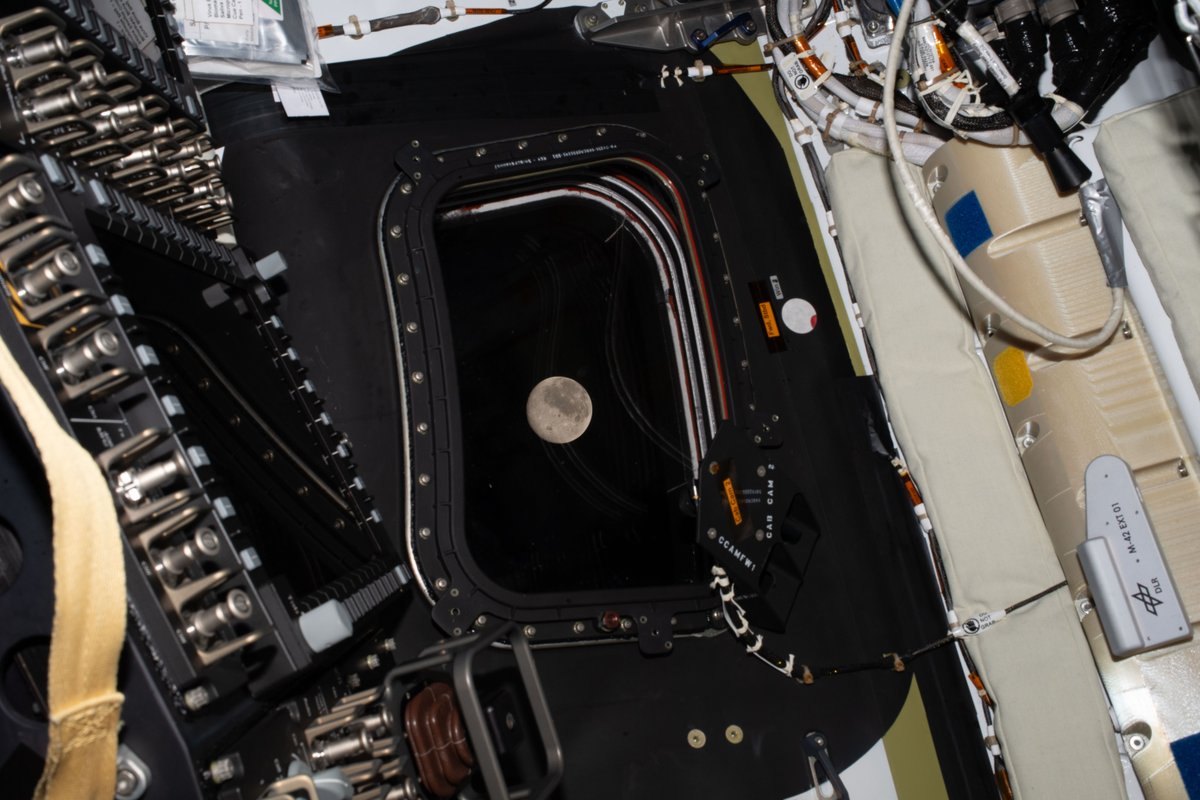
One last look at the Moon before flight day six and your epic lunar flyby, taking you farther into space than humans have EVER traveled.
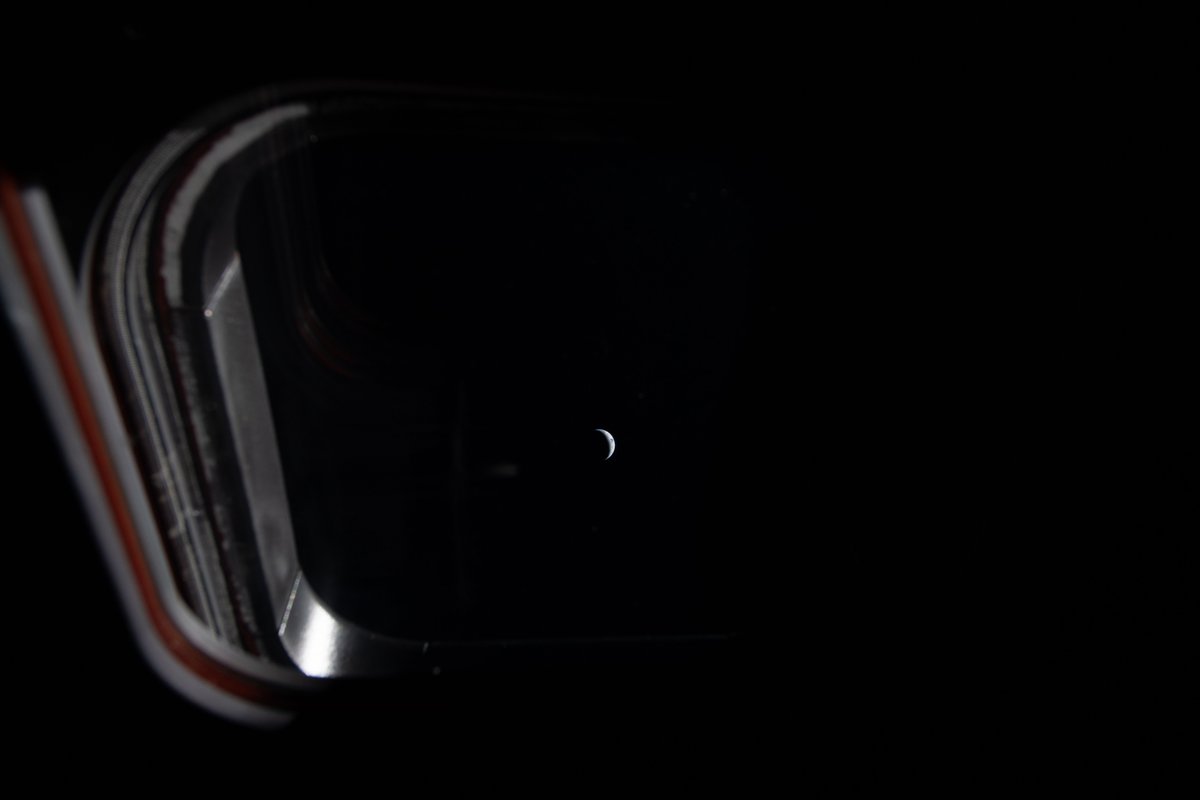
One last look at Earth before we reach the Moon.
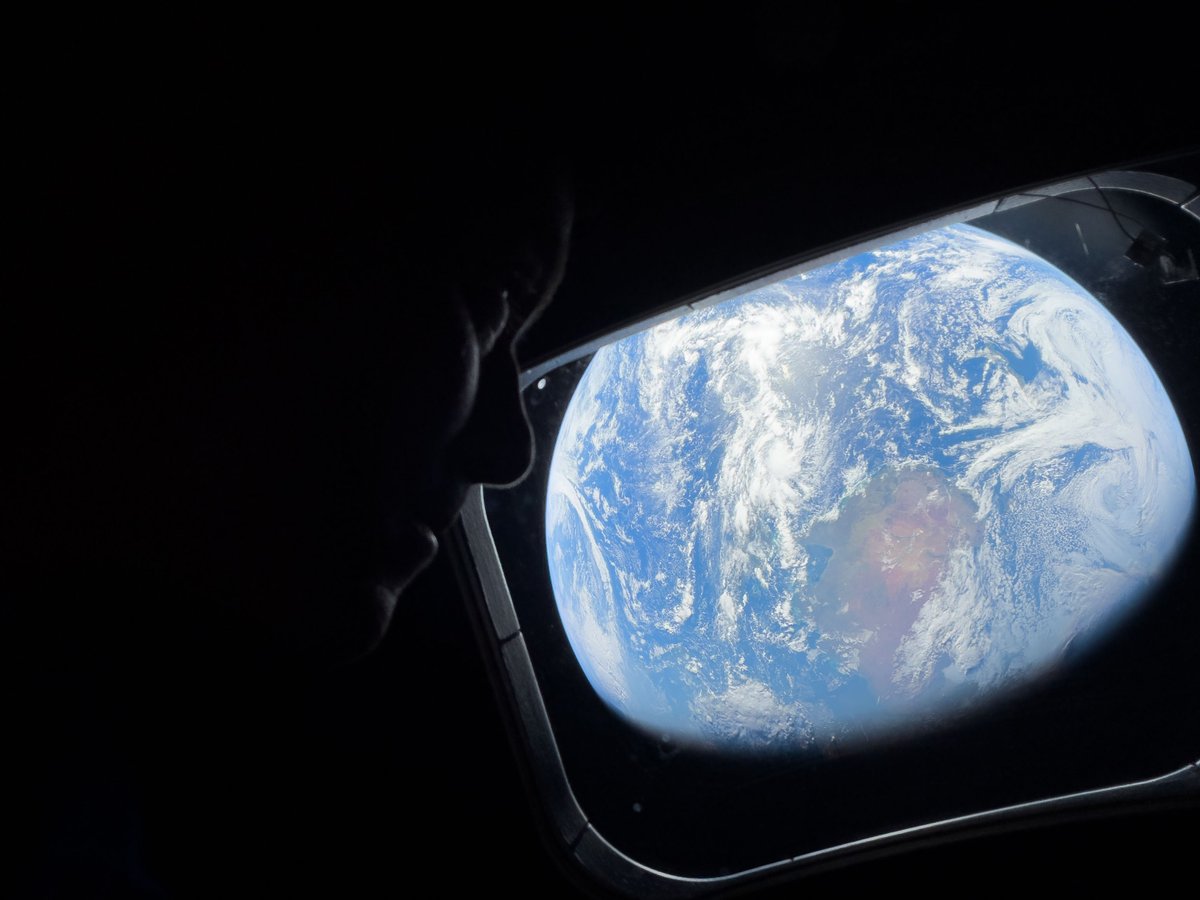
This view of the Earth was captured on April 5, the fourth day of the Artemis II mission, from inside the Orion spacecraft. The four astronauts will reach their closest approach of the Moon tomorrow, April 6.
Good morning, world! 🌎
We have spectacular new high-resolution images of our home planet, all of us looking back through the Orion capsule window at our Artemis II astronauts as they continue their journey to the Moon.
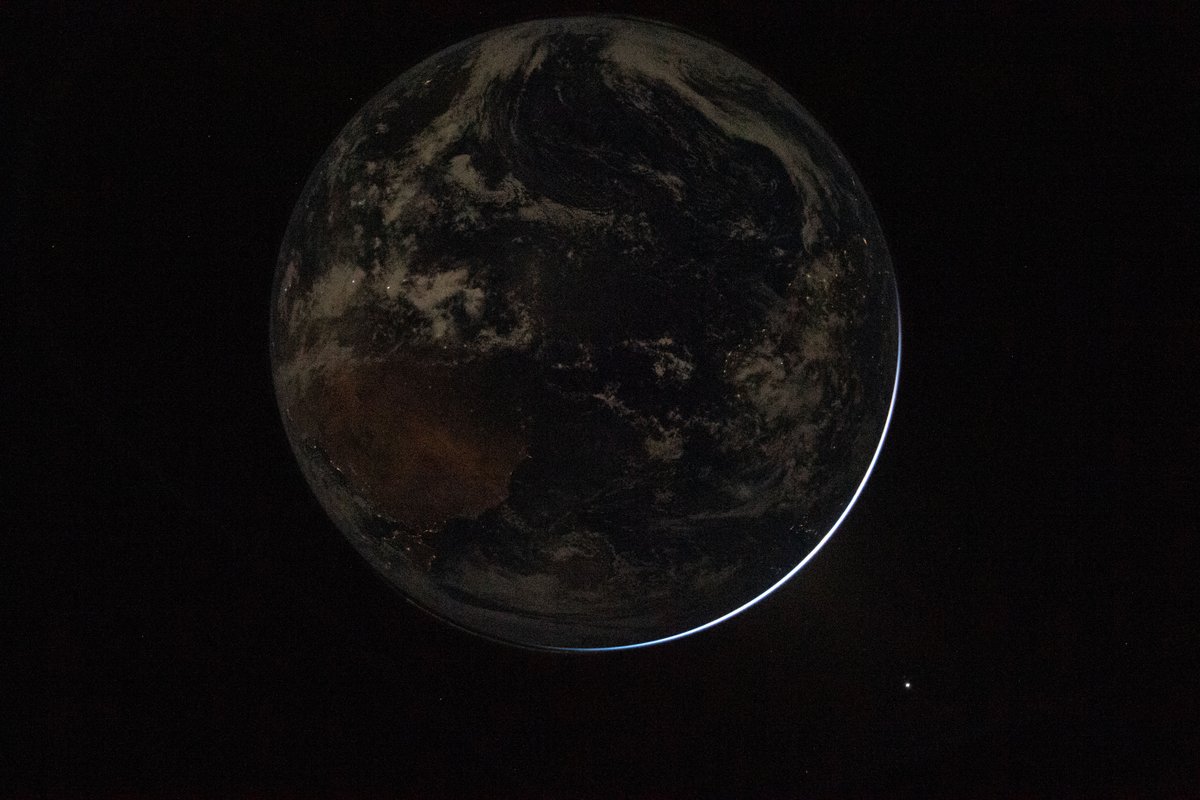
These two images were taken by @astro_reid only minutes apart. The stark difference is the result of camera settings. In the first, a longer shutter speed let in much more light from Earth, while the shorter shutter speed in the second emphasizes our planet's nighttime glow.
This just in—more images of Earth from Artemis II! 🤩
This view from @astro_reid shows the divide between night and day, also known as the terminator, as seen from the Orion capsule.
Even in darkness, we glow.
In this image of Earth taken by the Artemis II crew, we can see the electric lights of human activity. In the lower right, sunlight illuminates the limb of the planet.
We see our home planet as a whole, lit up in spectacular blues and browns. A green aurora even lights up the atmosphere. That's us, together, watching as our astronauts make their journey to the Moon.