Arriving at your inboxes today ... Katrina Yentch investigates the origins of Hainan chicken and how it gained popularity throughout Southeast Asia. Read more and get her recipe for khao man gai below! 🐔
https://t.co/j8RMe8M9ol
Khow suey is a lasting echo of a once-vibrant historical association between Myanmar and India. The popularity of this dish serves as an example of the geography-defying ability of recipes to travel and evolve. Read about khow suey from (@vidya83) below!
https://t.co/rO3BzYjnR7
The origins of traditional Philippine adobo are up in the air, but adobo as it's made today is threaded with bifurcations: cooking method and archetypal recipe; everyday fare and cultural emblem; meanings in the homeland and in the diaspora.
Have you ever had a bowl of noodles that changed your life? If you haven't, this udon made with hot soy, soft-boiled egg, butter, and black pepper from @hettymckinnon's "To Asia, With Love" just might be the one. Grab the recipe at the link below! 🍜
https://t.co/qiz5KES7qK
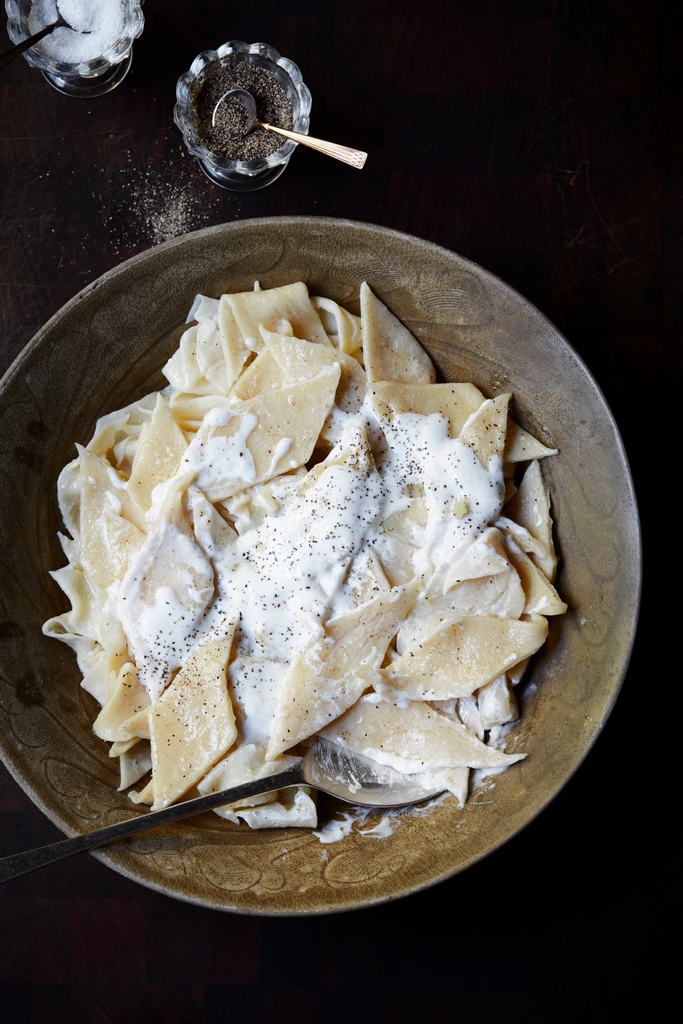
Tatar boraki doesn’t look like much—just diamond-shaped noodles served with butter and yogurt—but its story has deep roots in Gyumri. Read more from Kate Leahy about how this dish became comfort food for Gyumri (and grab the recipe for it from "Lavash") at the link in our bio!
Tua nao is a type of fermented soybean that is an essential ingredient in the Shan kitchen. Its depth of umami makes it ideal for vegans and vegetarians when cooking Southeast Asian cuisines. Read more about the ways to enjoy tua nao from @camcooks below.
https://t.co/LwWqbBemaj
Hakka noodles are wok-fried noodles with vegetables in a soy-vinegar sauce. Compared to other Indo-Chinese dishes, they are milder in spice, which highlights their other qualities—charred flavor from the wok, soy sauce, and acidity from vinegar. Photo via @homecookingcollective.
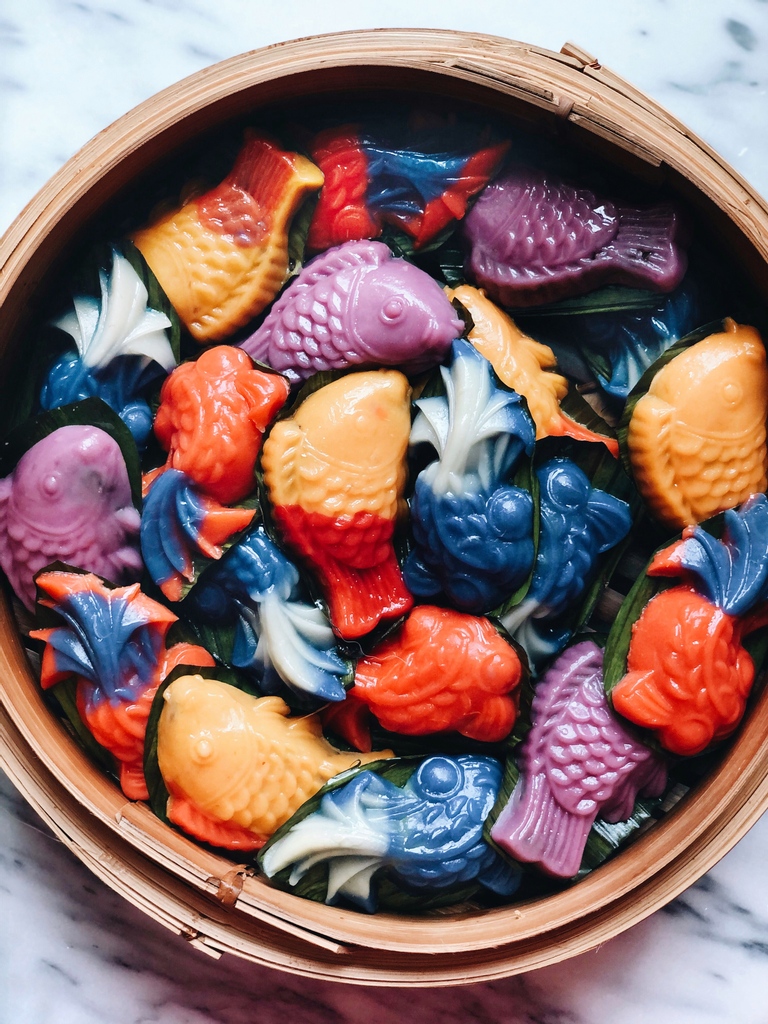
Angku in every color of the rainbow! 🌈 These Peranakan treats are made with rice dough sweetened with sweet potato and paste from hulled mung beans, then pressed into wooden molds. It comes out of the steamer shiny like a jewel. Photo used with permission from @myasiankitchen.
Indo-Chinese food is a popular fusion of two cultures pioneered by Chinese immigrants from generations past. Head to the link below to learn more about its roots from Karishma Pradhan and grab recipes for Schezwan chili paneer and Hakka noodles!
https://t.co/YS7mOe0GjM
Dal makhani is typically cooked on a slow fire, simmering for hours until the lentils turn creamy. If you don't have that time, though, this version from @TheRealManju's "India with Passion" takes under an hour to make! Check it out at the link below.
https://t.co/PlEbsOA49L
The second installation of "Crossroads" via @MikeSula, a column featuring stories and recipes from Asian immigrant families living and cooking in the United States, is here! This month's edition: St. Paul-based chef Yia
Vang.
https://t.co/lKZKyMD6ZT
If you are cooking fried rice at home, you’ll find endless variations using different ingredients, but this version from "Penang Local" by Aim Aris and Ahmad Salim is probably one of the simplest and best loved. Get the recipe at the link below!
https://t.co/Mb0mHVxE1o
On tonight's menu: stir-fried shimeji mushrooms with tofu. The slightly chewy texture of the mushrooms lends itself to this stir-fry, which you can easily throw together! The Dill Test Kitchen shared this a while ago for premium subscribers, grab it now at the link in our bio!
This light and summery salad with mint, roasted fennel, and pomegranate from Saliha Ahmed's "Khazana" is the perfect accompaniment to any roast meat. Grab the recipe below! @Mobius_Books
https://t.co/hXhGwAmB9v