El proyecto “Marzo, mes de las matemáticas” de la red de divulgación DiMa (con la colaboración de @FECYT_Ciencia ) organizará a lo largo de estos meses y hasta finales de marzo de 2021 una serie eventos de divulgación:
Inscríbete para más información: https://t.co/WkTWrjugfS
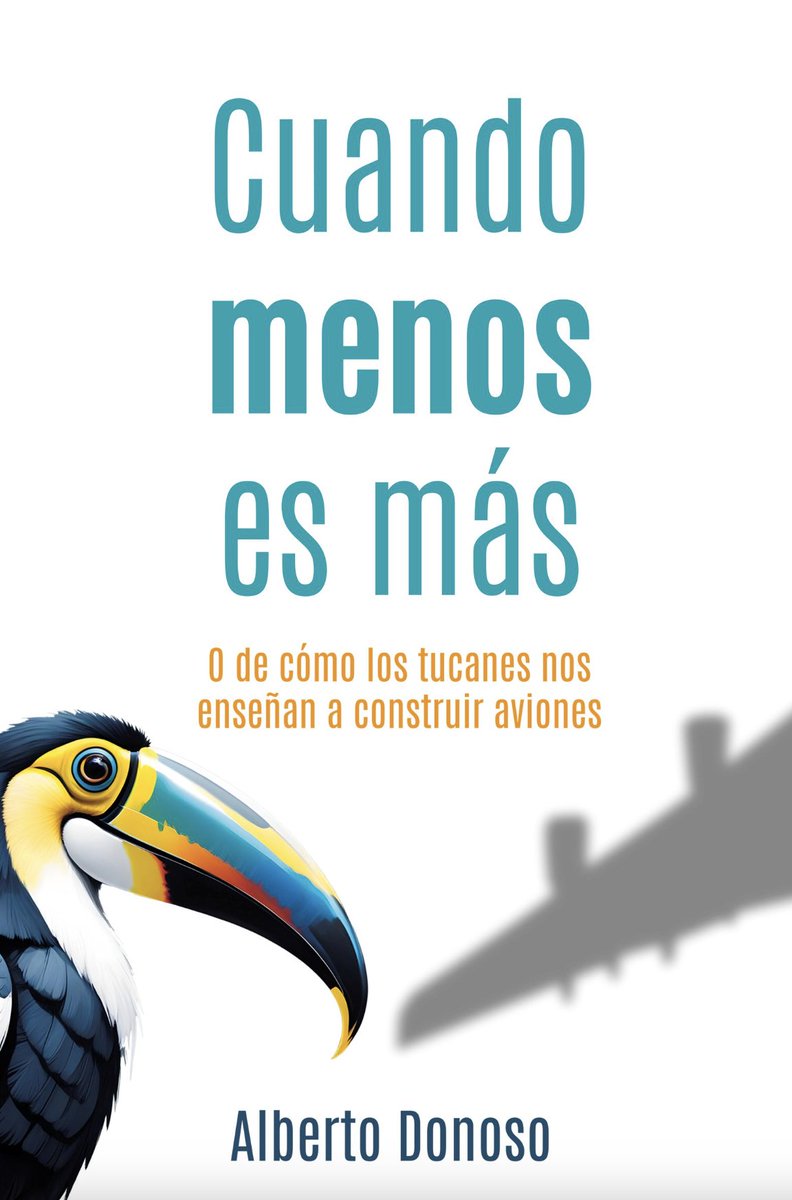
Hoy os lanzamos una recomendación literaria. Se trata del libro #CuandoMenosEsMas, de Alberto Donoso, una obra que explica cómo la #OptimizaciónTopologica puede revolucionar la forma en que construimos y diseñamos 📖 📖 📖
#Matematicas#libros
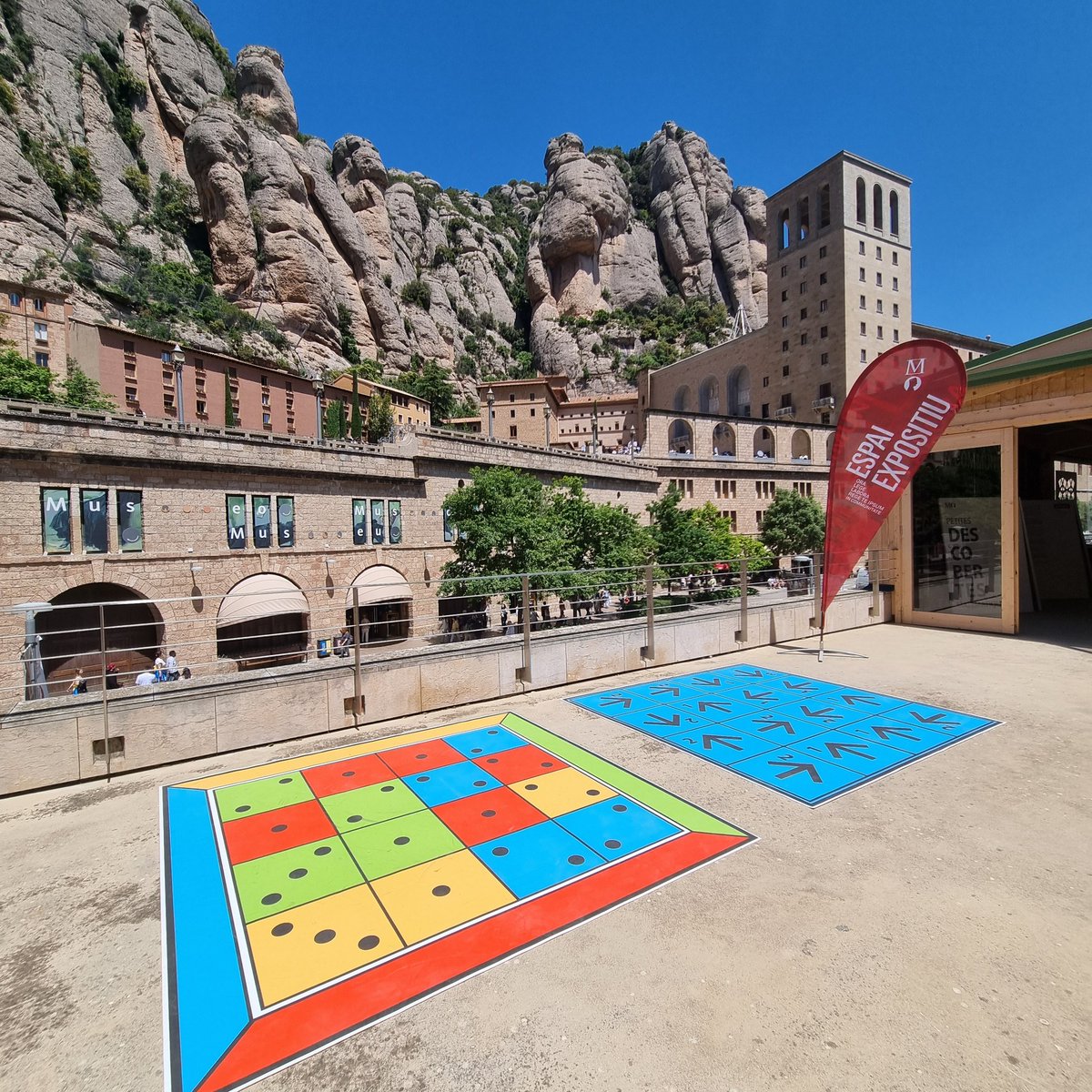
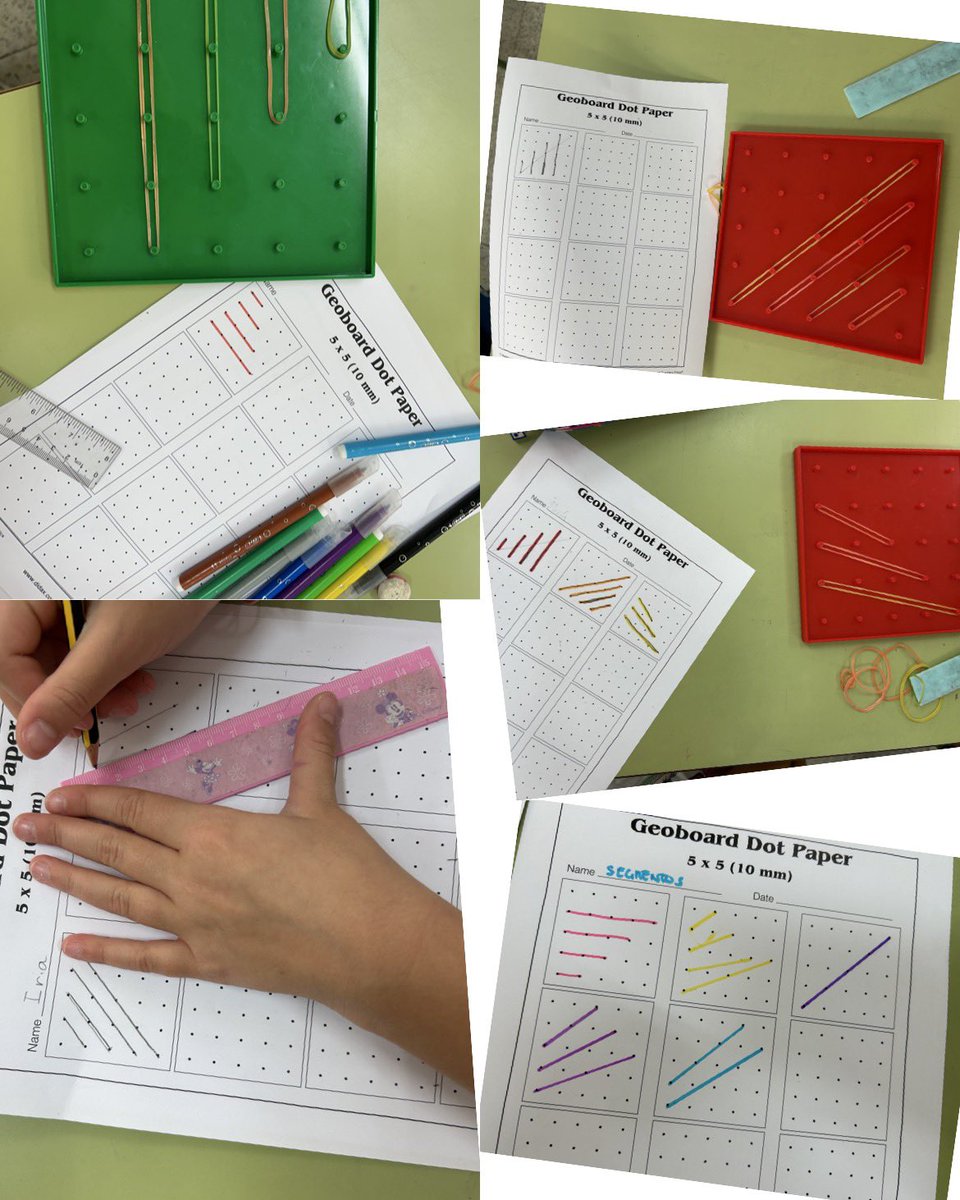
📢 Matemàtiques a la vostra agenda d’activitats! Fins al 20 de juny, cada divendres tarda, Miniexposició d’experiències matemàtiques al @MMACA_cat de Tarragona!
🔍✨🔢 Descobriu el poder de les matemàtiques, cada divendres de 17 a 20 h, a l'Avinguda Ramon i Cajal, 70 (IMET).
Mathematics, geometry, mystery.
Perspective packing. A beautiful alignment.
Animation by Matthew Hughes, @tasty_plots, https://t.co/lfFA7eEZOo, Used with permission.
Mathematics.
A creative representation of the 20th row of Pascal’s Triangle, in binary. I like all the zeros, looking at me with unblinking eyes, as if from the depths of the cosmos.
By John D. Cook, @JohnDCook, https://t.co/7DSVFSh9Sf, Used with permission.
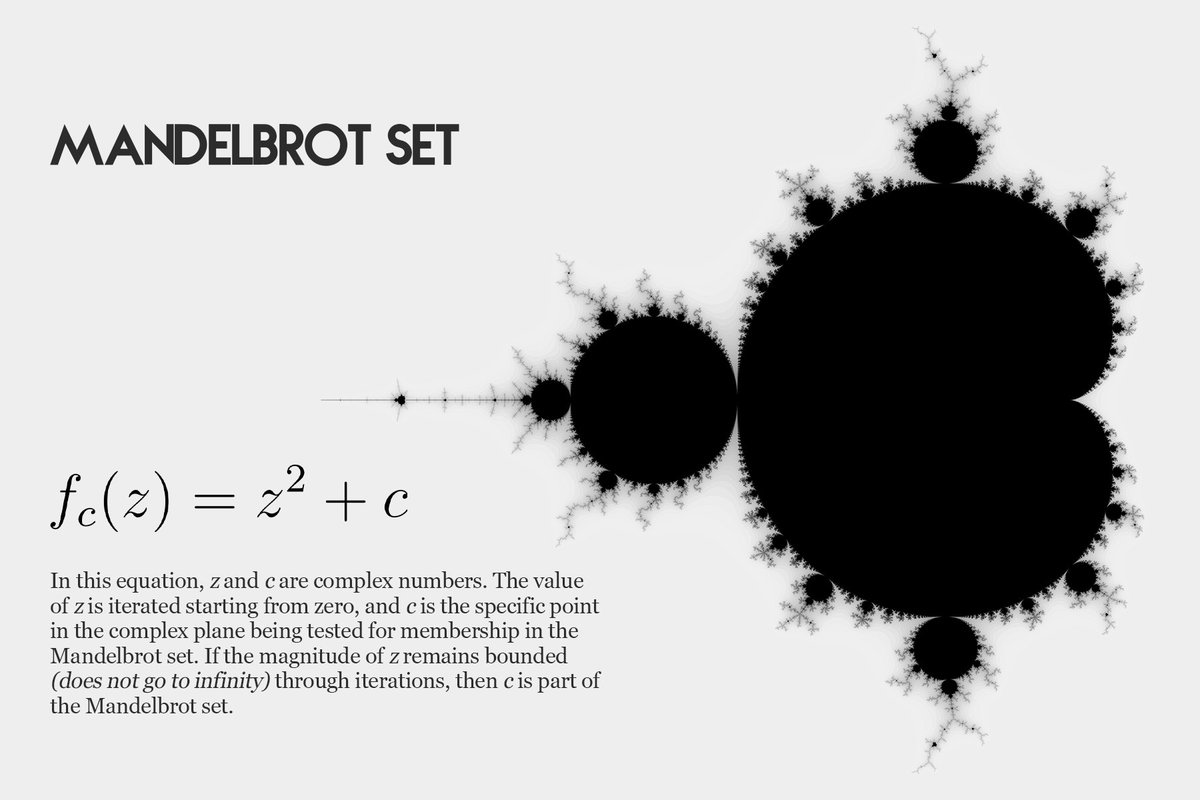
Mandelbrot sets are a collection of complex numbers that form a fractal, a never-ending pattern that is infinitely complex and self-similar across different scales. Named after mathematician Benoit Mandelbrot, who studied and popularized them, these sets are created by applying a simple mathematical equation repeatedly and tracking the results.
🔺 El @MMACA_cat torna, el pròxim divendres 30 de maig, amb un nou taller familiar dedicat a “La gran piràmide de Sierpinski”. 🏜️
👨👨👧👧 Una activitat col·lectiva per construir una piràmide gegant… i entrar-hi dins!
📍 IMET
🕥 18 h
➡️ https://t.co/JJSUEm9Uxo
@TGNAjuntament
🧮 Hablamos de la vida y obra de Thomas Bradwardine, uno de los calculadores de Oxford, en plena Edad Media
En esta etapa tan larga y con tan mala fama, también hubo aportes científicos y matemáticos poco conocidos
🔊 @raizde5rne con @SantiGarciaCC
https://t.co/48m5m1shvj
Ya está listo nuestro #Boletin semanal #RSME, con las principales novedades del mundo de las #matematicas.
Y mucho más en el #893
https://t.co/HAwIkuNBZZ
El pasado 16 de mayo falleció uno de los matemáticos más brillantes del siglo XX, Peter David Lax, galardonado con el @abel_prize en 2005. @manuel_de_leon y Ágata Timón recorren algunos de sus logros en #Caféyteoremas@materia_ciencia@el_pais https://t.co/wWSKYkwPRM
🔣 "La carrera me encantaba y al terminarla, además de recibir una beca para realizar la tesis, no me lo pensé"
La profesora de la #ULL Judit Mendoza nos cuenta cómo se interesó desde niña por las matemáticas en un nuevo #TodasconCienciaULL.
#Vídeo 🎥 https://t.co/4Emxr6EYQX
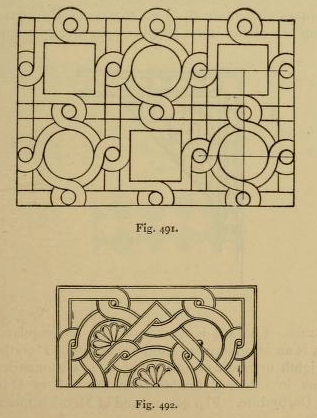
I love looking through figures in "Geometrical Drawing and Design" by J. Spanton (1913).
We find symmetries appealing because they reflect order and predictability, which can be comforting. The figures also engage our brains in deciphering the pattern and appreciating the craftsmanship. Math Beauty.
Mathematics.
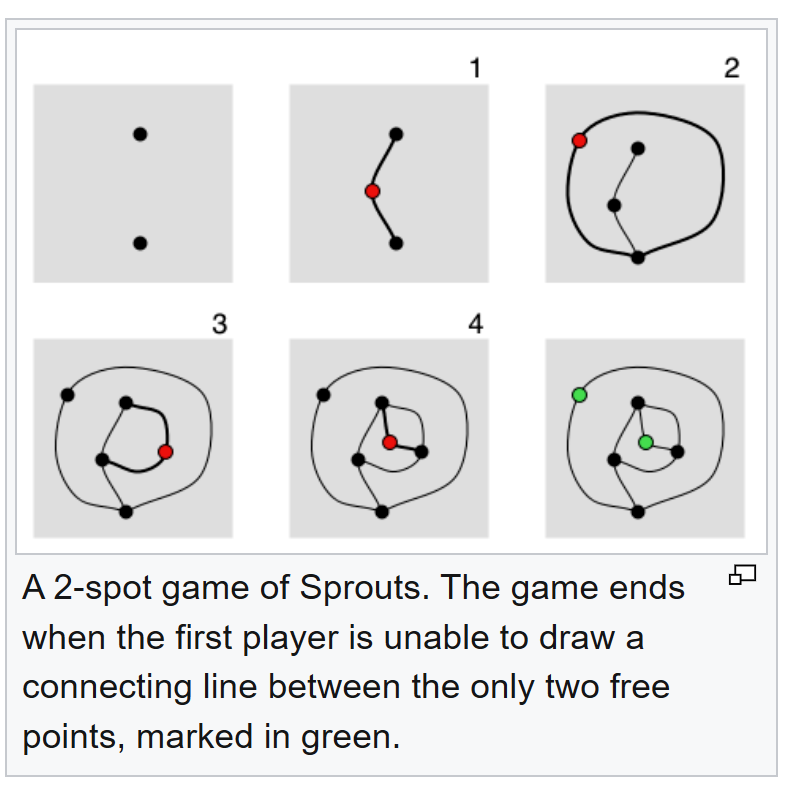
Have you ever played Sprouts? It's a "paper-and-pencil game that can be analyzed for its mathematical properties. It was invented by mathematicians John Horton Conway and Michael S. Paterson at Cambridge University in the early 1960s.
The game is played by two players, starting with a few spots drawn on a sheet of paper. Players take turns, where each turn consists of drawing a line between two spots (or from a spot to itself) and adding a new spot somewhere along the line. The players are constrained by several rules.
In normal play, the player who makes the last move wins. In misère play, the player who makes the last move loses.
Source: https://t.co/vVc9TpLbqG