Frequently found conversing with rocks, fossils and other inanimate objects.
Currently working with some rather charismatic squamates at Yale (She/Her)
Hello Twitter! I'm a palaeontologist & evolutionary biologist with a love of big systems,
🧬➕🥚➕🌿🏞️ = 🦎
big questions,
🦎➖🐾= 🐍
and big to-do lists.
📝
Frequently distracted by #SciComm, Snakes and Shiny Things💎
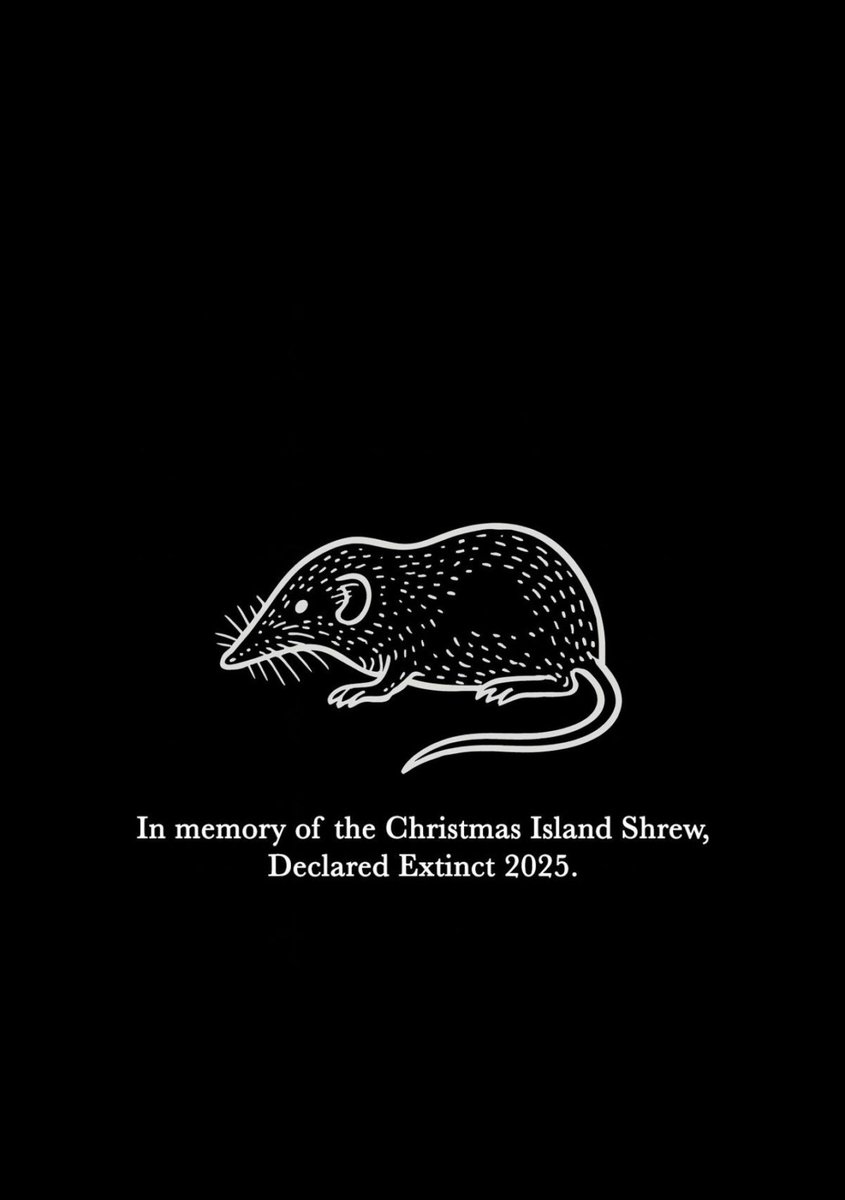
Requiem for the Christmas Island Shrew
It never weighed more than a spoonful of sugar. Five or six grams of life, soft-furred and sharp-nosed, darting among the roots and leaf litter of a tiny island in the Indian Ocean. At night, its voice—a thin, high cry, part bat and part whisper—once filled the forest of Christmas Island. Now the forest is silent. Australia’s only shrew, Crocidura trichura, has been declared extinct.
Few knew it lived, fewer still that it was Australian. The shrew was a stranger in a land of marsupials, a migrant that arrived tens of thousands of years ago, likely clinging to a raft of vegetation from what is now Indonesia. For millennia, it thrived unseen in the island’s rainforest, feeding on beetles and sheltering beneath roots. When British naturalists arrived in the 1890s, they found the forest alive with its shrill chatter. “Extremely common,” they wrote. Within a generation, it was gone.
The black rats came first, stowaways in bales of hay. With them came a parasite, Trypanosoma lewisi, that swept through the island’s naïve mammals like a plague. Within years, both native rats were extinct, and by 1908, the shrew too was presumed lost. Its name lingered only in museum drawers and footnotes.
Yet it was not quite gone. In 1958, two shrews surfaced as bulldozers cleared forest for mining, seen briefly before being forgotten. Then, in 1984, came a small miracle: a live female, discovered in a clump of fern. For a year she lived in a terrarium, tended by biologists who fed her grasshoppers and hope. Months later, a male was caught—sickly, short-tempered, and dead within weeks. The female lingered alone until she, too, was gone.
No others were ever found. Searches in the decades that followed brought only silence—the kind that deepens until it becomes its own proof. In 2025, the Red List made official what many already knew in their hearts: Crocidura trichura was no more.
To some, the loss of a creature so small may seem inconsequential. Yet its passing adds one more tally to Australia’s unenviable record—the thirty-ninth mammal species lost since colonization. The shrew’s story is a familiar one: an island undone by rats, cats, ants, and the heedless movement of the world.
It asked for little: a patch of soil, a few beetles, a quiet forest. And it leaves behind a silence that, once heard, cannot be forgotten.
💐 Full piece: https://t.co/3Enu6NnJuM
🦴New fossil alert🦴 Introducing Aeviperditus gracilis, a possible bowerbird from the Miocene of New Zealand.
My first fossil description! Artwork by the amazing Sasha Votyakova (Te Papa CC-BY-SA) (🧵1/11)
Applications are open for the Graduate Program at @HopkinsAnatomy at @HopkinsMedicine. If you are interested in combining the fossil record with developmental biology to answer questions regarding evolutionary novelty, don't hesitate to email me!
https://t.co/EC4UsxISt6
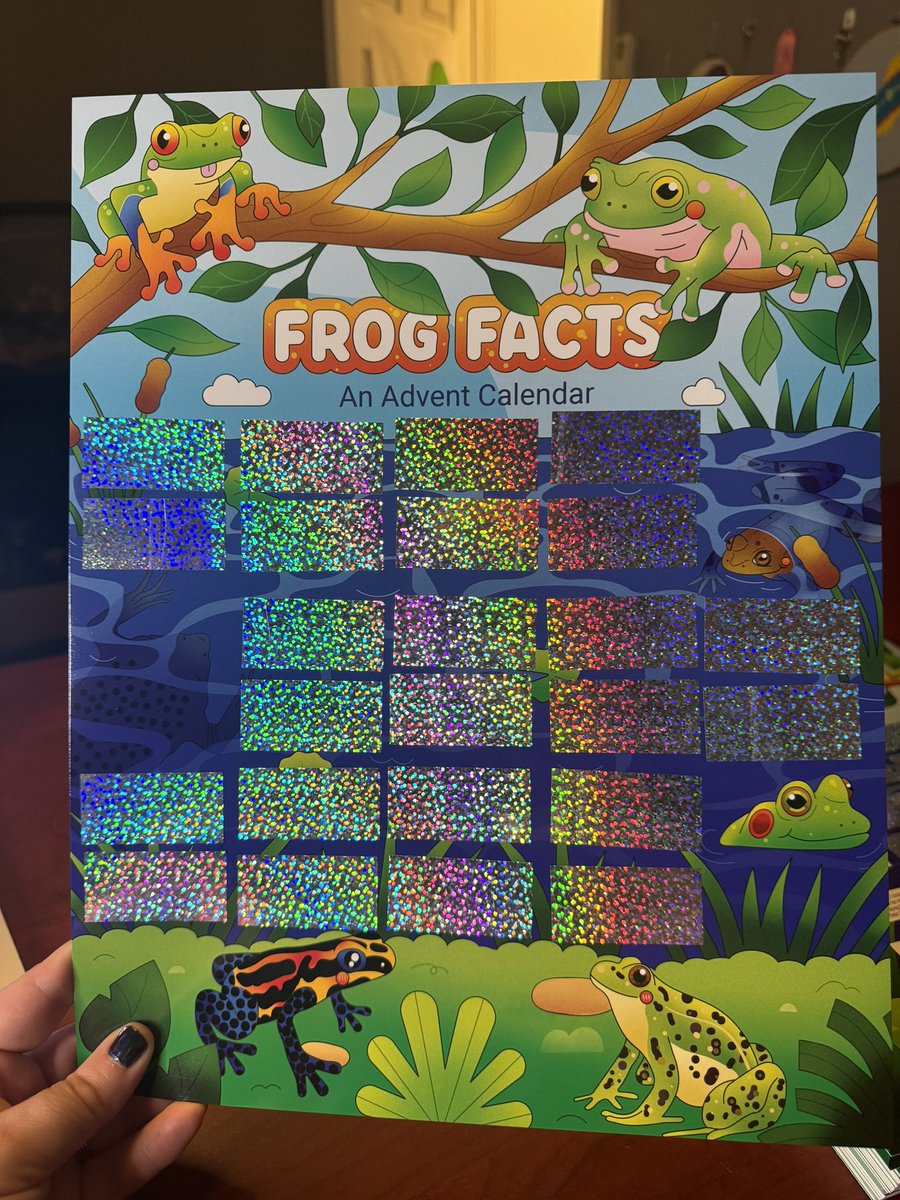
We don’t currently have any grant funding to support @SkypeScientist for 2025 😬
But! We have Frog Facts advent calendars to help float us until I get us funding! They are amazing! Every day scratch off the sparkles to get a frog fact.
If we sell 5000 it will fully fund 2025.
The Global Women in Herpetology Project (#GWH) is reopening applications to get travel support to attend the World Congress of Herpetology (WCH10 in Kuching). Please fill out this form (https://t.co/frXjl9iPvC), and submit directly to [email protected] by 10th of Feb
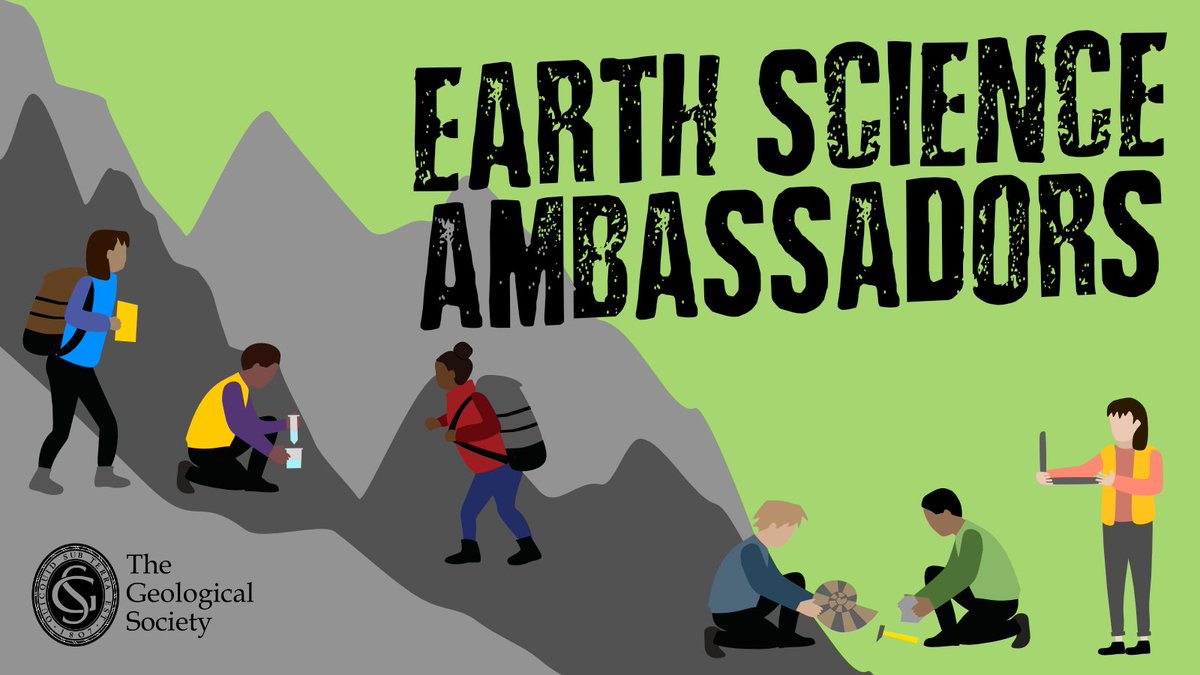
Are you studying Earth science at University?
Become an Earth Science Ambassador and inspire the next generation!
Register today to take part in our January training session and learn how to deliver geoscience workshops for primary school children 🙋
https://t.co/ND1vawUGJp
📢 New species alert! 📢
From ancient dinosaurs to worms on the carcass of a whale, our scientists have described an astonishing 815 new species in 2023! 🎉
Find out which species topped the list 👇
https://t.co/AHaVZEWb67
Study (N=7,195) finds compared to men, women have 44% higher odds of being pushed out of academia due to workplace atmosphere than pulled to a better opportunity elsewhere. Even after receiving tenure, women were still at increased risk of leaving.
https://t.co/DMNPSJeQjb
It's officially #spookyseason 😱
A toad & salamander were the last meal for an eastern hognose snake in this CT image from the #NSFfunded project oVert, which is scanning 20,000 vertebrate specimens from the @FloridaMuseum.
📷: Edward Stanley/David Blackburn/ Florida Museum
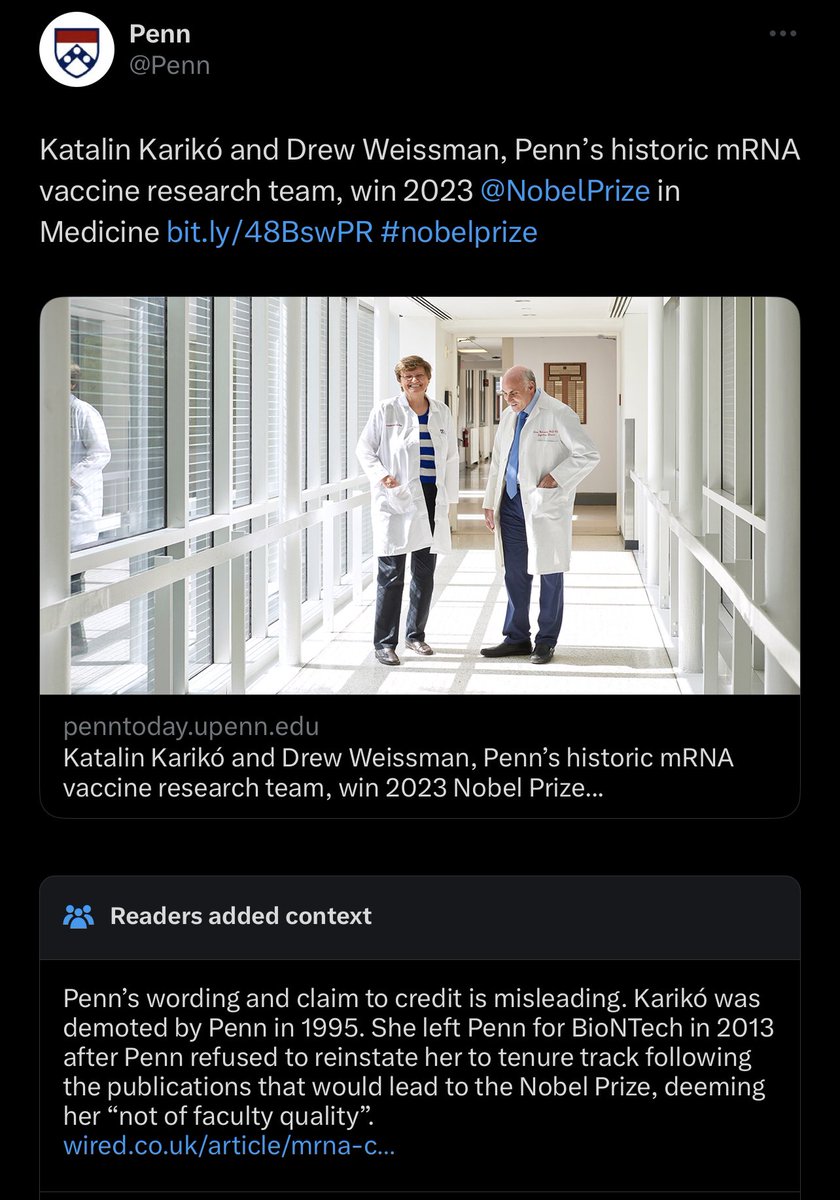
Publicly shaming an Ivy league school for claiming credit for the success of a women scientist whose work it disrespected and rejected is one of the best uses of community notes I’ve ever seen.
What can you, your department, or your institution do? Here are suggestions for various levels of graduate program operations.
Remember...
*do not depend on grad student labor (esp. from underrepresented backgrounds) to fix problems w/ your program or admissions process*
9/
Out now in @CellCellPress!
https://t.co/alueorl2UL
Historically marginalized student representation drastically drops from undergrad to grad school.
Are underrepresented students unqualified? Or are grad school admissions unnecessarily confusing, costly, & gatekeeping?
1/🧵
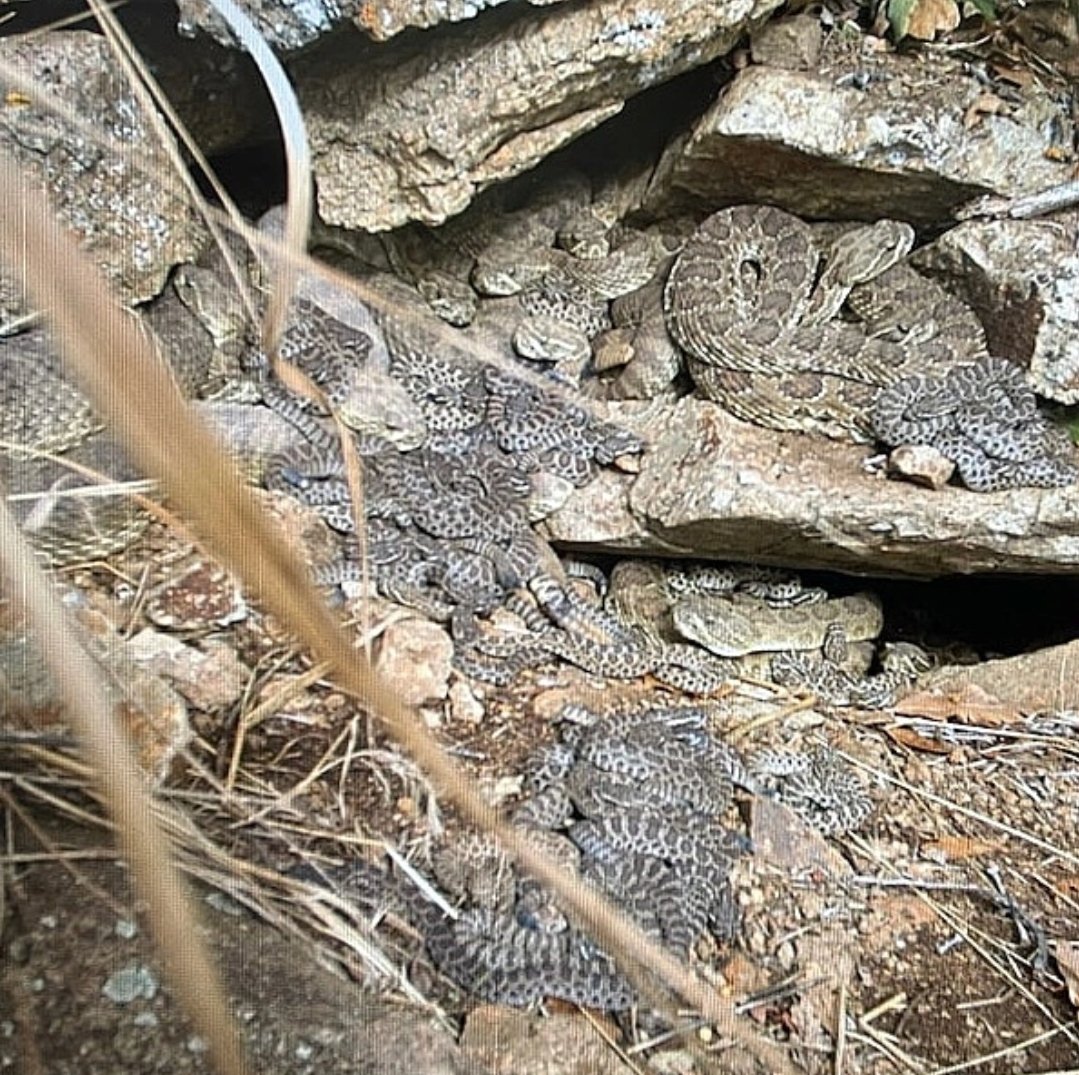
Happy #WorldSnakeDay !
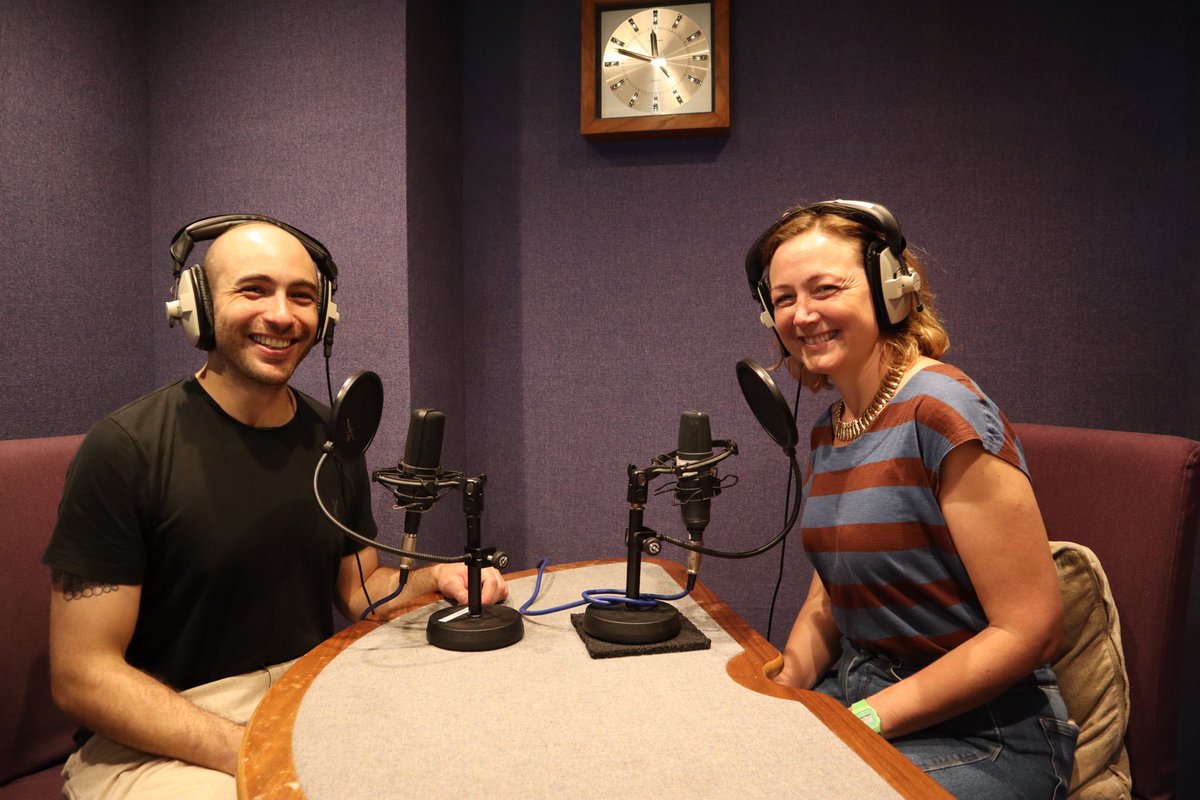
If you like snakes, check out our podcast about their ecology and conservation, @herphighlights
Listen now: https://t.co/382suE8ACS
Spotify: https://t.co/E7ximoYwGX
Apple Podcasts: https://t.co/DYRoewsbOT
Enjoy a pic of a vine snake, Ahaetulla prasina
📢 Exciting news - our new podcast series is out today: #OurBrokenPlanet
🌎 Hear stories from the front line of the #PlanetaryEmergency
🌎 Get insights from those affected most, as well as expert scientists
🌎 Feel hopeful, with solutions from science and nature
Over 10,000 reptile species have been assessed, revealing that 21% of all reptile species are at risk of #extinction.
Learn more from the Global Reptile Assessment published on the IUCN Red List of Threatened Species™.
https://t.co/vTlIZYjB8H