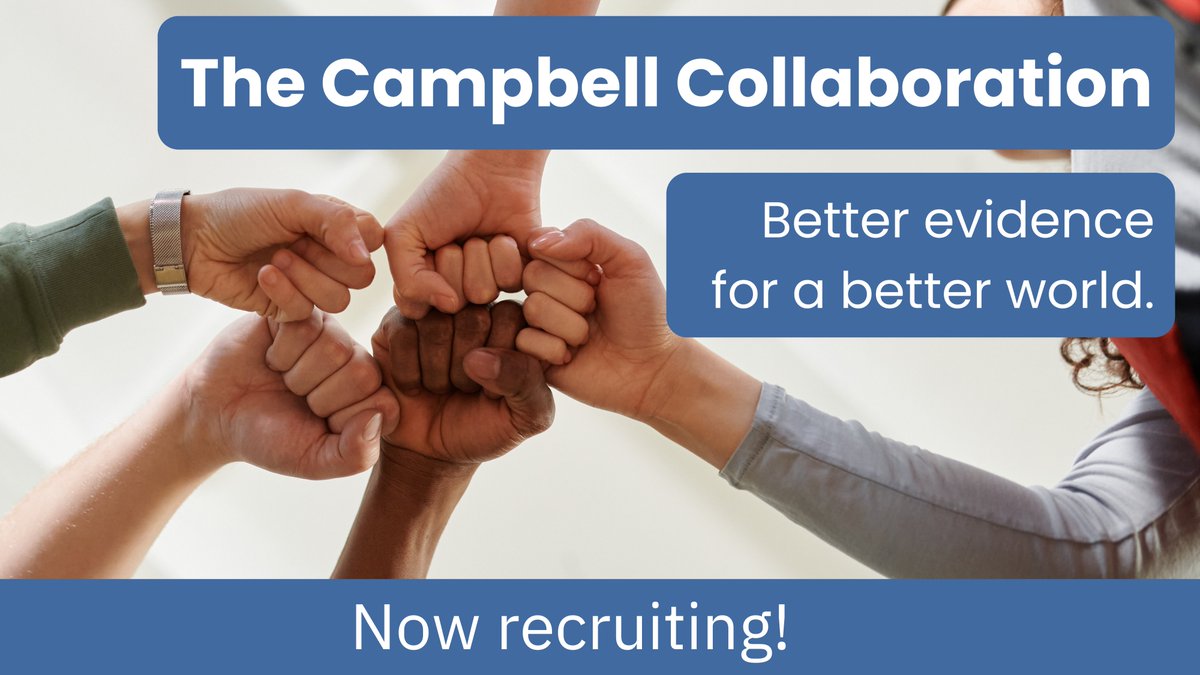
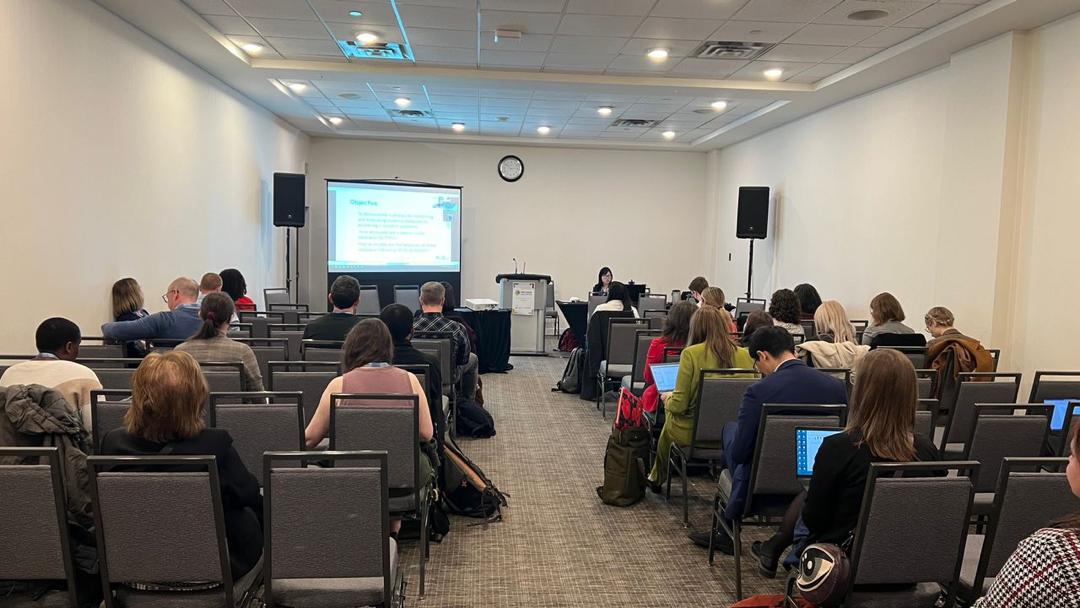
Campbell is actively recruiting new editors for the Education and Disability CGs and peer-reviewers for all groups. If you are interested in learning more, email us at [email protected] or stop by the Campbell stand at the GES.
@GESummit@Campbell_Edu@DisabilityCG
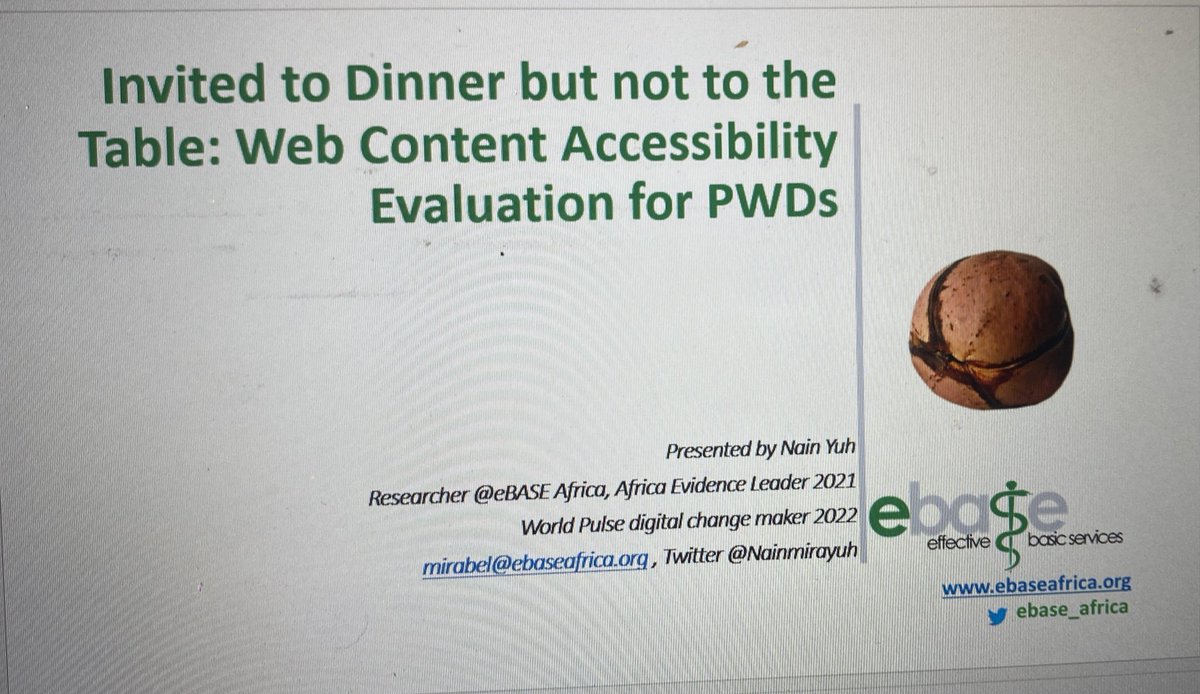
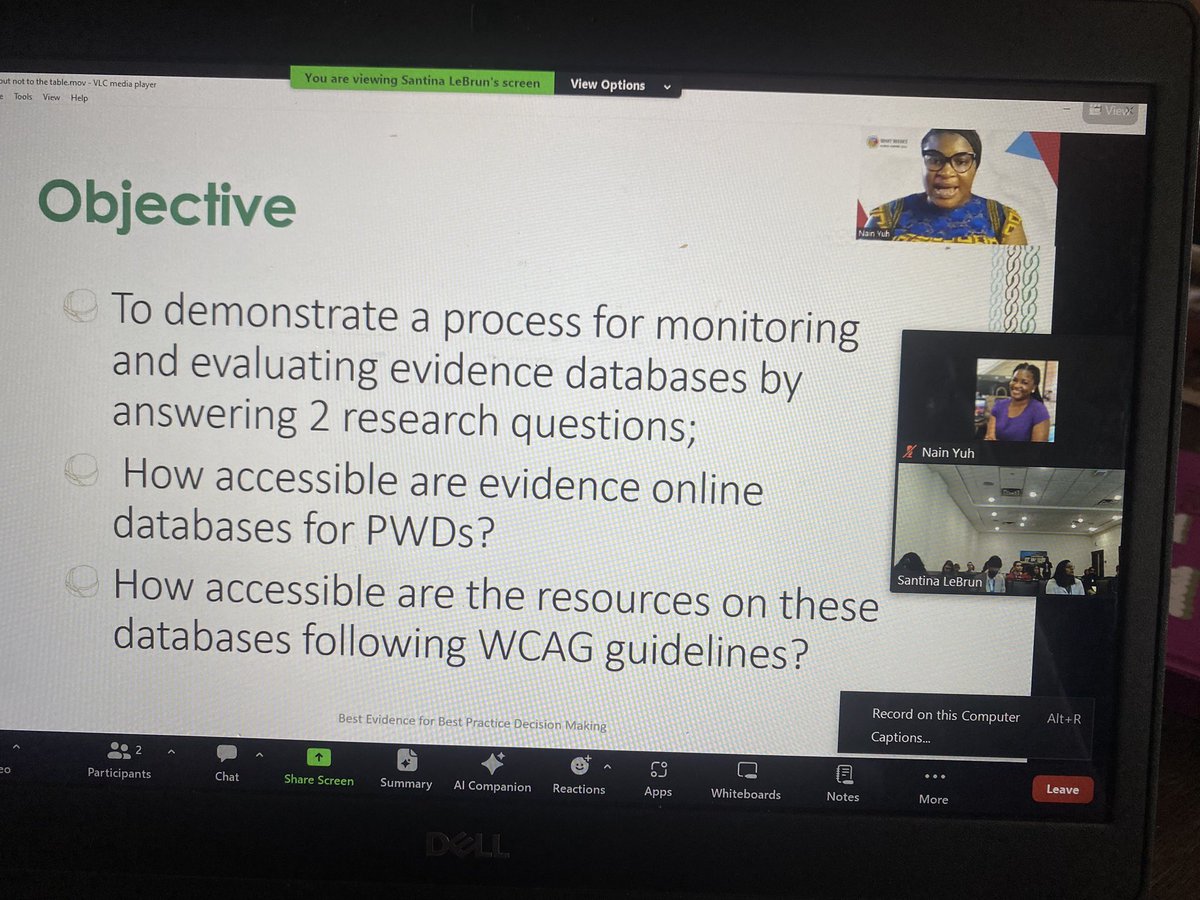
#DidYouKnow global #evidence communities ve made progress to consider equity? But resources may not be accessible to people with #disabilties. They r invited to dinner but not to table. Read our publication on this at: https://t.co/mPg6KG7rqE @Nainmirayuh@Africa_evidence@ucl
Evidence and gap map finds 50 studies on teacher training for the inclusion of students with disabilities in #LMIC Asia-Pacific countries. A significant number of interventions focus on changing teacher attitudes and understanding of disability.
https://t.co/owJVnBkP4j
#SystematicReview evidence strongly supports the notion that deployment negatively affects mental health functioning of deployed military personnel. The odds of screening positive for #PTSD and depression were consistently high in the longer term.
https://t.co/CTQdLEuH63
#SystematicReview finds significant reduction in the odds of non-fatal overdose for justice-involved people who are treated with opioid-specific medication assisted therapy. There was no effect on fatal overdose or criminal justice outcomes.
https://t.co/ViwtJjcbro
6 Dec 12.10 ET: https://t.co/79lcKV5ggC Launch of an accessible WCAG2.2/AA compliant EPPI-Mapper (visualisation of research evidence) for users with low vision and/or difficulty perceiving colour and users of screen readers. Led by @UNICEFInnocenti@EPPICentre@Perkins_Access
FREE TRAINING on December 6, 9:10am PT | @UNICEFInnocenti and @Perkins_Access will discuss the revamped EPPI-Mapper, a more accessible visualization map of research evidence. Learn more and register: https://t.co/c8pDew9a1f
A systematic review and meta-analysis of language interventions to improve speaking skills in children with neurodevelopmental disorders finds that the current evidence base is promising but inconclusive. Read the full report in our #OpenAccess journal: https://t.co/kJhXZ2Elox
We are delighted to announce that the Campbell Disability Coordinating Group - that's us! 🤓 now has an Information Specialist. It's @amylibrarian @umnlib. 🥳 Welcome, Amy Riegelman!
https://t.co/JR02s1qAsn
We’re excited to host a new Disability Arts Showcase at this year’s conference, including a virtual gallery featuring original artwork from leading disabled artists and activists across the globe who are passionate about making research more accessible: https://t.co/PIIEh4dcZR
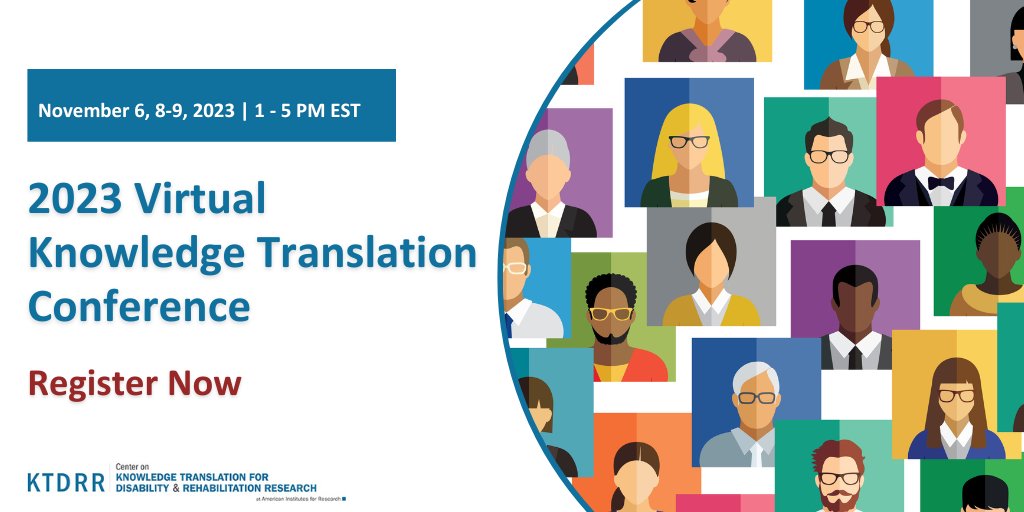
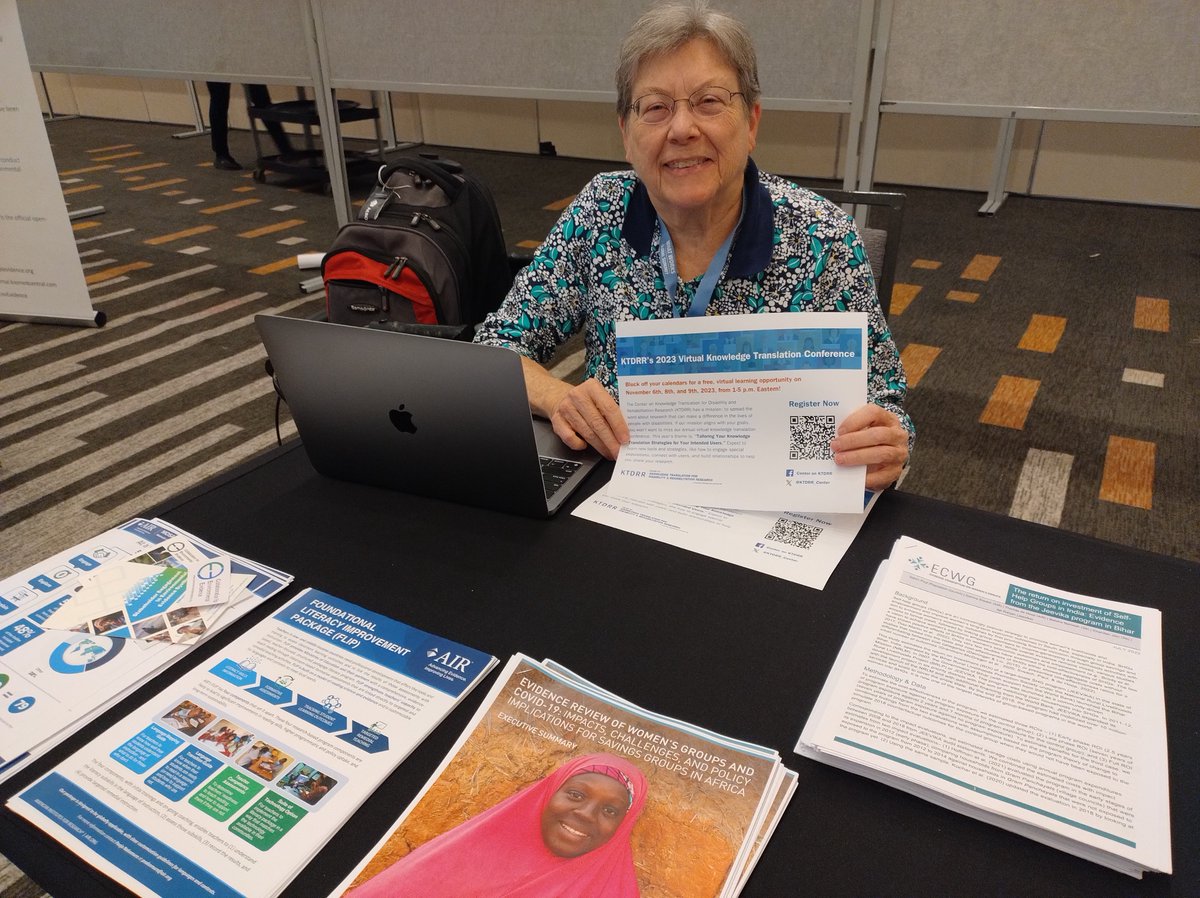
Join @KTDRR_Center on Nov 6, 8 and 9 for #KTDRR23. This year's theme is “Tailoring Your Knowledge Translation Strategies for Your Intended Users.” Presenters will provide insights into engaging end users from diverse backgrounds. Register for free at https://t.co/T8waa0QY9t.
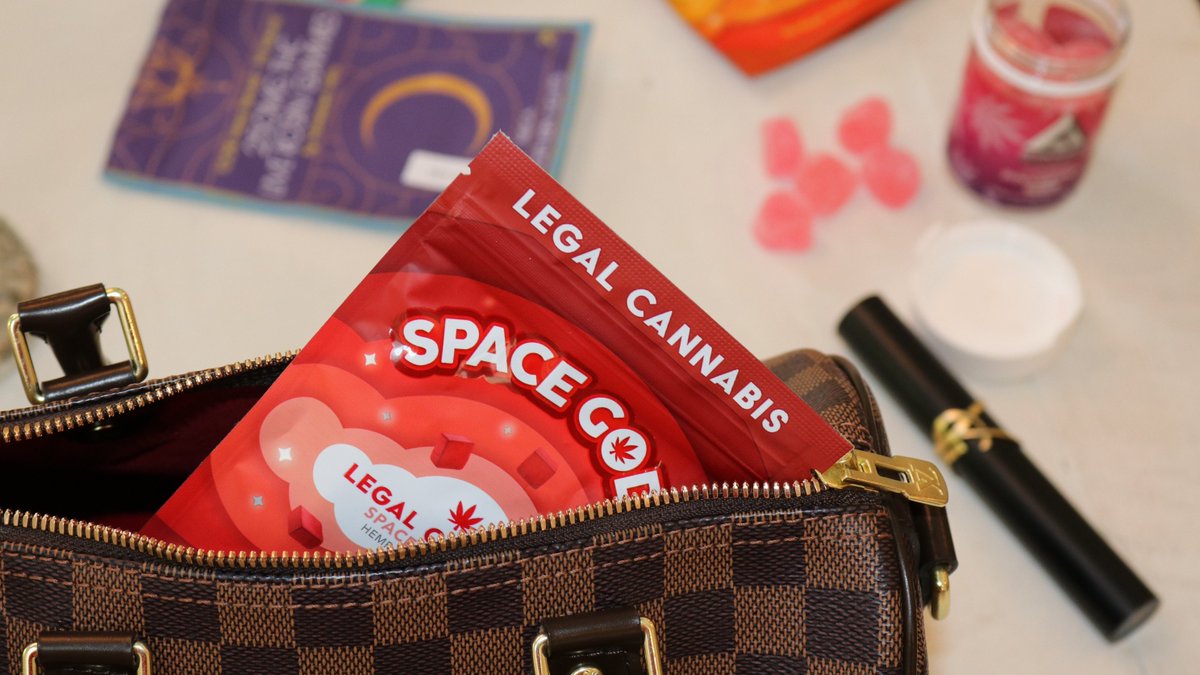
How much research evidence is there on the health, safety, and socioeconomic impacts of cannabis liberalisation laws? We've just published a new evidence and gap map by @eric_esevigny et al. which includes 447 studies published in English since 1970. https://t.co/JgIVqjjKXH
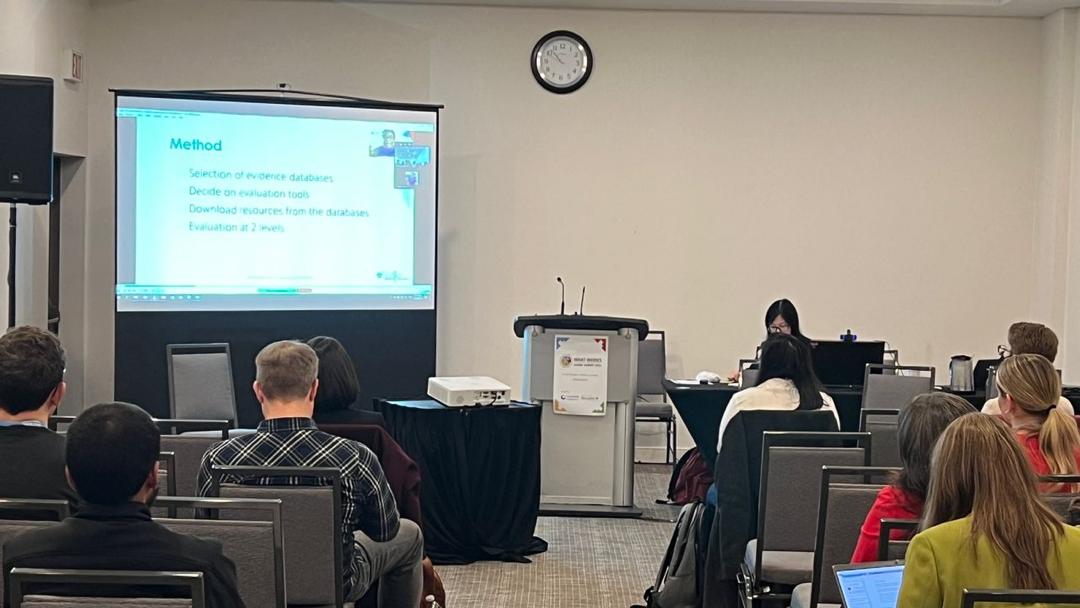
Though denied visa, I was still able to present my work at the #WWGS2023 virtually. Sharing on how #PWDs are invited to the dinner of research evidence but not to the table. @CampbellReviews@ebase_africa
Joann Starks, Co-chair of the @CampbellReviews@DisabilityCG group and senior technical assistance consultant @KTDRR_Center@AIRInforms is here at #WWGS2023 in Ottawa, inviting all to register for the knowledge translation conference (online) in November: https://t.co/PgxalIPJEe
Read the #WorldEBHCDay blog by @NgehEtienne, Head of the Physiotherapy Department @institute_louis in Cameroon, who discusses the challenges of securing funding for evidence-based rehabilitation programs in Africa.
Read #WorldEBHCDay blog👇
https://t.co/8ihtb1KUtX
#EBHC